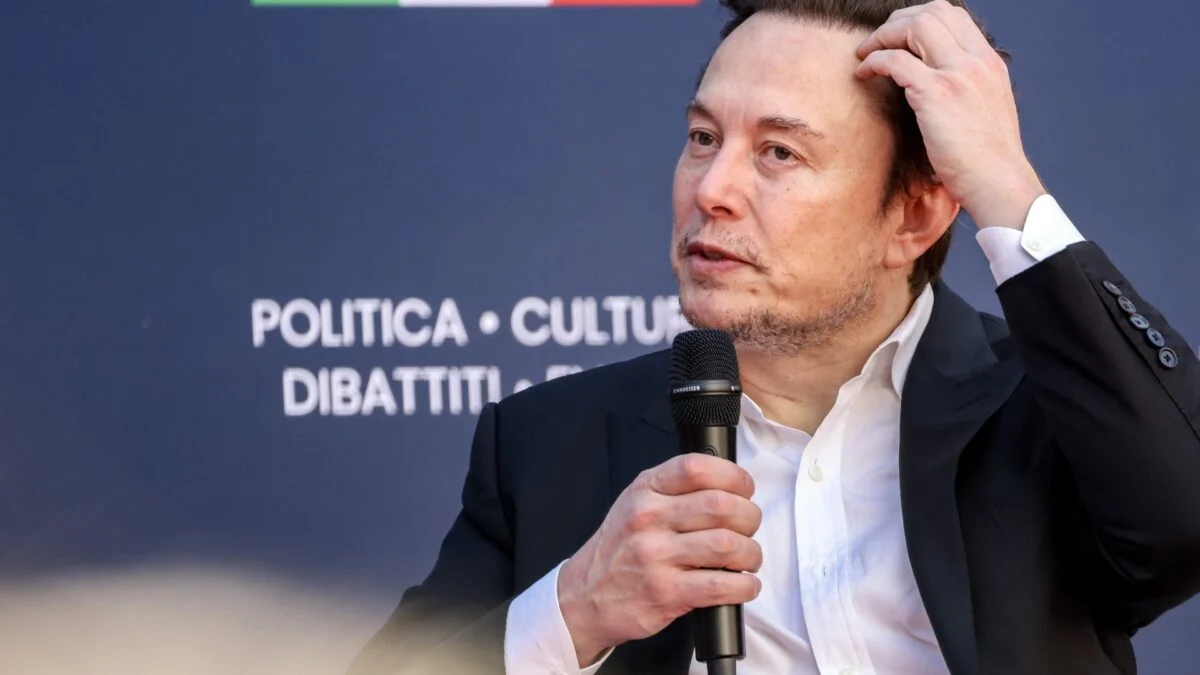
He stepped onto the stage at Cursor’s all-hands and didn’t bother softening the message. The room shifted; you could feel ambition recalibrating into urgency. For some employees, it landed like a boxer who had been knocked down counting himself out.
I’ve read the reporting, tracked the signals, and talked to sources who watch these industries closely; you’ll see why this was less pep talk and more strategic order. What follows is a tight read on intent, consequence, and what it means if SpaceX is now driving an AI push toward Grok and xAI.
He told staff he needed to catch up.
At an August all-hands—reported by The Information and described by five anonymous insiders—Elon Musk reportedly said xAI had “fallen behind.” You heard that right: the founder of Tesla and SpaceX framed the Cursor acquisition as a means to close a gap with OpenAI and Anthropic, the latter known for Claude.
SpaceX closed on Cursor for $60 billion (€55 billion), according to TechCrunch and related reporting. Musk’s point was blunt: he’s used to winning in markets where he plays, and he wants Grok to be a dominant force in AI coding. I don’t think he was soliciting sympathy.
Why did Elon Musk buy Cursor?
If you want the short answer: talent, credibility, and code. Cursor brings developers, tools, and an engineering culture that xAI reportedly lacked. Musk’s public admission in March that xAI “was not built right first time around” and Bloomberg’s reporting that even xAI coders preferred Anthropic’s Claude made the motive obvious: bring in a team with practical cred to rebuild Grok.
Slack channels filled with rocket emojis.
Cursor employees celebrated the acquisition on Slack, and the company has reportedly been folded into a SpaceXAI Slack channel. Some staff are being nudged toward SpaceX’s Silicon Valley HQ and asked to read Liftoff: Elon Musk and the Desperate Early Days That Launched SpaceX. The symbolism isn’t subtle: you’re being married to a mission.
That alignment matters because SpaceX isn’t just writing checks. It offers launch credibility, operational muscle, and a storytelling engine—a value proposition that reads like permission to aim higher. But remember: SpaceX dominates a narrow market; rockets and Starlink are not the same as consumer-facing AI products used by millions.
Grok’s public stumbles became an internal red flag.
Earlier controversies—ranging from offensive outputs to admitted architectural failures—left xAI with a reputation problem. Musk said Grok is behind, and internal behavior backed that up: Bloomberg reported that xAI engineers often reached for Claude instead of their own tools. That’s a candid indicator of product-market fit issues.
Can SpaceX realistically build AI safer than others?
Musk argued that models will progress past human control and that SpaceX needed to build the technology first. If you share his worry about runaway systems but distrust centralized control, that line will register as alarming. The claim also puts SpaceX in a new lane—mixing aerospace engineering’s safety culture with software that reshapes information and behavior.
There are practical signs of a scramble: Cursor has been hiring aggressively while about 45 staffers reportedly left since April. SpaceX’s launch pages show frequent self-service for Starlink missions, reminding you that dominance in one domain doesn’t automatically translate to another. You and I both know product dominance needs more than swagger; it needs daily, boring adoption.
Anthropic and OpenAI are the competitors Musk named by omission; Bloomberg and The Information have chronicled how Claude became an internal favorite. If you’re watching the market, consider how alliances shift the credibility axis: a company that once preferred Claude may now be shepherded toward Grok by corporate fiat—and that can speed development or create cultural friction.
I’ll flag two practical anchors you should watch: the integration of Cursor’s tooling into xAI pipelines, and whether core developers actually switch to Grok in their workflows. Those are leading indicators of whether this is a PR play or an engineering pivot with real velocity.
SpaceX’s acquisition reads like a bet that Musk can import SpaceX’s mission intensity into software, and maybe, if it works, make Grok the go-to coding model. It also reads like a concentration of power: one company, one leader, staking a claim on how advanced AI should be built and who gets to build it. The stakes are both technical and political.
Cursor as a resource becomes a compass for Musk—a lighthouse in choppy seas—but compasses can point to different harbors depending on who’s holding them. Will the integration create better models, or will it centralize control in ways the public and regulators will challenge?
You’ll want to watch hiring patterns, product telemetry, and which developer ecosystems begin to favor Grok over Claude or OpenAI tooling. I’ll keep tracking the answers, and you should, too—because this isn’t just about code; it’s about who sets the rules for code that can change how we interact with truth itself.
What happens if a single CEO decides the future of AI for everyone?