
ARC Raiders’ launch party felt like a lightning strike: servers full, streams popping off, and you could hear the buzz in every corner of Discord. I remember watching player counts climb and thinking the game had found its moment. Then, months later, the chatter thinned and the updates slowed—fast.
I spoke with the reporting around Aleksander Grøndal’s frank admission that the developer “just couldn’t keep pace” with players hungry for fresh objectives and gear. You’ll feel the tension between ambition and capacity here—between a community that wanted more and a team that hit its limits.
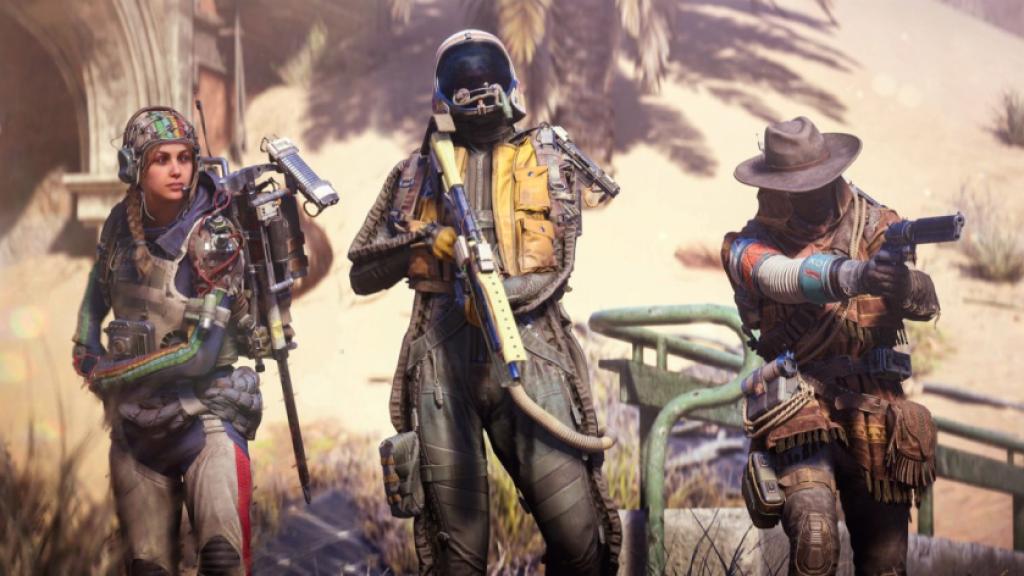
On the day the player charts began to dip: why numbers tell a different story
I sat with the timeline: a massive launch spike, a steady climb, and then a plateau that hardened into decline. Grøndal admitted to GamesBeat that the studio underestimated how fast its most dedicated players would outpace available content. Those players weren’t just logging hours; they were mapping every progression node, exposing the seams in design and pushing for new ARCs, weapons, and gadgets faster than the team could deliver.
That mismatch isn’t rare in live-service games, but it’s brutal when expectations are amplified by streaming and cross-platform hype on Steam, PlayStation, and Xbox. The studio’s answer was to stop monthly patches and prepare larger drops—starting with the upcoming Frozen Trail update—hoping bigger, slower releases would land with more polish.
Why did ARC Raiders lose players?
It came down to pace and perceived value. You felt the churn because some updates arrived too quickly and felt shallow; players voiced frustration that fixes and additions weren’t as meaningful as advertised. When you can’t keep feeding the most engaged cohort, those players either wait or leave for other shooters promising steady rewards.
At a late-night dev review: what “quality over quantity” actually meant for a 120-person studio
I’ve been in rooms where a small team debates whether to ship faster or hold a feature for refinement. The studio behind ARC Raiders chose the latter after a period of “fast and frequent” patches that strained resources and goodwill. Grøndal framed the shift as a learning moment: fewer, heftier updates with more craftsmanship.
The trade-off is obvious. A team of roughly 120 staff can’t match the update cadence of publishers with larger live-service operations. The developer said they won’t beat rivals on sheer volume; instead, they’ll try to offer higher-impact content that carries the studio’s stamp. To many players, that felt like pressing pause on momentum—and that tension influenced retention.
When is the Frozen Trail update coming?
Frozen Trail is promoted as the studio’s largest post-launch update, promising more ARCs, new weapons, gadgets, and movement options. Grøndal positions it as a reset of expectations: fewer releases, but ones built to last. The community’s verdict will hinge on whether the update feels meaningful compared with the previous trickle of smaller patches.
Outside the PR brief: the moment the community turned from cheer to critique
At community streams and Reddit threads, the shift was visible—players stopped celebrating every patch and started cataloging what still felt missing. Grøndal called the period “an awakening,” noting that some updates didn’t land with the value players expected. You could see it in retention curves and in stream viewership across Twitch and YouTube.
The tension plays out like a pressure cooker: expectations build, heat rises, and if you can’t vent properly, things break. The developer bet on speed early and learned that speed without sustained polish can erode trust.
A frank look at the reset and the road ahead
At the studio’s design table, an older prototype was scrapped and the current extraction model was born after patient iteration. Grøndal said that stretch—months of tests and resets—was the reason ARC Raiders exploded at launch. Now that patience is being tested again as the team opts for larger, more curated updates.
Players and streamers will be watching how Frozen Trail performs, and whether the studio can rebuild momentum with quality work. The content pipeline must both satisfy short-term appetites and sustain long-term engagement; if it doesn’t, fans will vote with their time.
I’ve seen similar arcs in other live-service releases and heard the same line from veterans at studios and outlets like GamesBeat: growth is intoxicating, and meeting demand is its own workload. The question now is simple—will the slower, more deliberate approach fix what fast patches fractured, or are players already scouting the next shooter to scratch their itch?