
I was standing in a quiet screening room when the first alien crossed the frame — and the room exhaled like it had been waiting to be punched. The sound design pinched the air; for a few minutes you couldn’t tell whether you were watching an invasion or a social experiment. By the time the credits rolled, I had a new way of thinking about how filmmakers can make horror feel almost friendly to the thing doing the hurting.
I write about films for a living. You probably come to reviews and interviews because you want the story behind the spectacle — not just whether the effects are good. I watched Na Hong-jin’s Hope so you don’t have to guess what kind of alien movie he intended to make, and I want to tell you what his choices mean for the film and for you, the viewer.
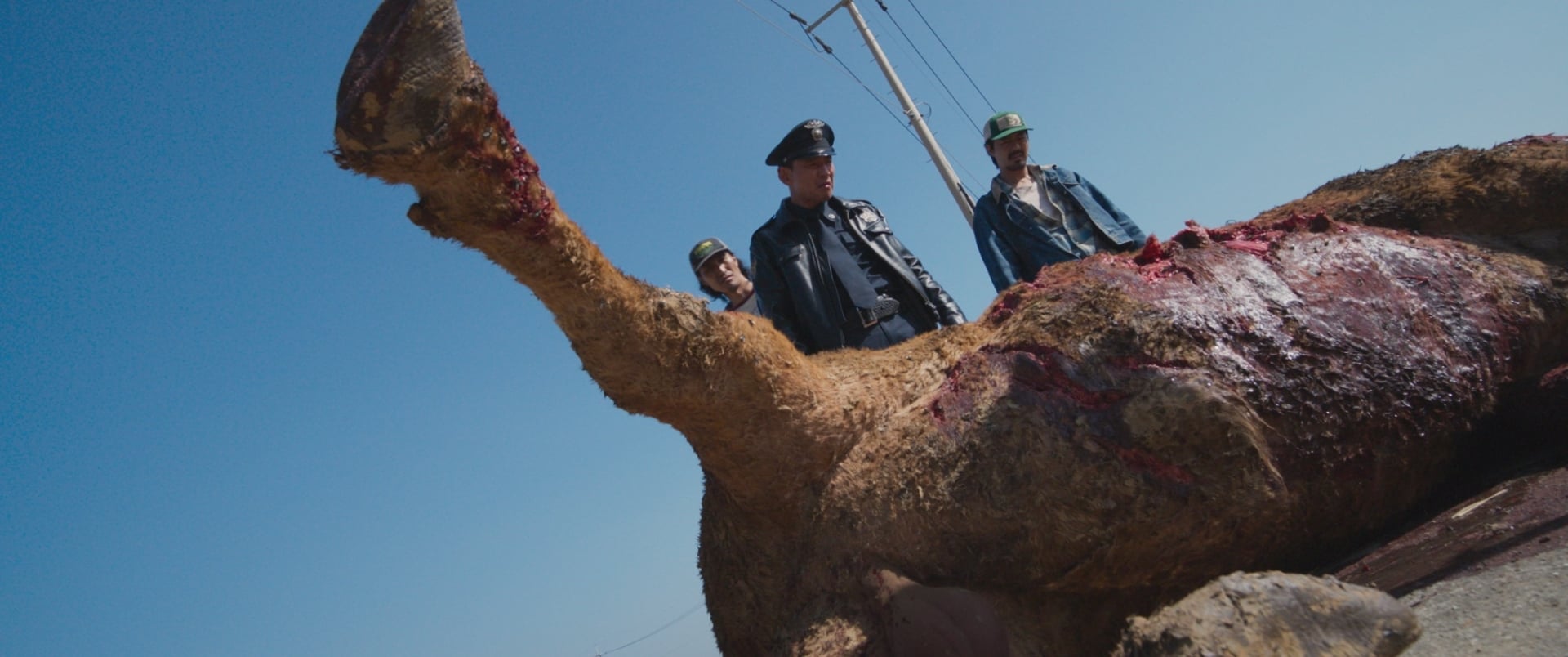
A broken bull in a field — Na turns local gossip into cosmic alarm
On the page, the setup is familiar: a quiet village, a carcass, whispers that spiral into frenzy. Na takes that whisper and blows it into a signal you can see from orbit. He borrows the sleight-of-hand he perfected in The Wailing — misdirection, black humor, and cramped human error — then lifts the vantage point to a cosmic plain. That shift is the film’s thesis: what looks like a local threat can be a symptom of something much larger, and your small assumptions can cascade into catastrophe.
What is Na Hong-jin’s new film Hope about?
At surface level, Hope is an alien-invasion action film. Under Na’s direction, it functions as a study of ignorance: police officers Bum-seok (Hwang Jung-min), rookie Sung-ae (Hoyeon of Squid Game), and a local hunter (Zo In-sung) misread animal attacks as routine threats until they collide with something beyond human comprehension. Na wants you to feel the misreadings — how quickly suspicion hardens into violence — because that’s the human story he actually came to tell.
A Cannes screening room with mixed applause — why Na trimmed the runtime
I was at Cannes for a morning that felt split between curiosity and critique. The festival’s response forced Na to reconsider rhythms and emphasis. He cut roughly four minutes after Cannes, not to appease noise, but to change perspective allocation: he gave more room to Eum Moon-suk’s taxidermist Yang-bae and pulled a little away from Hoyeon’s Sung-ae. That shift tightens the ensemble’s emotional gravity and rebalances the point of view toward the village’s quieter, stranger personalities.
Why did Na Hong-jin recut Hope after Cannes?
Na watched audience reactions and chose to re-edit. The change reduced runtime, refined pacing, and redistributed screen time so character beats land with greater force. IndieWire reported the recut, and Neon confirmed the version being released nationwide. The result is meant to keep the film’s momentum while sharpening specific human threads.
A sunlit road and a wide-angle lens — how Na designed his aliens
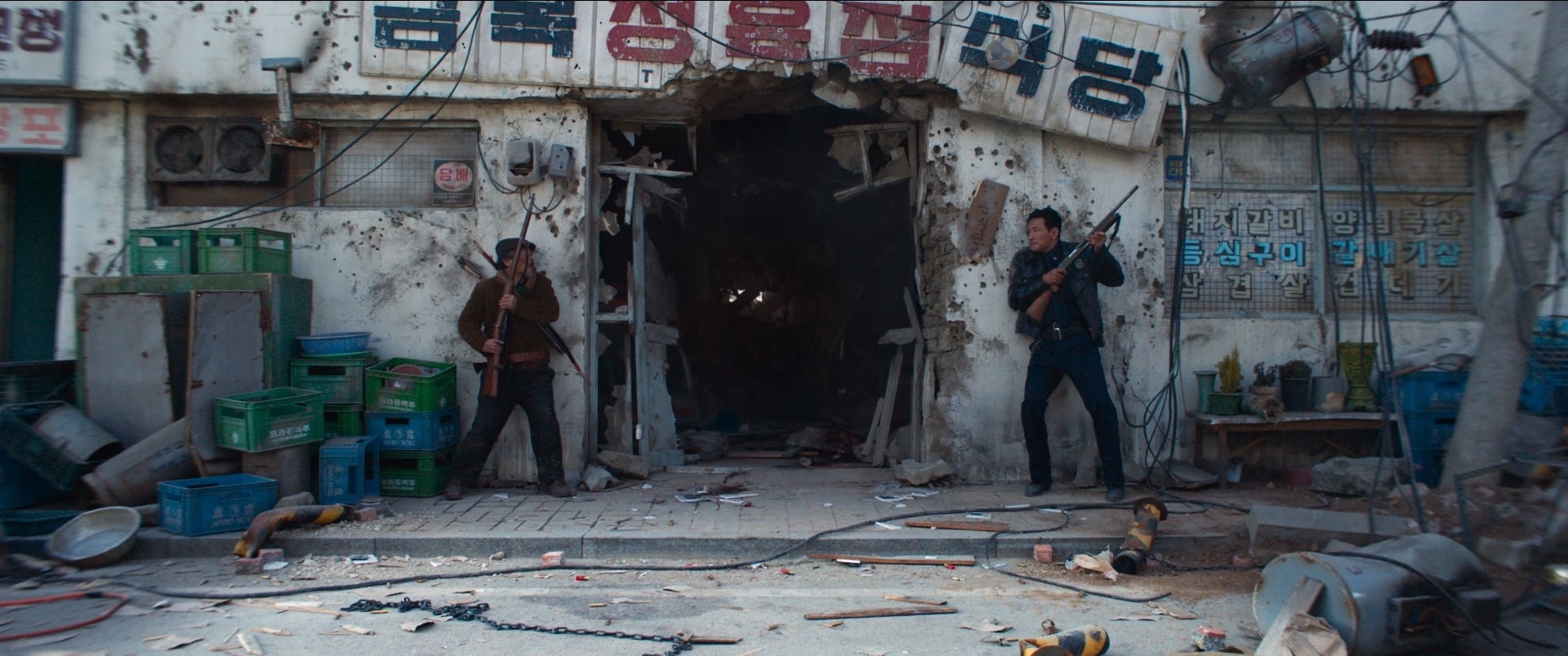
On set, Na insisted the creatures be shown in daylight and on location, not buried in shadow or studio gloom. That decision forces you to reconcile spectacle with reality. The aliens are over three meters tall and move with an unexpected swiftness; Na used motion capture with Michael Fassbender, Alicia Vikander, Cameron Britton, and Taylor Russell alongside Korean VFX house Westworld to create movement that feels wrong in a way that makes your brain nervous, like a slowly tightening vise.
Who stars in Hope?
The cast mixes Korean cinema stalwarts and international names: Hwang Jung-min and Zo In-sung anchor the local side; Hoyeon brings a terse, watchful presence after Squid Game; Michael Fassbender and Alicia Vikander helped motion-capture alien movement, as did Cameron Britton and Taylor Russell. Behind the camera, Na reunited with cinematographer Hong Kyun-pyo and stunt coordinator Yoo Sang Seob to stitch his signature tension into a new genre fabric.
A village argument over what is real — the tone and humor that carry the film
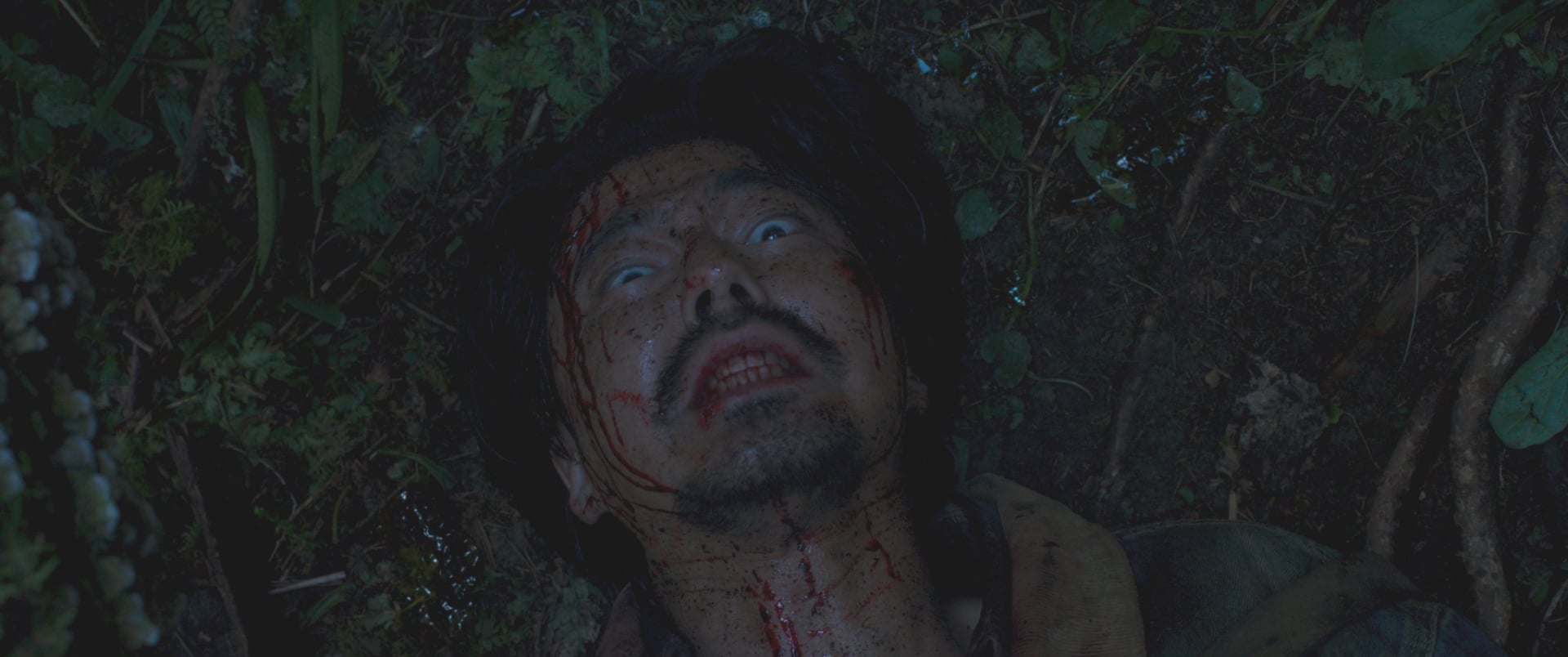
At rehearsal tables and in remote locations, the cast traded jokes while choreographing fear. Na wanted the audience to feel a kind of cosmic irony: the camera looks down on humans with a slightly amused contempt. That tilt allows scenes of savagery to sit beside small, almost pathetic human moments — which is why the film uses humor as a pressure valve. It’s a delicate balance: you laugh, and the laugh becomes a trap.
Na also constructed an alien language and then cast actors whose native speech patterns matched the phonetics he imagined. That level of detail signals an authorial control rare in big-idea action films. Neon pushed a wide U.S. release — 1,500 theaters — the widest domestic roll-out for a Korean film since Bong Joon Ho’s Parasite, according to Variety. It’s a statement of confidence from the distributor and a bet on Na’s ability to bend genre expectations.
I’ve followed Na’s career across The Chaser, The Yellow Sea, and The Wailing. In each film he tightens a screw on human error until the machine breaks. With Hope, he asks you to watch the machine from above, to notice the small, stupid things people do while something enormous approaches. The result is as disorienting as a moth to a flame.
Release details: Hope opens in U.S. theaters on September 9 via Neon with a 1,500-theater launch. Cannes reactions prompted a recut reported by IndieWire, and press screenings confirmed the version now set for wide release.
So when you go see Hope, ask yourself which side you’re on: are you watching the creatures, or are you watching the human mistakes that invited them? Which of those two do you think will be harder to live with?