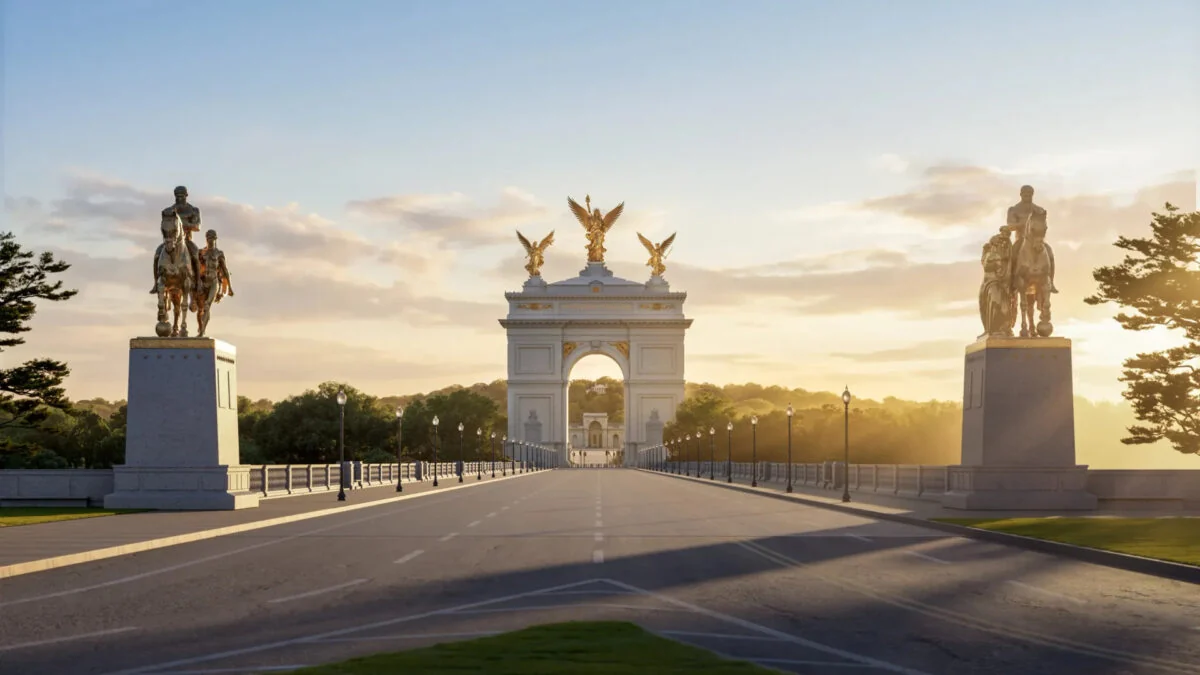
You click the White House link and the arch fills the screen. I remember the first render I saw — 250 feet of white stone planted on Columbia Island. For a second I thought it was a prop from a strategy game.
I’m writing to you because this isn’t a sketch in a campaign speech; it’s a live website with panoramic CGI and an argument attached. The website follows a federal court’s temporary stop-work order on the project. You can tour the glossy angles, read the proclamational copy, and feel how fast politics becomes architecture.
It would sit between Arlington and the Lincoln Memorial.
The placement is the clearest complaint: the arch would block sightlines that matter to veterans and millions of visitors. I stood on a gravesite in my mind and watched the vista narrow — that visceral loss of view is what pushed Vietnam vets into court.
The lawsuit pointed to concrete damage: blocked vistas of the Lincoln Memorial from parts of Arlington National Cemetery. A judge issued a 14-day pause, overriding a National Capital Planning Commission approval that arrived one day earlier. The commission, stacked with allies of the president, had pushed the project forward even as veterans filed suit.
Why is Trump building a triumphal arch?
Because the administration wants a monument that reads as both national celebration and personal legacy. The site copy calls it The United States Military Triumphal Arch, praising America’s first 250 years and promising the next 250. That rhetoric is designed to do two things: rally base sentiment and make the arch feel inevitable.
You should note the messenger: the White House published the renders and Davis Ingle posted the administration’s approval message on X. Major outlets like CBS News, NPR and the BBC covered the courtroom action — coverage that amplifies both the architecture and the controversy.
The White House launched a glossy website on a Monday morning.
The site is not a PDF or a press release; it’s a mini experience. CGI panoramas, three statuary crowns, and copy that uses sanctity and spectacle in the same breath — all built to sustain attention. It looks like a gaudy wedding cake on the national Mall.
The imagery borrows from pop culture tropes — I spotted what felt like a Sketchfab asset on the center statue — and even the admin’s promotional language leans on cultural authority. They quote Trump calling it “the greatest and most beautiful triumphal arch, anywhere in the world.” That claim is a marketing move as much as a boast.
Where will the arch be placed, and what would that change?
Between the Lincoln Memorial and Arlington — a narrow strip that frames the Mall’s most solemn views. If built, the structure would alter memorial sightlines and the psychological experience of the cemetery. For families visiting graves, the Mall’s perspective would no longer be the same.
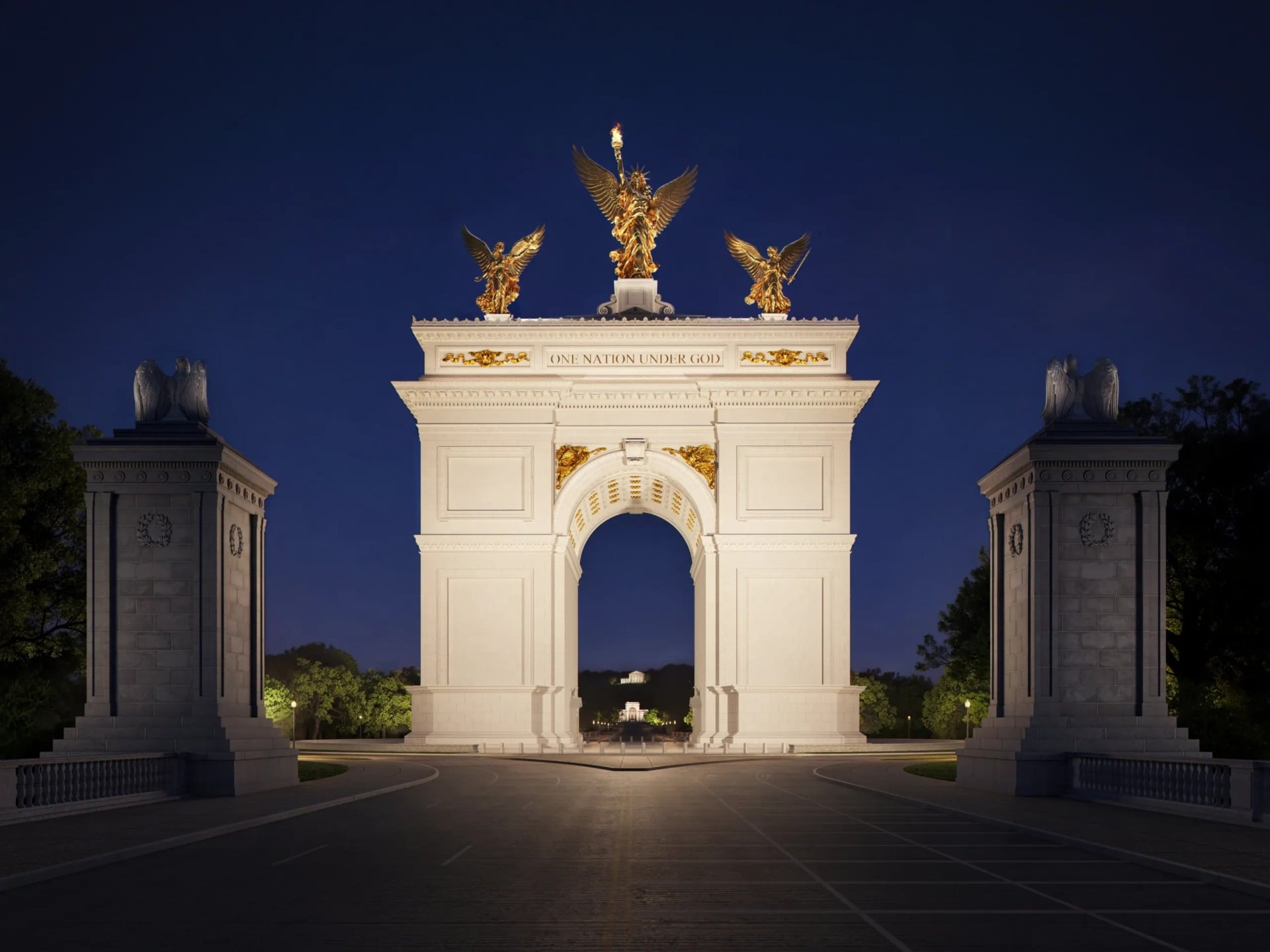
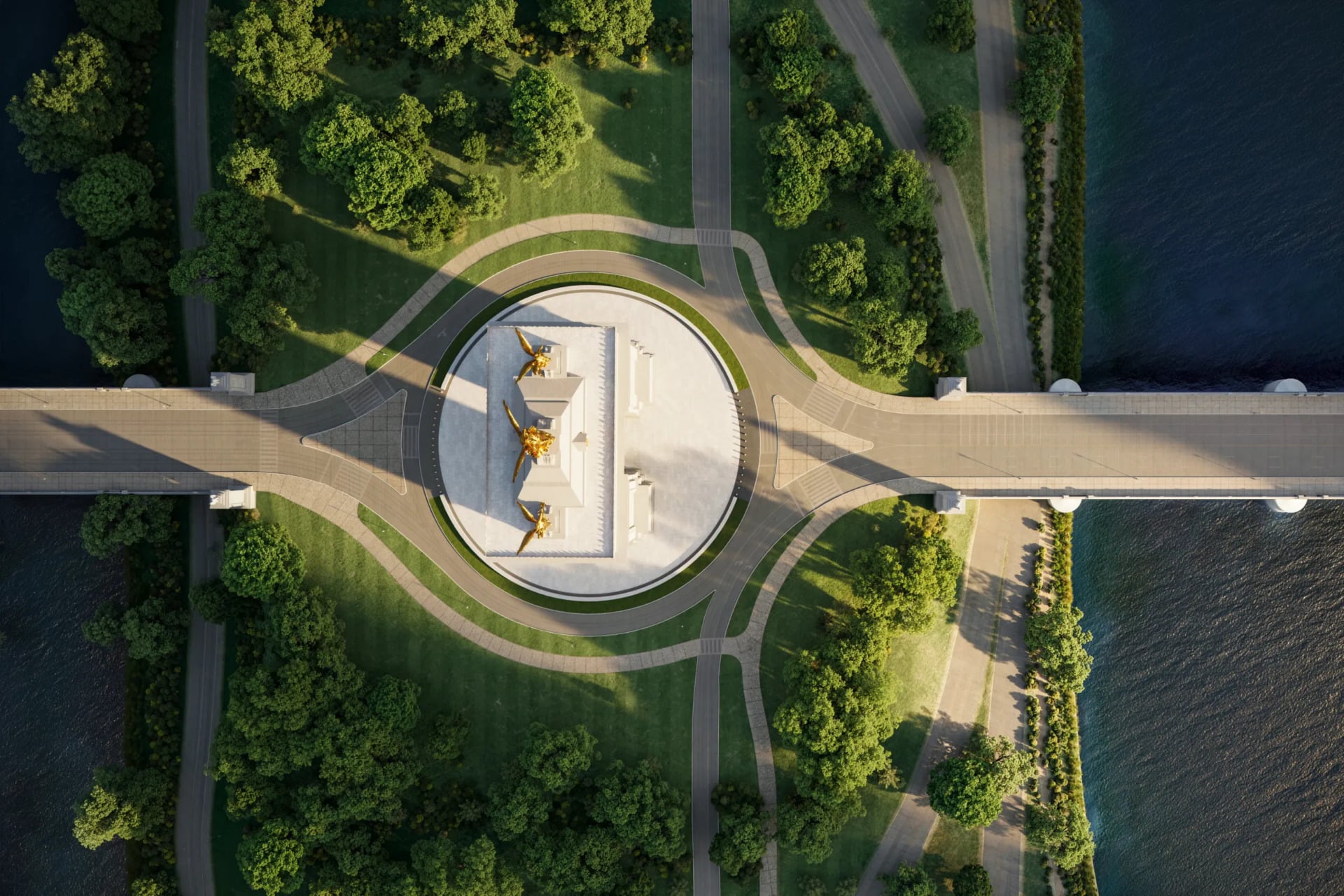
Veterans and residents read the render differently than the White House did.
That difference in reading drove the legal challenge. I’ve interviewed vets who described the proposal as an intrusion: a monument that looks solemn on the brochure but feels like posturing on the ground. The CGI tower reads like a sentry gun grown out of a marble stage.
The plaintiffs argue that the National Mall’s civic choreography matters — sightlines, memorial relationships, and the dignity of burial spaces are not cosmetic. A federal judge agreed enough to impose the 14-day stop-work order, and press coverage from NPR to the BBC has amplified that legal moment.
Is the arch likely to be built after the legal fights and a potential congressional review?
Congressional scrutiny is now more likely after Democrats regained both chambers; incoming committees are pointing at White House projects tied to personal branding. Investigations by House and Senate committees could slow funding, and legal injunctions can halt construction. It’s a high-friction path forward.
You should watch three channels: the court docket, the National Capital Planning Commission minutes, and the funding decisions in Congress. Platforms that trace public records — PACER for filings, X for administration statements, and mainstream outlets for context — will be where the story moves next.
I’ll keep tracking the filings, the PR, and the render files on triumphantarch.com that the administration pushed live. You’ll want to bookmark the site if you’re studying modern monument-making and the politics that buy it — and then watch what Congress and the courts do next.
Should the Mall host a monument that alters a view reserved for the dead and the living alike?