
I woke to my phone lighting up with screenshots and a single sentence: “They spilled everything.” Within minutes my feed was full of achievement lists for games that hadn’t even been announced. You could feel the air go flat — studios had lost their surprises.
I want to walk you through what happened, why it matters, and how you can avoid stepping on the spoilers that are already circulating. You and I both know a reveal can be the linchpin of a studio’s moment — and today that linchpin slipped.
On my desk a forum thread started the cascade — what leaked and who found it
Late yesterday a site called Exophase, which tracks Steam achievements, began ingesting achievement data that normally stays hidden. The site’s owner posted on ResetEra that the data “seems like a possible screw up on Valve’s end.” Valve, Steam’s API, and third-party trackers like Exophase form the plumbing of PC game metadata — and somewhere in that plumbing a valve failed.
That failure exposed achievement lists tied to dozens of in-development titles: confirmed sequels like Persona 6, rumored projects such as Fable, and still-mysterious entries labeled with placeholder names. Even established franchises — Kingdom Hearts 4 among them — had achievement entries hinting at unannounced worlds and mechanics. Square Enix, Valve, and other publishers now have spoilers leaking into the public eye, and the community is sorting through them like treasure hunters.
How did Steam leak unrevealed achievements?
Here’s the short answer you can tell anyone: the Steam API returned achievement metadata that should have been private, and Exophase’s automated scanners indexed it. I’ve seen APIs behave oddly during maintenance windows before — a server-side permission flip, a database migration that leaves rows readable, or a caching layer that serves stale, un-scrubbed content. Whatever the technical misstep, it turned hidden content public long enough for scraping and screenshots.
At the coffee shop I watched the reaction unfold — why this hurts creators
Developers design reveals to create surprise and momentum. When achievement names and descriptions leak ahead of time, they spoil beats meant for trailers or award-stage announcements. You can argue that a leak is free marketing, but it’s more like a cracked safe: the narrative control the studio paid for evaporates and the audience experiences the content without the intended framing.
Studios spend months crafting pacing, voice, and surprise — builds that resonate at showcases like The Game Awards. When those beats are spoiled, the impact softens. Announcements might still land, but they land with less of a hit.
Can achievements reveal secret game content?
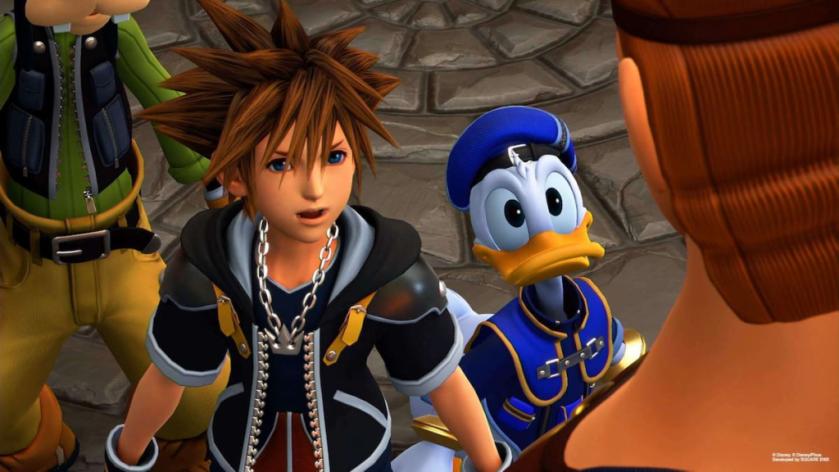
Yes — achievements often function as breadcrumbs. A line that mentions “Atlantis” or “Rogue Squadron” tells you more than a teaser ever would. In this leak, entries tied to Tomb Raider: Legacy of Atlantis, Ace Combat 8, and Kingdom Hearts 4 hinted at locations, mechanics, and cameo characters that studios planned to keep secret until the right stage.
At a bus stop I noticed people arguing about spoilers — what you should do now
If you want to avoid the mess, mute the phrases that are trending and steer clear of threads that promise “full lists.” The community thrives on speculation; it will chew through spoilers quickly and loudly. If you’re one of the people building or marketing a game, audit your APIs and revoke any public keys that shouldn’t be active. If you’re a player, avoid social feeds and subreddits where scraped data tends to appear.
I’ll add: companies should have incident playbooks for metadata leaks. Steam, Valve, publishers, and trackers like Exophase need coordinated responses — fast takedowns, clear statements, and a process to scrub leaked data from public indexes.
At a panel last year an industry veteran warned about metadata risk — what platforms are involved
Steam is at the center because it stores achievements and exposes them via API. Exophase acted as the amplifier by scanning that API. Forums like ResetEra amplified the discussion, and press outlets are now triaging which spoilers to publish. Names on the leaked lists include Persona 6, Control Resonant, Fable, Tomb Raider: Legacy of Atlantis, Star Wars: Galactic Racers, and Ace Combat 8: Wings of Theve. Publishers and developers who prefer to manage their own narrative — Square Enix, Activision, Valve partners — are suddenly reacting to someone else’s timeline.
The mix of platforms and actors here makes remediation tricky. A takedown on one index doesn’t remove screenshots or archived pages across the web; once spoilers exist online they’re like a whispered rumor in a crowded room: impossible to fully quiet.
Leaks happen. Some are harmless; some cost a reveal its thunder. You can grumble about the spoilers, or you can protect your own experience until the official reveal lands — but do you think the industry will change how it treats metadata before the next maintenance window hits?