
I sat in a dim projection booth while the restored print rolled, and a single frame of Kirsten Dunst’s Claudia stopped my breath. You know that moment when a movie suddenly feels lived-in again, not remade—only clearer, older, and hungrier. I left wanting to tell you what that hunger means for the film and for you as a viewer.
The set smelled of lacquer and gaslight — Why the film still reads like a period epic
I remember the first time I walked onto a standing set from the shoot: the costumes whispered secrets. Neil Jordan treated Interview With the Vampire as a period picture with vampire skin, giving the story a scale most genre pictures ignore. From 18th-century New Orleans to the cafés of Paris and back to the jazz-shadowed streets of the 1920s, Jordan stacked historical texture on top of emotional conflict so every lamp, coat, and prop mattered.
That decision made the film feel like a proper cinematic cathedral rather than a simple fright show. You see it in the production design, and you feel it in the way Stan Winston’s practical effects sit in the frame: tactile, painful, immovable.
The restoration hummed through a projector — How 4K lifts the small, ugly, and human details
The lab told me the scan was painstaking: original negatives, color timing, grain preserved. It’s a restoration that acts as a time machine, returning texture without smoothing the film’s emotional grain. Warner Bros. and the technicians responsible for the 4K UHD and Dolby Vision pass have made the night scenes sing again—so the light on Tom Cruise’s cheek, the lacquer on a violin, the threadbare velvet of Claudia’s dress read with fresh cruelty.
That’s why the new disc matters: it’s not nostalgia for nostalgia’s sake. The 4K UHD release (priced at $29.99 (€27)) arriving September 22 lets you see the choices Jordan and cinematographer Philippe Rousselot made, frame by frame.
Is the 1994 film faithful to Anne Rice’s novel?
I watched Jordan’s answer unfold on set: fidelity is a kind of choreography. He follows Rice’s emotional beats closely—especially the book’s use of blood as metaphor—but he adapts rhythm and emphasis for cinema. Where Anne Rice luxuriates in interior monologue, Jordan translates that hunger into gesture, atmosphere, and the long, hungry camera moves that hold Brad Pitt’s Louis in a slow, wordless argument with himself.
The audition room was small and bright — Why casting changed everything
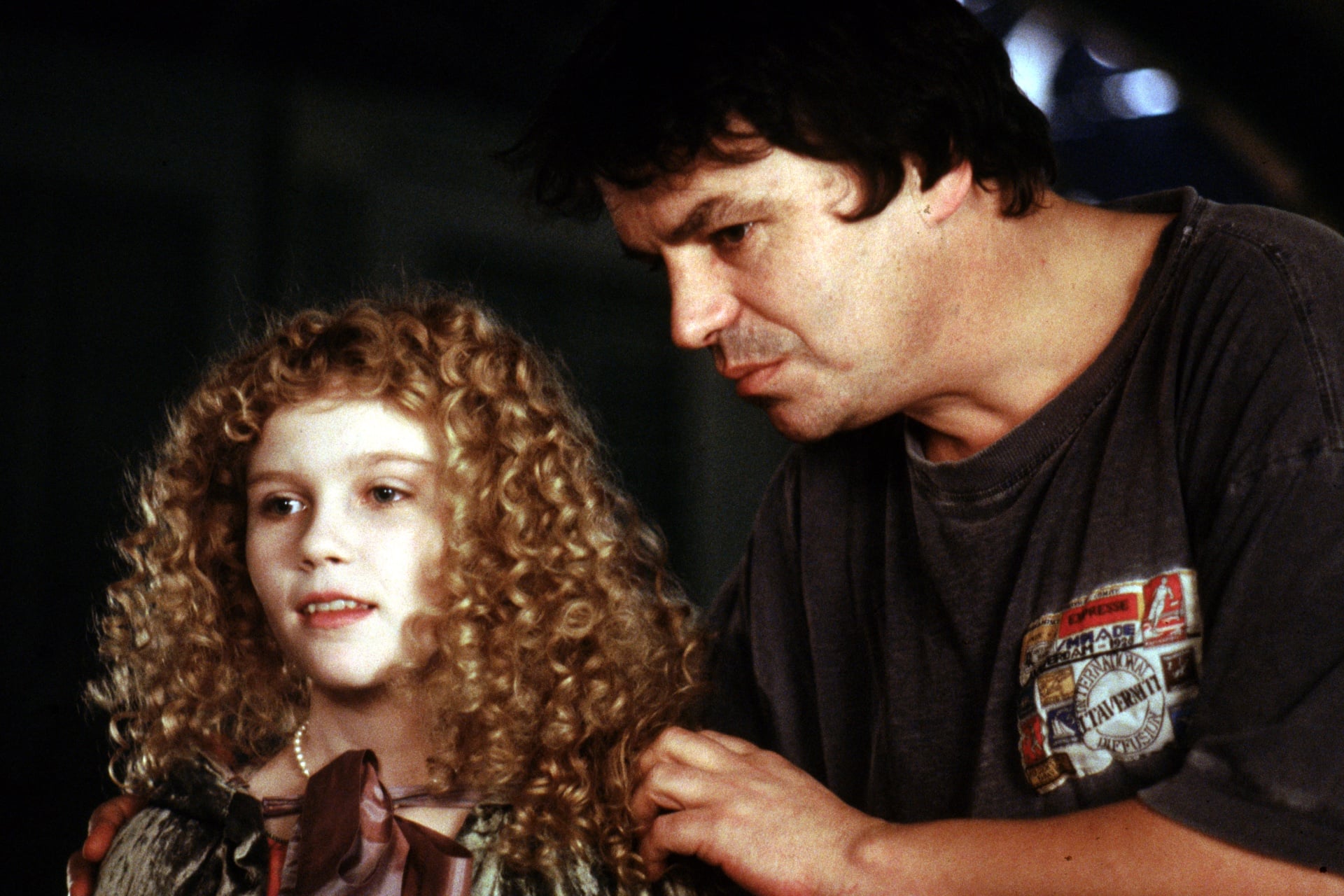
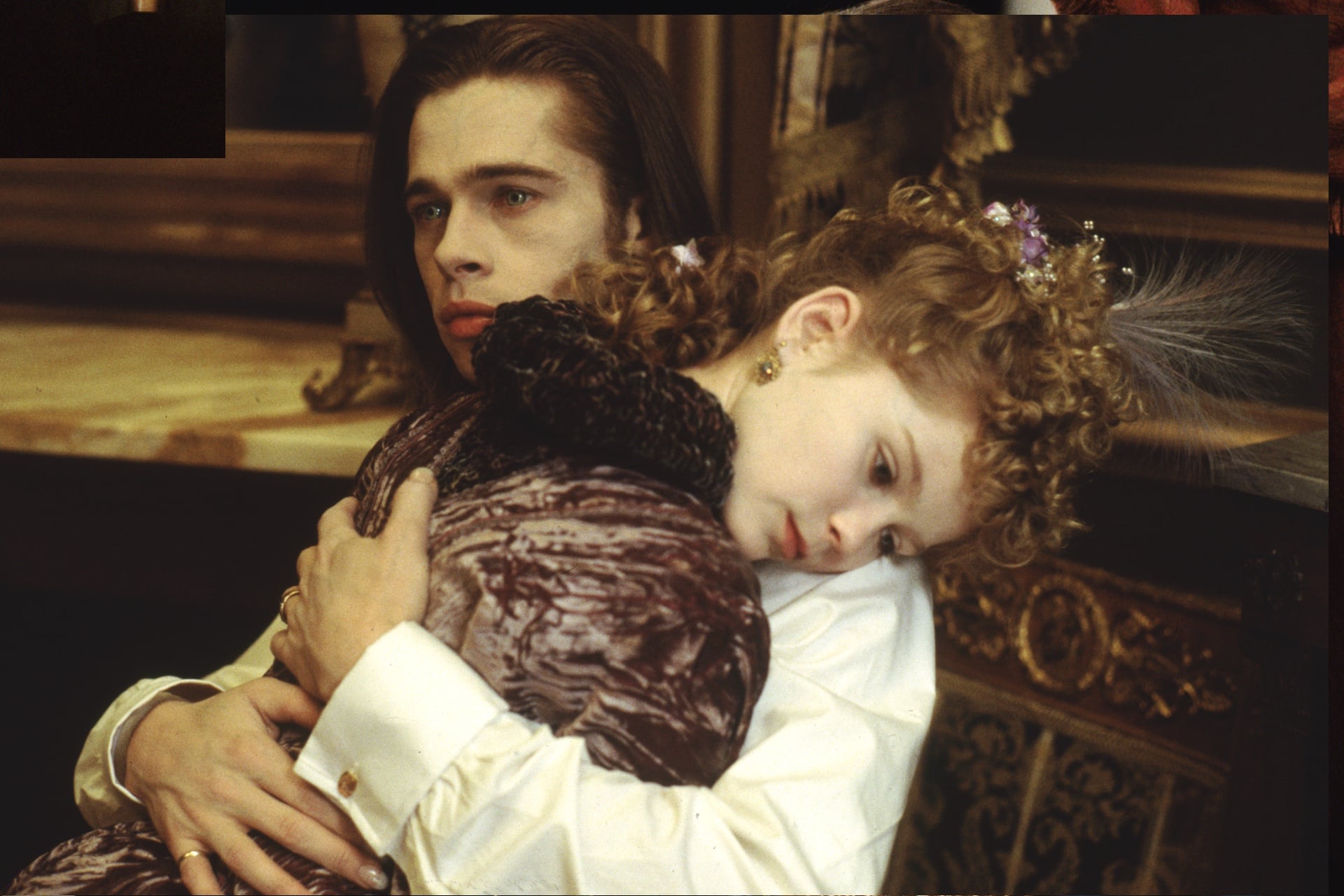
On the casting day, the room was quiet and a little cruel. Jordan told me he was nervous about casting a child—he’d seen how a single role can define a life. Then Kirsten Dunst read and the choice became obvious. Claudia is not just a plot engine; she’s the film’s moral detonator, an immortal child forcing adults into brutal self-knowledge.
I’ll say it plainly: Dunst’s Claudia is unforgettable because she holds vacuity and ferocity together. She is a music box that has been wound too tightly, playing a frozen lullaby until it shatters.
Why was Tom Cruise controversial as Lestat?
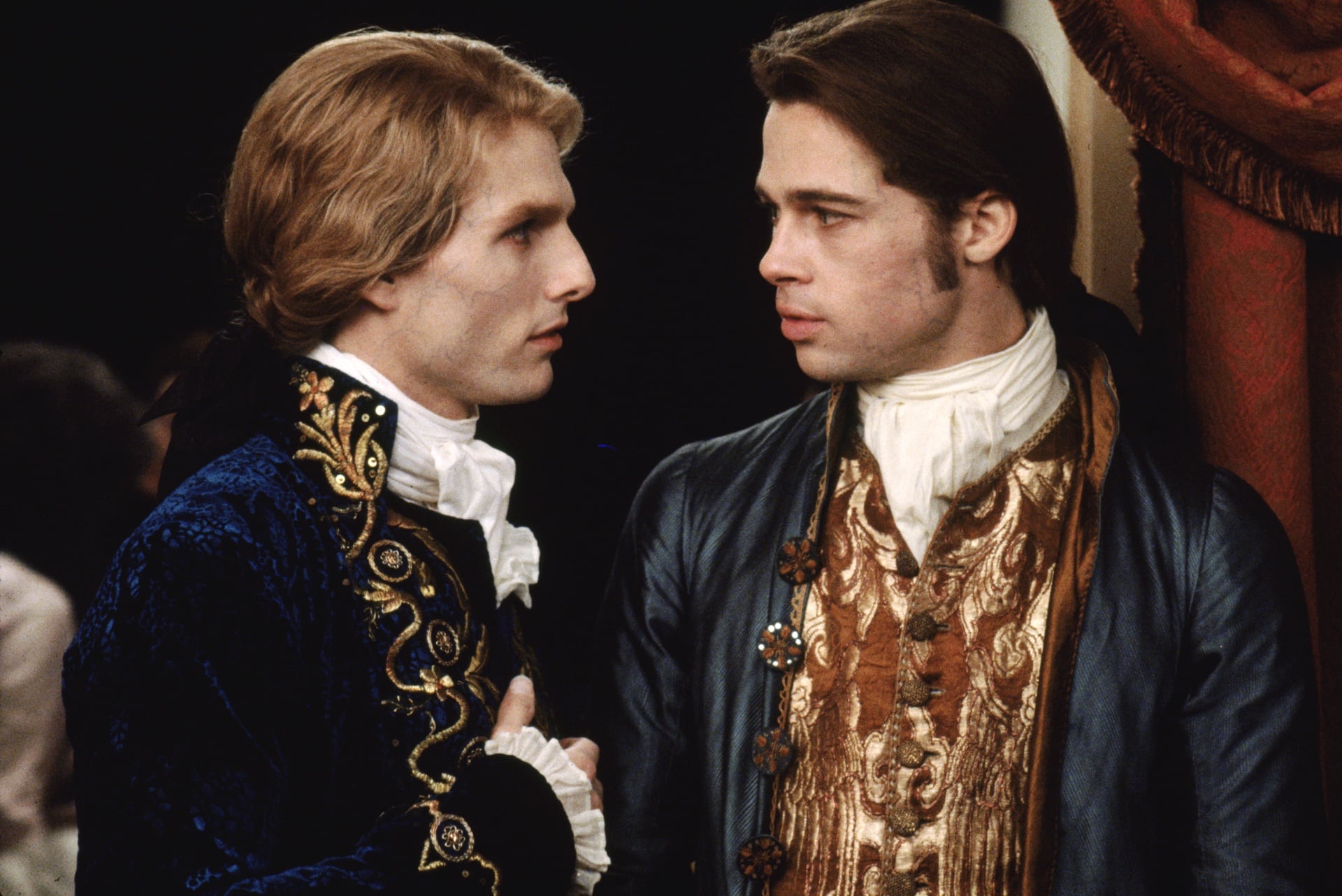
You remember the chatter: Anne Rice publicly questioned Cruise’s casting at first, then revised her view. Jordan found Cruise galvanizing—an actor who took the role and made it his, adding an edge the film needed. He was a public figure in a culture still sniffy about overt sexuality, yet on set he was committed and daring, challenging the audience’s assumptions about charm and menace.
The press screenings tasted of perfume and cigarette smoke — How queer subtext moved from page to screen
The 1990s had a different public tenor; yet Jordan says his film is as homoerotic as Rice’s book. He saw blood as metaphor for sex, and he translated that into sustained physical tension between Lestat and Louis. The TV series on AMC+ took broader liberties, making certain themes overt in ways Jordan didn’t. I’ve watched a handful of episodes; both versions are arguing with the book in their own languages.
Does the film address queer themes?
Yes. Jordan refused to sanitize the sexual charge at the story’s core. The studio didn’t cut him down, and he shot scenes that kept the book’s erotic undertow intact. Where the TV show stretches the theme into daylight, the movie keeps it nocturnal—an interior ache played through gestures, camera, and performance.
The decade smelled of neon and VHS — How the 1990s reshaped vampire cinema
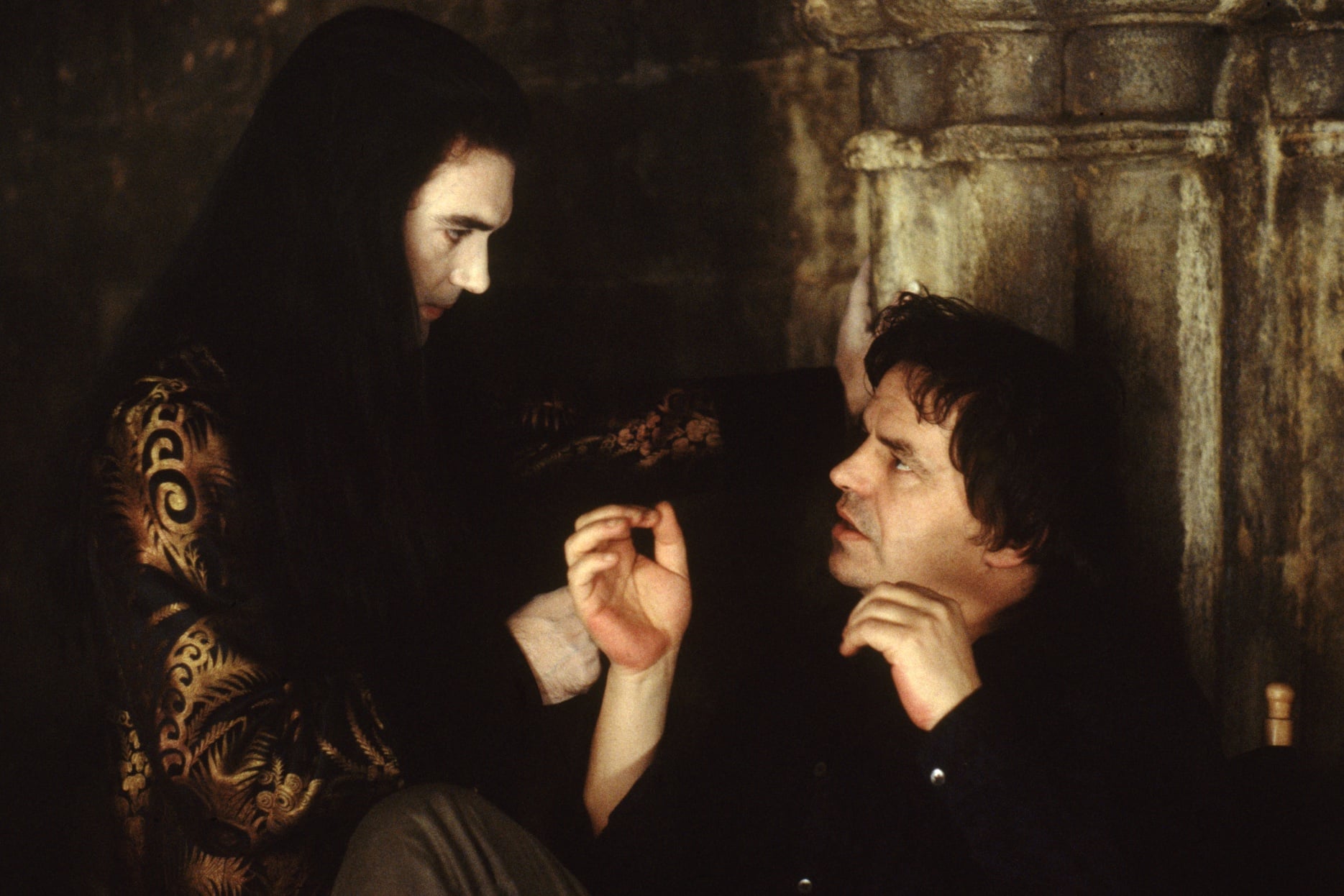
The ’90s gave us Coppola’s romantic baroque, Blade’s kinetic violence, and Jordan’s melancholic sweep. Anne Rice reopened the emotional palette for vampires—inviting romanticism into a figure that had long been monstrous. Jordan leaned into that, and his work now sits as part of a lineage from Max Schreck’s Nosferatu through Werner Herzog’s remake and forward to modern fare like Let the Right One In.
If you care about cinema as craft, you’ll want to watch the 4K to study choices: cinematography by Rousselot, Stan Winston’s effects, Warner Bros.’ restoration, and Jordan’s pacing.
I’m not here to tell you which version is definitive; I’m here to tell you which moments still sting. The toy shop scene with Claudia, the slow reveal of Lestat’s charm, the moments where Louis becomes less human and more accusation—all of those are intact, and sharper than they were.
If you value films that ask uncomfortable questions about love, possession, and the body, will Jordan’s movie still hold you in the dark or push you toward the light?