
The theater lights dropped and the credits crawled; the numbers updated on my phone like a live readout of a sudden storm. I felt a small, fast thrill—then a practical question: what just shifted for a franchise that’s been walking on borrowed horror? You need clear answers, so I’ll walk you through what the opening week really means.
I’ve been tracking box office moves for years; you’ll get the data, the context, and the blunt take on where this pushes Zach Cregger, Capcom, and the broader market for game-to-film adaptations.
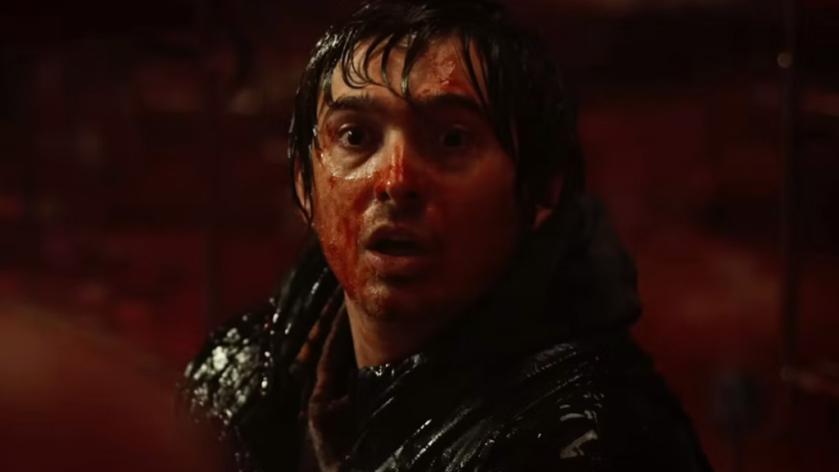
Theaters reported packed houses across major cities. Box office totals that read like a shock to the system
Deadline reports the film pulled between $53 million and $60 million in its opening days (about €49 million–€55 million, rounded). On Sept. 18 the domestic take was $26.3 million (≈€24 million)—a single-day haul almost equal to the domestic lifetime of Resident Evil: The Final Chapter. For Zach Cregger, this is seismic: his previous hit, Weapons, earned $43.5 million in its first three days (≈€40 million), and this new title surpassed that mark. The numbers hit like a hammer, and studios are already recalculating risk models.
How much did Zach Cregger’s Resident Evil make opening weekend?
Short answer: roughly $53M–$60M in opening days (€49M–€55M) per Deadline. Domestic single-day spikes—like the reported $26.3M on Sept. 18 (≈€24M)—are the kind of outsize figures Box Office Mojo and Comscore flag as category-defining.
Screens lit up with conversations and heated threads. Why critics and players are saying this adaptation feels different
I wrote the review that landed a 7/10: the movie chooses mechanics over exact plot beats—trying to recreate the feeling of playing a Resident Evil game instead of slavishly recreating its stories. That matters. You’ll see critics who praise the atmosphere, effects, and pacing; you’ll also read the same caveat I gave: the story is compressed, and the runtime limits fuller character work.
Is this the highest-grossing Resident Evil film?
Yes—by the early totals, this is the best-performing entry in the franchise’s film history. Given prior adaptations largely traded on name recognition without capturing the games’ tone, Cregger’s approach appears to have translated into both ticket sales and cultural chatter.
Industry execs are already refreshing spreadsheets. What this means for Capcom, Sony, and future adaptations
If you work in production or IP strategy, you’ll read this as a signal: faithful-feeling adaptations that prioritize player experience can be profitable. Capcom and Sony now have leverage—streaming deals, sequel budgets, merchandising—because the project both met and created demand. Expect Box Office Mojo, Comscore, and Deadline to be full of follow-ups, and keep an eye on Rotten Tomatoes and IMDb trends for how audience sentiment sustains box office legs.
Will this change how video games are adapted for film and TV?
Short-term: studios will greenlight more projects that emphasize audiovisual fidelity and mood. Long-term: I think you’ll see fewer literal retellings and more films that translate gameplay energy to cinema language. For creators and fans, that’s a different gamble—but one with a bigger payoff tonight.
Capcom’s reputation benefits from this success, Sony’s distribution muscle looks sharp, and Zach Cregger moves from promising director to a filmmaker who can sell a franchise-sized tentpole. Call it a turning point or a market correction, but the narrative shift is real and measurable.
So what happens next—do sequels double down on the approach, or does the franchise get re-scripted for broader audiences?