
I watched a conference room go silent when the subject turned to cancelling Sonic. Iizuka told me he fought inside Sega to keep the franchise alive. The 2020 film wasn’t just a hit — it became the lifeline that pulled Sonic back from the edge.
The boardroom numbers told a blunt story
At a meeting years ago, executives laid out the options in front of them. Sega’s internal discussions even included cancelling the franchise, Takashi Iizuka said in an interview with OneMoreGame. Iizuka had to fight to keep Sonic alive inside the company — a rare public admission that the blue mascot was not untouchable.
Did the Sonic movie save the franchise?
You can judge by outcomes: the 2020 Sonic the Hedgehog film turned critical skepticism into a box-office success, pulling in roughly $319 million (€296 million) worldwide. For Sega and Paramount, that revenue and renewed mainstream interest rewired the argument inside meetings — movies gave Sonic cultural momentum you can measure in tickets and streaming attention.
A pop-culture jolt reshaped product strategy
At retail and on social feeds, Sonic was suddenly trending again. After the first film’s success, Sega expanded its slate: 2D classics like Sonic Superstars and Sonic Origins, 3D experiments such as Sonic Frontiers, plus spin-offs like Sonic x Shadow: Generations and Sonic Racing: CrossWorlds in 2025. That breadth cleared room for different teams to pursue modern and classic lines in parallel.
Why did Sega consider cancelling Sonic?
Iizuka’s answer was procedural and personal: there were “good times” and “bad times,” and during the worst stretches higher-ups suggested pulling the plug. When sales and sentiment wobble, executives re-evaluate IP investment. The film changed that calculus by proving the brand could still reach beyond core gamers — and by bringing Paramount’s marketing and mainstream distribution muscle into play.
Actors and IP partnerships changed the optics
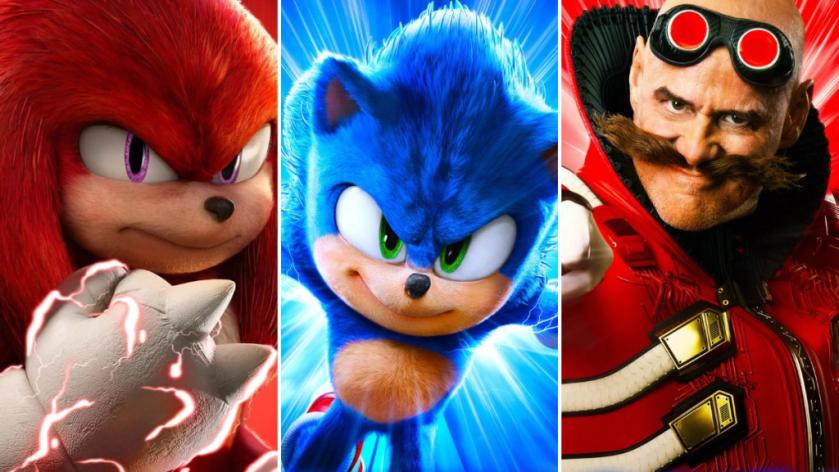
On social platforms and in press rooms, Jim Carrey’s performance shifted the conversation. Casting choices — Ben Schwartz as Sonic, Jim Carrey as Dr. Robotnik, James Marsden’s human lead — gave the property a familiar Hollywood frame. Carrey’s return for the fourth film, plus additions like Kristen Bell as Amy and Idris Elba as Knuckles, keep the franchise visible across moviegoing and fandom communities.
Will the movies affect future games?
Walk into any development studio and you’ll see the influence: character design, story beats, and cross-promotion are increasingly aligned with the films. Sega’s approach now balances “classic” 2D offerings for long-time fans with modern 3D entries that lean into cinematic presentation. The result is a product roadmap that looks safer to executives and more varied for players across Nintendo, PlayStation, Xbox, and PC storefronts like Steam.
The fanbase reaction was immediate and noisy
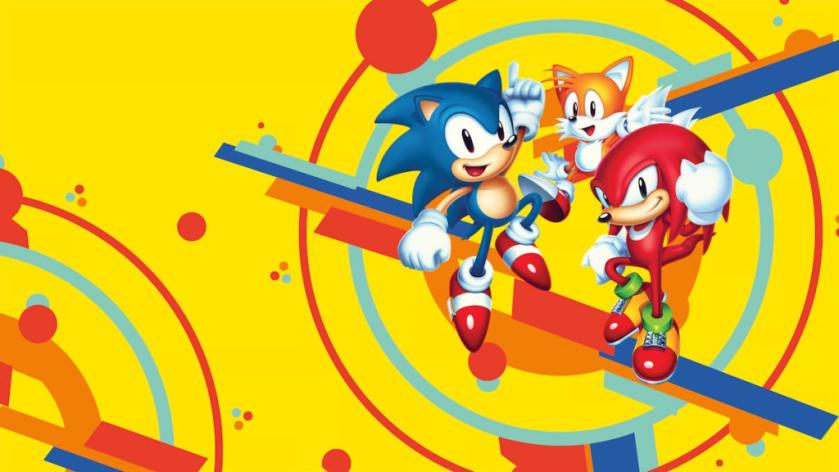
On forums, social posts, and reviews, fans argued about tone and style. Those conversations forced Sega to commit to both classic and modern directions — a two-track strategy that keeps newcomers engaged while honoring players who remember 1991. It’s a balancing act, and the franchise’s future was a tightrope that now has wider nets underneath thanks to film-driven revenues and awareness.
I’ll be watching how Sega and Paramount layer marketing, game updates, and theatrical releases across platforms and seasons — and you should expect more cross-media experiments from a franchise that nearly folded. Do you think the movies will keep shaping Sonic’s game design, or will the next mainline title decide the brand’s fate?