
The floor tilts. I flap my arms like a fool and land on a neon awning while a train screams somewhere below. You realize, in a single breath, that Manhattan is obeying different rules now.
I’ve chased every Fault through Remedy’s warped streets so you don’t have to fumble blind. I’ll point the routes that change how you move, where to press your luck, and which ones are strictly story beats—so your next run feels clever instead of costly.
Most players glance at the map and stop at the fast-travel dots. All Faults in CONTROL Resonant and how to find them
The Faults are what change the game from a corridor shooter into an urban playground. There are five main Faults across Resonant’s Manhattan, but only three give you traversal tools that reshape how you approach fights and exploration. Downtown’s Fault is handed to you in the intro; the Oldest House Fault is part of a story mission. That leaves three optional areas worth chasing: West Incursion Zone, Evacuation Zone, and the Underpass.
- The Downtown Fault (Downtown) — given during the intro
- The Incursion Fault (West Incursion Zone) — grants Shift (walk on walls)
- The Subway Fault (Evacuation Zone) — grants Reach (teleport to gravity pockets)
- The Underpass Fault (Underpass) — story-only; no ability
- The Final Fault (Oldest House, story mission) — story-only; no ability
Where are all the Faults in CONTROL Resonant?
You’ll find the Downtown Fault during the opening sequence; the Oldest House one appears as part of the mission The House in Distress. The three optional Faults are placed across Manhattan so exploration pays: West Incursion (parking garage north of the map), Evacuation (Railyard Street Station in the north), and the Underpass (an orange pipe island reachable after you have both traversal skills).
Which Faults give traversal abilities?
Only two Faults change how you move: the West Incursion grants Shift so you can walk on walls, and the Evacuation Fault grants Reach so you can be yanked through miniature gravity wells. The Underpass and Oldest House Faults are narratively important but don’t add movement mechanics. If you want to expand your map read—and your options in combat—prioritize the wall-walking and Reach Faults early in a run.
Real-world observation: parking garages are maze-like and full of blind corners. West Incursion Zone Fault location
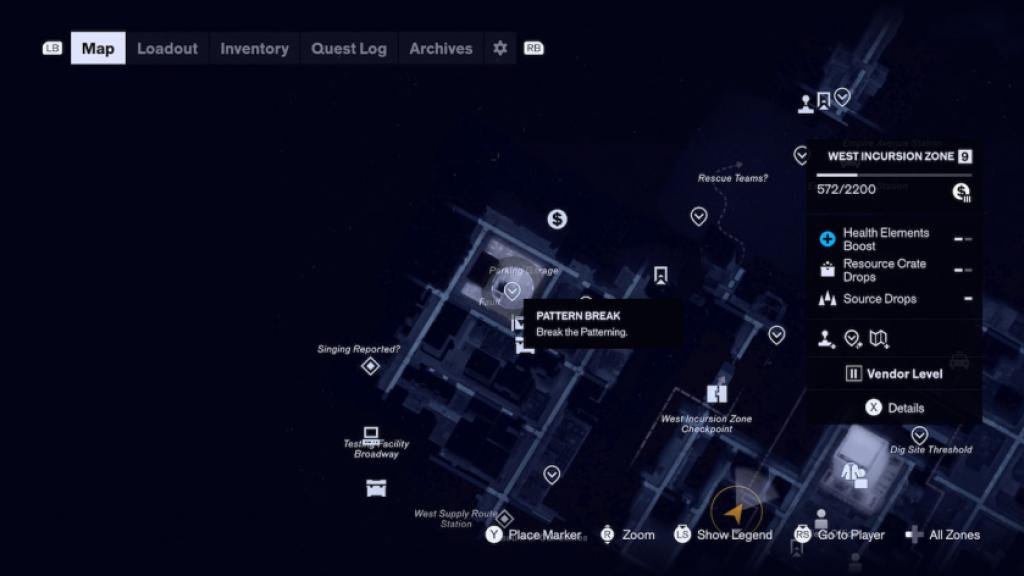
- Location: Parking Garage in the West Incursion Zone
- Ability: Shift (walk on walls)
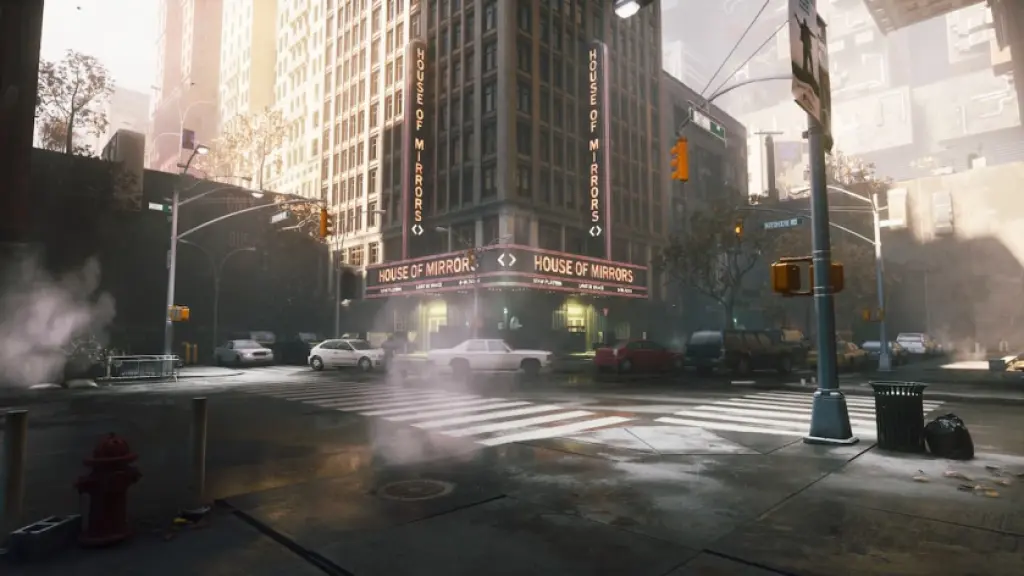
Get to the generator in the House of Mirrors and power the elevator on Patterned Street to reach the parking garage roof. You’ll need a key from a guard tucked inside a laundromat to the south; take the gravity-assisted ramp through cars to the bottom and the Fault rewards you with Shift. The new movement changes how fights feel—vertical flanks matter now, and the map opens in ways that feel intentional, almost conspiratorial.
The Shift Fault is like a subway switch: flick it and routes that felt blocked suddenly redirect you.
Real-world observation: construction sites are full of makeshift paths and dangerous gaps. Evacuation Zone Fault location
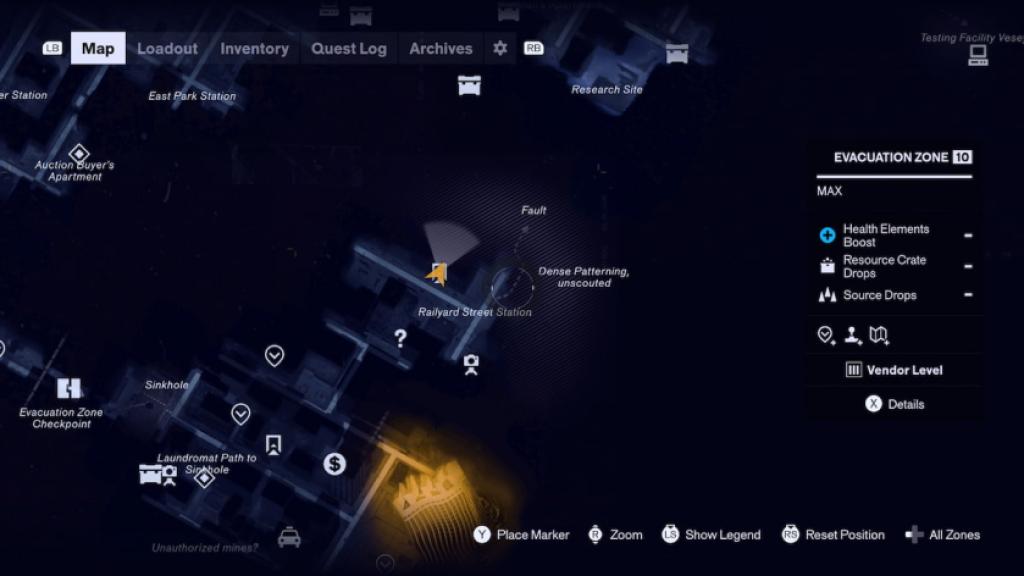
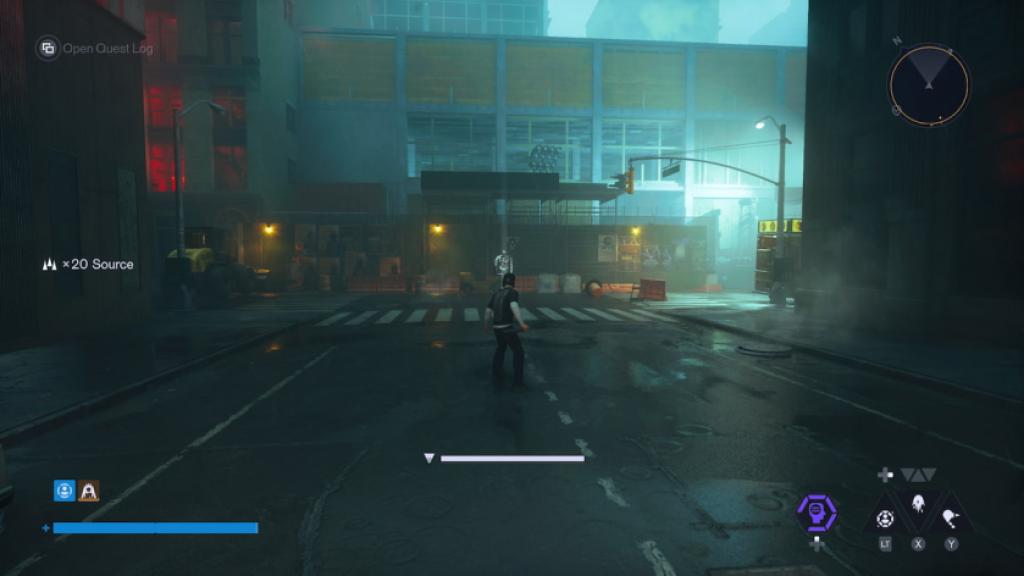
- Location: Railyard Street Station, north of the Evacuation Zone
- Ability: Reach (teleport to gravity pockets)
Head through the construction site north of the Main Street fast-travel door. You’ll come to Railyard Street Station; a vision of Jesse points the way. The Fault is long and hypnotic, and yes—trains will try to make you their problem. You can walk on the tracks once you have Shift, and Reach lets you latch onto black-hole pockets scattered around the map so you can close distance or skip hazards.
The path through this Fault makes the city fold like a paper map, revealing cut-throughs that look like cheats but feel earned.
Real-world observation: underpasses collect the detritus of hurried cities. Underpass Fault Location
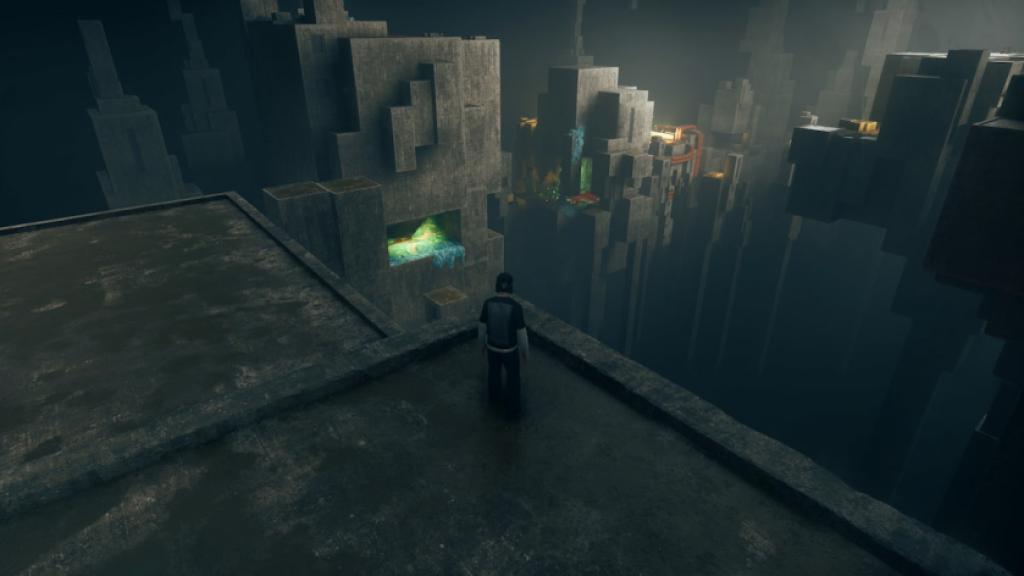
- Location: Orange pipe island in the Underpass
- Ability: None (story-only)
This one’s gated behind the other two traversal tools. From the research station, take the lower path with floating platforms; Reach covers most of the distance, and Shift finishes the job. It’s a story beat—listen to the dialogue between Dylan and Jesse. The moment is quieter than a combat arena but hits harder.
Real-world observation: some rooms in games are designed to make you pay attention. Oldest House Fault Location (Story mission)

- Location: Inside the Oldest House, reached during The House in Distress
- Ability: None (story mission)
This Fault is part of the main arc. If you’ve made it here, you’re well past the midpoint of the narrative and the stakes begin to tighten. I won’t spoil the beats—Remedy designs these encounters to land—but expect the plot to push you into different kinds of choices.
If you play on PS5, PS4, Xbox, or Steam, the traversal changes feel consistent across platforms; save-scumming and quick-travel behavior are the same whether you’re chasing achievements or speedruns. Moyens I/O’s screenshots give a good visual hint of each area if you prefer a map-first approach, and community threads on Reddit and Steam discuss alternative paths if you want a route tested by players.
So: take Shift first if you like creative movement and Reach if you hate long backtracking. Choose which Faults to claim based on how you want to move, fight, and collect upgrades—because missing one early can make exploration a grind rather than an adventure. Which Fault felt like a game-changer on your run, and how did it change the way you play?