
I remember standing in a crowded theater as the lights fell and a voiceover called out “Remedy”—the room went quiet the way a street does before rain. You probably have that moment with a game studio too, where a single reveal makes you reassess everything in your library. I’ll take you through every Remedy release and exactly how you can play each one.
What games has Remedy made?
I’ll give you the roster straight: from the original Death Rally and the Max Payne classics to Alan Wake, Quantum Break, CONTROL, and the new CONTROL Resonant, plus a few co-dev and spin projects. Below I list each title in reverse chronological order, where to find it, and a quick note on whether it’s worth your time.
Where can I play Remedy games?
If you buy on PC, Steam and the Epic Games Store are the two big gates; consoles mean PlayStation, Xbox, and occasionally Nintendo Switch. I point out exclusives and storefront quirks as we go, because platform choice still changes how your experience lands.
Max Payne 1 & 2 Remaster (Upcoming)
At Remedy’s roadmap reveal the remaster of the first two Max Payne games made older fans sit up and grin.

- Platforms: PC, PS5, Xbox Series X|S
These classics defined a generation with their noir script and bullet-time setpieces. Given Remedy’s recent form with CONTROL Resonant, expect faithful updates and modern polish rather than loose nostalgia cash-ins.
CONTROL Resonant (2026)
In review threads and livestreams, players still replay the moment Dylan faces a colossal Aberrant and a debate sparks—who really runs the FBC?

I called CONTROL Resonant “mind-bendingly magnificent” because it tightens narrative screws while letting you play fast and strange. Combat is confident, story beats land, and Dylan’s arc pulls you through like a needle through fabric—clean and unrelenting.
If you follow sales, Steam and Epic both host the PC edition; console owners will find it on PS5 and Xbox Series X|S. Critics gave it high marks, and players still debate how it rewrites earlier FBC lore.
FBC: Firebreak (2025)
I watched the matchmaking for this one shrink from busy to quiet over a few months.
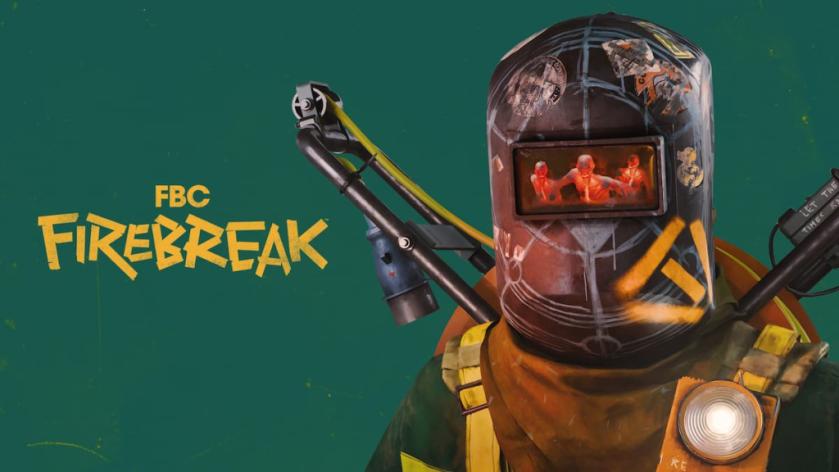
Three-player co-op in the CONTROL setting didn’t catch on the way Remedy hoped. Reviewers called its gameplay serviceable but repetitive, and that lack of variety hurt retention.
The studio lowered the permanent price to US$19.99 (€18) with the final update in 2026 to bring new players in; if you want more FBC action for a modest outlay, it’s worth checking on sale.
Alan Wake 2 (2023)
At fan forums and subreddits, the sequel’s release ended a long, patient conversation that began after the first game.

- Platforms: PC (Epic), PlayStation 5, Xbox Series X|S
Thirteen years between mainline entries left expectations high; Remedy answered with a tense, layered horror that expanded the world and rewarded patient players. Note the PC exclusivity: Alan Wake 2 remains tied to the Epic Games Store on PC, which still sparks debate about whether Steam would bring it a larger audience.
CrossfireX (2022, co-developed with Smilegate)
I visited the singleplayer campaign launch and found a quiet contrast: a solid campaign folded into a struggling live service.

- Platforms: Xbox
Remedy handled the singleplayer portion but the wider game shut down on May 18, 2023 after failing to find a persistent audience. The campaign stands as an odd footnote in Remedy’s catalog—competent, but without the follow-through fans expect from the studio.
CONTROL (2019)
I still hear players describe their first elevator ride into the Oldest House with the same hush they use for a good ghost story.

- Platform: PC (Steam, Epic), PlayStation 5, PlayStation 4, Xbox Series X | S, Xbox One, Nintendo Switch
CONTROL made its name with sharp writing, memorable characters, and combat that balanced powers and firearms with satisfying weight. It’s the studio’s best example of twisting a high-concept idea into play that rewards curiosity and persistence.
Quantum Break (2016)
Trailers and TV tie-ins put Quantum Break in a different light during launch week.
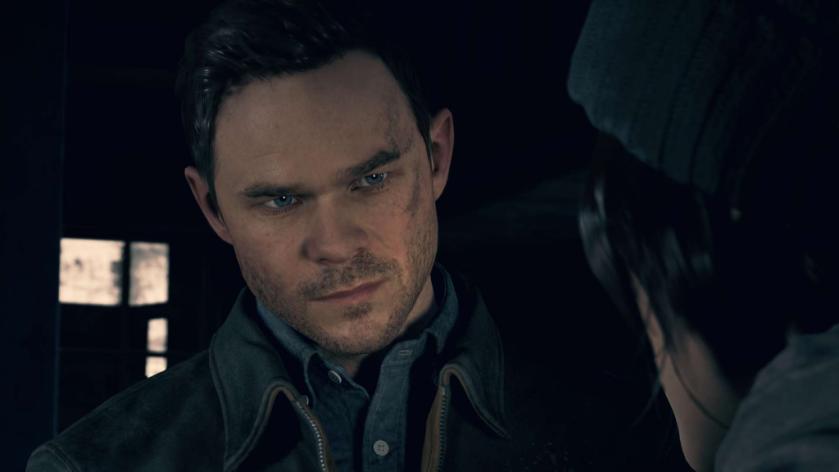
- Platforms: PC (Steam), Xbox One
This one mixes time-bending mechanics with episodic live-action sequences and a recognizable cast—Dominic Monaghan and Shawn Ashmore among them. It’s often discounted heavily on Steam, so you can usually pick it up for a fraction of launch price if you’re curious about Remedy’s experiments with cinematic interactivity.
Alan Wake and Alan Wake’s American Nightmare (2010/2012)
People still trade favorite chapters from the first Alan Wake like paperback horror stories at a yard sale.

- Platforms: PC (Steam), Xbox 360
- Remastered Platforms: PC (Epic), PlayStation 4, PlayStation 5, Xbox One, Xbox Series X|S, Nintendo Switch
The first game mixes Stephen King–style small-town dread with a sharp thriller about a writer losing control of his own pages. A 2021 remaster widened access on consoles and made PC availability exclusive to Epic for that edition.
American Nightmare is a pulpy side story with more arcade pacing; fans treat it as a bloodier, faster footnote to the main saga.
Max Payne 2: The Fall of Max Payne (2003)
Old magazines and fan art still recirculate images of Max and Mona late into the night.
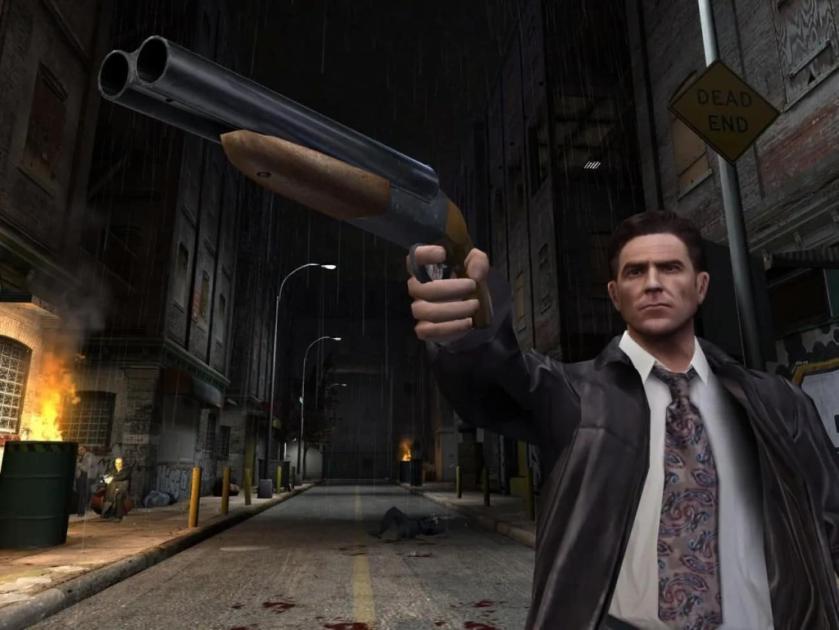
- Platforms: PC, Xbox, PS2
This is the last Remedy-led chapter in Max’s saga; Rockstar handled the third game. Its noir script and tighter shooting still make it worth a replay if you appreciate the genre’s melodrama and pacing.
Max Payne (2001)
I’ve seen groups of players compare beloved levels from the PS2 era like collectors trading rare cards.

- Platforms: PC, PS2, Xbox, Game Boy Advance, iOS
The original made bullet-time a household phrase and launched Remedy into wider recognition. Sam Lake’s likeness on Max is an odd artifact of that era, and veterans still smile at the script’s noir flourishes.
Death Rally (1996)
Old-school players still cite Death Rally as the fastest way to a chaotic, good time in pixel racing.
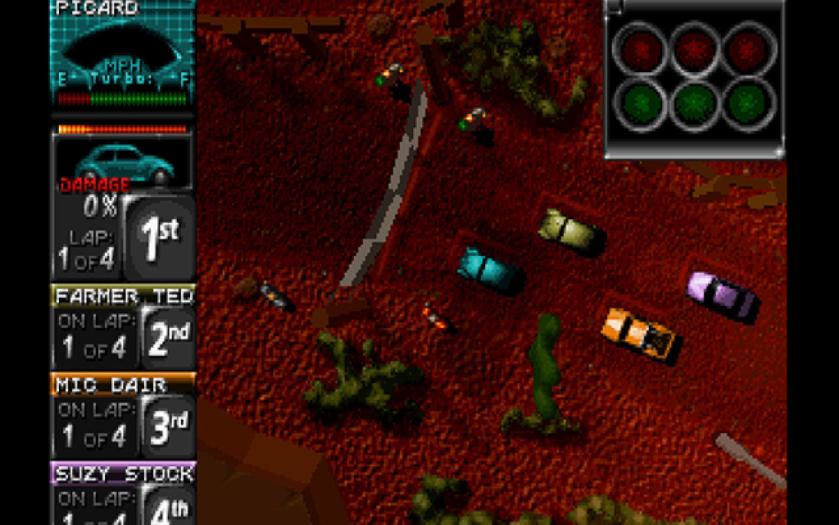
- Platforms: PC (Steam), iOS
The 1996 original is available free on Steam as Death Rally Classic. The 2012 remake usually lists for US$9.99 (€9) but hits deep discounts frequently—so if you want arcade mayhem on the cheap, this is a safe bet.
Remedy’s catalog reads like a studio trying new genres while keeping a certain narrative DNA: moral ambiguity, tight combat, and scenes that make players argue. I’ve shown where each title lives and why it matters—now tell me which game shaped your sense of what a story-driven shooter should be?