
I sat in a dark room, Steam Deck warm against my palms, as the hallway looped again and the radio hissed a welcome I hadn’t heard in a decade. You probably remember that chill — the first time the lights flicker and your stomach drops. For me, the eeriest part was realizing a long-dead demo had found a pulse.
I’ve played the new PC port ahead of release. I’ll tell you how it works, why it matters, and what this resurrection means for horror fans and Kojima-watchers alike.
The living room TV always had a hum: “Don’t touch that dial now, we’re just getting started.”
Back in August 2014, Hideo Kojima dropped a trick: P.T., a “Playable Teaser” for what would have been Silent Hills. You and I felt it the same way — elation that Kojima, Guillermo del Toro, and Norman Reedus were somehow conspiring to remake a nightmare. Then politics stepped on the scene.
Konami canceled Silent Hills, then scrubbed P.T. from the PlayStation Store during the Kojima/Konami split. If you’d deleted the demo, it was gone for good and even barred from PS4-to-PS5 transfers. The scarcity fed a legend: a tiny game with monstrous influence that inspired Resident Evil 7 and countless indie titles.
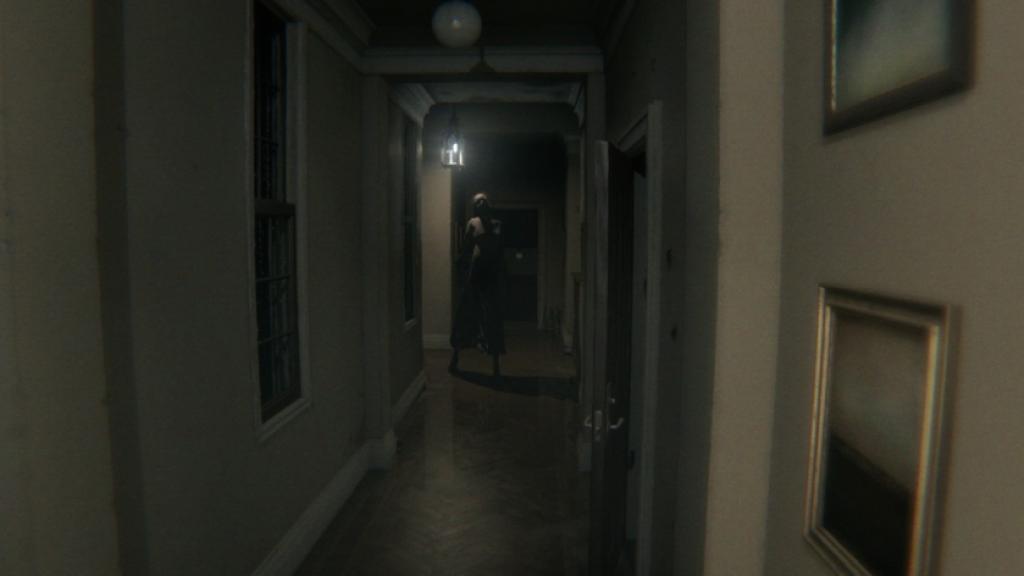
The coffee table always collected game boxes: “You’ve been chosen”
Lorean Xavier, working solo, has reverse-engineered Kojima Productions’ Fox Engine into C++ and produced a native Windows port that runs the original game content — no PS4 emulator required. It’s free and open-source (MIT), so you can grab the code without spending a cent (0 USD / €0).
This is not an imitation stitched together from clips. The port runs the same Lua scripts, loops, events and the original ending puzzle. It adds modern PC features — DLSS, FSR, XeSS, ray tracing, photo mode, speedrun timer, Game+, mods and experimental VR — while preserving the original menus and atmosphere. In my hands, on a Steam Deck, the port felt seamless: buttons mapped correctly, the aesthetic stayed intact, and performance held steady.
Can you play P.T. on PC?
Yes. This port runs natively on Windows, and community builds target Linux and Steam Deck as well. Xavier’s work means the original corridor, audio cues and scripted scares are all present. If you play on Steam Deck, the game recognizes controller layouts and maps “X” to the familiar action button so muscle memory still matters.
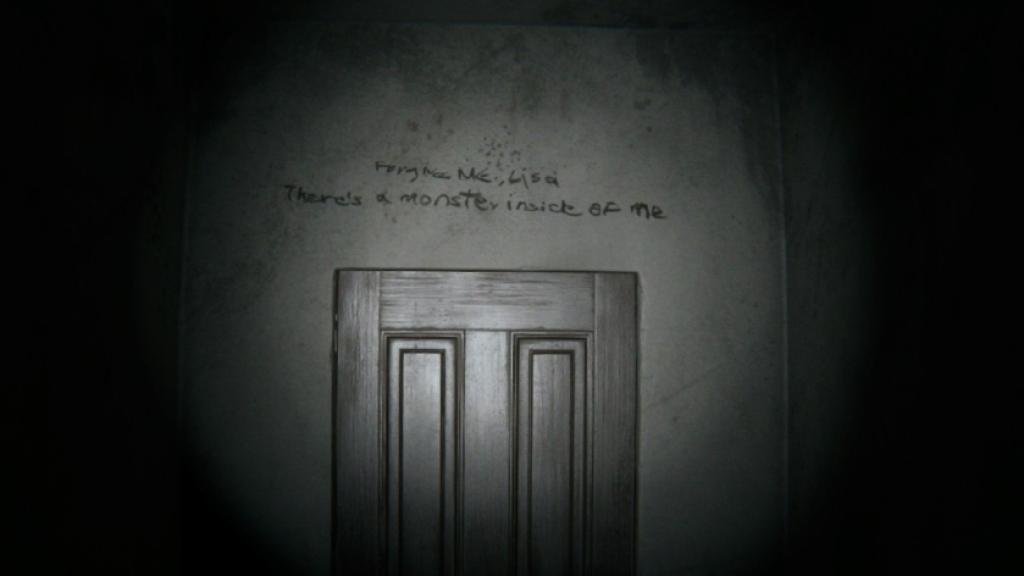
The hallway light above the stairs always blinked first: “I saw me walking in front of myself. But it wasn’t really me”
Playability is the easy part; the design is what mattered. P.T. is almost aggressively simple: one looping corridor, no combat, minimal interaction. That constraint is its power. By restricting mechanics, the game focuses on atmosphere, timing and the slow accumulation of dread — a masterclass in tension where every creak counts.
Replay the demo and you’ll feel it: the puzzles are subtle, the scares surgical. This small structure is why P.T. still stands beside modern horror titles. It’s like a ghost key turning a long-locked door, and like a carefully stitched film reel coming back to life.
Why was P.T. removed from the PlayStation Store?
After Konami and Kojima split, Konami canceled Silent Hills and pulled P.T. from sale. Legal and corporate decisions made re-distribution impossible through official channels. That removal created scarcity, which fed fan recreations built in Unity and Unreal Engine, none of which perfectly matched the original because the engine and scripts were unique to Kojima’s Fox Engine.
Those fan projects were instructive but incomplete. Xavier’s port recreates the original execution and, crucially, runs the original scripts — that’s why this feels like the real thing and not a museum replica.
This release will expand the conversation about game preservation, modding, and authorship. Kojima himself reshared coverage of the port on X, signaling his interest or at least amusement. Developers have tools like Steam, Proton, and community platforms that make projects like this visible and playable across platforms, which changes how we treat games that vanish from storefronts.
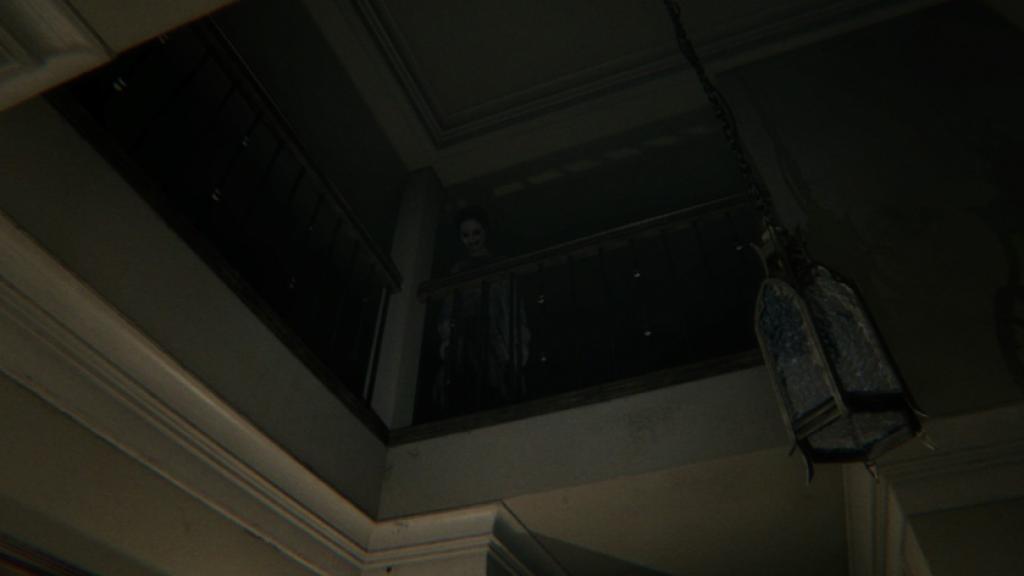
If you want to play this season’s most talked-about scare, the barriers have fallen. The port preserves the original, adds modern options for higher fidelity and speedrunners, and opens the door for mods and VR experiments. For fans who never lost their save file, the experience will be familiar; for newcomers, it will feel like finding a sealed letter from a ghost.
Will this change how publishers treat lost games, or is it an isolated, heroic repair job that only fans and preservationists will celebrate?