
I was two minutes from the mission checkpoint when the HUD went quiet and my Titan stopped answering. You remember that cold pause — the one that turns a routine run into a test of trust between player and machine. I sat there, hands on the controller, and realized how tightly Titanfall 2 had been built to make that silence mean something.
I’ve played Respawn’s shooter enough to know where it earns its praise, and I’ll tell you what matters without the filler. You want to feel like what the story says you are: a soldier who can sprint on walls, dive into a mech, and still mean something when the frame goes quiet. That’s what this game gives you.
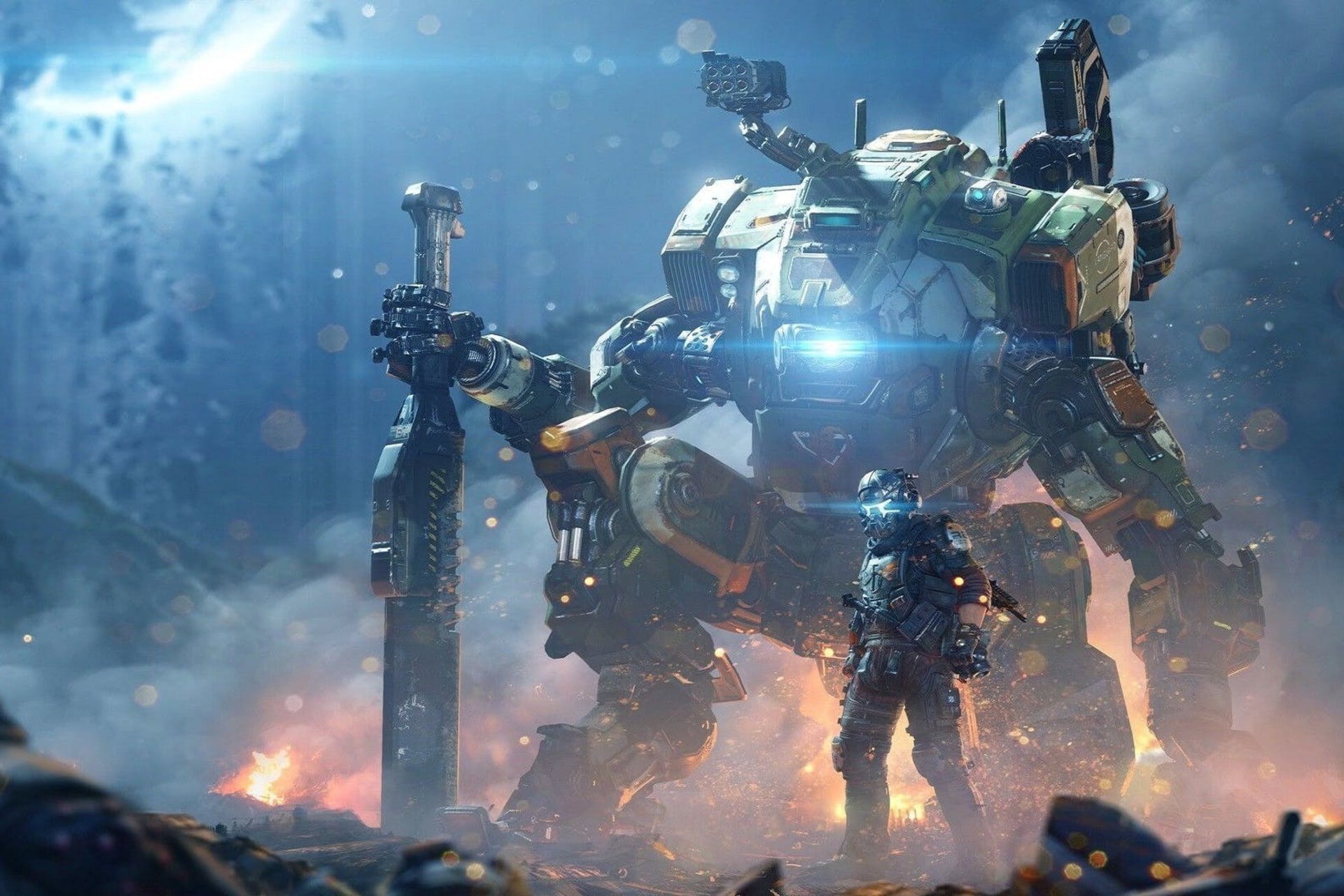
On a crowded October shelf, Titanfall 2 sat between two giant franchises.
That release calendar killed its opening week. EA released Titanfall 2 on October 28, 2016, priced at $59.99 (€56), and it landed between Battlefield 1 and Call of Duty: Infinite Warfare. Sales were muted at launch even as critics and players kept insisting the campaign was rare for a shooter.
What matters here isn’t just timing — it’s what happened afterward. Press outlets from Kotaku to Vice highlighted the campaign, and analyst notes (and archived VentureBeat reports) showed the title earning a long tail of attention. Respawn didn’t get a big-series sequel right away; instead, the studio fed the universe into Apex Legends, a free-to-play battle royale that kept the world alive and introduced millions to Respawn’s ideas.
On the floor of a design meeting, a team argued over tone and restraint.
The result is a campaign that refuses to be louder than it needs to be. Titanfall 2 is a coiled spring — it stores motion, then releases it with satisfying force. That economy shows in Jack Cooper and BT-7274’s relationship: they are tools for one another and, yes, friends when the mission requires it.
I’ve watched players laugh at BT’s radio responses and then get quiet during a walk through an IMC facility; those small tonal shifts are deliberate. Respawn gave the single-player mode space to teach the multiplayer habits — wall-running, sliding, and entering a Titan were practice and payoff at once. Movement mechanics aren’t just fun; they’re the message.
Is Titanfall 2’s campaign worth playing?
Short answer: yes, if you want a single-player shooter that respects your time and your skill. The campaign’s pacing makes practice feel meaningful — core mechanics appear in small lessons, then reappear in set pieces that ask you to use them creatively. “Effect and Cause,” the mid-game mission where you warp between two times, works because it forces you to think in the systems the game has been teaching you.
Players still share clips of that mission on YouTube and thread commentary on Reddit and GitHub projects have even produced a VR mod that gives the campaign a fresh angle. If you’re buying on sale — which happens often — you’re paying pennies compared with the long-term play value.
At a studio desk, someone sketched a puzzle that became a mission.
Respawn mixed genres and learned fast. The team treated a shooter’s linear campaign as a laboratory, borrowing puzzle logic to make “Effect and Cause” feel like a mini-genre experiment. The development process — as discussed in behind-the-scenes videos — was messy, but the payoff was a moment players still name years later.
That approach informed later Respawn work on the Star Wars Jedi series, which borrowed from Soulslikes and Metroidvania design. You can trace a design lineage: lessons learned in Titanfall 2’s small-scale experiments became bigger bets in later titles.
Will there be a Titanfall 3?
Short answer: unlikely in the near term. Respawn’s focus has split between Apex Legends and the third Star Wars Jedi game. Rumors — and even a canceled single-player project codenamed Titanfall Legends — suggest interest existed, but corporate realities at EA and team priorities shifted development away.
That doesn’t kill fan momentum. Community mods, persistent streaming on Twitch, and continued press affection keep Titanfall 2 alive in conversation. If Respawn ever decides to circle back, there will already be a fan base reminding the studio why this campaign mattered.
On a weekend stream, I tried the VR mod and felt the game again.
The experience was proof that design endures. Its campaign is a pocketknife — small, useful, and full of tools you keep reaching for. The mod didn’t change the bones; it changed perspective, and that was enough to make the old mission feel new.
If you care about single-player moments that teach how to play instead of telling you how to feel, this game still ranks high among big-budget campaigns. Critics praised it; players preserved it; and while sequels stalled, the original keeps gaining new life through sales, streams, and hobbyist work on platforms like GitHub.
Want more Movies & TV news? Check out the best movies and TV shows to stream this month and all the upcoming sci-fi, fantasy, and horror books that should be on your radar.
So I’ll ask you: if a single campaign can live on through community effort and small, brilliant design choices, what does that say about where big-budget shooters should put their bets next?