
I picked up a boxed PC game the other day and felt a short, sharp shock — not nostalgia, but recognition that something valuable had slipped away. You remember the heft of a manual, the sticker on the case, the act of opening a package and feeling like you owned something. I want to tell you why GOG’s little crusade matters, and why it will be hard.
GOG — the DRM-free shop that quietly refuses to treat ownership as a subscription — has a public wish: bring physical PC discs back. Marcin Paczynski, GOG’s senior business manager, called it his “dream”: pick a game on your GOG shelf, order a physical copy, and get a boxed disc on your doorstep. That simplicity is magnetic.
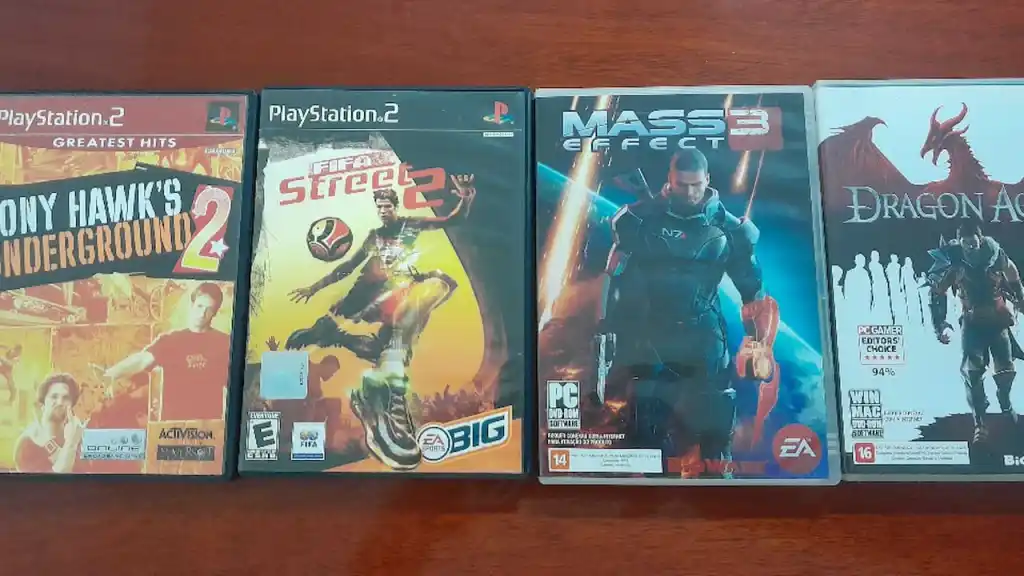
On my shelf a few boxed titles still sit. The why is both practical and emotional.
GOG’s pitch is simple: pair a DRM-free digital license with an optional physical collectible. You’d get the convenience of a download and the permanence of a boxed copy you can store or display. For people who care about ownership — and for anyone wary of a publisher pulling a title from a storefront — that permanence matters.
GOG’s position is rare. Steam, despite its complexities, set a high bar for digital distribution and ownership expectations. Many PC gamers no longer keep disc drives, but they still crave control over their libraries. GOG’s proposal reads like a lighthouse in a fog: a signal that ownership can mean more than a line in an account.
Can physical PC games make a comeback?
Yes, but not at scale overnight. Collector editions and boxed releases exist today because they target a motivated niche. Scaling that to a broad, on-demand physical service requires manufacturing, warehousing, and fulfillment at a profit — and those are expensive. Marcin Paczynski didn’t shy away from that: this would be “very, very complicated” and “totally different” from GOG’s current model.
Boxes have cost and movement behind them. The math is blunt.
Retailers historically took roughly a 30% cut of physical game sales. That’s real money. Publishers balance that against production costs — printing discs, cases, manuals, shipping — and the result was the industry moving toward digital. Sony’s first-party titles still saw about 30% of sales in physical form, showing demand exists, but manufacturing and retail margins make widespread physical distribution expensive.
On top of production are licensing headaches. Each publisher has to approve a run. Rights for older titles can be tangled. Then there’s storage: crates of inventory, returns, and quality control. Turning a digital SKU into a box that arrives in the mail is less a technical feat and more a logistics puzzle.
The economics matter: imagine selling a modern AAA game at $60 (€55) and factoring in manufacturing and fulfillment — margins thin fast. For GOG to make boxes available on demand, someone has to pay for that complexity or accept smaller profits.
Why did physical PC games disappear?
They vanished because it made financial sense for publishers and retailers. Faster internet and cheap SSDs made downloads painless. Digital storefronts cut out physical distribution costs and the middlemen. For many publishers, removing a box and a disc is simple accounting; for collectors, it felt like theft.
You can picture a simple buy-flow. The reality behind it is dense and familiar.
Imagine clicking “order” next to a GOG shelf entry and a box arriving a week later. It’s an appealing UX, and GOG has a unique advantage: DRM-free sales mean a physical disc is truly collectible — it’s not a token that can be revoked. But delivering that experience means negotiating manufacturing lines, publisher approvals, regional licensing, and global shipping networks. That is why GOG calls the plan complicated.
If GOG succeeds, the product could sit between eras: the convenience of digital and the cultural value of physical media. For collectors, a disc is a relic and a hedge. For publishers, it’s another channel. For you, it’s a choice — and choices create competition for how games are sold.
I’m rooting for GOG because ownership matters, and because the market should offer more than one path forward. But hopes don’t print boxes; factories, contracts, and logistics do. If you want discs back on your shelf, are you ready to pay for the privilege or to fight for it with your wallet?