
I walked into the story as if stepping into a still frame: developers tapping keys, concept art pinned to walls, and one quiet fear moving between desks. You can feel the dissonance — a studio shipping games isn’t supposed to be bargaining for survival. I tell you this because the people who make those games are now calling the roof down on their own work.
The union at Arkane Lyon — Le Syndicat des Travailleureuses du Jeu Vidéo — released a blistering letter accusing Microsoft of edging the studio toward closure “because, and only because, Microsoft decided to, even if that means sabotaging the game it funded.” That sentence hangs heavy: development on Marvel’s Blade is “going fine,” the union insists, but corporate moves may render the project moot.
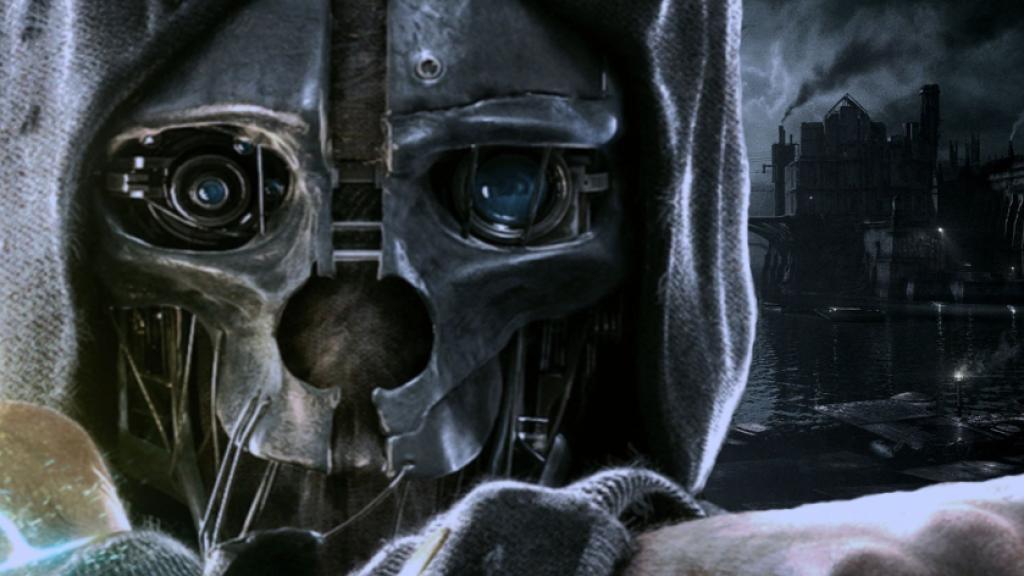
There are still people at their desks — and yet a sale or closure hangs over them like a deadline
The union accuses Microsoft of a pattern: freeze hiring for 19 months, let development slow and costs creep up, then point to those same delays and costs as justification for closure. You hear this and realize the logic is cyclical and self-referential: the cause becomes the excuse.
Bloomberg reports that Ubisoft and two unnamed bidders have entered the room to buy Arkane. That matters because Arkane isn’t some struggling indie — studios like this built hits such as Dishonored and Prey. The union is blunt: Arkane is profitable, “just not profitable enough for Microsoft.”
This is not just corporate shorthand. The union frames the situation as a human calculus: lives, projects, and careers turned into line items for short-term profit optimization. You can sense how morale fractures when an owner treats its teams like cost centers.
Is Arkane Studios closing?
Not yet — but the risk is real. If Microsoft can’t find a buyer that satisfies its internal criteria, the studio could close. The union warns that this closure would be driven more by a profit chase than by true financial necessity, and that shutting Arkane may actually cost more than finishing the game.
The whiteboards still show “Blade” in a corner — and that makes the threat feel personal
When a project sits on a board unannounced for years, rumors start to look like plans. Marvel’s Blade was revealed almost three years ago and has since fallen quiet publicly. Internally, work reportedly continues. Externally, Microsoft’s “reset” and sale attempts leave the project exposed.
The union explicitly accuses Microsoft of creating the conditions for failure: hiring freezes that caused delays, delays that caused extra costs, and then using those costs as justification for closure. It reads like a playbook for shedding risk without absorbing responsibility.
I want you to imagine two things at once: a studio that still functions, and a corporate strategy that can end it. The mismatch feels like a ship being scuttled while its crew rows.
Will Marvel’s Blade be canceled?
It’s possible. The union compares the scenario to EA’s recent closure of BioWare’s project, where a high-profile universe was cut before it reached players. If buyers don’t meet Microsoft’s valuation or if the company chooses not to complete the game, Blade could be shelved.
The union argues that cancellation would be perverse economically — they say closing Arkane “would probably be more expensive than finishing the game.” Their demands reflect that belief: employee input on buyer selection, a protection fund matching PSE compensation, a redundancy payment of 200,000€ per employee, two years of redeployment support funded by Microsoft, shared resources for training and studio creation, and compensation for independent contractors whose contracts are breached.
Quarterly reports and earnings calls are full of numbers — and those numbers can erase people
You can follow the pattern across tech and games: cost-cutting, voluntary buyouts, and studio sales. Microsoft has executed thousands of layoffs and offered widespread buyouts in recent cycles as it “optimizes” operations. The union calls this a brutal application of continuous profit-seeking.
For context, the companies involved are familiar: Microsoft (Xbox Game Studios owner), potential buyer Ubisoft, reporters at Bloomberg tracking bids, and industry examples like EA and BioWare. Tools and platforms such as LinkedIn and Glassdoor often become the next stop for laid-off devs; publisher M&A teams and investment bankers run the auctions.
The union frames this as an ethical question as much as a financial one: if a profitable studio is sacrificed to hit a target, what does that say about ownership of creative labor?
Why would Microsoft sell Arkane?
Strategically, Microsoft may be pruning assets that don’t align with short-term financial thresholds or long-term platform strategy. A buyer like Ubisoft would bring scale and IP experience, but Microsoft appears to be setting a bar that even profitable studios find hard to clear after imposed slowdowns. The union alleges the bar was raised by Microsoft’s own prior decisions.
The story now sits at a crossroads: teams still making a game, a union documenting demands and grievances, and bidders circling. You can see the headlines feeding each other — corporate statements, union calls for compensation, and the very real risk that a beloved studio could close.
What would you want to see happen next: Microsoft finish the game, sell to a buyer that safeguards staff, or accept a payout that truly reflects the human cost?