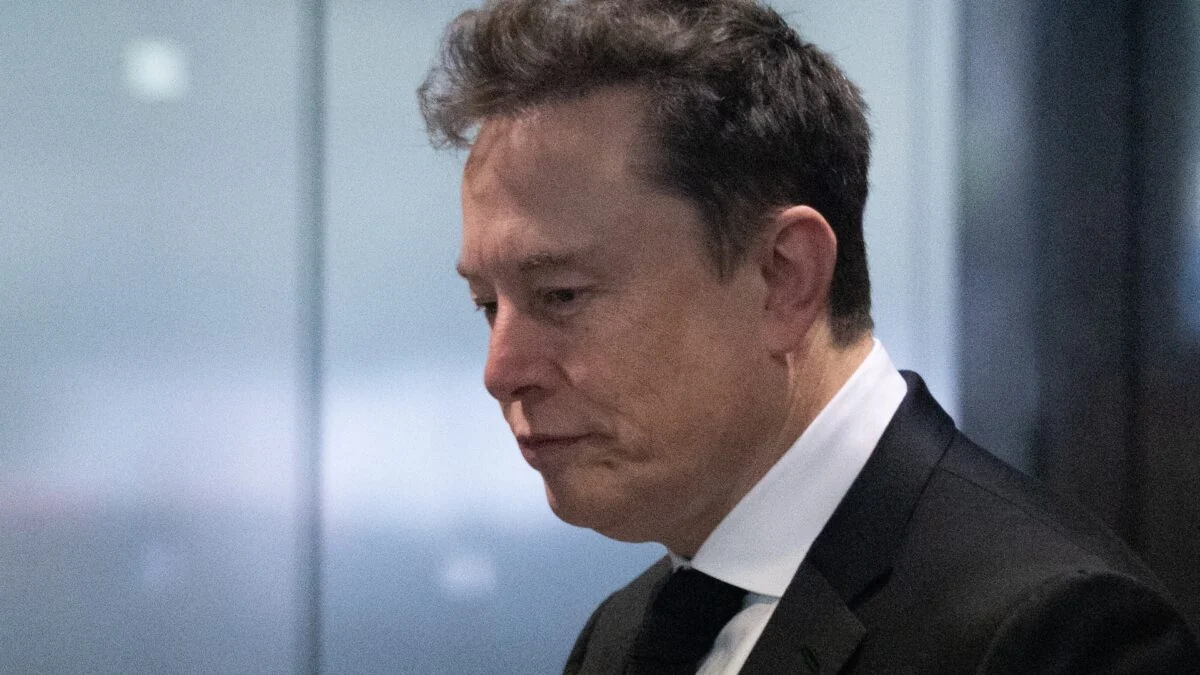
He dumped nearly half a billion into the fight and then watched returns turn a red map blue. I sat with my phone as donations scrolled on OpenSecrets and X, watching plans unspool. You could feel a billionaire’s playbook unravel in real time.
I’m going to walk you through what happened, what it looked like on X, and why the voters who were the target behaved the way they did. You don’t need me to tell you Musk buys influence — you saw the receipts — but I will show you the moments that made the bargain collapse.
On Election Night he had poured almost $500 million into Republican causes — and the expected payoff never arrived
He spent nearly $500,000,000 (€470,000,000) trying to tilt voters toward GOP candidates. OpenSecrets tracked the flow; donors and PACs moved money at a scale people outside Beltway circles rarely see.
His cash was a flood that couldn’t breach the levee. Money got names on mailers, ad buys, and field operations, but it didn’t change the broader message voters heard about corruption and self-dealing. Polling from outlets like CNBC showed corruption rising to the top of voters’ concerns, and that shifted the frame of the fight away from policy and toward motive.
Did Elon Musk try to buy the midterms?
Yes — in plain sight. Musk became one of the largest political funders in those races, and his spending was intended to steer a handful of key contests. But buying ad inventory or glossy endorsements on X or in local TV breaks doesn’t equal buying consent. I watched donors justify buys in the same breath voters rejected them.
On the feed, he went unusually quiet as returns rolled in — then posted jokes that read like an after-party
The timeline shows hours of silence from his account while returns were tallied. That absence was noticed; it became its own story on X.
When he returned, the tone changed: a quip about “data centers in space” and an eyebrow-raising line about “election-interfering space lasers.” The jokes were a shrug — his tweets became a weather report for his mood. The public read that shrug as either casual indifference or an attempt to paper over a political loss.
Data centers in space looking pretty appealing right now
— Elon Musk (@elonmusk) November 4, 2026
Guess my election-interfering space lasers didn’t work this time
— Elon Musk (@elonmusk) November 4, 2026
He even deleted an earlier “Vote red today!” post and then, by the small hours, was back to product tweets about Tesla and SpaceX. If you watch a public feed for long enough, you’ll spot the performance choices — and you can read their intent.
Is Musk upset about the results?
His posts read like a controlled exit; he made jokes and pivoted to business. That doesn’t mean he’s unmoved — he just chose a specific public posture. If you follow corporate leaders on X, you know that public sentiment management is as strategic as any political checkbook.
On the ground in those states, voters reacted to the idea of influence more than the policy promises
In Texas, James Talarico called the spending an attempt to “buy his own personal U.S. Senator,” and voters gave a different answer at the ballot box. That reaction was not merely partisan pushback; it was a repudiation of perceived influence-buying.
When a donor becomes the story, the campaign narrative flips. You saw Ron DeSantis tweeting sour observations about GOP losses; the defeat’s reverberations were political tectonics, not a minor hiccup. Platforms like X amplified every taunt and tally, turning private strategy into public theatre.
Why did voters reject Musk-backed candidates?
Voters weighed motive. Polls from outlets such as CNBC suggested corruption and the influence of money moved to the top of voter priorities. When the dominant story becomes “who paid for this,” the candidate becomes secondary.
There are brand lessons here too. You can fund TV spots, buy programmatic placements, and target digital ads on platforms like X and Meta, but you cannot buy the receiver’s trust. Tesla customers might admire the cars; voters resent being treated like a ledger entry.
Two things to watch next: how Musk recalibrates his public posture on X, and whether major donors start changing strategy after being publicly rebuked. The money remains — and the temptation to try again will be strong — but the electorate just delivered a clear boundary.
So tell me: when a billionaire sends cash and a flippant tweet, do you read it as power flex or political misfire?