
Kiryu slammed an enemy through the air and I realized the remaster had quietly made a once-easy trick into a half-sweat lottery. You can feel the game tighten its grip the first few matches, then find the seam and start squeezing points out of it. I’ll walk you through the exact method I use to turn Survival Mode into a steady Research Point tap.
I play on Steam and console; you’ll see this strategy on Reddit and YouTube clips, and Atari’s art still makes the fights look cinematic. I’ve tested it across platforms so you don’t waste hours reinventing the wheel.
I’ve watched Kiryu runs dominate late-night community threads — How to grind Research Points fast in Godzilla: Destroy All Monsters Melee Remastered
Players are farming Research Points in Survival Mode because it reliably converts repeated hits into repeatable reward. The remaster tightened spacing and AI behavior, but the bones of the exploit remain: force an AI into constant lava damage and don’t let them reset.
How do you get Research Points quickly in Godzilla Remastered?
First, you must gain access to Kiryu via the research tree. Pick Survival Mode and select Monster Island as the arena. Kiryu’s projectile and grab properties make him the single best candidate for a repeatable lava-lock strategy.
Start a match, fire a rocket as the clock drops and watch the AI reflexively block. That block creates the opening. Close the gap, grab the opponent, and move toward the spawn wall behind the lava pit. Use Kiryu’s heavy thrash to fling them over the short wall into the lava — the pit deals roughly 10 damage per second. Your job is to keep them taking that damage until they die; each death returns Research Points and a consistent progress tick.
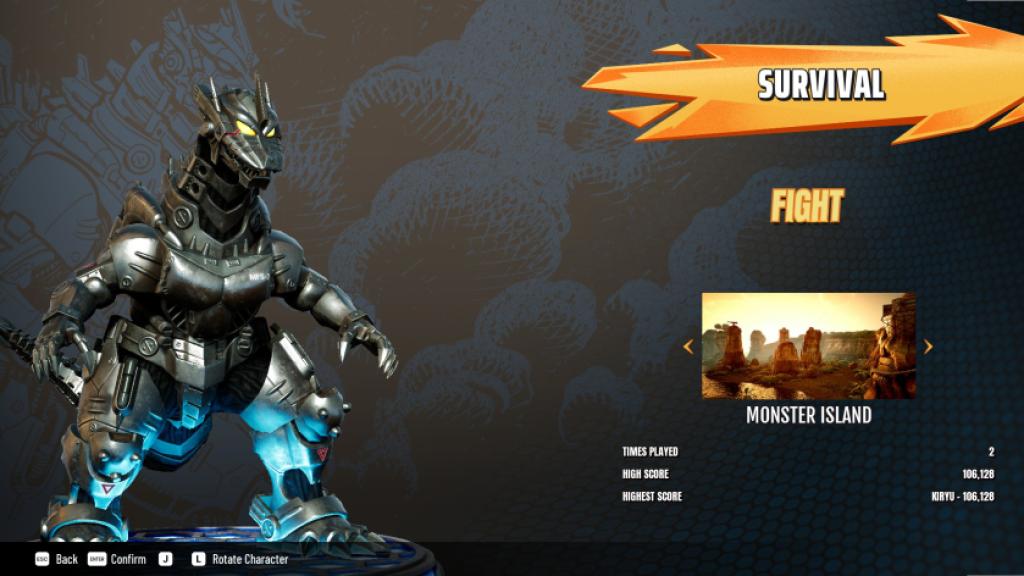
Where is the best place to farm Research Points?
Monster Island. The lava pit there is perfectly placed near the AI spawn point, which is why the map is the community’s go-to. If you paid $29.99 (€28) on Steam or picked it up on console, this is the map you want to queue repeatedly.
Once they’re in the pit, don’t panic when the wall holds. Sometimes the AI will hug the wall and take no damage. Don’t break the wall yourself; bait the AI into breaking it — they’ll move, they’ll stagger, and then you drop them back into the lava. Treat each cycle like a tiny production line: grab, toss, wait, repeat. This method converts time into Research Points with surgical reliability.
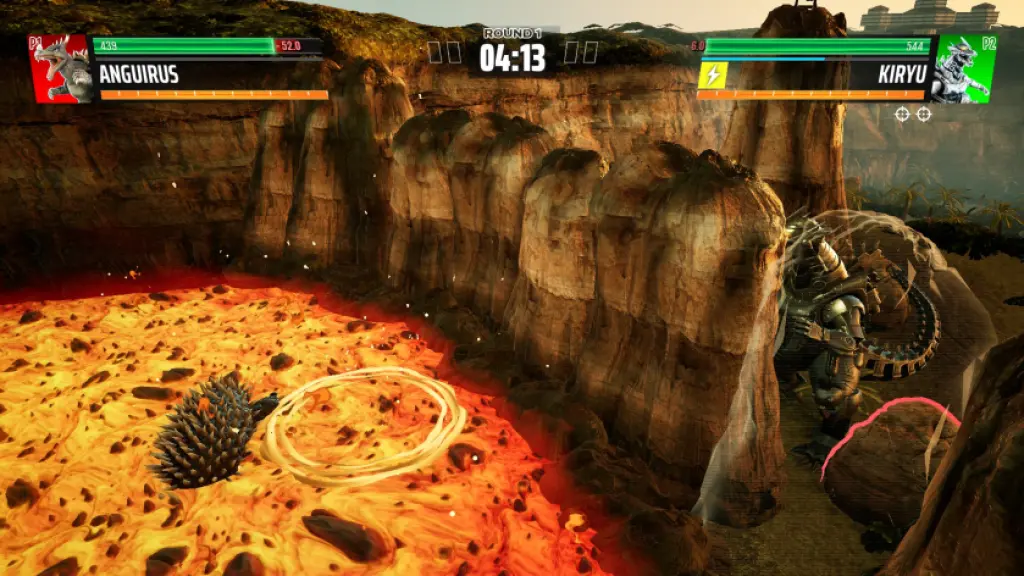
Does Survival Mode give more Research Points than Versus?
Yes — Survival Mode stacks kills and rewards repeatable deaths faster than standard Versus matches. Versus gives varied outcomes; Survival is consistent, and consistency is reward math. If you want steady Research Point flow you run Survival, not random matchmaking.
Two practical tips from testing: run matches solo if you can, and set input sensitivity to a configuration you know by muscle memory (controller or keyboard; I use a DualSense on PC via Steam Input). On platforms like Steam and PlayStation, community clips often show minor variations; watch a handful of short YouTube videos from creators who show Kiryu’s throw timing and you’ll shave minutes off your learning curve.
This technique is efficient because it forces the AI into a loop where the lava does the heavy lifting. It’s like slotting a gear into a machine and letting it turn — predictable and repeatable. The remaster tightened spacing, but with patience you can convert a single hour into a predictable haul of Research Points; it’s a slow burn, like draining a reservoir drop by drop.
Want to argue whether this counts as smart play or cheap farming — and whether Atari should patch it — or will you just keep stacking points?