
We were two minutes from victory when my dad’s phone hiccuped and our squad vanished on the feed. I felt the match slip away through a tiny delay and a single button press that didn’t register. That moment made one thing obvious: cloud gaming promises are seductive, but reality can be unforgiving.
I tested Nvidia GeForce Now across everything I had at home — my high-end PC, a Lenovo IdeaPad, a MacBook M4 Air, an iPhone 15, and my dad’s Nothing Phone 2a — and what I found wasn’t a press release; it was a practical study about what cloud streaming actually feels like in India.
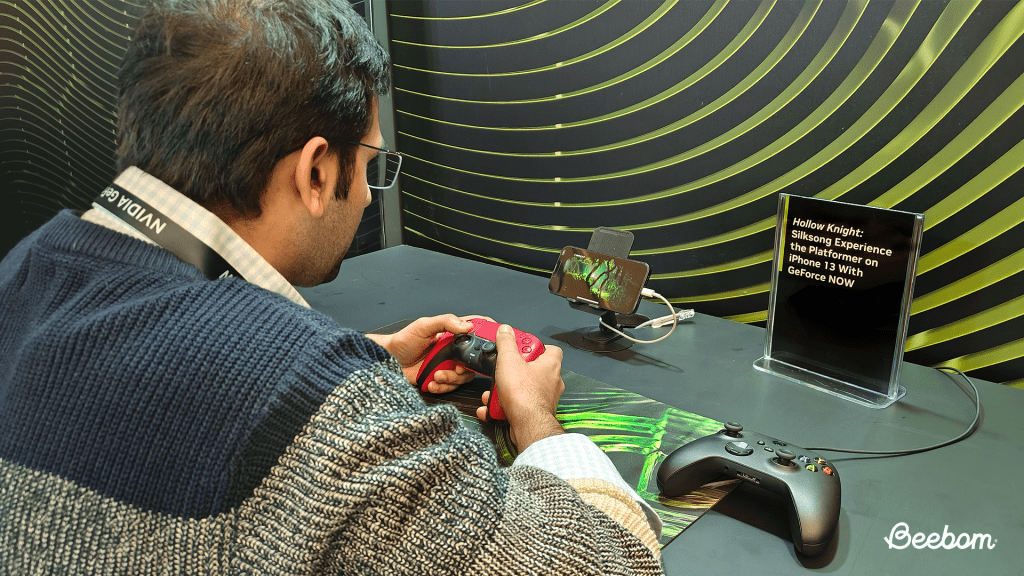
My dad’s mid-range phone actually ran Fortnite — Nvidia GeForce Now in India delivers impressive value
You remember the cloud gaming skepticism: Stadia folded, Xbox Cloud Gaming shuffled, and the joke was that streaming a AAA title on a ten-dollar phone sounded like a sales pitch. Nvidia quietly shoved that pitch into something usable.
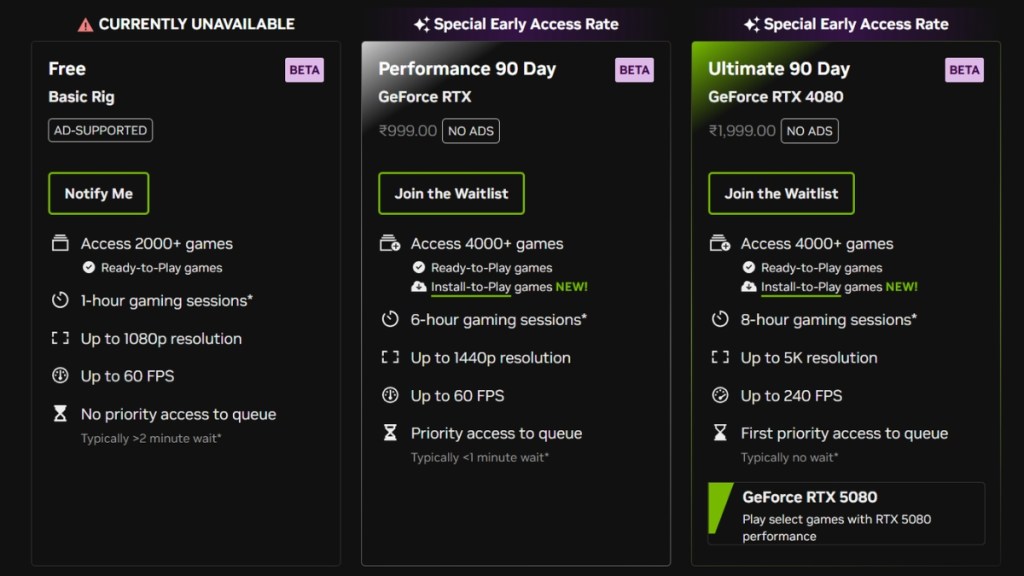
Nvidia asked me what a fair price for the Ultimate tier might be; I guessed ₹1,299 (≈ €14) per month. Instead, they launched a 90-day Ultimate intro at ₹1,999 (≈ €22), which works out to about ₹666 (≈ €7) per month for that period. For access to RTX 5080 SuperPods, up to 8-hour sessions, DLSS 3 Frame Generation, 5K and HDR10 — that’s a hard sell to resist.
What it means in practice: you get 5080-level graphics, high frame rates, and a quick route into PC gaming without dropping ₹80,000 (≈ €888) on a desktop. If you’re thinking of skipping a big PC spend and trying cloud first, this is a sane experiment.
I played on a Lenovo laptop at 90 FPS — budget devices handle cloud gaming far better than you expect
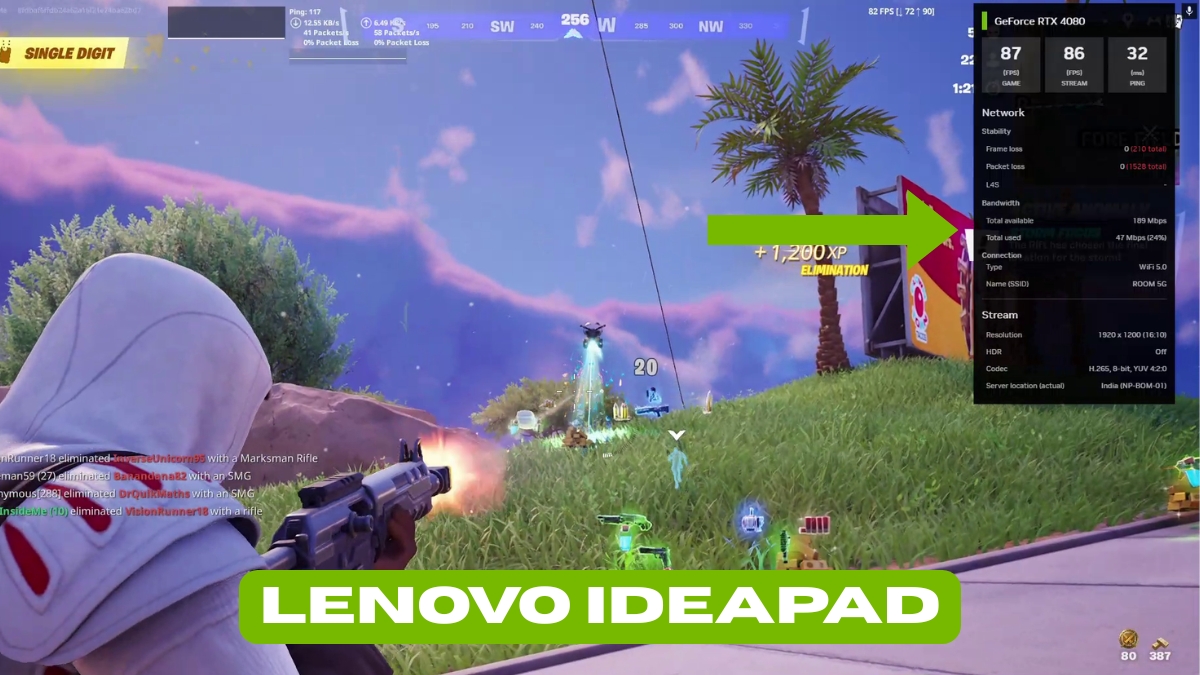
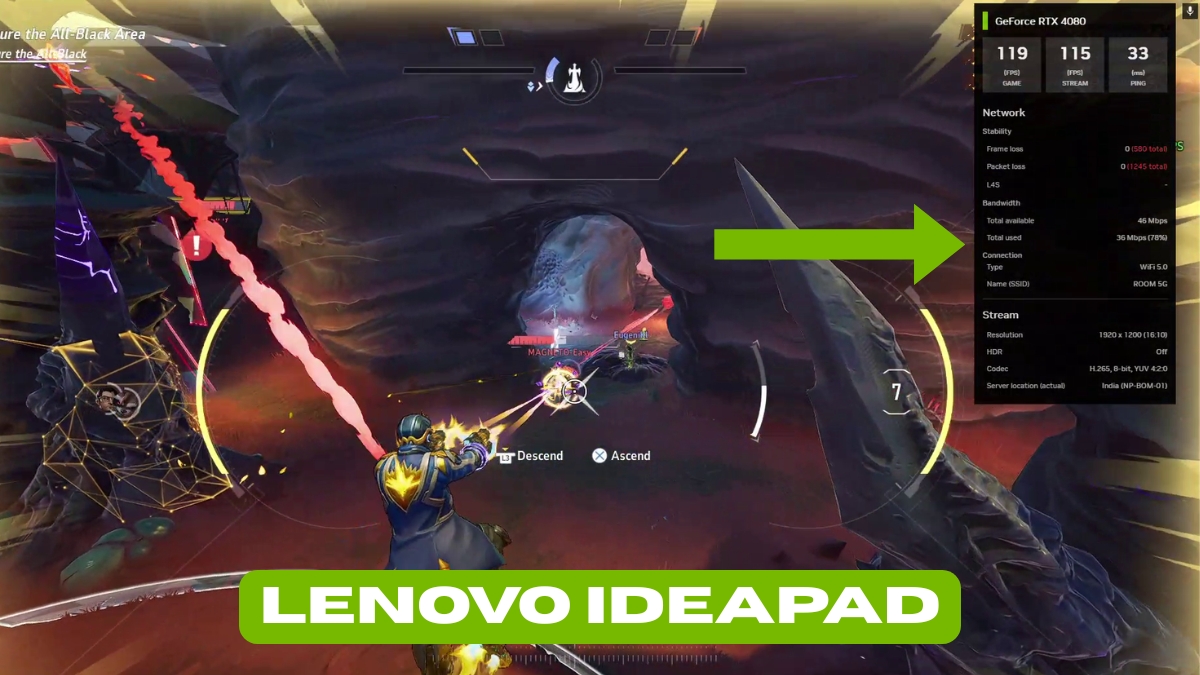
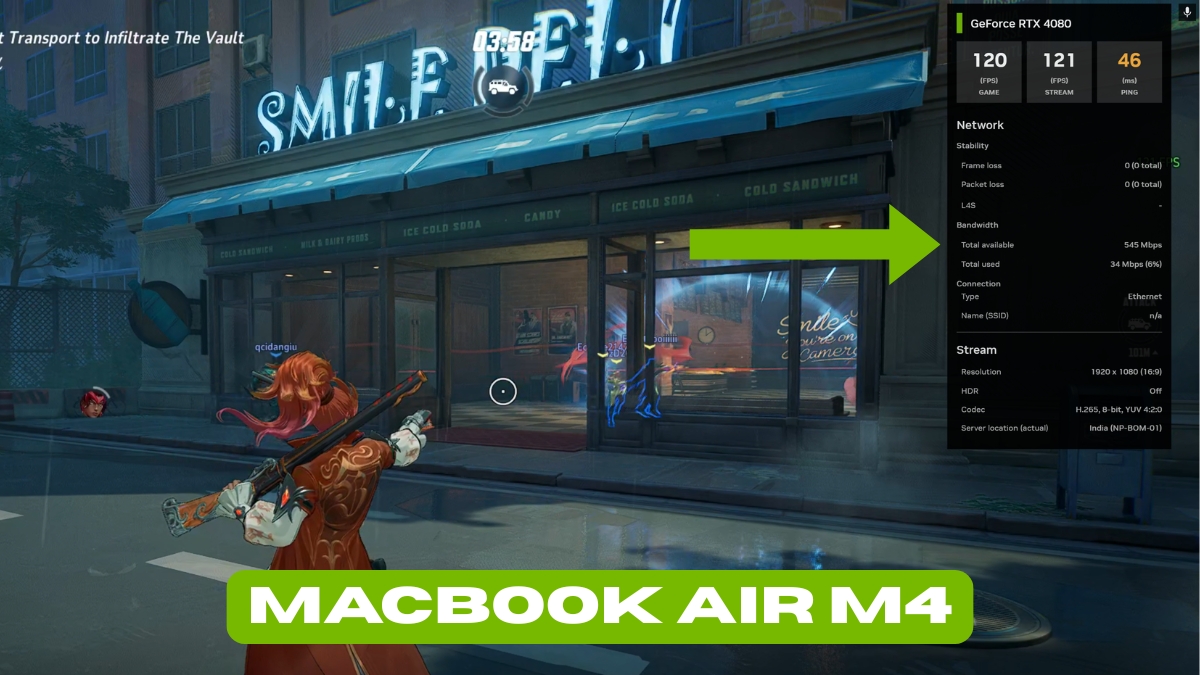
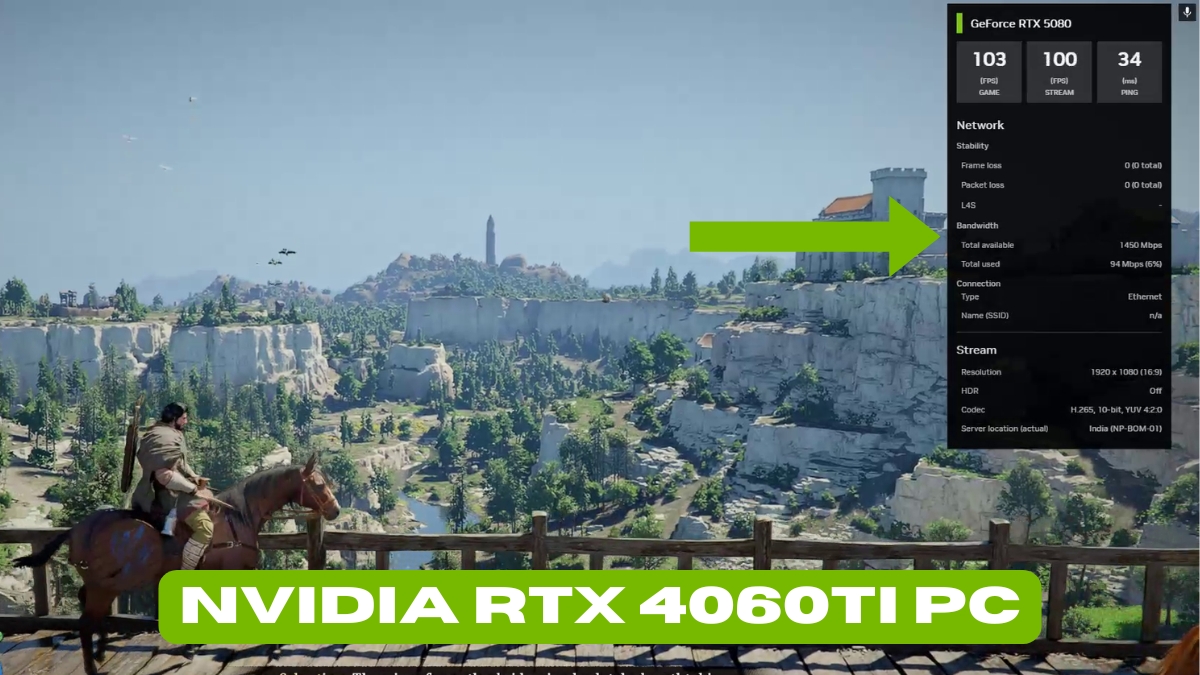
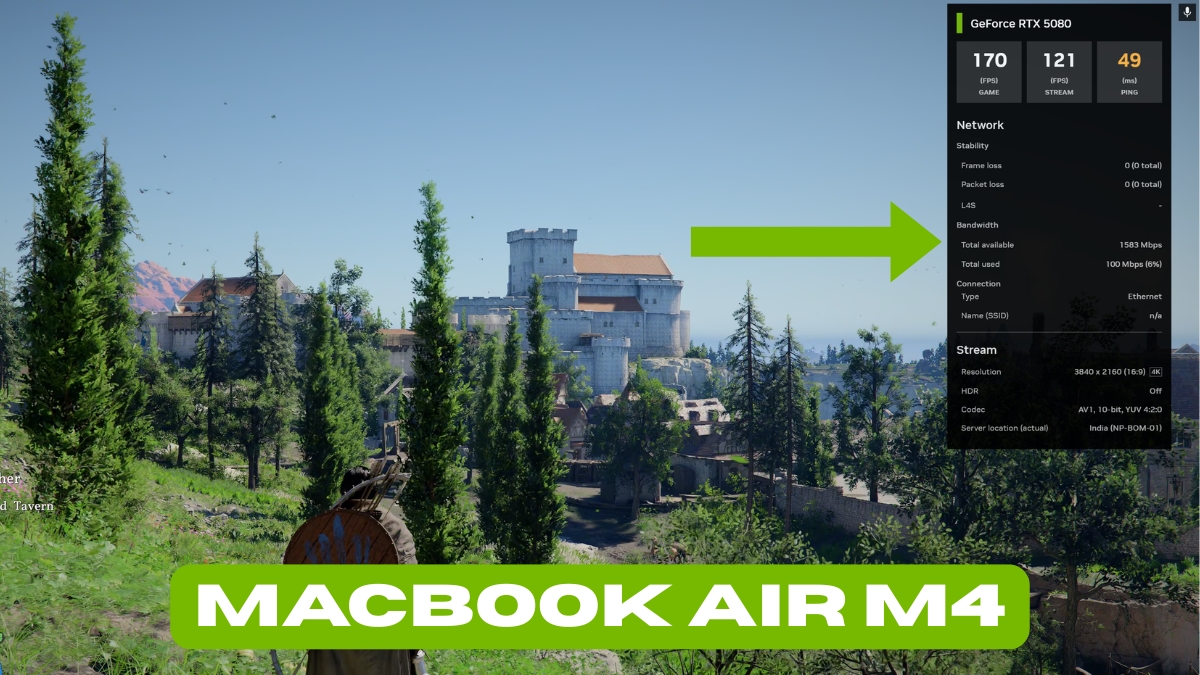
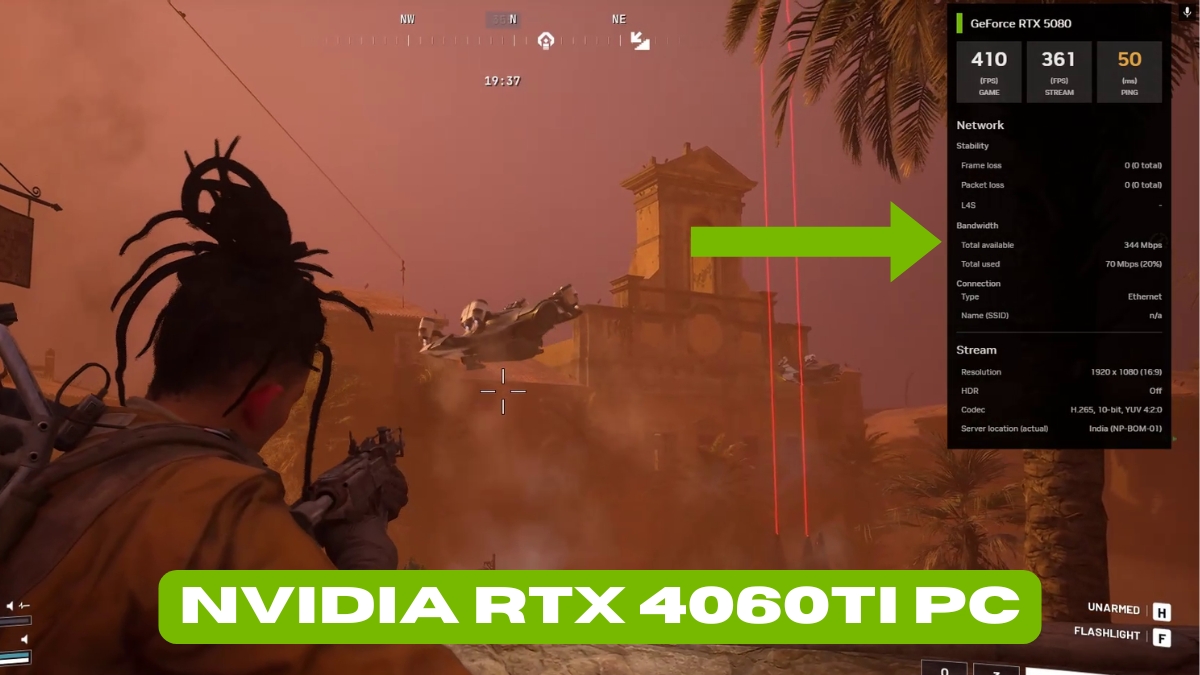
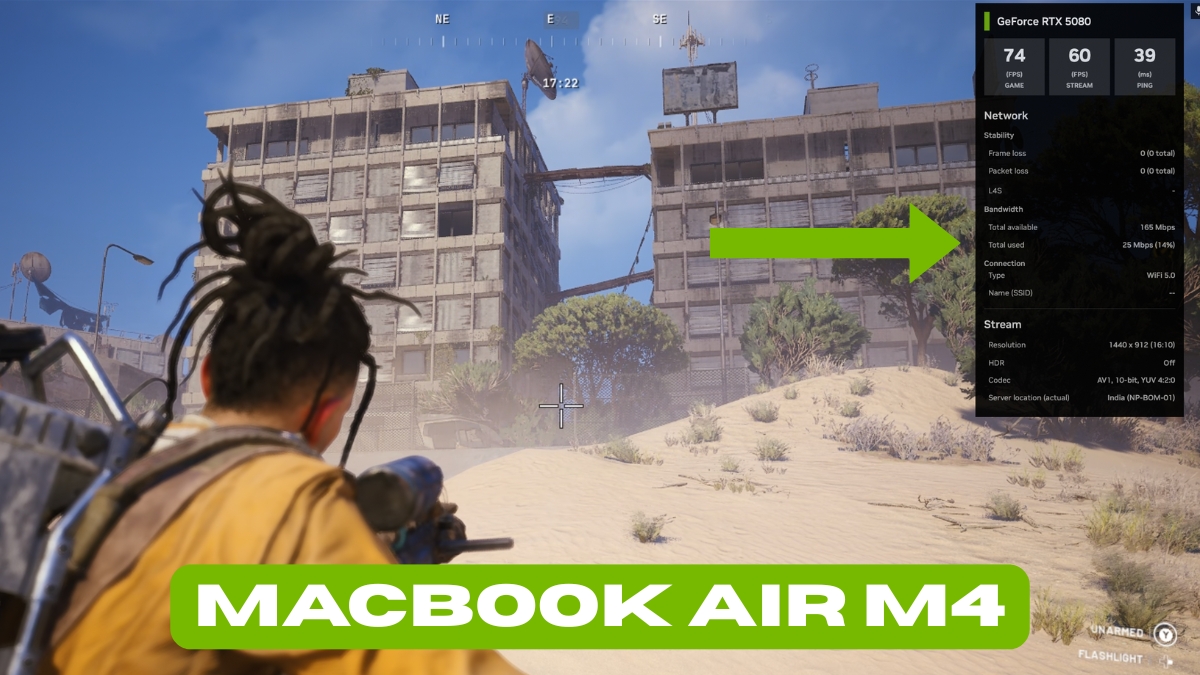
Fortnite sat at 90 FPS on my Lenovo IdeaPad with Ultra settings, ray tracing and DLSS enabled — even on a 60Hz screen. Marvel Rivals hovered around 115 FPS on the same laptop, and Arc Raiders hit 360 FPS on my PC thanks to a cloud RTX 5080.
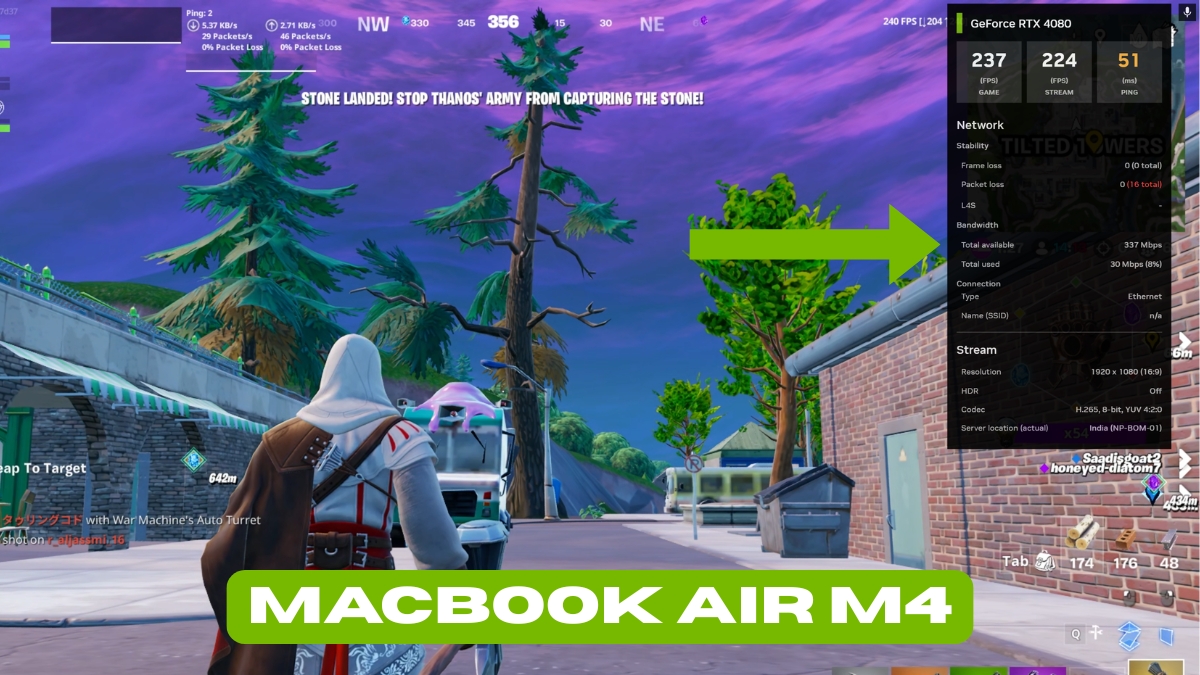
On lighter machines — my MacBook M4 Air and my dad’s Nothing Phone 2a — performance was still compelling: the MacBook pushed high frame rates at 1440p, and the phone averaged surprisingly high FPS for mobile. I can safely say GeForce Now turned non-gaming devices into playable screens, like a pocket-sized arcade brought into the living room.
Is GeForce Now worth it in India?
If you compare spending ₹80,000 (≈ €888) on a PC to trying GeForce Now at ₹1,999 (≈ €22) for 90 days, the math favors the cloud as a test drive. The service gives you access to your Steam and Epic libraries without hardware investment — and John Gillooly from Nvidia reminded me it’s meant as an entry point to PC gaming. For someone unsure about a full PC purchase, this is how you prove the concept to yourself.
| DEVICE | FORTNITE | MARVEL RIVALS | ARC RAIDERS | RESIDENT EVIL REQUIEM | CRIMSON DESERT |
|---|---|---|---|---|---|
| NVIDIA RTX 4060Ti Enabled PC | 200 FPS | 220 FPS | 360 FPS | 120 FPS | 102 FPS |
| Lenovo IdeaPad i5 Laptop | 90 FPS | 115 FPS | 121 FPS | 61 FPS | 120 FPS |
| Macbook Air M4 | 200 FPS | 120 FPS | 61 FPS | 61 FPS | 121 FPS |
| Nothing Phone 2a | 69 FPS | 75 FPS | 111 FPS | 60 FPS | 50 FPS |
| iPhone 15 | 60 FPS | 61 FPS | 91 FPS | 60 FPS | 50 FPS |
My tests in a moving car proved one thing — latency and data make or break the experience
I tried GeForce Now over 5G while in a cab and the numbers told the story: network ping around 45 ms, but on-screen touch controls ballooned input lag to ~500 ms, and 15 minutes of play chewed through 2 GB of data. Using a Bluetooth controller cut controller latency to roughly 100 ms, but that’s still shaky for competitive play.
| NETWORK REGION | NETWORK PING |
|---|---|
| New Delhi | 30 ms – 50 ms |
| Mumbai | 5 ms – 10 ms |
| Kolkata | 49 ms – 75 ms |
| Madurai | 39 ms – 49 ms |
Here’s the blunt truth: cloud gaming stacks latencies — your network, the cloud instance, the controller — and competitive multiplayer amplifies every millisecond. For story-driven AAA titles like Crimson Desert and Resident Evil Requiem, mobile play was perfectly fine; for twitch shooters, you’ll want the lowest possible ping and a wired controller.
Can my phone run PC games via GeForce Now?
Yes — and not only run them, but run them with high visual settings. On my Nothing Phone 2a and iPhone 15, Resident Evil Requiem sat steady at 60 FPS with Ultra settings, DLSS and ray tracing enabled. But remember: your input method matters. On-screen touch is a liability; a controller improves things but won’t erase network delays entirely.
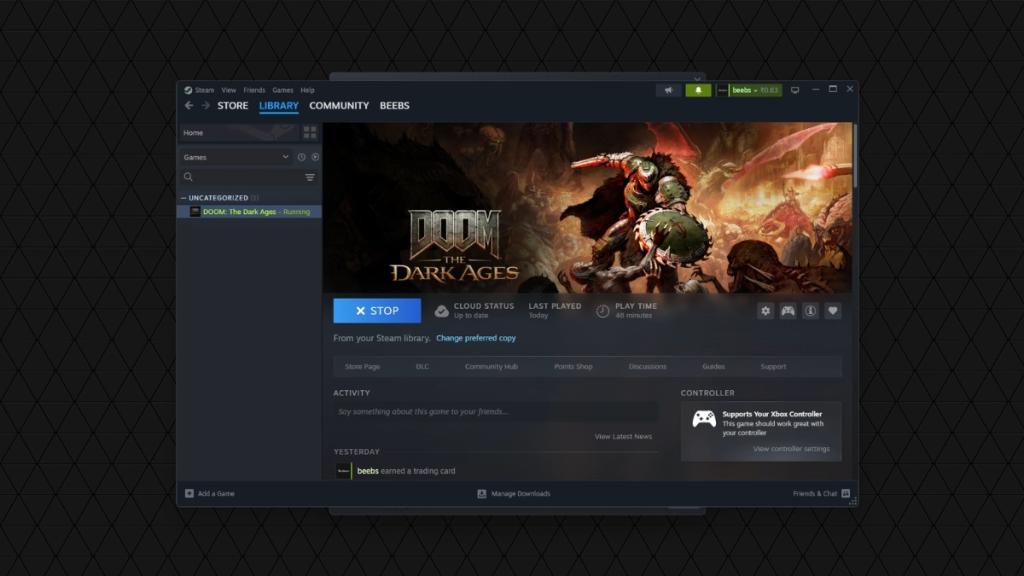
I had to click Play in Steam more than once — small frictions remind you this is still a work in progress
On a handful of launches I had to manually press Play inside the Steam launcher even after GeForce Now started the session. That extra click didn’t ruin anything, but it punctured the illusion of perfect, seamless streaming.
John Gillooly from Nvidia pitched GeForce Now as a simple route into PC gaming — sign into a browser, log into Steam, buy a game, and play. That’s true, and it’s also true that the service is an introduction, not a one-for-one replacement for a local high-end rig.
What latency can I expect on mobile data?
Expect variability. In my Delhi Wi‑Fi tests I saw network latency between 30–50 ms; Mumbai showed excellent numbers near 5–10 ms. On 5G while moving, ping sat around 45 ms but controller and touch latency made gameplay uneven. If you play infrequently on mobile, story games feel fine. If you chase competitive matches, you’ll feel the gaps.
There are two honest metaphors left in this report: cloud GPUs can be a lighthouse on the horizon for people who aren’t ready to build a PC, and for casual players a phone with a controller can feel like carrying an arcade in your pocket.
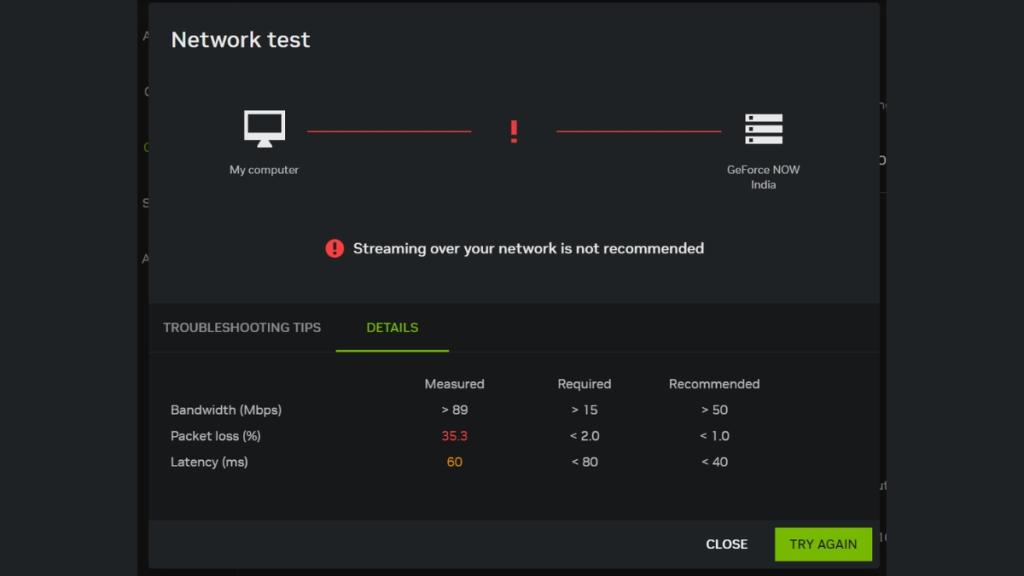
Here’s what I’d tell you as a friend: if you want to test PC gaming without the upfront desktop spend, GeForce Now is the easiest experiment you can run. It won’t replace a local PC for high-level competitive play, but it will let you try the visuals and performance of RTX 5080 and 4080-class hardware on devices you already own.
So will you try GeForce Now on your phone, or will you keep holding out for a perfect, lag-free cloud match that may never come? ?