
I died twice in twelve seconds as the sky over Carcosa went black. You feel the DualSense thrum differently when a game teaches you, not punishes you. That instant—when panic flips to practiced rhythm—was when Saros kept pulling me back.
The PS5 hummed under my hands as the eclipse crept across the horizon. Saros Review: A Mesmerizing Bullet Ballet That Keeps Pulling You Back
I picked up Saros on a PS5 Pro and spent more than 25 hours with Arjun Devraj, the Soltari enforcer who wakes, fights, and wakes again. I know Housemarque’s history: the studio walked away from arcade roots, climbed to AAA with Returnal, and learned hard lessons. Here they’ve smoothed the entry points without softening the thrills.
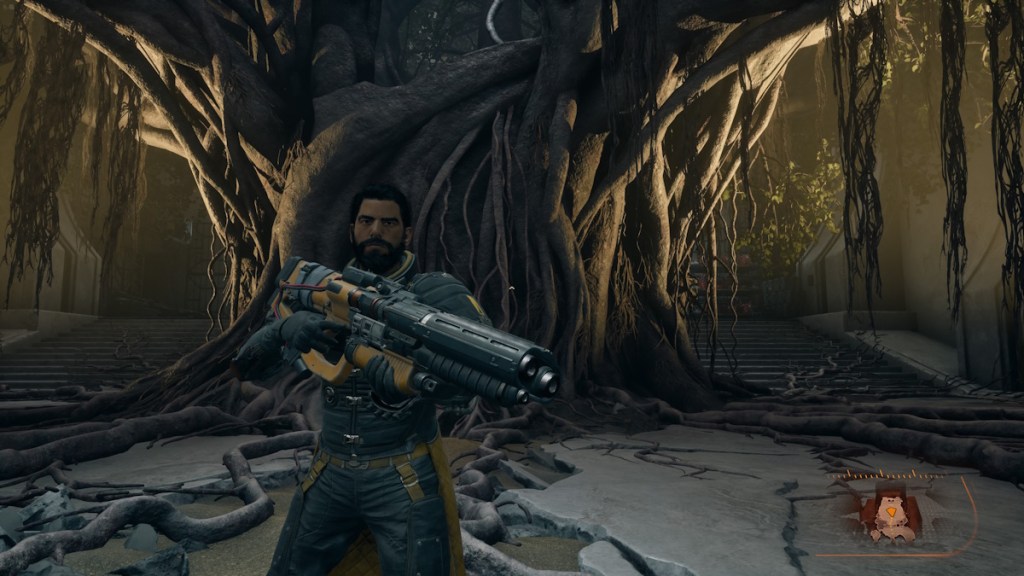
The first outpost I scanned was empty but for a single data log. A Haunting Sci-Fi Narrative on a World That Refuses to Stay Still
Saros opens simply: Arjun arrives on Carcosa to investigate missing colonists and a corrupting eclipse. The campaign threads personal stakes into the main mystery—he’s not just doing a job; he wants answers. You gather holographic logs and talk to NPCs; the game hands you pieces and trusts you to piece them together.
The writing keeps mood over exposition. That works until late-game, when the plot rushes through revelations that deserved more space to breathe. I stayed invested, though the ending left open threads that will spark debate among players who prefer tidy resolutions.
On set I watched Rahul Kohli record a scene that held the crew silent for minutes. Rahul Kohli Grounds the Story With Quiet Intensity
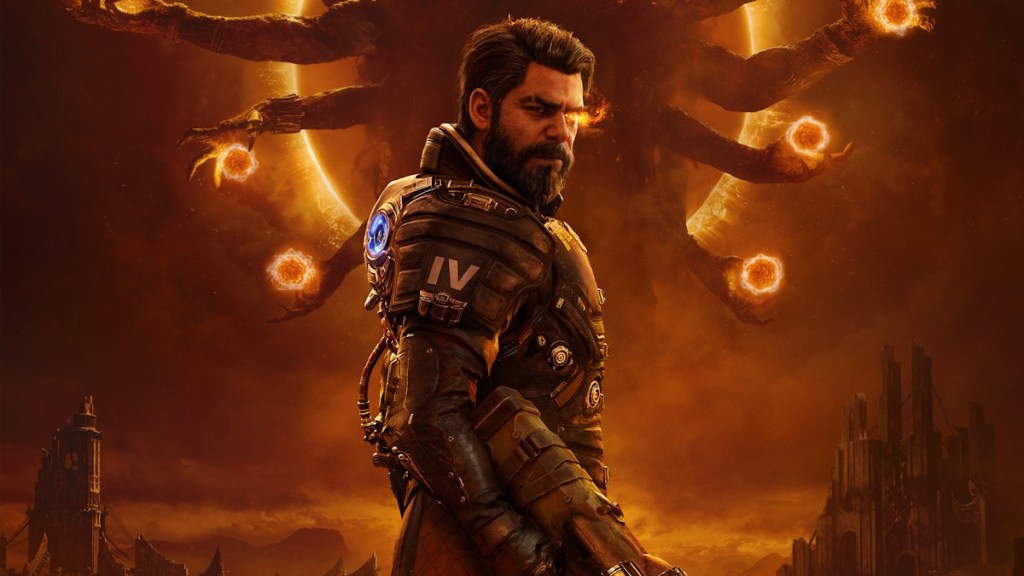
Kohli’s voice work anchors Arjun in a human register that the cutscenes render with impressive facial scanning and mocap. The supporting cast has flashes of personality—Nitya, Stack, and Kayla stick with me—yet a few side characters feel sketched rather than carved. Still, the star turn keeps the story visceral and immediate.
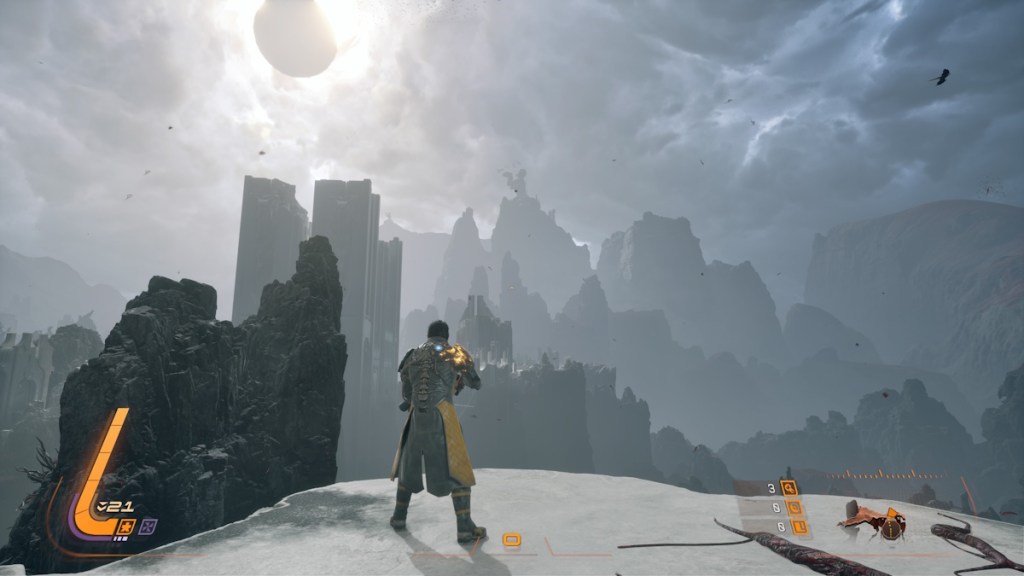
I watched a single cavern shift from calm to nightmarish during a play session. Carcosa Feels Alive Through Its Haunting, Shifting Biomes
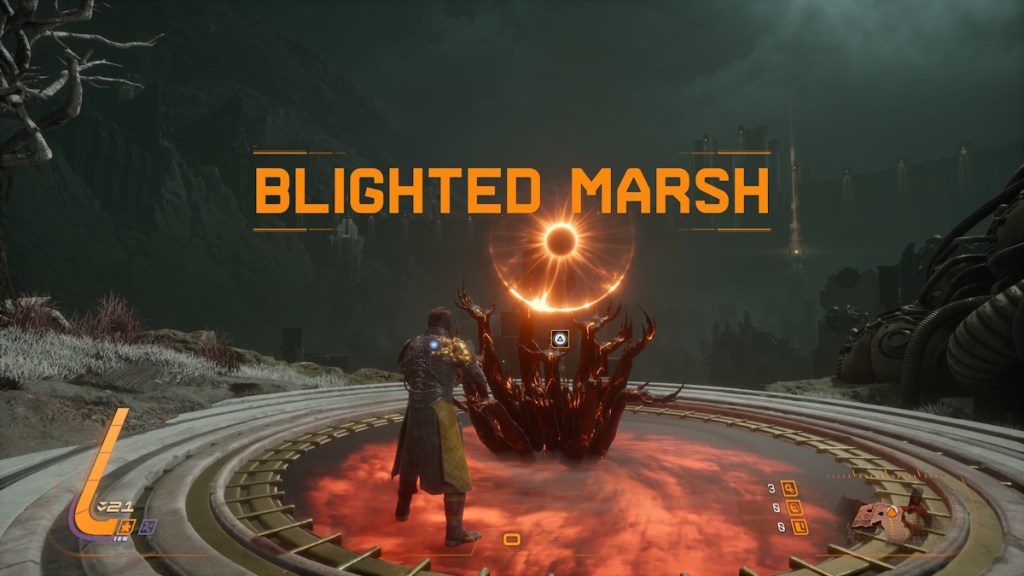
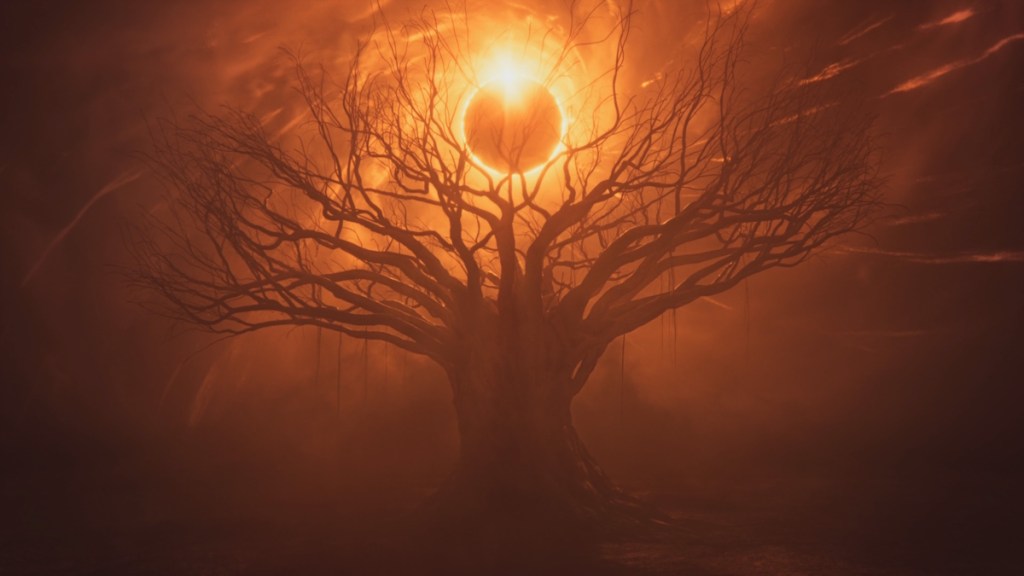
Housemarque built Carcosa from discrete biomes: the Shattered Rise, subterranean mining grounds, swamplands, and fortress areas that alter under the eclipse. The art direction is relentless—Unreal Engine 5 renders these spaces with clarity and menace. Play it on a PS5 Pro with HDR and you’ll see texture and lighting that push the game’s atmosphere forward.
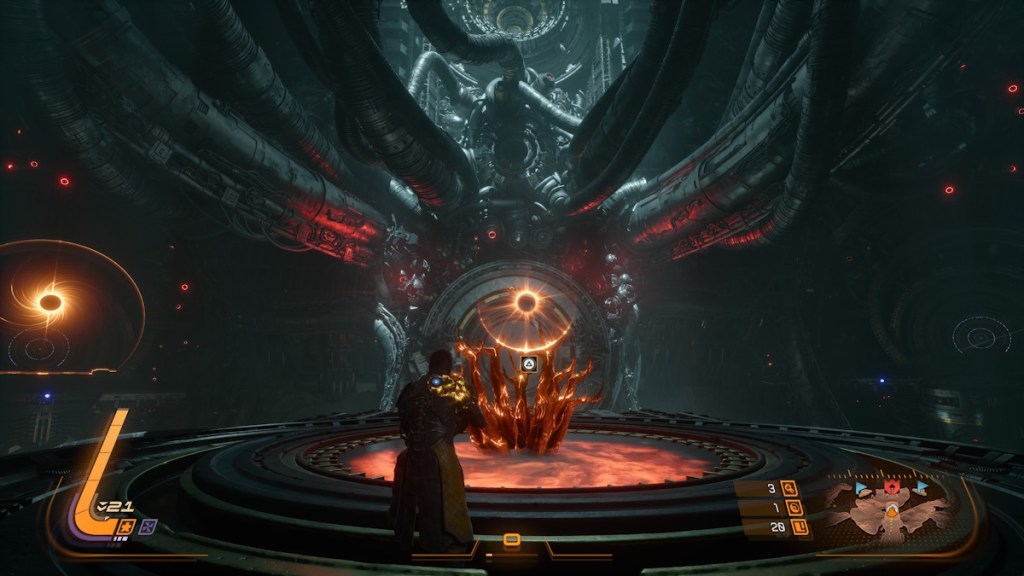
I lost a run, then returned and crushed a boss minutes later. Saros Gameplay Hits Hard With Bullet Hell Chaos and Roguelite Stakes
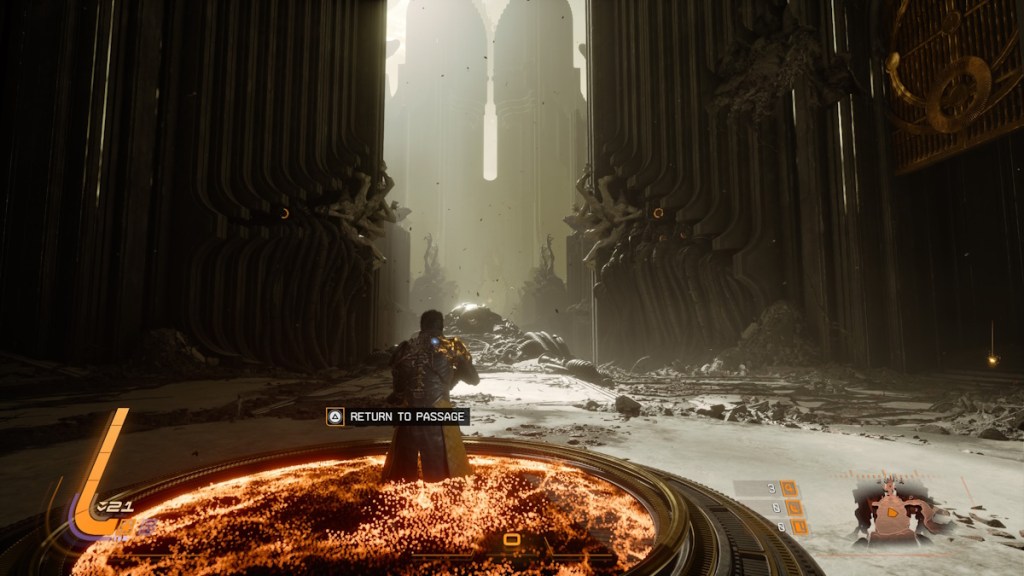
If you played Returnal, Saros feels familiar at first—but Housemarque reshaped the mechanics into something friendlier and more flexible. Runs are shorter and sharper thanks to a teleportation system that keeps tension high and time investment reasonable. You can still ignore shortcuts and treat each attempt as a fresh map; the game supports both appetites.
Is Saros worth playing?
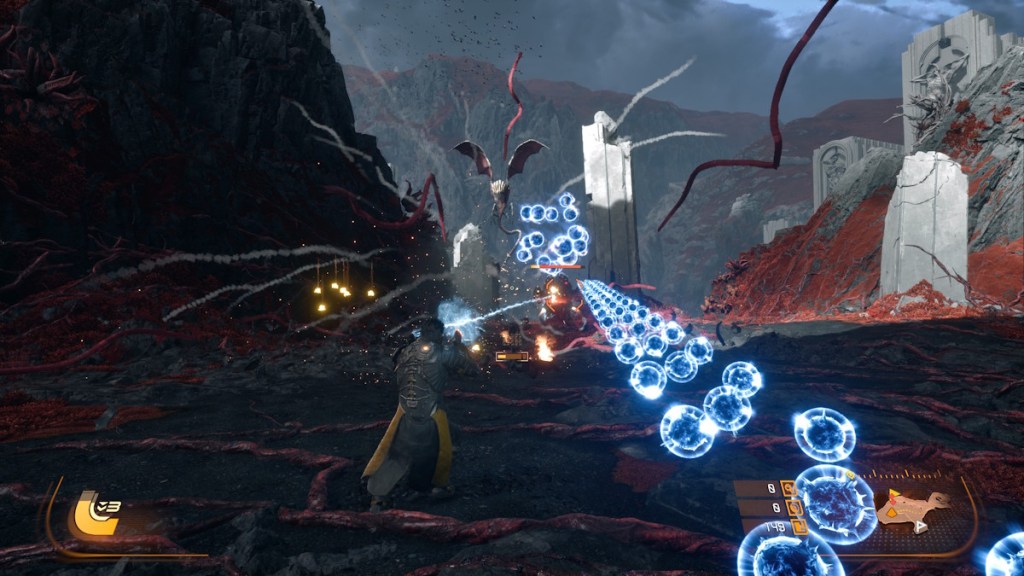
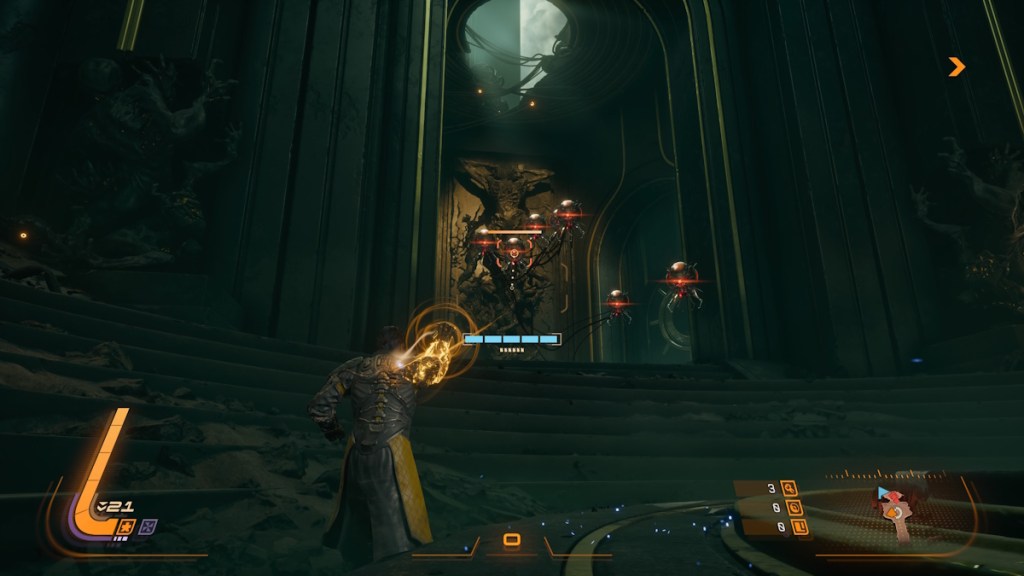
Yes, if you like combat that rewards timing and curiosity. The shield mechanic lets you absorb projectiles to charge a power weapon; parries stagger enemies and grant bonuses. At times the combat felt like a jazz quartet on fire—messy and brilliant until you learn the rhythm. Sam Slater’s score and 3D audio make those moments feel cinematic; put on a proper headset and you’ll hear the difference.
How long is Saros?
Average run time sits around 30 minutes, but major story progress requires many runs and some time in the skill tree. I hit the credits after 25 hours of play, and returning for optional Nightmare Strands and modifiers extended my time significantly.
How does Saros compare to Returnal?
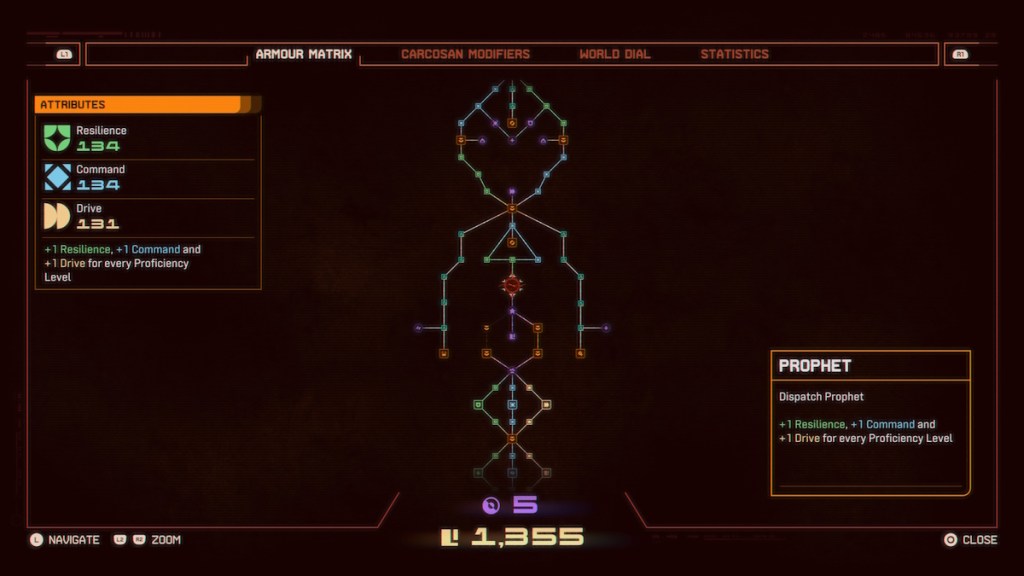
Saros borrows Returnal’s DNA and makes the formula more inviting. There’s meta progression through a skill tree using Lucenite and Halcyon, permanent upgrades, and Carcosan Modifiers that let you tailor difficulty. Housemarque learned from player feedback: you can make the game tougher or take the Unlimited Protection modifier to soften the curve.
I discovered a combo that let me breeze through encounters I once feared. Gunplay, Skills, and Difficulty Options
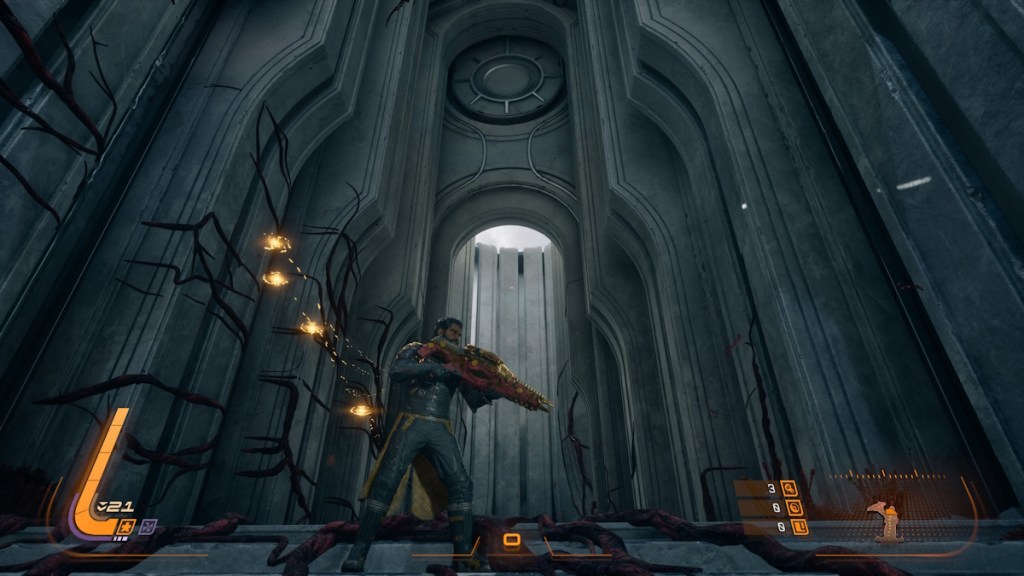
The weapons list mixes familiar staples—rifles, shotguns, crossbows—with alien power arms like Prominence and Illumine. The Soltari shield changes the calculus: you can use enemy fire as fuel rather than only dodge it. There’s a skill tree for permanent upgrades and temporary artefacts during runs; if you want challenge, Nightmare Strands and modifier tuning deliver it.
I felt the Adaptive Triggers steer my fingers during a clutch parry. DualSense and Technical Performance
Saros uses DualSense features cleverly: half-press L2 for an alternate fire and full-press for power weapon, with adaptive trigger resistance that you can feel. On the PS5 Pro the game ran at 4K with smooth frame rates thanks to PSSR 2.0. I noticed occasional grain in lighting and textures, but overall performance stayed steady during the most chaotic fights.
The first boss’ music made my pulse match the beat in the room. A Pulse-Pounding Soundtrack That Drives the Action
Composer Sam Slater supplies a driving electronic score that keeps combat urgent and cinematic. The sound design uses 3D audio cues to tell you where threats are coming from, which matters when the screen fills with orbs and lasers. Pair this with a good headset and the game’s audio cues become a tactical tool.
My PS5 Pro barely blinked even when the screen went full chaos. Performance: Saros Glides on the PS5 Pro Like It’s Showing Off
Built on Unreal Engine 5, Saros balances intense visuals with steady performance. Projectiles, effects, and physics populate the battlefield, yet frame rate issues were rare on my PS5 Pro test rig. PSSR 2.0 does heavy lifting; occasional grain showed up in a few textures, but patches should smooth those over quickly.
The studio studied player feedback and then iterated on what mattered. Verdict: Housemarque’s Most Complete and Forward-Thinking Game Yet
Saros is Housemarque’s answer to the complaints some players had about Returnal’s entry barrier. It keeps the core tension but adds quality-of-life systems: teleportation for shorter runs, a permanent skill tree with Lucenite and Halcyon progression, Carcosan Modifiers you can mix and match, and options to soften the gameplay if you prefer less punishment. The studio preserved the intensity while widening the doorway for more players.
Price? Expect a standard AAA tag around USD 69.99 (€65) at launch; watch platform stores for discounts. If you own a PS5 Pro or a 4K OLED display, the visual payoff is stronger, and the DualSense features are meaningful—Sony’s controller hardware really matters here.
There are small complaints: a handful of underwritten side characters, a rushed final act, and occasional texture grain. But Saros succeeds where many hybrids fail: it gives you freedom to shape challenge, a combat loop that teaches, and technical polish that rarely stumbles.
Is Saros the best action game of the year so far? It might be—Housemarque took lessons from Returnal, added permanence where it helps, and tuned combat into an addictive loop; now the question is whether you’ll let it keep pulling you back?