
The room went quiet when the memo landed: three lines of corporate creed, a tiny logo tweak, and a single sentence that felt like a dare. I sat up, because I’ve watched Xbox fumble its footing for years and I smelled something different. You should care, because if this is real, 2026 will rearrange how people remember this brand.
I’m writing as someone who’s stayed loyal through half-hearted marketing and confusing strategy—I bought an Xbox One S when the PS4 was king and kept the Series S on my shelf. You know that tug between hope and skepticism after leadership changes; I’ve felt it, and I’m betting you have too. Asha Sharma’s arrival, the “We are Xbox” memo, and a few fast, visible reversals have nudged me from wary to quietly optimistic.
The Years of Missteps Xbox Has Finally Addressed
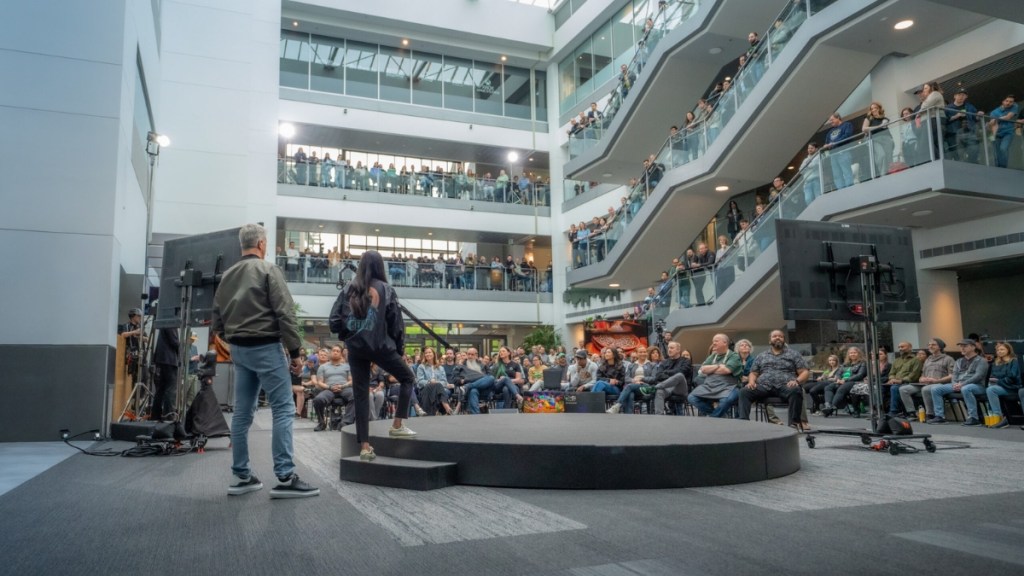
At a company town hall, you could feel the weight of past mistakes in the room—old campaign clips played like evidence. I’ve watched Xbox pivot into vague “everything” messaging, bleed goodwill on price hikes, and greenlight marketing that left fans confused. You remember the “This is an Xbox” era: a campaign meant to expand the brand into every screen and device, and instead it asked the market an embarrassing question—what is an Xbox?
I won’t sugarcoat my stance on Game Pass: I’ve been a critic. The service warped expectations and pricing in ways that worried me. Still, when Sharma slashed Game Pass prices by roughly 23% across regions, that move read like course correction—the kind players could feel in their wallets and in subscription churn. It was the clearest sign yet that someone inside Microsoft was listening to what players actually wanted.
There are other small but telling shifts. The clumsy “Microsoft Gaming” rename is gone; “Xbox” is back on the masthead. The worst ads have been shelved. And, most important, leadership is publicly rethinking exclusivity while promising more flexible pricing. Those are not vanity gestures. They are the basic hygiene of a platform that wants to be respected again.
Is Xbox getting better in 2026?
You can measure “better” in small, public moves and in what’s quietly stopped. The removal of a confusing marketing playbook, a price cut on a major subscription, and the restoration of the Xbox identity are all signals. But the real test will be the games and how Xbox sells the experience of owning the hardware—not just streaming it.
I’m wary of a PR polish that masks the same playbook. Phil Spencer’s era felt, to many of us, like leadership with actual gamer sensibilities—acquisitions like Double Fine and InXile were gestures that mattered. If Sharma’s changes are more than optics, they’ll be matched by a strategic pivot toward the things that made Xbox special: memorable first-party games and meaningful hardware identity.
2026 Will Be The Year That Makes or Breaks Xbox
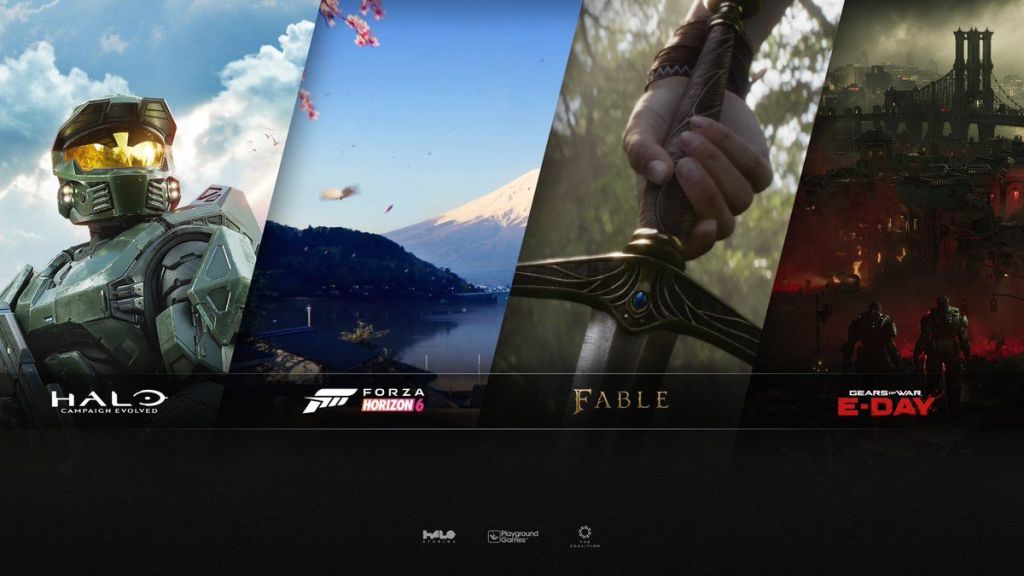
I stood at a demo booth months ago and watched a room of longtime fans hush into a single shared reaction—hope. Xbox’s 25th anniversary year is stacked: Forza Horizon 6, Gears of War: E-day, Fable, Halo: Combat Evolved remaster—four franchise tentpoles landing in the same window. Those titles are the fast, obvious way to rekindle a fanbase.
Think of the strategy like a hand of cards: if all four land strong, Xbox reclaims narrative momentum. If one or more falter, the whole strategy frays. I’ve seen early footage of FH6 and glimpses of Fable’s systems; I’ve watched the Silent Cartographer run in Unreal Engine 5. None of that guarantees success, but volume matters here. Players want substance, not teaser placeholders or stale third-party stunts.
Will Xbox bring back exclusives?
Exclusivity has been controversial, but it also creates reasons to own a console. Sharma’s comments about “re-evaluating” exclusives are promising because they acknowledge that platform differentiation still matters. If Xbox leans into exclusives that feel meaningful—big, polished titles that justify buying the hardware—that will reignite fan identity. Phil Spencer’s track record shows Microsoft can make those calls when it chooses to.
Consoles sell on emotional hooks: the boot screen, the controller feel, games that only belong on your shelf. Microsoft needs to balance Game Pass openness with moments that say, “This experience is uniquely Xbox.” That balance will decide whether ownership matters or not.
What is Project Helix and will it replace consoles?
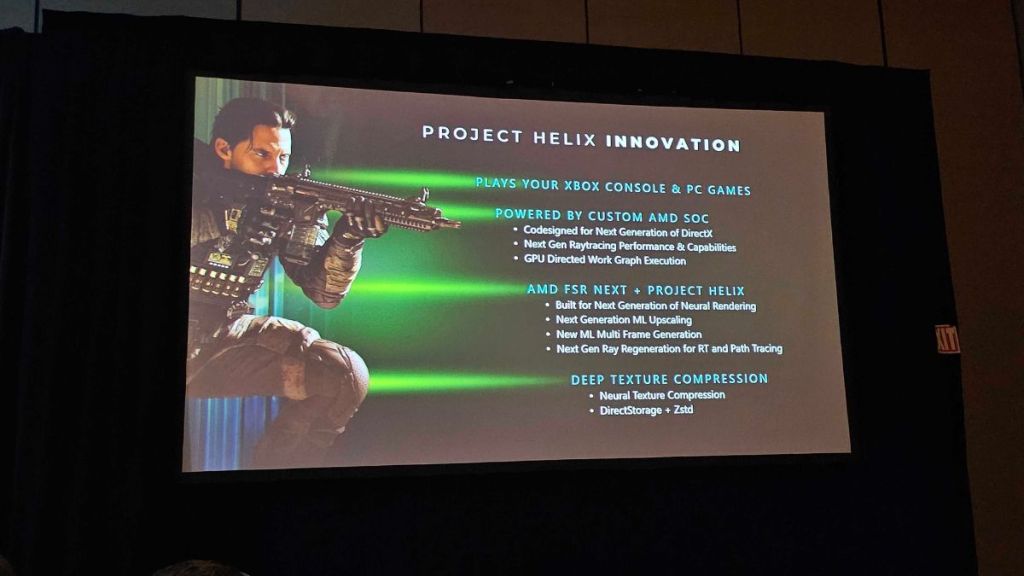
During GDC whispers turned into concrete slides about Project Helix: a hybrid Windows-powered machine that could run multiple storefronts. I respect the ambition, but history matters—Valve’s Steam Machine taught the industry that hybrid hardware faces a steep uphill. SteamOS and Valve’s ecosystem are mature; any challenger would need a compelling reason for players to switch.
Project Helix could be a Swiss Army knife that still forgets the screwdriver players use most: console simplicity. If Helix prioritizes a clear, console-first experience—an emotional center, a clean UI, and titles that feel native—it can be interesting. If it chases PC novelty at the expense of that core, it risks being technically impressive and emotionally bland.
I’ve always believed Xbox’s advantage sits in its studios, its IP, and a community that remembers better days. The hardware can catalyze that sentiment, but only if product feels like a console first and a multipurpose gadget second.
There’s a lot to prove. Microsoft has been guilty of misreading what made Xbox special: it had the hardware ambition, the studios, and the goodwill—and still managed to muddle the message. Now I see someone clearing the weeds. Xbox is, cautiously, rebuilding a spine.
So here’s where you and I stand: 2026 could be the year Xbox stops being a footnote and starts writing headlines again, or it could become the era where missed chances accumulate until the brand feels distant. Which outcome do you think will define this anniversary year?