
It was late, my torches were low, and a restless friend dared me to finish a Nether run before dawn. I opened the portal and the game shifted on me—sudden, loud, full of new rules. That was the moment I understood how updates can reroute the way we play.
I’ve been following Minecraft since its messy beta days, and I still treat each update like a small bet: will it change how I play, stream, or build? You already know Mojang (now part of Microsoft after a $2.5 billion (€2.3 billion) acquisition) can move the needle—here are five updates that did exactly that.
What is considered the best Minecraft update ever?
Most players point to the 1.16 Nether update. It remade an ignored dimension into a destination with new biomes, mobs, music, and netherite progression that reshaped late-game goals.
On my whiteboard a sketch of a farm sits next to my grocery list — Redstone felt like engineering homework that turned fun.
Minecraft 1.5 — Redstone Update. This update changed automation from a novelty to a language players speak every day. Redstone became Minecraft’s Swiss Army knife.
Hoppers, droppers, comparators, pressure plates, and new minecart variants arrived and made item sorting, collection, and transport reliable. Once you learn redstone, you stop carrying everything in chests and start building systems that run while you sleep.
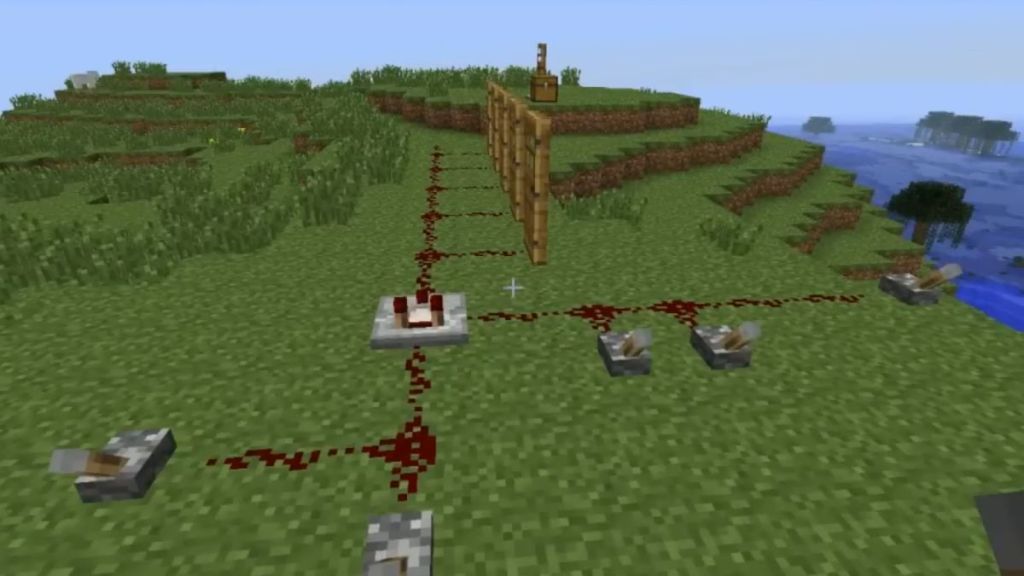
If you watch HermitCraft or Dream’s contraptions on YouTube and Twitch, you can see the Redstone update’s fingerprints: fully automated farms, item sorters, and mob grinders that scale. For builders, quartz blocks from the update became favorite materials for clean, modern houses.
At a 2024 event I watched a player test a new dungeon and grin—combat felt refreshed.
Minecraft 1.21 — Tricky Trials. Mojang sharpened combat and replayability with Trial Chambers, focused enemy design, and novel loot mechanics. The update added the Breeze enemy and Wind Charges that physically shuffled encounters.
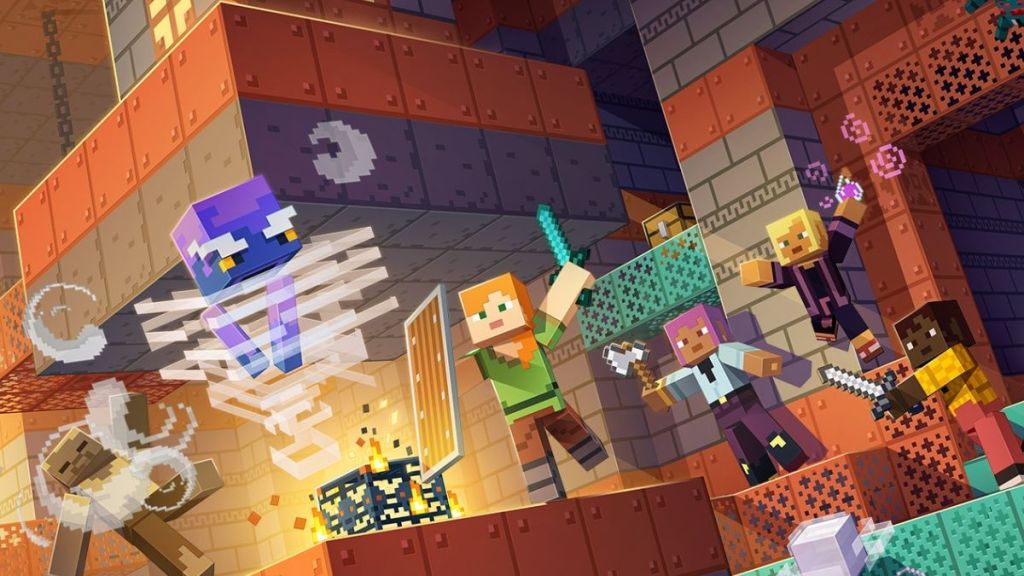
The exclusive Mace weapon and the Density enchantment rewrote combat math: fall-height scaling allowed creative one-shot strategies (yes, even against the Warden in some setups). Wind Burst and mobility changes also sparked new parkour and PvP mini-games across the best Minecraft servers.
In older saves, villagers wandered through empty streets; the world felt quiet and unfinished.
Minecraft 1.14 — Village and Pillage. This update breathed life into settlements: unique village architecture, job-specific villagers, and a refreshed trading economy. The world stopped being a backdrop and started acting like a market.
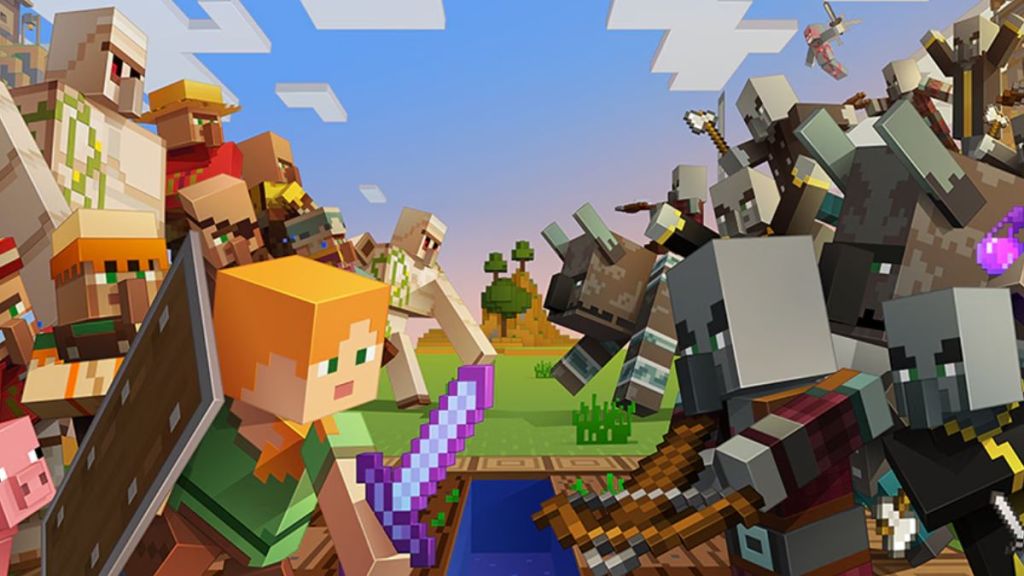
New workstations—blast furnaces, smokers, cartography tables, grindstones—and decorative blocks like lanterns and campfires changed how players planned bases. Pillagers and raids reintroduced tension and gave villages a defensive drama that kept communities returning and creators posting fresh content on Reddit and YouTube.
I still have a save folder labeled “before End”—the game felt open-ended, missing an ending.
Minecraft 1.0 — Full Release (Adventure Update 2). The 2011 release added potions, enchanting, strongholds, and the End. It turned Minecraft from an endless sandbox into a game with long-term goals and a final boss.
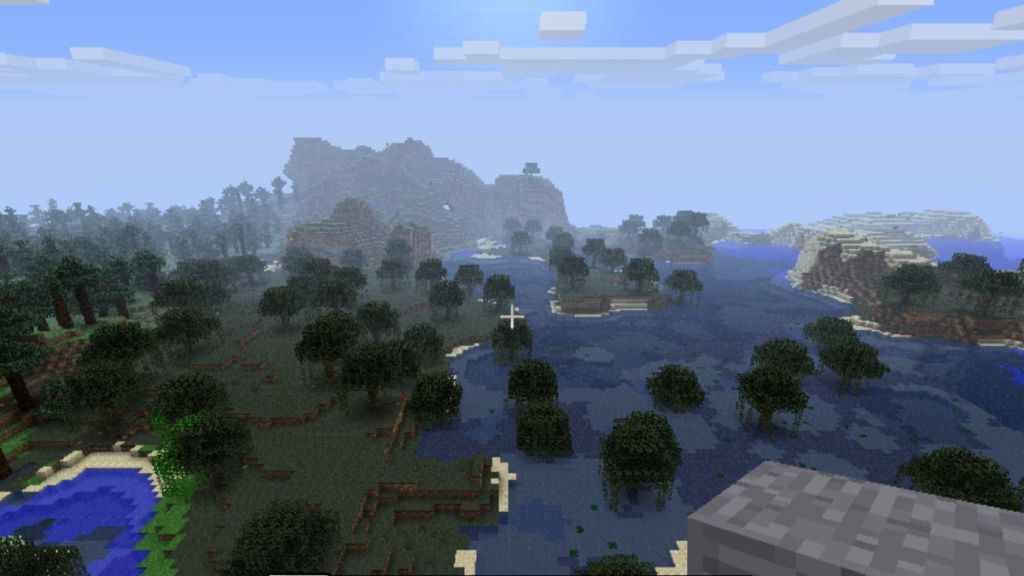
Enchantments and brewing added depth to progression—suddenly gear choices mattered and long-term planning rewarded exploration. Strongholds and the End gave players a goal: work through survival and face a final challenge. That structure shaped how servers, modders on CurseForge, and content creators built narratives around playthroughs.
At a console party I remember players pausing, stunned by colors and sound in the Nether.
Minecraft 1.16 — Nether Update. The Nether update turned the underworld into a neon cathedral. It introduced Crimson and Warped Forests, Soul Sand Valleys, Basalt Deltas, and Piglins—who barter instead of trade.
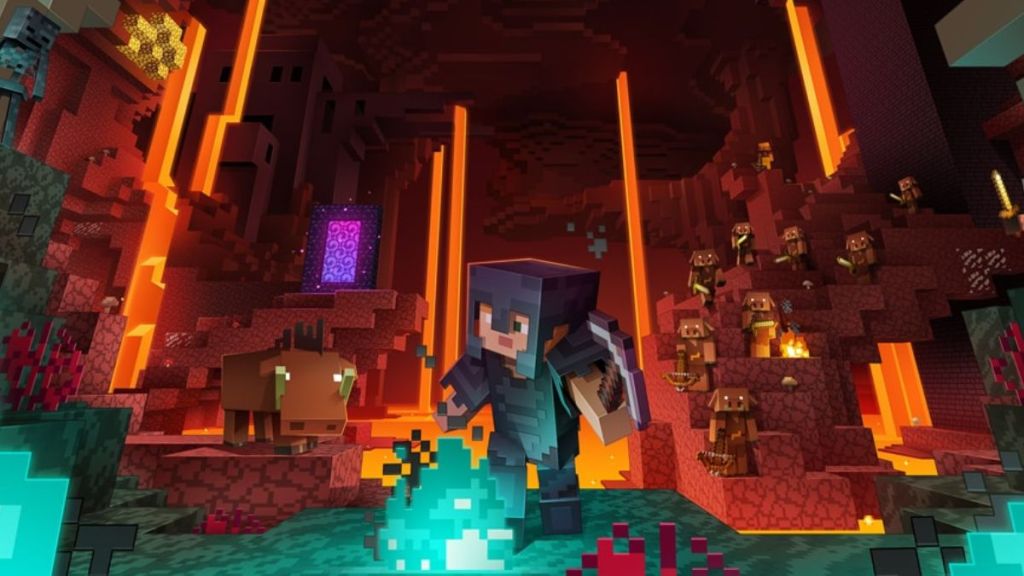
Netherite and new music like Pigstep shifted progression and culture: exploring the Nether became an objective worth organizing Twitch streams around, and server economies adapted to Netherite scarcity. The update pushed exploration, combat, and building forward all at once.
Which Minecraft update added Elytra?
The Elytra arrived in Minecraft 1.9, the Combat update, alongside End Cities and Shulkers—elements that reworked aerial movement and endgame verticality.
Updates matter when they change what you chase, build, or stream. These five did all three: Redstone rewired how we automate, Tricky Trials sharpened combat, Village and Pillage gave towns character, 1.0 offered goals, and the Nether update rewrote late-game ambition.
Tell me—which update changed the way you play, and why?