
I still remember the moment the world collapsed into silence: my little wooden roof, gone—one green-eyed Creeper, one bad turn. You sit there, stunned, and then you laugh because the map has a memory of you. That tiny loop—loss, stew of panic, then return—explains why you keep coming back.
I’ll tell you why Minecraft didn’t age into a relic. You might expect an evolution story where mechanics change and players move on. What happened instead is quieter: the game kept its bones and gave its players room to write their own lives inside it.
Minecraft’s ‘No Wrong Way to Play’ Strategy Still Works
On a weekday afternoon I watched a group of teenagers ignore the tutorial and build a massive redstone elevator instead.
You enter Minecraft with no roadmap. That absence—no handholding, no mandatory grind path—creates ownership. You learn by doing, you invent your routine, and the game rewards curiosity rather than leaderboard points. That freedom is rare in modern titles that trap you in loops of leveling and cosmetic competition.
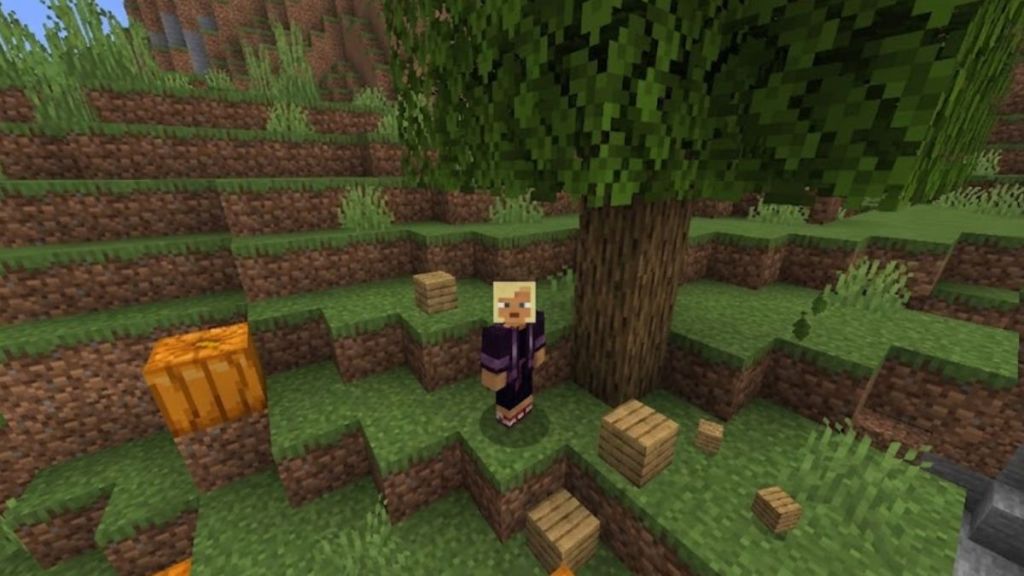
Achievements exist, but they sit behind curiosity. You can farm potatoes for a week, cave for hours, or hunt the Ender Dragon—none of it feels prescribed. The result is a player base that self-selects into explorers, architects, engineers, or gladiators. That freedom keeps engagement high: people return because the game lets them be themselves, not a number.
Why is Minecraft still popular?
Because it gives you control and permission to stop caring about control. You play on your terms, you carry your memories, and you share those memories on platforms that magnify them—YouTube, Twitch, and Discord channels where a single speedrun or building timelapse can pull millions back into the game.
Minecraft Became a Social Memory and Grew Up Alongside Its Audience
I bumped into a college friend who still fires up the same survival world we started in middle school—he showed me the old nether portal framing an anniversary screenshot.
It stopped being “just a game” when it started collecting life. The terrible first night, the Creeper blast, the shaky wooden house—those are stories people tell. Adults in their 20s, 30s, even 40s return not for novelty but for that warm familiarity. Children bring in new players; parents come to understand the world their kids inhabit.
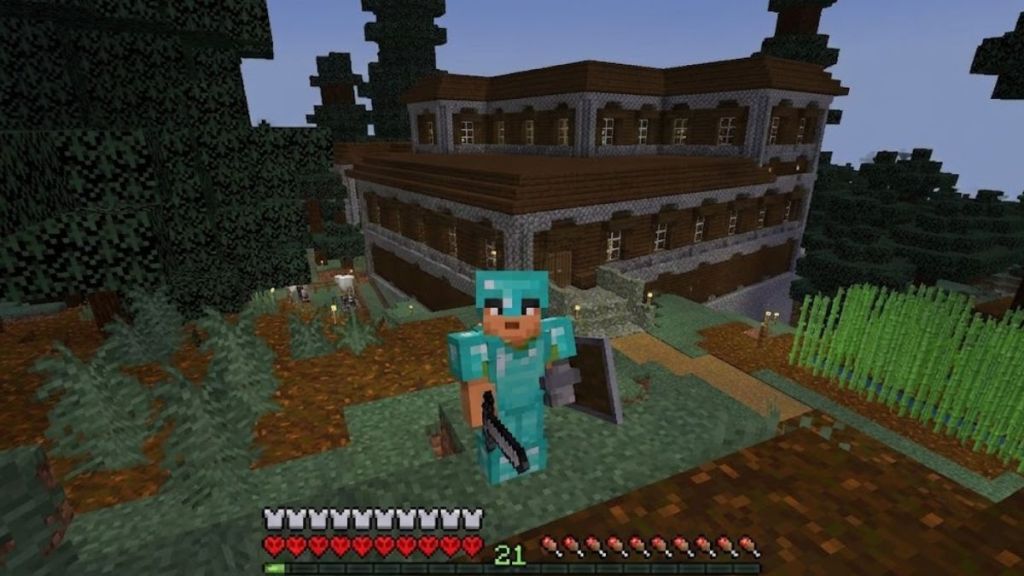
Hardcore servers, co-op survival nights, or a dusty single-player world that survived friend groups—these are social anchors. The modding scene and custom servers keep those anchors flexible: people revive an old map, patch it with Fabric or Forge mods, and suddenly you’re back with old friends. That continuity turned Minecraft into a cultural common room rather than a disposable product.
How has Minecraft changed over time?
It added layers but didn’t rewrite the script. New biomes, mechanics like archaeology, and mobs appear, yet you still start by punching a tree and building a shelter. The changes are additive; they expand choices without stealing the core loop that made players fall in love.
Mojang Expanded Minecraft Without Destroying Its Identity
At a Mojang update meeting I sat in years ago, the team insisted: keep the core intact while offering new reasons to explore.
That restraint is rare. Microsoft bought Mojang for $2.5 billion (€2.3 billion) in 2014, yet the studio kept the game’s voice. The company added biomes, deeper caves, and new mobs through careful patches and public tests. Fans get the occasional Mob Vote, the Marketplace for creators, and Bedrock-Java cross-play improvements—changes that feed the community rather than overwrite it.
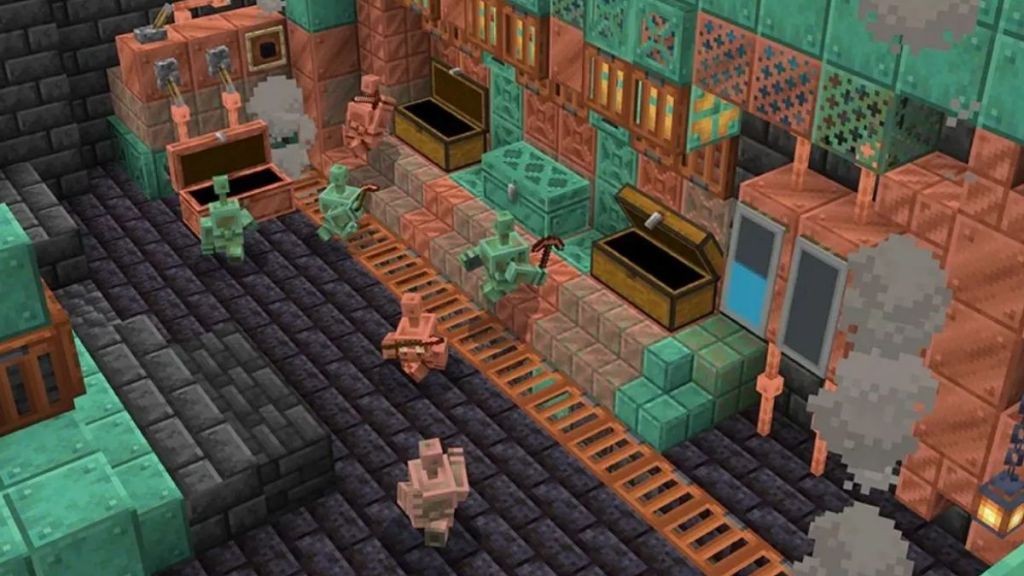
Mojang listens—using feedback from snapshots, Reddit threads, and creators on YouTube and Twitch—and then ships updates that feel like answers. The Copper Golem arriving after a community vote is a concrete example: the company honored a fan preference and turned it into content that delights players and creators alike.
Minecraft’s Atmosphere Still Feels Eternal While Other Titles Fade Away
I sat at the top of a mountain and the sunset, a lone piano loop in my headphones, made me stop building for a moment.
Minecraft’s soundtrack—C418’s ambient themes—does what many modern soundtracks do not: it creates room for thought. Those tracks score your memory rather than demand attention. The modding ecosystem—CurseForge texture packs, shader mods, and custom maps—acts as an endless engine of aesthetic reinvention. Players get both the comfort of familiarity and fresh ways to experience it.
Minecraft is a well-worn sweater players reach for on stressful days, and its updates are a slow tide shaping the shore of possibility.
Will another game replace Minecraft?
There are strong contenders: Hytale promised a structured sandbox and Vintage Story offers simulation depth; Roblox remains a cultural heavyweight with millions of user-made experiences. Yet none have matched Minecraft’s blend of simplicity, creative depth, and cultural memory. Platforms like Steam and Epic host alternatives, but Minecraft’s cross-platform presence—Java, Bedrock, mobile—keeps its reach wide.
Seventeen years in, the metrics matter less than the mechanics of belonging. The game hands you a blank set of tools, a soundtrack that remembers, and a social plumbing—YouTube creators, Twitch streamers, modders on Forge and Fabric—that amplifies personal narratives. That mix made Minecraft resilient through changing monetization patterns and shifting attention economies.
I’ve seen a thousand players rage at a Creeper and then grin when they rebuild what was lost. The question now is not whether Minecraft can survive another decade; it’s whether future designers will learn how to hold a community’s memory in one hand while offering new experiences in the other—will they know how to keep a game soulful and still bring people back for more?