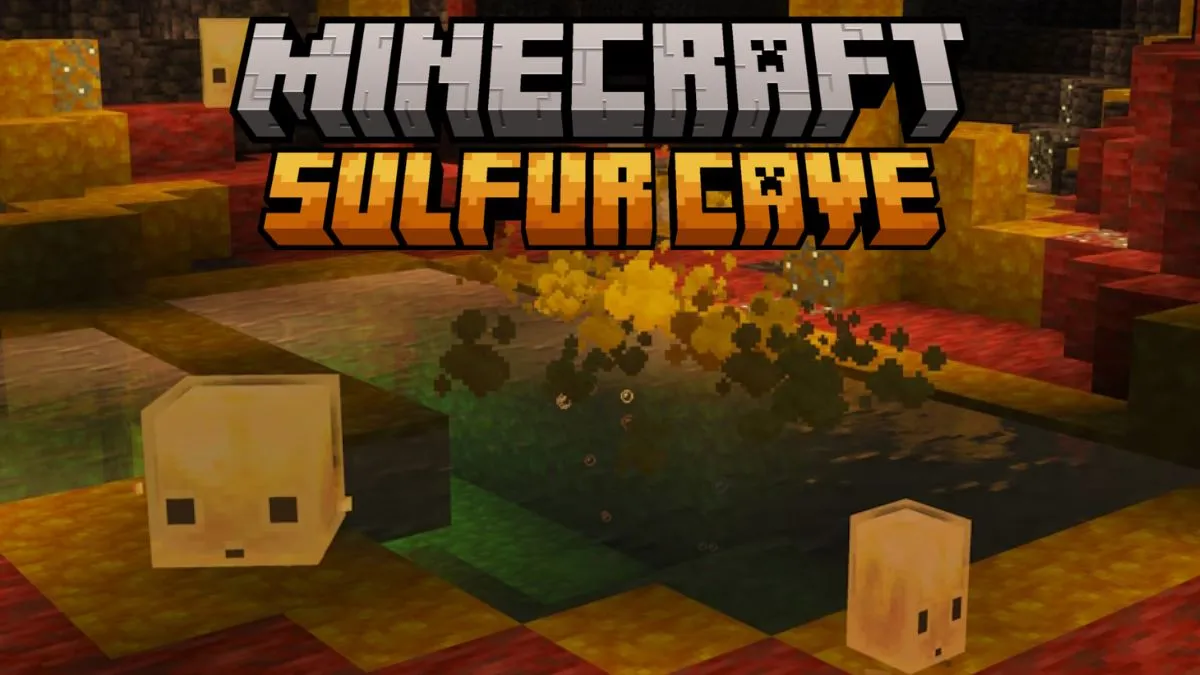
My torch flickers and the yellow glow hits something that shouldn’t be underground—bubbling pools and a wall of sulfur so bright it makes my inventory look dull. I step closer, the screen blurs, and for a second I wonder if I walked into a geology lab gone rogue. You don’t need to be a seasoned miner to know this cave is worth the trouble.
I’m Bipradeep Biswas-level obsessive about metrics and moment-to-moment decisions in Minecraft, and I’ll walk you through the Sulfur Caves so you waste less time and die less often. Read fast, test ideas, then try them yourself: I’ll explain where these caves hide, which new blocks you’ll want to harvest for builds, and how the Sulfur Cube can be a nuisance or a tool. Think of this as a field guide that cuts the guessing out of spelunking.
On the surface you’ll see yellow pools like warning signs. What are Sulfur Caves in Minecraft?
The Sulfur Caves arrived with the Chaos Cubed update and they change the underground palette: bright sulfur tones and deep cinnabar red instead of endless stone. These biomes mimic geothermal springs—pools bubble, gas rises, and stepping into them gives you the Nausea effect that warps your screen.
Architecturally they’re loud: towering sulfur and cinnabar pillars can span floor to ceiling, and the biome’s centerpiece is the new Sulfur Cube mob. These cubes look like a cross between Slimes and Magma Cubes but behave very differently: they absorb blocks and take on behavioral archetypes based on what they eat. That makes them unpredictable and, in the right hands, extremely useful.
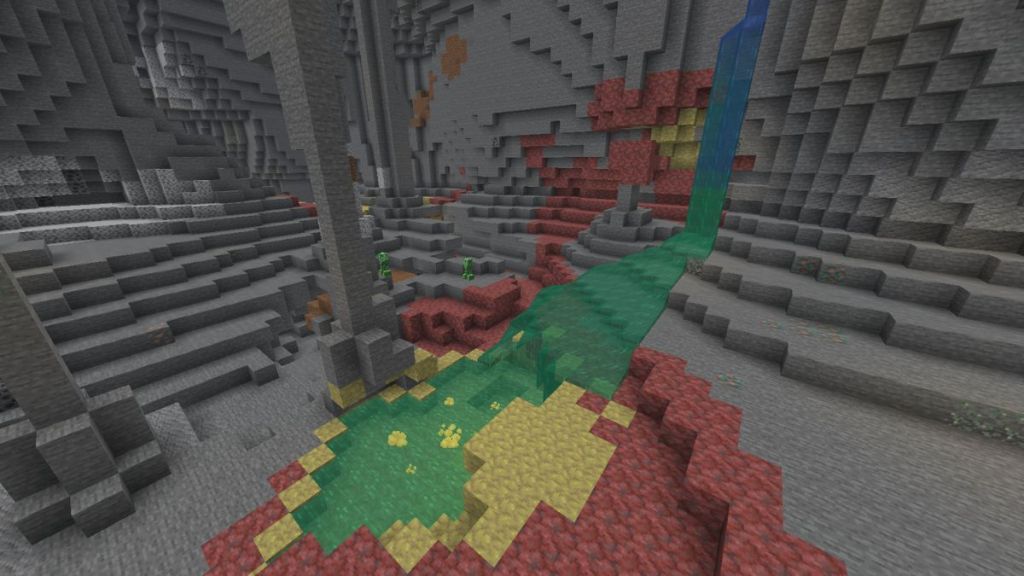
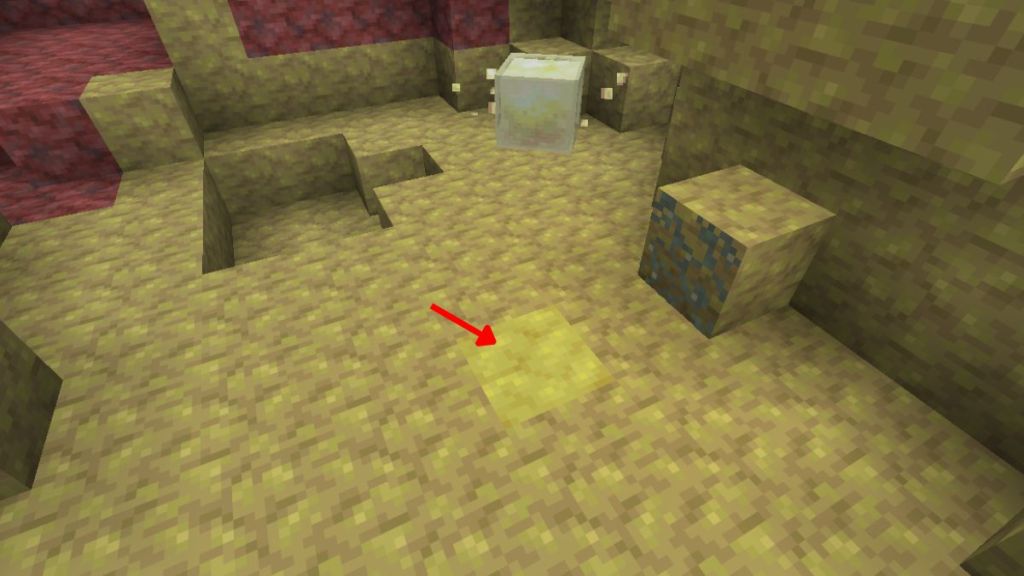
When you scan biomes from the surface, small yellow springs stand out. How to find Sulfur Caves in Minecraft
You have three reliable paths to a Sulfur Cave: spot surface Sulfur Springs, go mining and explore naturally, or use a command. I’ll run through each so you can pick the speed-versus-effort trade-off you want.
How do I find Sulfur Caves in Minecraft?
Surface Sulfur Springs are the fastest locator. They come in small to extra-large sizes with bubbling yellow water—dig straight down beneath one and you have the best chance of hitting the biome quickly. If you’re using community tools like Chunkbase or the Minecraft launcher’s biome maps, Sulfur Springs show up visibly on many online seeds, so pair those tools with the /locate command for precision.
If you’re in the mood to explore, regular caves will sometimes open into Sulfur Caves the same way Lush and Dripstone biomes do—keep an eye out for yellow sulfur or red cinnabar blocks as your clue. Mining while you explore pays off; you’ll gather useful ores like iron, gold, and diamonds on the way.
Are Sulfur Caves available in Minecraft right now?
Yes. They’re accessible in the latest Java snapshots and Bedrock Previews from Mojang. If you play on official releases, check the patch notes or the Minecraft.net blog; otherwise, load the snapshot/preview in your launcher and test them in a separate world to avoid corrupting your main save.
What happens if I touch the Sulfur gas?
Walk into gas from Potent Sulfur under pools and you get Nausea—your view warps and movement becomes awkward. Light armor won’t protect you; the only foolproof avoidance is to stay out of bubbling pools or to block off gas sources. Remember: Potent Sulfur generates gas clouds that rise into nearby water, so watch your footing around springs.
You’ll notice new textures that are bright and usable. All new blocks in Minecraft Sulfur Caves
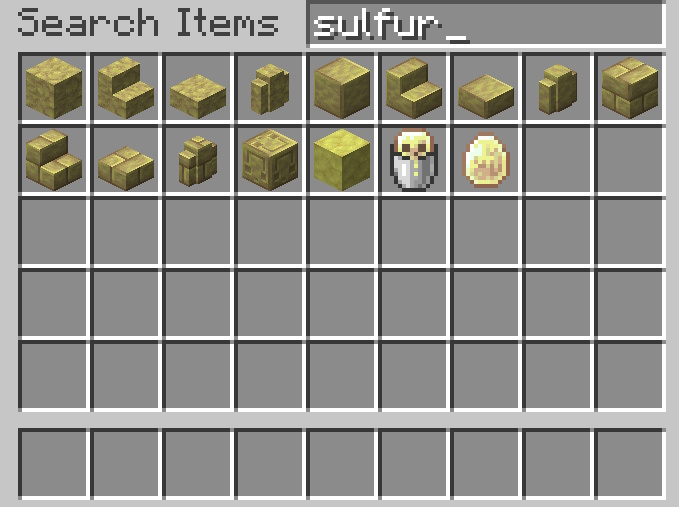
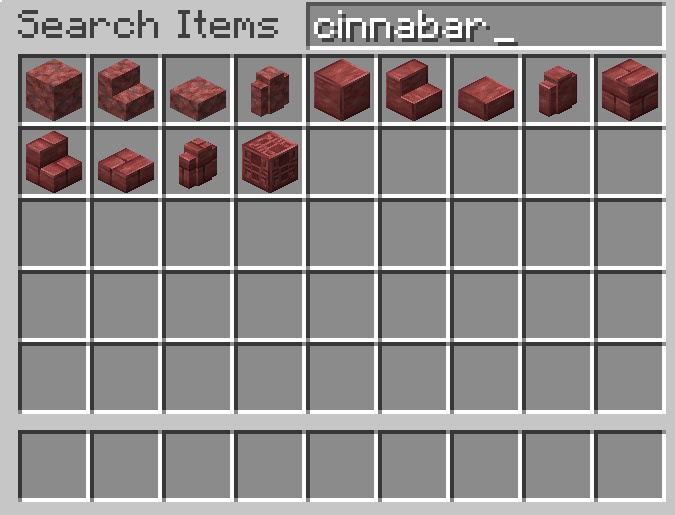
The Sulfur Cave brings fresh materials that change build palettes: Sulfur blocks (bright yellow), Potent Sulfur (lighter, found under pools), and Cinnabar (deep red). Each set includes stairs, slabs, walls, polished and chiseled variants, and bricks—so they’re ready for creative use.
Sulfur Blocks: Bold yellow blocks that make structures pop. They include stairs, slabs, walls, polished Sulfur, chiseled Sulfur, and bricks—handy for alien labs or desert-style builds.
Potent Sulfur: Only below springs and pools; it looks cleaner and spawns gas clouds that can poison nearby water with Nausea. If you harvest it, remember where you place it—you can make intentional hazard traps or decorative vents.
Cinnabar Blocks: Red, volcanic-looking blocks that match Sulfur’s contrast. They come with the same decorative options—use them to frame sulfur accents or to add dramatic floors.
The cave floor often hides a single strange creature. All new mobs in Minecraft Sulfur Caves
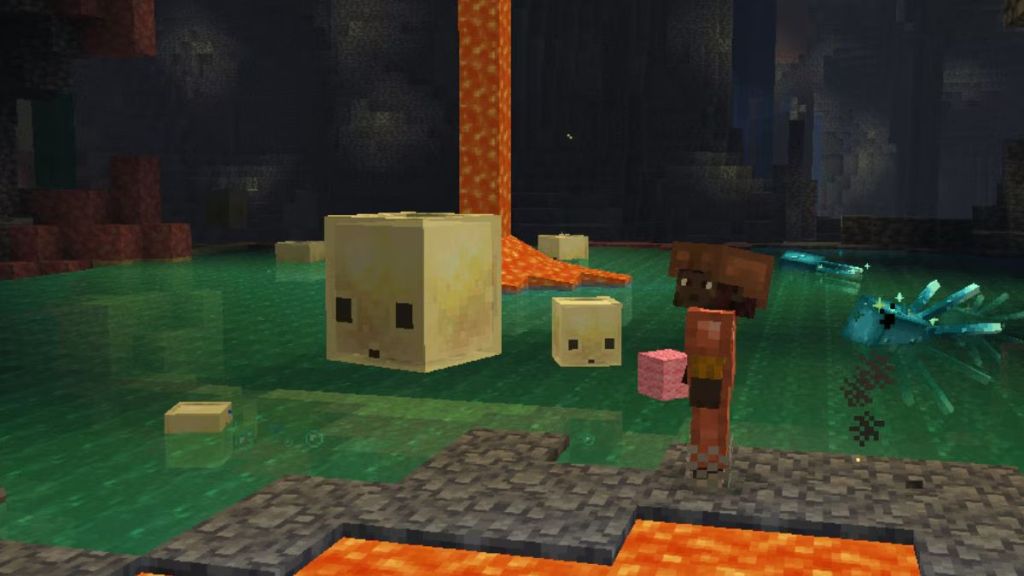
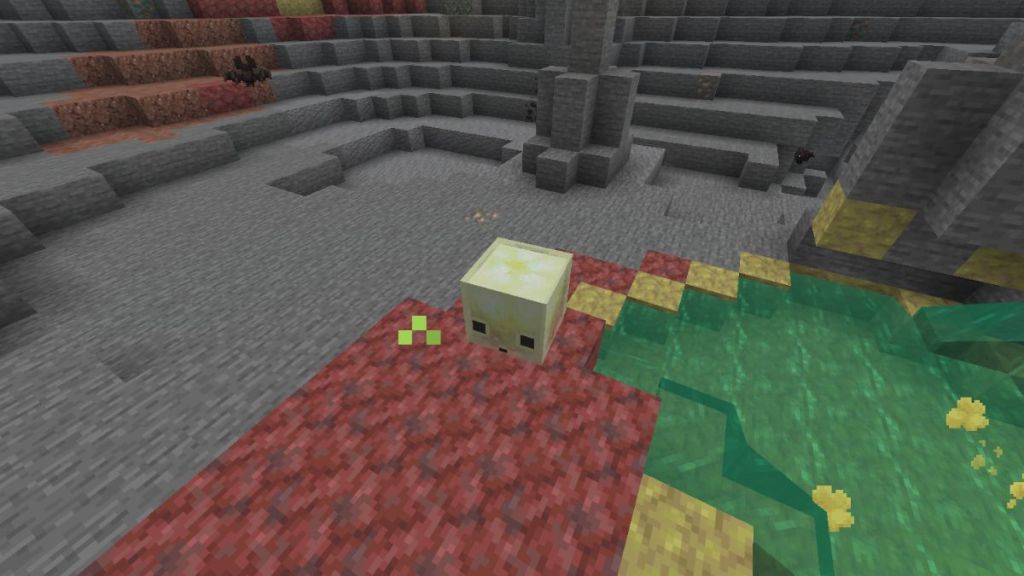
Sulfur Caves introduce one major mob: the Sulfur Cube. It looks harmless—square, yellow, with big eyes—but its behavior is the biome’s headline.
The Sulfur Cube absorbs blocks and changes attributes: speed, bounciness, ground friction, and air drag. Feed it iron and it becomes slow with low bounce and higher drag; feed it ice and it zips with almost no bounce. Those shifts let you shape Sulfur Cubes into moving elements for redstone builds, minigames, or weird decorative contraptions.
Can you tame a Sulfur Cube in Minecraft?
You can’t tame Sulfur Cubes like wolves or cats, but you can direct them. Hold a block they can eat to lead them; feed them specific blocks to program their physics. That gives you a pseudo-taming method—control their behavior without sitting through trust animations.
The Sulfur Cube’s four attribute axes mean each consumed block is effectively a small behavioral script. Use that knowledge in custom maps or redstone arenas: a cube that behaves like a heavy iron ball is a very different hazard than one that skates like ice.
Field tools and community resources matter. Practical tips and trusted platforms
If you patch between versions, test Sulfur Caves in a separate world using the Minecraft launcher. Use the /locate biome minecraft:sulfur_caves command to get coordinates fast, or pair that with Chunkbase, Reddit seed threads, and YouTube creators who post seed showcases. For Bedrock players, the Bedrock Preview and official Minecraft.net posts are where Mojang announces changes.
Two practical micro-routines I use: map the surface for Sulfur Springs, then mark coordinates in a note app or Discord channel; and always carry a stack of non-flammable blocks and a potion of Night Vision to keep the Nausea effects manageable. Think of Sulfur Blocks as a color kit and Sulfur Cubes as programmable physics—one is decorative, the other is mechanical. Like a neon bruise on the cave walls, the biome demands attention; and like a sponge that remembers what it ate, a Sulfur Cube carries that memory into your builds.
Now that you’ve seen where Sulfur Caves hide, what you can harvest, and how to use the Sulfur Cube, which experiment will you try first?