
You open a game, pay $70 (€65), and a billboard blinks at you on the first corner. You don’t close the game; you keep playing, because the billboard belongs to the street, not the product pitch. I noticed that shift the minute an Aston Martin felt like Bond’s steering wheel, not a corporate logo.
I write about how stories and markets collide. You probably suspect ads are a necessary evil. What I want to show you is how video games are quietly turning that evil into an advantage — and why that matters for the future of advertising, brands, and the platforms that host them.
Video Games Let Brands Live Rent-Free in Their Worlds
A city full of ads looks busy; a city without them looks empty. That simple observation explains a lot.
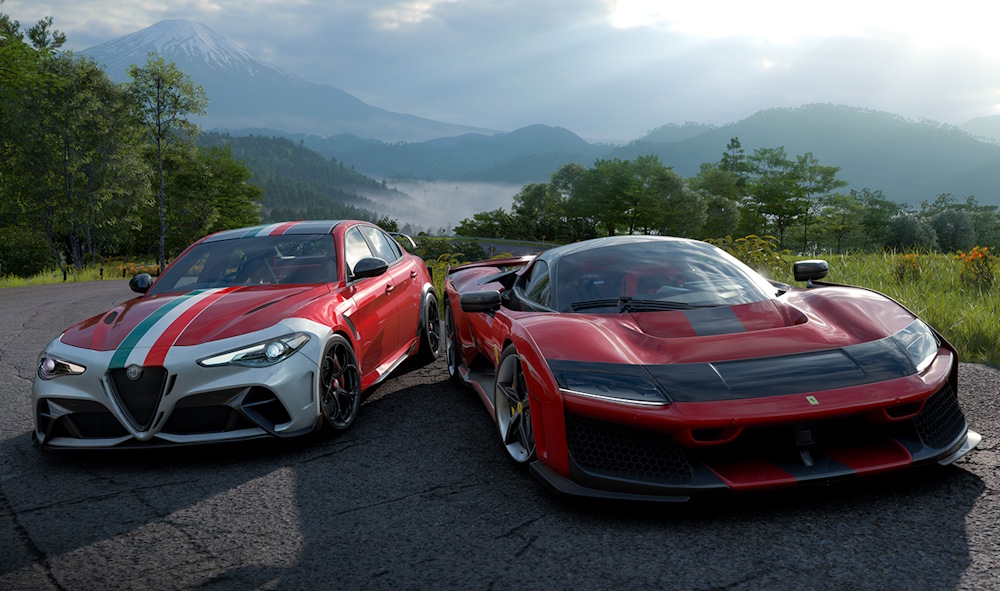
I’ve walked virtual avenues where every storefront, billboard, and subway ad sits like a lived-in scar of commerce — and it works. When Rockstar layers Sprunk cans and parody fast-food ads over Los Santos, the place feels populated. When Forza shows you a Ferrari under chrome light, the dream is tangible. You accept brands because they map to real environments, and the world-building is doing more persuasive work than any line of copy.

A Great In-Game Ad Can Be as Memorable as a Quest
I noticed players talk about cars and moments more than logos at every car meet and forum post. That observation points to how ads can become narrative tools.
When Forza Horizon lines the road with Ferraris, you don’t feel sold to — you feel invited. Sports titles like EA Sports FC and NBA 2K plaster arenas with sponsors because those details are part of the presentation players crave. The ad doesn’t interrupt the fantasy; it strengthens it. I call that integrated presence: an ad that behaves like set dressing, then shows up in a quest or broadcast so it becomes part of your story.

Remember Death Stranding’s Monster Energy tie-in? That wasn’t a passive billboard — players carried cans, used the brand as gear, and argued about it for months. That’s an advert working like a prop in a play, not a poster on a wall.
Do brands pay to be in video games?
Yes — often directly through licensing deals with publishers like EA, Rockstar, and studios using Unreal Engine or Unity. Brands regard games as long-term shelf space with engagement metrics (time on screen, player interaction) that streaming or TV struggle to match. For context: a title sold for $70 (€65) can contain millions of micro-moments where a brand earns attention over dozens of hours.
Rockstar’s Fake Companies Have Better Marketing Than Some Real Ones
I once overheard players debating whether Sprunk tastes like real soda — an odd compliment to a fictional brand. That observation is telling.
Rockstar built a parallel economy inside GTA: radio ads, storefronts, and product parodies that feel lived in. When you accept Ammu-Nation or Cluckin’ Bell, you accept the city. Those fictional brands pull weight because they’re coherent, funny, and consistent. They act like a background score that makes every chaotic moment believable — like wallpaper that hums.

If a fictional brand can spark conversation, imagine what a well-placed real brand can do when it’s integrated with quests, leaderboards, and in-game economies. Platforms like Steam, Epic Games Store, and console storefronts are fertile ground for creative licensing that ties brand performance to real player behavior and telemetry.
Are in-game ads intrusive or do they enhance immersion?
Both can be true — but the line is simple: intrusive ads call attention to the brand; immersive ads make the brand part of the moment. The best examples move from background to story without breaking your concentration. That’s why agency teams at Nielsen and in-house studios at EA or Ubisoft are experimenting with native ad experiences that measure engagement by interaction, not impressions.
Movies Keep Flexing the Brand Deal While Games Keep You Immersed
I watch product placement in films and often spot the stunt: a close-up of a logo, a line of dialogue written to sell. That pattern is predictable.
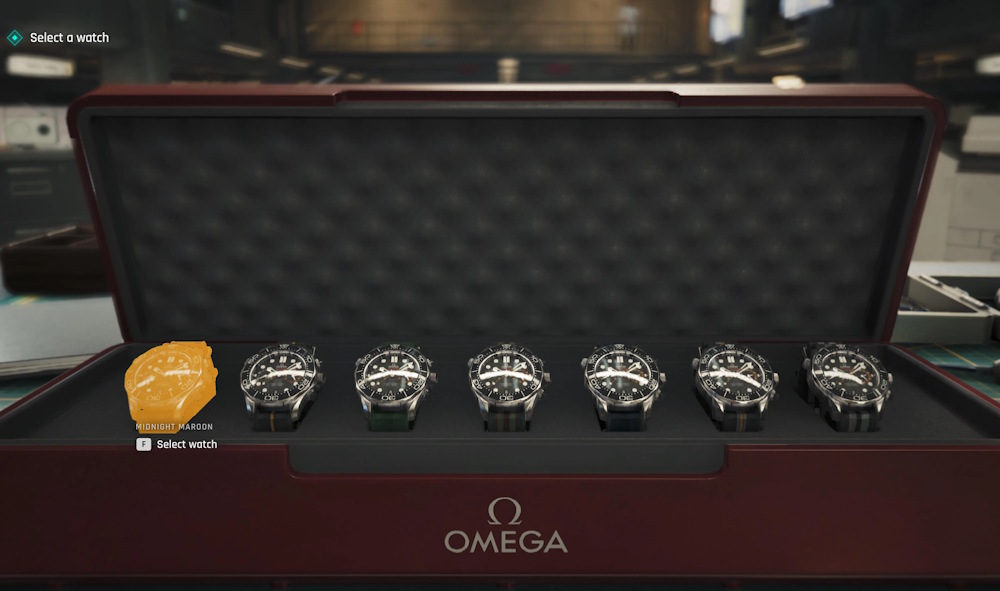
Film placements tend to demand attention; games seduce it. In a movie, the brand often becomes the objective; in a game, the brand can be a tool you use or a landmark you navigate by. When you wear an Omega watch in 007 First Light, it’s functional. When you race a BMW M3 GTR in NFS, the car is identity. Video games fold advertising into mechanics, social systems, and player identity — making the brand part of the player’s story like a needle threading through fabric.
Platforms and tech companies sense the shift. Xbox’s Phil Spencer talks about ecosystem services; Unity and Unreal Engine offer runtime ad placements and dynamic lighting systems that let brands integrate at scale. Agencies are paying attention because game telemetry gives them purchase-intent signals you cannot get from a 30-second TV spot.
I want to be clear: this isn’t a sellout manifesto. It’s a guide to what works and what consumers tolerate. Ads that respect context, design, and player agency win. Ads that demand your attention lose.
If brands, platforms, and developers treat placement as storytelling — not interruption — the economics follow. Brands get longer, richer impressions; players get worlds that feel lived in; studios unlock revenue that funds more content and live services. And advertisers can track outcomes with the scientific precision of telemetry, not the guesswork of focus groups.
I’ve tracked campaigns where a single in-game activation drove social spikes, media pickups, and measurable lift in brand searches. Advertisers who treat games as stages, not billboards, get multiplatform returns — social chatter, earned coverage, and actual commerce. That’s why agencies are placing bets inside live service economies and why media buyers are moving dollars toward in-game sponsorships on Steam, the Epic Games Store, and console ecosystems.
You can be skeptical, and that skepticism is useful. But you should also be strategic: if your brand wants attention that lasts longer than a TV ad flight, games offer time, mechanics, and social proof — and they let you be part of memories rather than interruptions.
So what should you watch for next: brands that build scenes, or scenes that build brands?