
The demo launched during State of Play. Twenty minutes later I was exhilarated by the combat and frustrated by how cautious the encounters felt. I closed the game knowing Capcom might have given us a masterpiece wrapped in training wheels.
I’m a melee-action fan and a self-declared souls nut, so I came to Onimusha: Way of the Sword with expectations and an itch for proper risk. You’ll read impressions here, straight and sharp—what thrilled me, what worried me, and why the demo felt safer than it should have been. I downloaded the free demo (free — $0.00 / €0.00) on Steam the second it went live, and I’ll tell you exactly what that 20-minute slice reveals.
Miyamoto Musashi Is Exactly the Kind of Hero Onimusha Needed
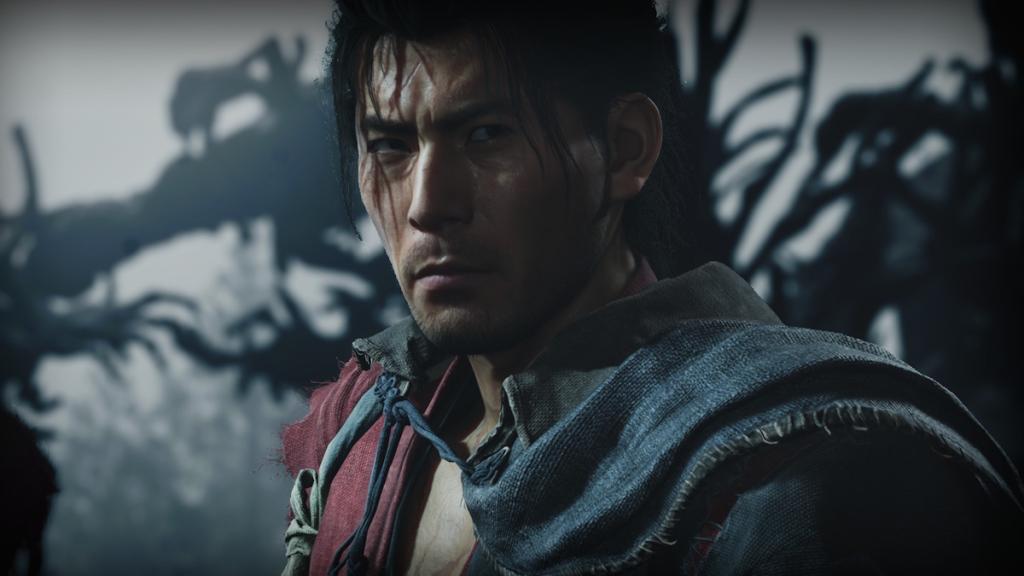
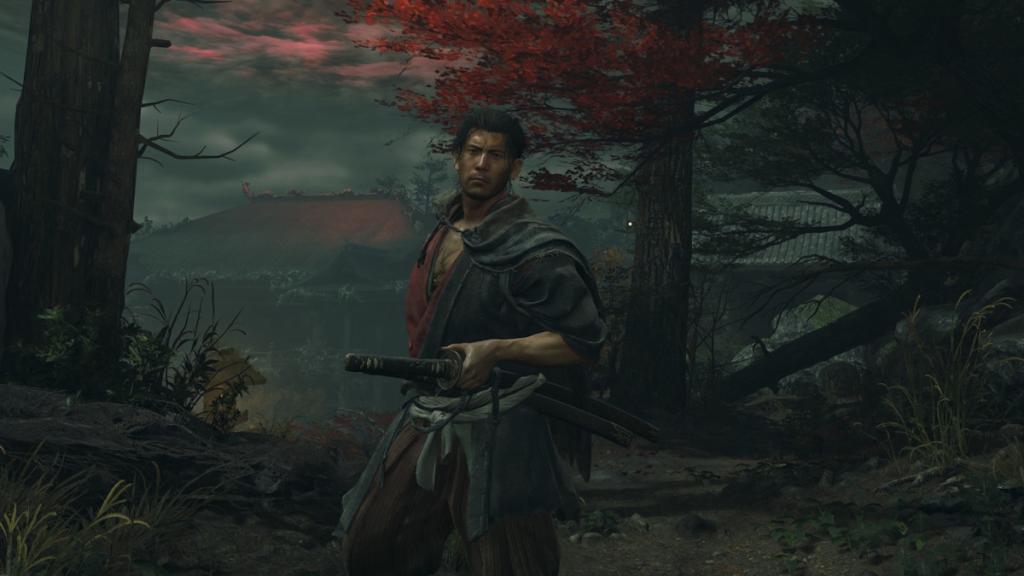
The demo boots to Musashi stepping into a fight with more swagger than solemnity—he jokes while a demon looms. Capcom has given him personality and presence: expressive animations, sly quips, and that confident, slightly cocky bearing.
That personality matters. Musashi is a cultural lightning rod—an undefeated duelist turned myth—and the team leans into that myth without trying to be a biography. What we get is a playable icon who behaves like a fully realized protagonist, not an empty avatar. If Leon from Resident Evil was recast as a ronin, you’d see echoes here: moments of levity threaded through lethal efficiency.
Not Every Sword Fight Needs to Be a Parry Simulator
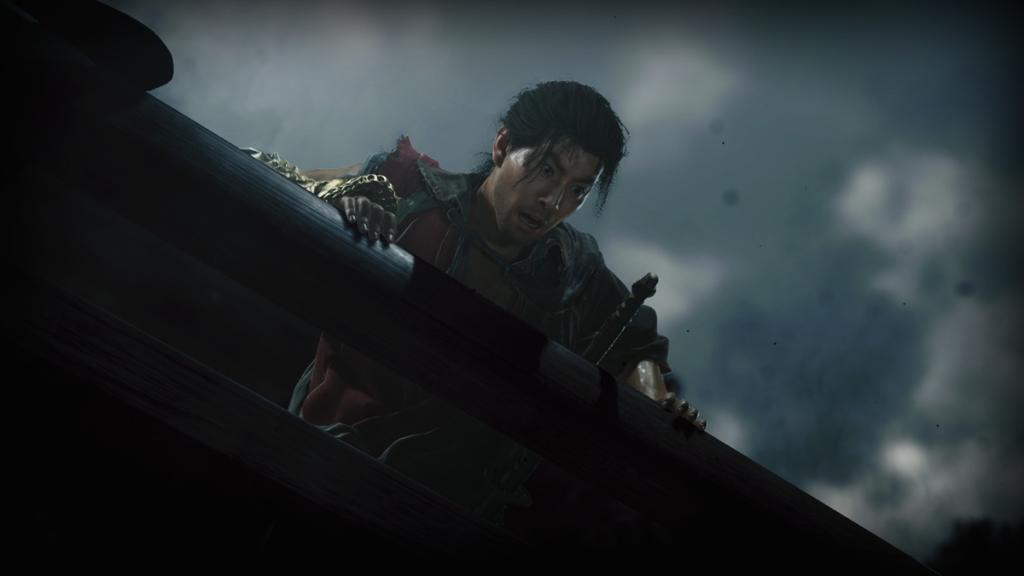
I pressed X, timed an attack, and the world snapped into a blade clash; the feedback was immediate. The demo proves Capcom didn’t merely copy Sekiro’s recipe—there’s an appetite for variety here.
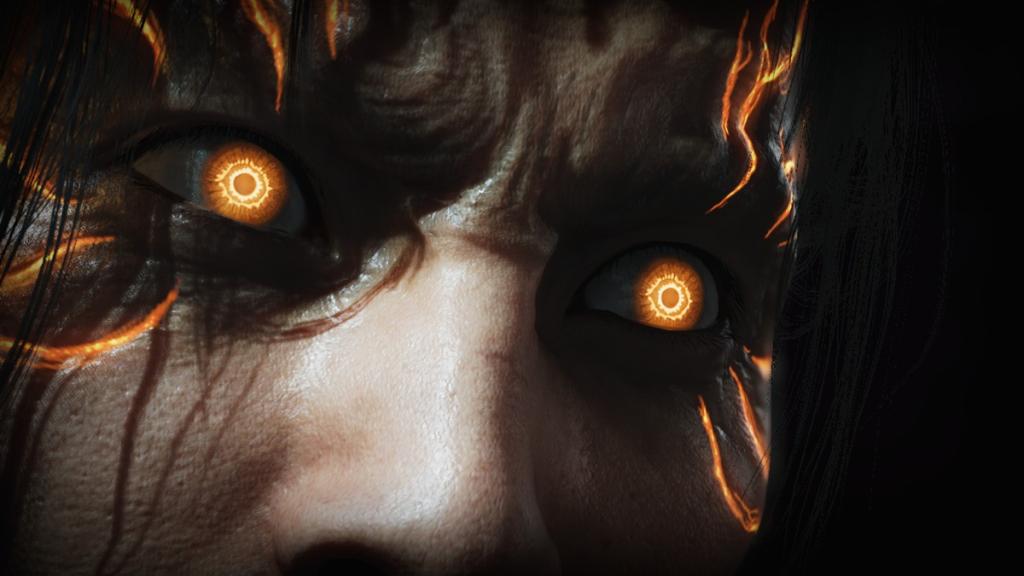
The combat is a layered system: timed clashes that spawn cinematic finishers, a stance-damage mechanic separate from simple blocks, critical hits that let you target limbs, and the familiar perfect-parry and dodge counters that feel satisfying to pull off. Visual effects and impact sounds reward precision in a way that elevates each encounter.
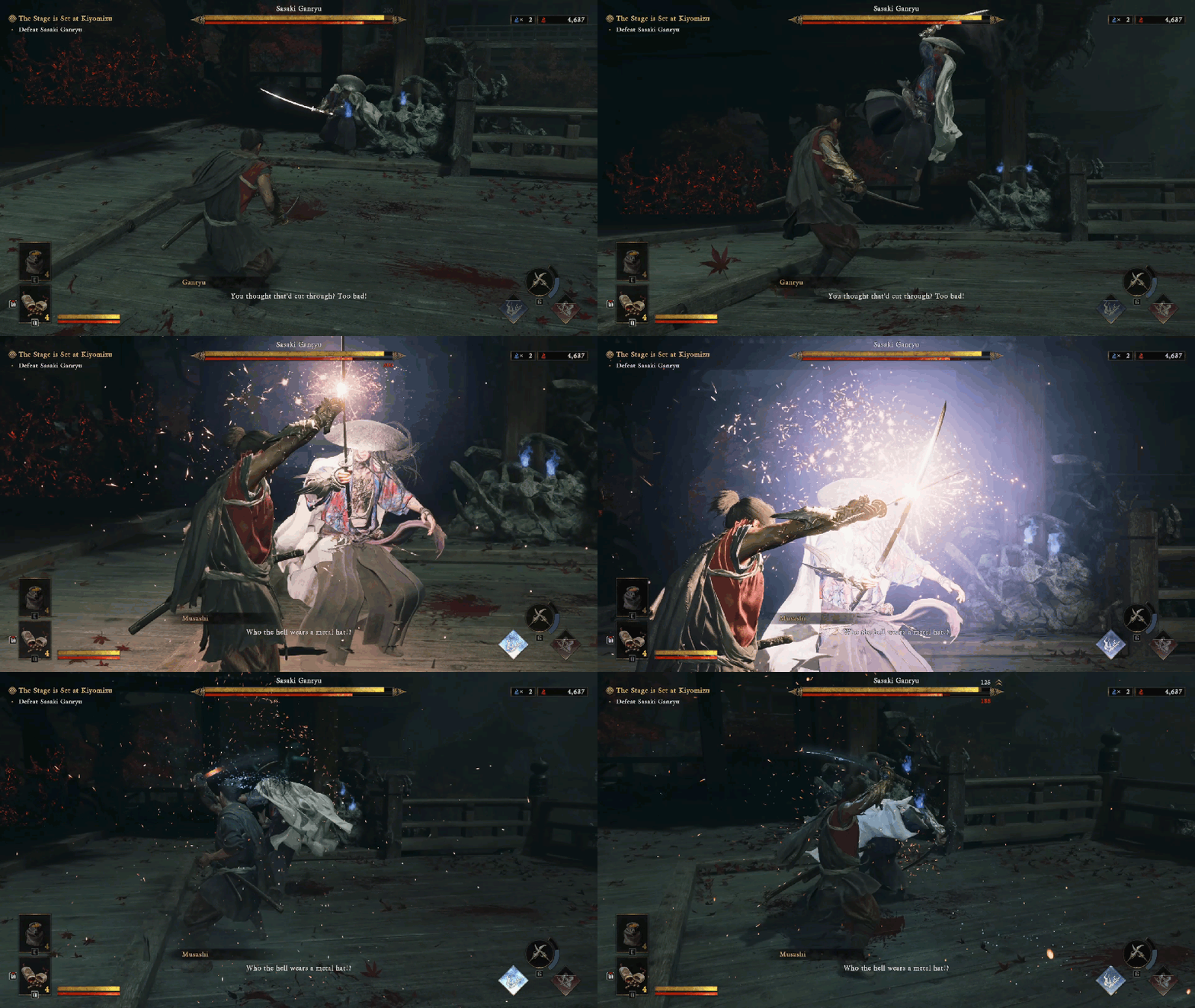
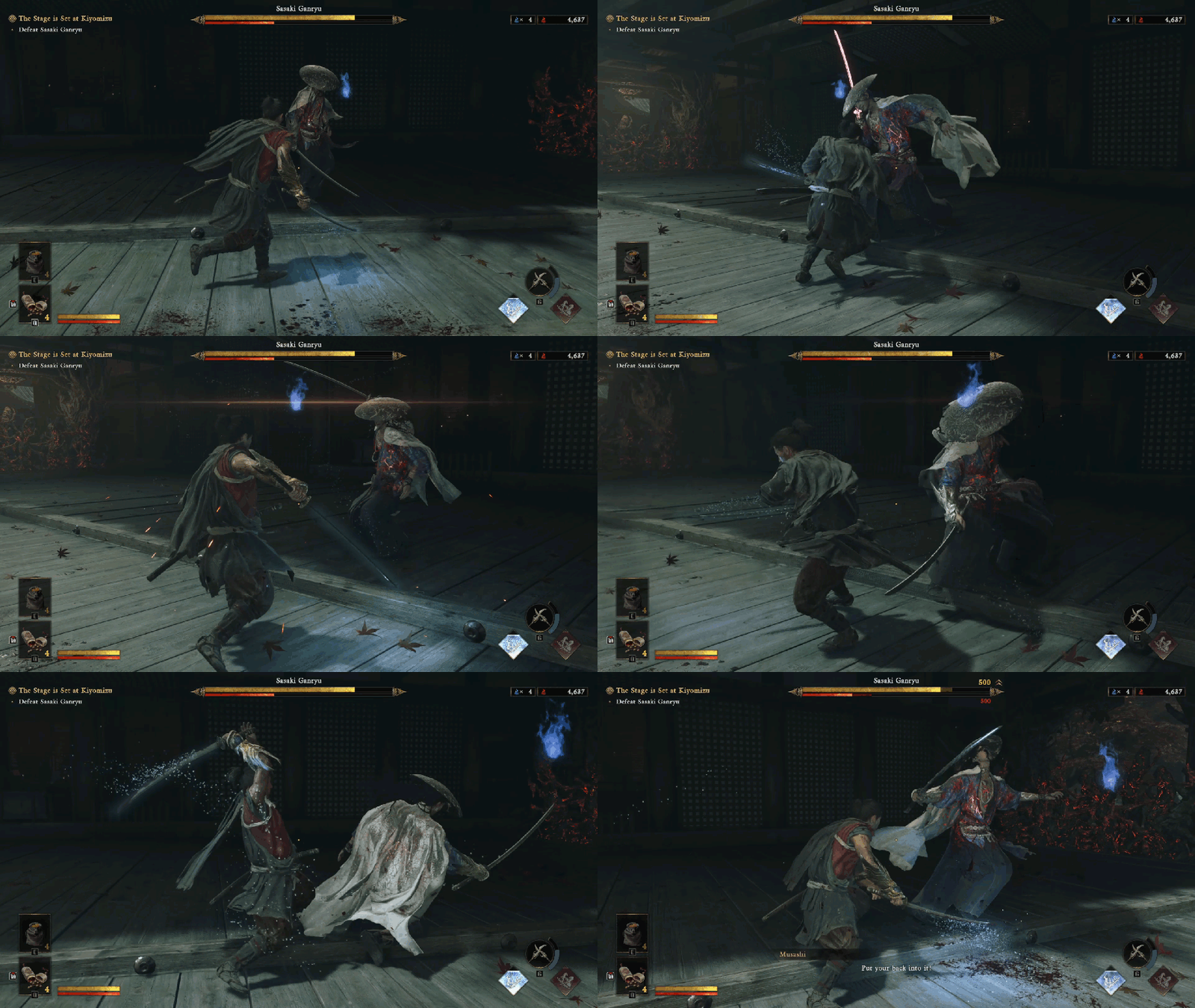
The system is precise and rewards knowledge of enemy tells. The hits feel calibrated; the combat is a razor-sharp symphony. If you care about melee design—whether you’re coming from FromSoftware’s Sekiro, Sucker Punch’s Ghost of Tsushima, or Capcom’s own Devil May Cry experiments—you’ll appreciate how this one stitches timing, risk, and spectacle together.
Is Onimusha Way of the Sword’s combat more complex than Sekiro?
Short answer: yes and no. Sekiro’s single-minded parry-and-posture approach is narrower; Onimusha mixes posture-style clashes with targeted limb damage and cinematic counters. Think of it as Sekiro’s precision grafted onto an action toolkit that gives you more tactical choices per encounter.
The Demo Pulled Its Punches a Bit Too Often and That’s Quite Worrysome
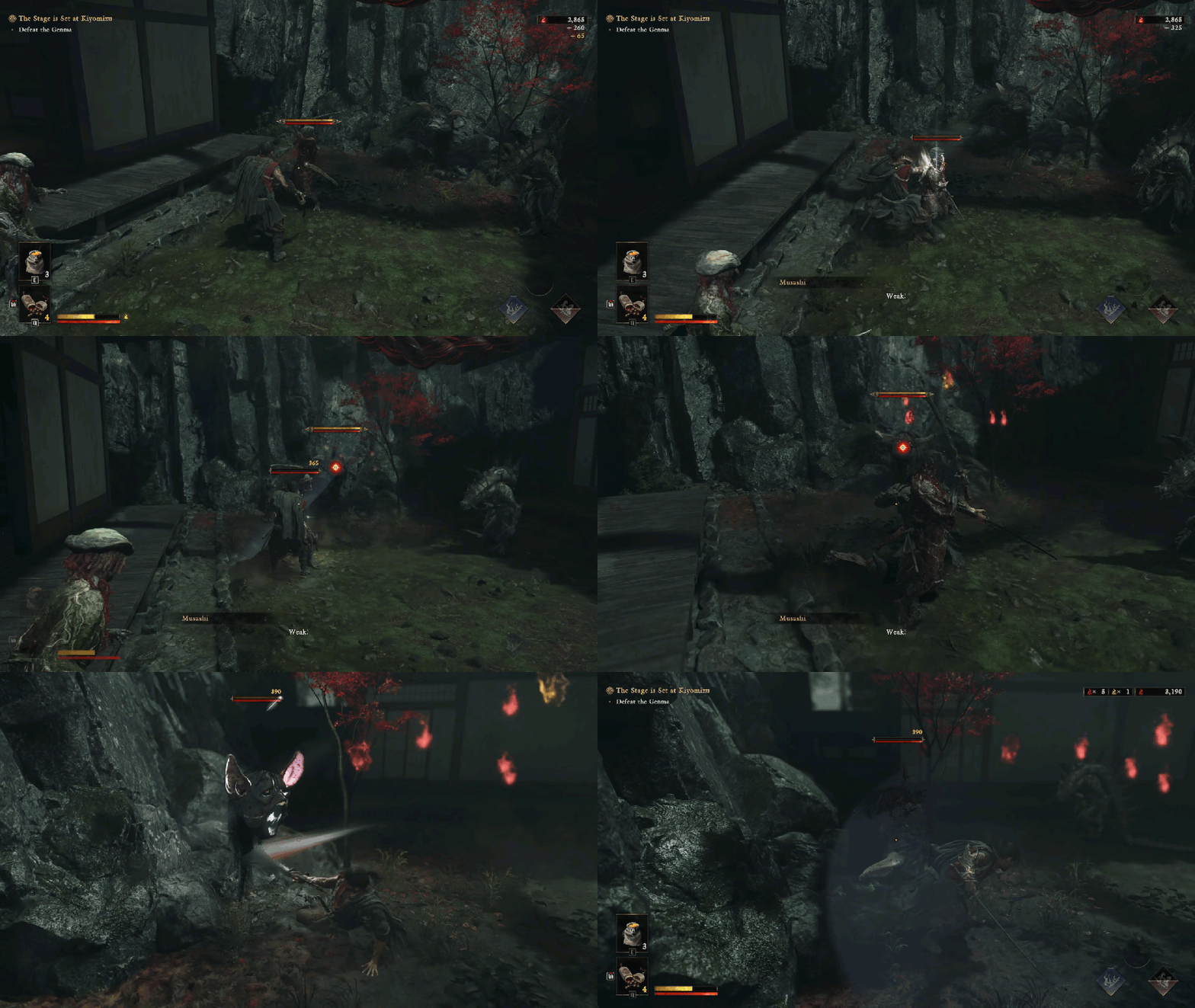
Enemies stood still until I engaged them, which was the first red flag in the demo’s second act. In a game built around duel cadence, passive foes feel like a broken promise.
On highest difficulty the demo played like a training arena: groups queued politely to be fought one at a time instead of acting as a coordinated threat. That removes urgency, removes the hair-on-neck moments, and turns a tense duel into a methodical checklist. The demo is a museum exhibit turned into a playground —beautiful to watch but lacking real danger.
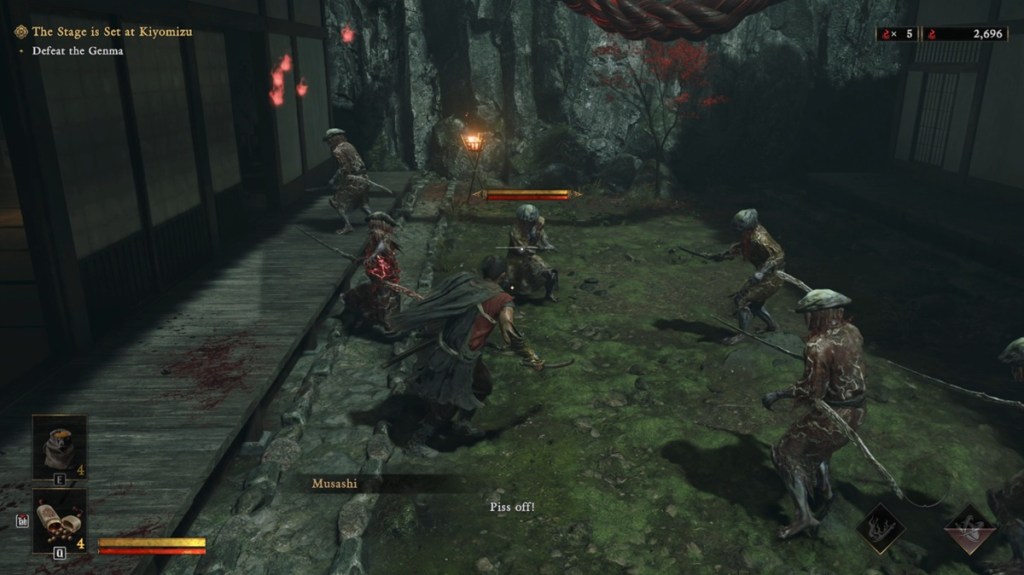
Capcom’s past work—Resident Evil, Monster Hunter, Dragon’s Dogma—shows the studio can tune pressure and pacing. My hope is this is a demo limitation, not the design’s intent. If final encounter AI matches the demo’s politeness, the combat’s brilliance will be dulled by predictability. If Capcom tightens enemy coordination or adds modifiers (think Monster Hunter difficulties or optional Dragon’s Dogma-style challenge layers), this will feel less like a demonstration and more like a proper test of skill.
How long is the Onimusha demo and does it reflect the full game?
The demo ran about 20 minutes for me, enough to sample combat systems and character beats but not long enough to reveal late-game enemy behavior or design choices. Demos often bias toward scripted moments; treat this as a preview of mechanics rather than a final difficulty statement.
Capcom has had a strong run in 2026 — Resident Evil Requiem and Pragmata raised the studio’s stock with players and critics — and this project carries weight because of that momentum. You can sense the studio’s investment in spectacle and accessibility, and Steam as a platform made trying the demo simple and immediate.
I remain excited by what I played: combat that rewards timing, a protagonist with personality, and design flourishes that feel intentional. I’m cautious about the encounter design and the demo’s appetite for risk. If Capcom sharpens enemy aggression, Onimusha could be one of this year’s best action offerings; if not, it’ll still look and sound excellent without the danger it promises.
Have you tried the demo on Steam or watched the State of Play reveal—what did you do differently, and did the fights feel safe or savage to you?