
You hear the timer tick before you see the enemy. I watched a showmatch at VCT Masters London where a team sprinted from outside and won a round in under twenty seconds. Retake is a pressure cooker.
I’m going to walk you through what Riot Games shipped for Season 2026 Act 4 and why this short-form 3v3 mode will change how you practice clutch moments and watch Valorant on Twitch. You’ll get the rules, the quirks, and the play patterns that matter — fast.
What Is Retake LTM in Valorant?
At the VCT Masters London Grand Final reveal, players were handed a mode that skips the warm-up and drops them into a fight already begun.
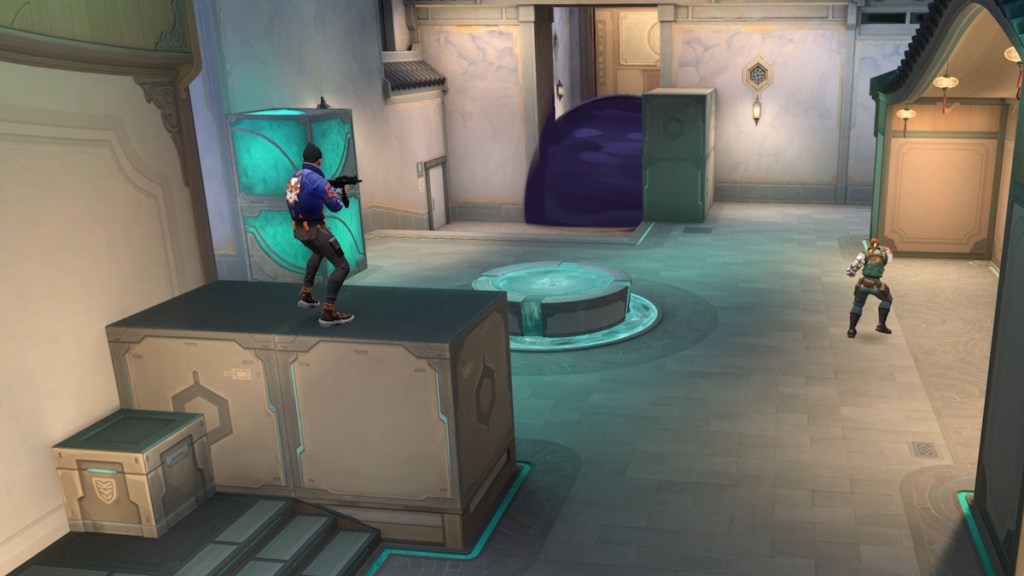
Retake is a round-based 3v3 mode where the Spike is already planted when the round starts. One team spawns on-site as the Planters and defends the Spike; the other team spawns outside as the Retakers and must break in to defuse it. Rounds are short, tense, and the first side to five round wins takes the match. Teams switch sides every round so both squads experience attack and defense equally.
Is Valorant Retake a permanent game mode?
No — Riot Games published Retake as a Limited Time Mode (LTM). There’s no confirmation it will move into a permanent playlist, so if you want these tight clutch scenarios, play while it’s live.
How Planters and Retakers Work
During the showmatch on the new Summit map, the difference between winning and losing was decided in seconds.
The round starts after a short countdown and the Spike automatically plants at a visible location. That single change flips the mental model: there’s no trading utility for positioning over several minutes — you either hold or break the hold now.
- Planters (Attackers)
- Spawn directly on the bomb site
- Defend the planted Spike
- Win by eliminating all Retakers or letting the Spike detonate
- Retakers (Defenders)
- Spawn outside the site
- Defuse the Spike or eliminate all Planters
- Must quickly break through defensive setups to secure the round
Can you play Retake on every Valorant map?
No. Retake uses individual bomb sites ripped from existing Valorant maps rather than full map rotations. Riot will launch with a curated pool of sites that suit the format and plans to add more sites through Season 2026 Act 4.
How the Loadout System Shapes Each Round
In one demo, a streamer gambled on a low-utility weapon card and turned a messy entry into a clutch — the loadout system forces quick choices.
Instead of normal buys, Retake uses randomized loadouts. Before each round you pick two cards:
- One card assigns weapons and armor
- One card sets ability charges
Each card offers two randomized options so you tailor your round plan on the fly. Riot also confirmed loadout quality scales up as the match goes on, meaning later rounds bring stronger weapons and more utility — the stakes escalate without lengthy economy management.
When Does Valorant Retake LTM Release?
On the dev roadmap, Riot timed this one for a big seasonal drop.
Retake launches on June 24, 2026 with Season 2026 Act 4. That update also brings the new Summit map, the Blackspyre Collection, and a fresh Battlepass — a packed patch that pro players, streamers, and Riot’s own showcases at VCT Masters London highlighted during previews.
Why This Mode Matters to Players and Viewers
Chat lit up during the showmatch whenever a retake turned into a multi-kill; the audience reaction was the clearest signal.
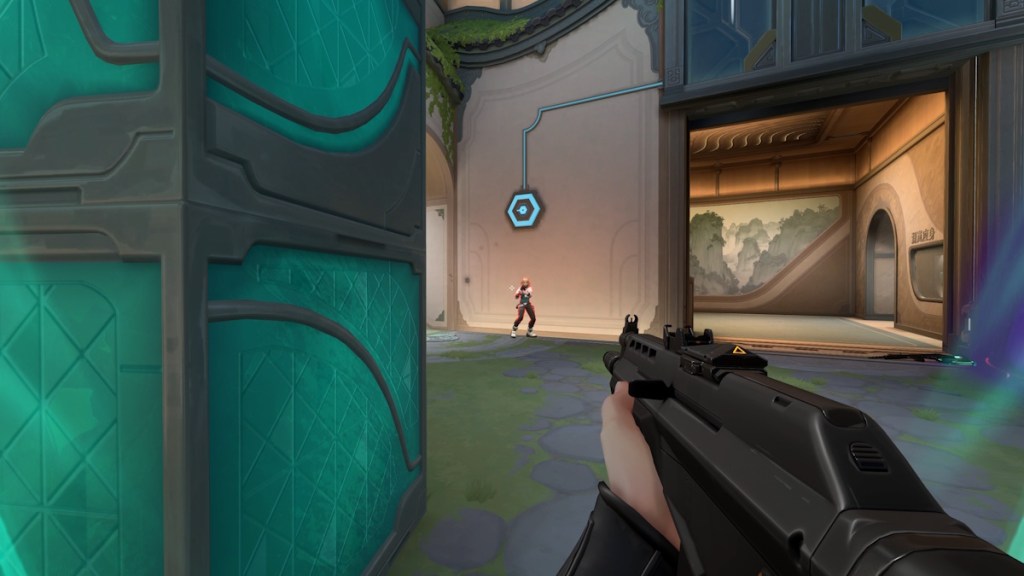
If you want intense clutch practice or fast, watchable rounds for streaming, Retake condenses the drama of a late-round retake into every single round. The site becomes a gauntlet — you’ll be forced to make split-second utility calls, angle clears, and reads that normally take entire rounds to develop. Riot Games and pro players are already using the mode to rehearse retake scenarios, and streamers will lean on it for highlightable moments.
Try a few matches, study how the randomized cards change your approach, and watch how quickly you and your team adapt. Will you risk the aggressive entry for a quick defuse, or clutch patiently from a corner?