
I remember opening Steam on launch morning and seeing the GPU usage spike like a siren. You have ten minutes to decide whether to upgrade or accept choppy cutscenes. I sat there with the specs in one hand and a credit card in the other.
I’ve tracked system requirements for a decade; you get my quick read: S-Game gave clear minimum and recommended bars, and those bars tell you what will breathe life into the game and what will hold you back. Phantom Blade Zero is a neon samurai carved from rain — gorgeous, but hungry.
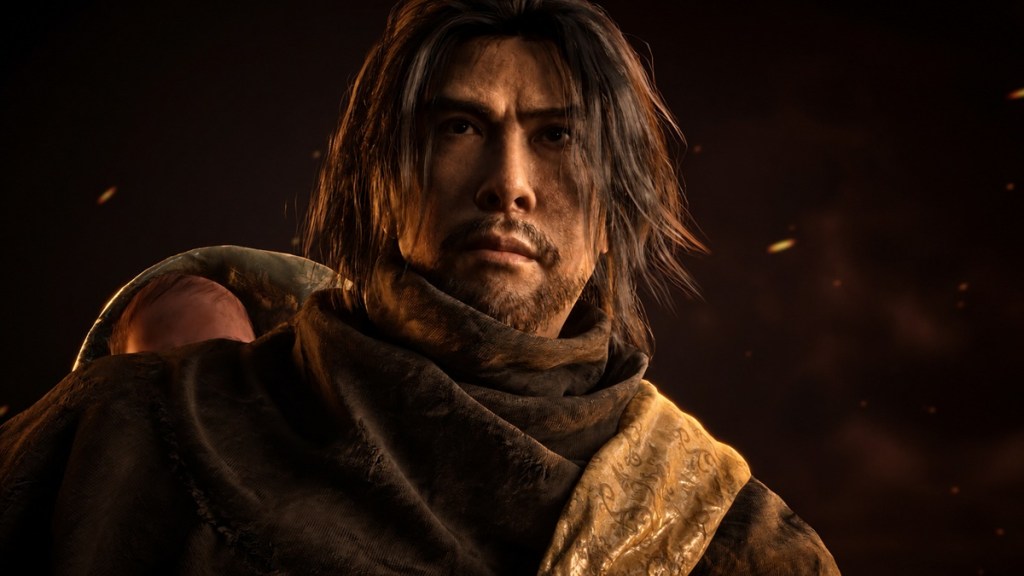
Can my PC run Phantom Blade Zero?
If you want a quick check: S-Game’s minimum target is 1080p at roughly 30 fps with upscaling turned on. That’s the baseline for a playable session, not a visual showcase. You’ll need an SSD and a six-core modern CPU to get there without stutters.
Fans scream the moment ray tracing loads — Phantom Blade Zero Minimum System Requirements
That choking noise usually means one thing: you’re at the margins. Here’s what S-Game lists as the minimum to run the game at 1080p/30 fps with upscaling enabled.
- Processor: Intel Core i7-8700K or AMD Ryzen 5 3600
- Memory: 16 GB RAM
- Graphics: NVIDIA GeForce GTX 1660 (6 GB) or AMD Radeon RX 5500 XT (8 GB)
- Storage: SSD required
- DirectX: 12
- Operating System: Windows 10/11 64-bit
Storage capacity hasn’t been posted yet; S-Game only confirms an SSD is mandatory. If your build matches these parts, you’ll play smoothly at the baseline settings — but you’ll be running on the edge when advanced lighting is enabled.
What are the recommended PC specs for Phantom Blade Zero?
S-Game’s recommended target is 1440p at 60 fps with upscaling active. That’s where the game looks and feels like it was designed to.
Your GPU temperature climbs like a race clock — Phantom Blade Zero Recommended System Requirements
For stable 1440p/60 with the better visual features and upscaling, aim higher than the minimum. Here are the recommended components S-Game cited.
- Processor: Intel Core i5-10600K or AMD Ryzen 5 5600X
- Memory: 16 GB RAM
- Graphics: NVIDIA GeForce RTX 3060 Ti (8 GB) or AMD Radeon RX 6700 XT (12 GB)
- Storage: SSD required
- DirectX: 12
- Operating System: Windows 10/11 64-bit
- Ray tracing specification: NVIDIA GeForce RTX 5060 (8 GB) — 1080p/60 fps with upscaling
- Path tracing specification: NVIDIA GeForce RTX 5080 (16 GB) — 2160p/60 fps with upscaling
Path tracing is the most demanding setting S-Game mentions; your system will feel the strain. Your GPU becomes a pressure cooker when path tracing is active, and upscaling is the valve you must keep open to avoid overcooking frame rates.
Does Phantom Blade Zero support ray tracing and path tracing?
Yes. S-Game confirmed both ray tracing and path tracing support. Ray tracing will rely on RT cores in NVIDIA cards or Radeon ray accelerators on AMD hardware; path tracing pushes hardware even further and is the reason the developer lists RTX 5080-level spec guidance for 4K targets.
Practical advice: if you play on Steam or the Epic Games Store, verify pre-order bonuses and whether DLSS/FSR support is listed in the store page. NVIDIA’s DLSS and AMD’s FSR will be the tools that let you hit higher resolutions without throwing money at rarer GPUs. Donnie Yen’s cameo in trailers has already driven chatter across Twitter and Reddit — expect demand for high-end setups to spike around launch.
Release and event reminders: Phantom Blade Zero launches October 29, 2026, and S-Game planned a State of Play on August 17, 2026 with more technical details. If you’re weighing upgrades, watch that broadcast for real-world footage that will tell you what settings are feasible for your rig.
Will you upgrade your GPU to chase flawless visuals, or will you play with clever upscaling tricks and keep what you have?