
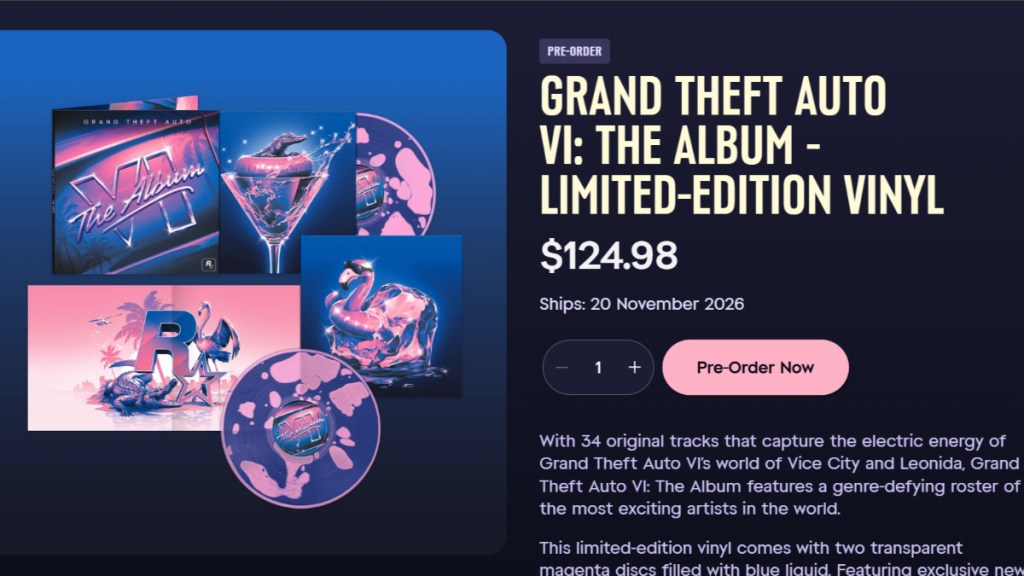
I ripped open my GTA 6 pre-order box expecting weight and plastic—discs, manuals, something to hold. Instead I found a code card and, bafflingly, a shiny vinyl for the official album. You can feel the punchline: the music gets a record, the game gets a link.
I collect physical editions. You probably do, too—there’s a different kind of ownership that comes from holding art, maps, and packaging. So this feels like a bait-and-switch: Rockstar selling tangible music while the game itself lives behind a digital gate.
GTA 5 Had 7 Discs, While GTA 6 Has None Outside the Music Album
I still have the seven installation discs from my GTA 5 PC box, the dual-layer stack and a double-sided poster that made opening the game an event.
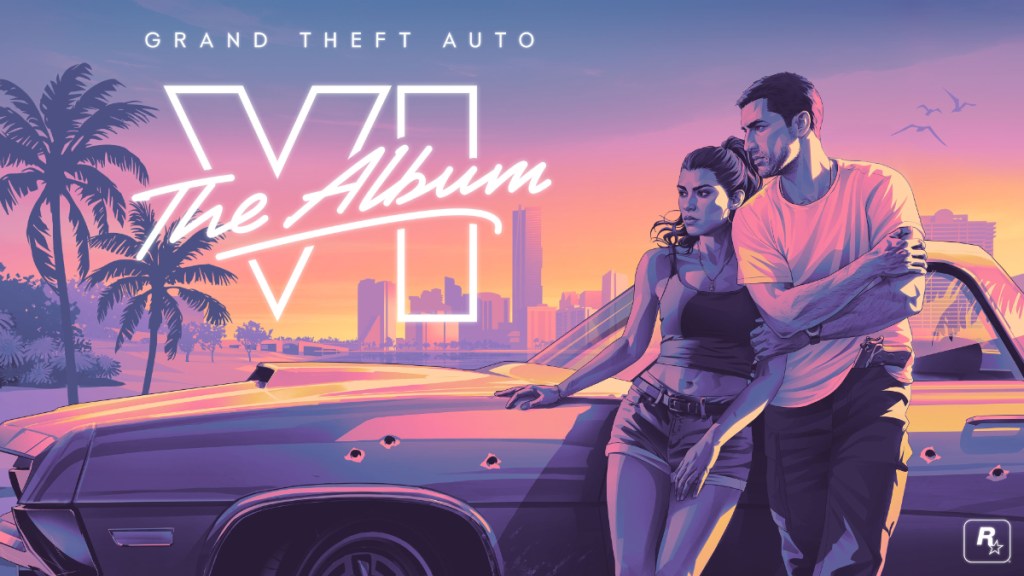
PC discs died off years ago, so I moved my collecting habit to PlayStation. When the first GTA 6 trailer dropped in 2023 I was itching for a hefty PS5 box—maps, art, and yes, a disc. Instead Rockstar announced an all-digital game, while also scheduling the official GTA 6 album on CD and vinyl for November 19, 2026. That feels like a magician pulling a rabbit out of a hat—only the hat is empty when you want it to be full.
Take-Two CEO Strauss Zelnick has argued discs “don’t make sense” for consumers, but that messaging clashes with a physical album release and a marketing partnership with Sony. Sony’s move to phase out PS5 discs in January 2028 is often floated as context, and leaks from CyberLeek proved that skipping physical media didn’t keep spoilers at bay. So the decision reads less like technical necessity and more like corporate choreography: labels, licensing, and what shareholders want versus what collectors want.
Why doesn’t GTA 6 have a physical disc?
Short answer: a mix of cost, logistics, and strategic partnerships. Producing Blu-ray discs for PS5 is cheaper than pressing a vinyl, but distribution, returns, and regional inventories complicate the math. Take-Two and Rockstar are weighing manufacturing headaches against digital storefront margins, plus Sony’s apparent shift away from disc-based consoles. Add a licensing-heavy soundtrack and an album deal, and you end up with physical music but a digital game.
I Would Easily Spend More to Own GTA 6 on a Disc
When I preordered, I paid $80 (€74) for the standard edition—already a premium price for an install code and a few digital extras.
I would have paid an extra $10–15 (€9–14) for a boxed disc. I’d have paid more still for a true collector’s set: a physical disc, a map, and an artbook. The GTA 6 Ultimate Edition sits at $100 (€92) and locks several features behind that tier; a real disc would have made that price feel deserved rather than punitive.
Insomniac’s recent PlayStation release still shipped with a full-game disc despite criticism elsewhere—proof there’s still demand and precedent. If Sony pushes the ecosystem toward digital-only hardware, studios will follow, but that sets a cultural precedent: fewer tangibles, fewer moments of physical ownership for players who care.
If Rockstar truly wanted to placate collectors, a limited run—an exclusive disc in the Ultimate Edition sold through the Rockstar Warehouse or a retailer like Amazon—would have satisfied both the marketing machine and the collector market. Instead we get a vinyl that’s being marketed like a premium object while the game itself is packaged as a code. The result feels like a costly ornament without the thing it’s meant to celebrate.
Can I buy GTA 6 on disc later?
Maybe, but odds look slim. Retail demand might justify a later print run or a third-party collector edition, and aftermarket sellers will always cater to completists. Platform holders—PlayStation Store, Steam, Epic—control distribution, and unless Take-Two reverses course, official discs will remain unlikely. Collectors should watch the Rockstar Warehouse, specialty retailers, and announcements tied to Record Store Day-style promotions.
Why does the album get a vinyl but the game doesn’t?
Vinyl appeals to a specific market: collectors, audiophiles, and superfans who value physical packaging and limited editions. For labels and merch teams, physical music is a high-margin play with clear retail partners. The game involves licensing, regional age-rating logistics, and much larger distribution overhead—factors that shift the risk calculus in favor of digital-only distribution.
Rockstar’s choices are legally and financially defensible, but they sting for anyone who built a collection around physical products. You can point to Steam, the PlayStation Store, and the economics of cloud and digital delivery, but none of that answers the emotional part: why reward music with tangibility while the main product becomes intangible? The vinyl arrives in your hands on November 19, 2026; the game ships as a code. Is that the future you want to collect?