
You drop into the camp, controller cold in your hands, and a blue-eyed brute is already circling the lantern. For a moment the game outpaces your muscle memory: new jump buttons, a soul meter, icons you haven’t learned yet. I remember stopping, re-reading the HUD, and changing the way I played from that second on.
I’ve spent dozens of hours testing builds, trading gear with friends on Discord, and watching streamers on Twitch to figure out what actually matters in Minecraft Dungeons 2. Read this as the short guide I wish I’d had on my first night—practical, blunt, and tuned to the little habits that keep you alive.
What to Do First in Minecraft Dungeons 2
You sit on the couch while the tutorial ticks by, thumbs hovering over the stick.
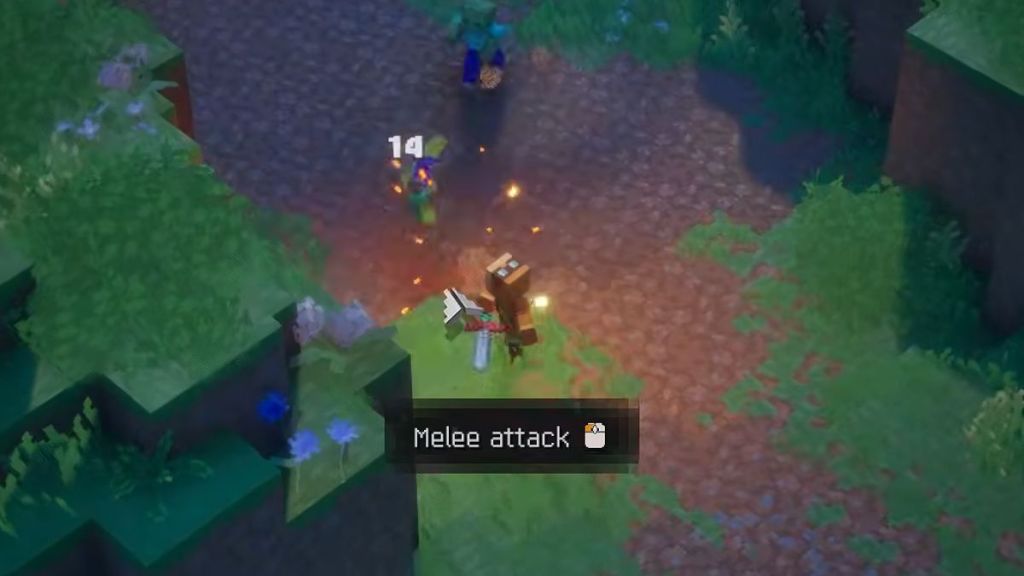
Finish the tutorial and pay attention to movement and combat. The game adds a new jump, altered targeting, and a handful of quality-of-life controls that change how you approach every room. Don’t rush past it: test melee swings, try your bow, and feel out the distance where enemies miss more often than they hit.
What to do first in Minecraft Dungeons 2?
Start slow. Aim for comfort with the basic moves—jumping, sprinting toggle, and one artifact activation—before you chase shiny loot.
Should You Choose Online or Offline Play?
The lobby lists “Online” with open slots and you’re deciding whether to press start.
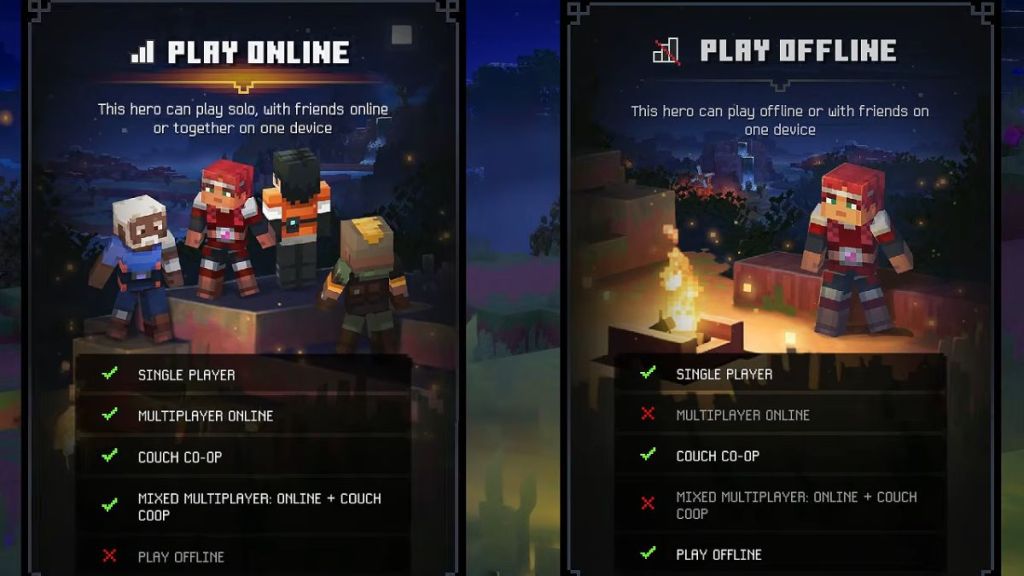
If you want flexibility—playing solo now and joining friends later—create an Online hero. Platforms like Xbox Game Pass and Steam make cross-play sessions simple, and communities on Reddit or Discord will help you find co-op partners. Offline characters stay tied to the local device and are best for couch co-op only.
Should you choose online or offline play?
I prefer Online for most runs: it gives you the option to party up without remaking your character, and streamers on Twitch often host helpful cooperative sessions you can learn from.
Understand the Hotbar and Inventory
Your first HUD glance feels like a cockpit readout—too many icons, not enough context.
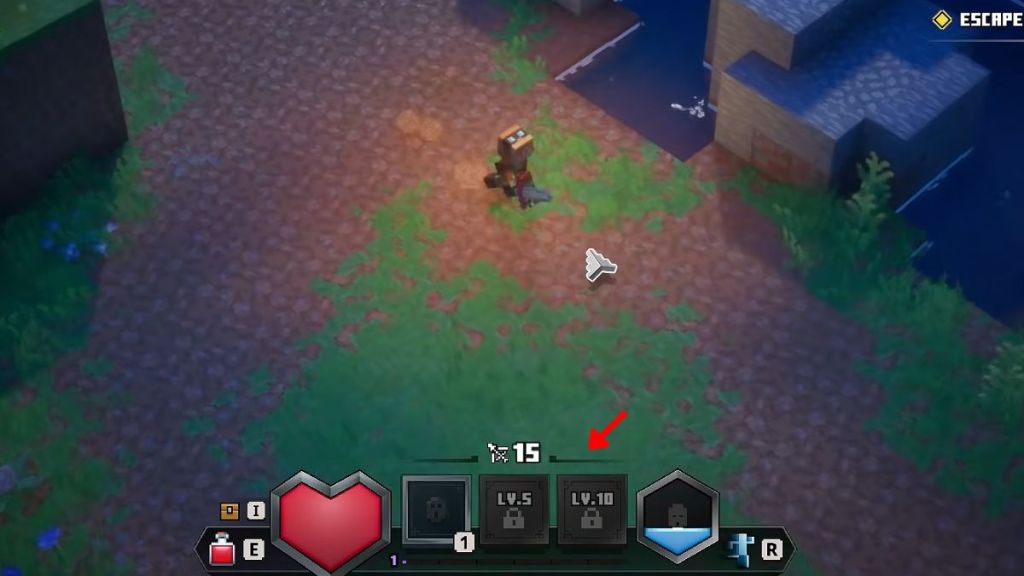
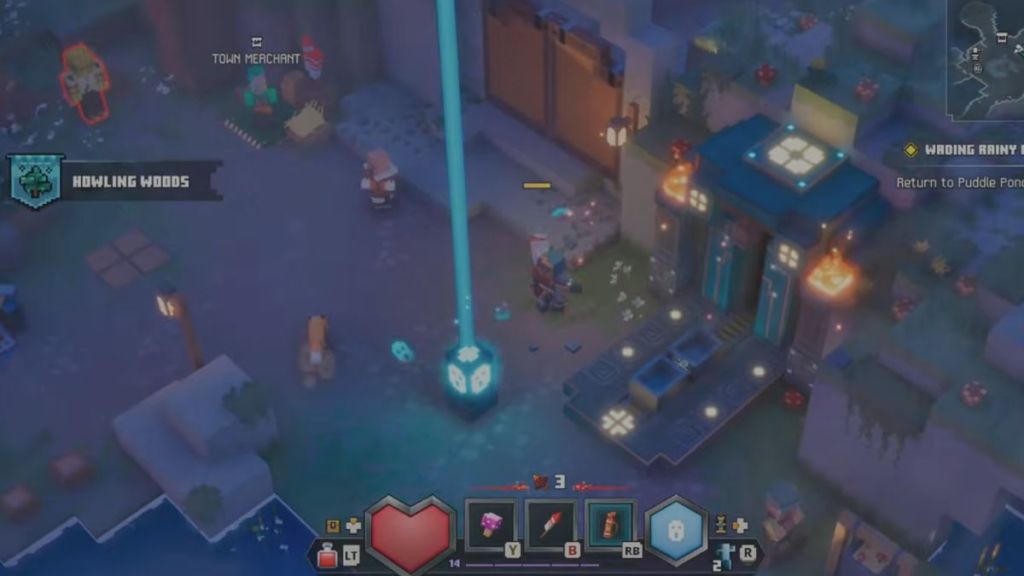
The HUD holds your health (red), your health potion and chest quick-access, souls (blue hex), the sprint toggle, three artifact slots, arrow count, and the XP bar. Memorize their position; it saves lives when the screen fills with foes.
Your inventory behaves like a Swiss Army knife of options: 12 combat slots let you mix melee, ranged, armor, artifacts, and talismans. Turn on the mini-inventory in Settings to speed swaps between encounters.
Key NPCs and Locations in Minecraft Dungeons 2
You step into Brave Haven and the marketplace hums with NPC voices and icons.
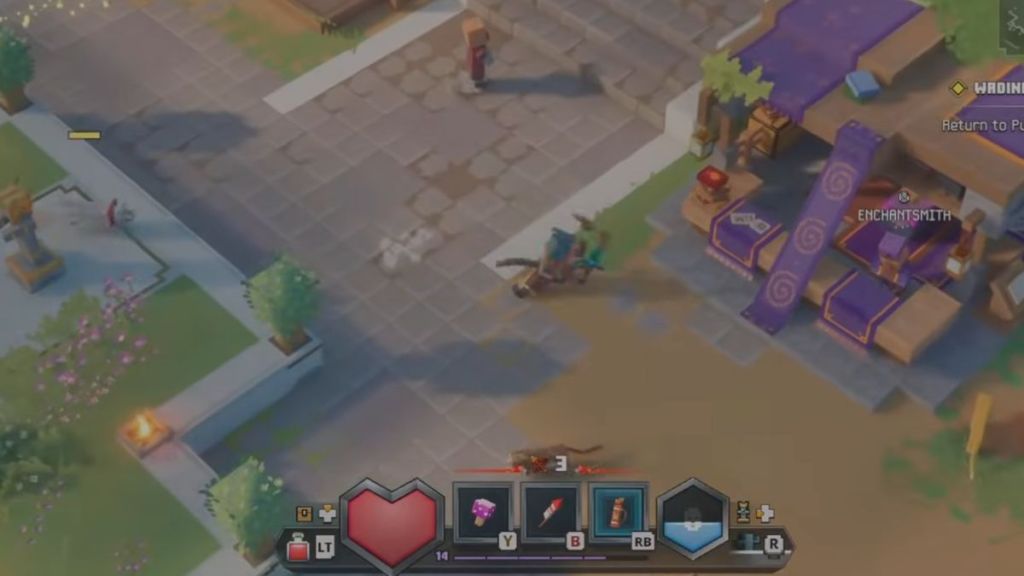
Don’t rush into combat the moment you arrive. Walk the town and meet the Town Merchant, Blacksmith, and Enchantsmith. Their inventories and services rotate—shop often, upgrade selectively, and reroll effects at the Blacksmith when a piece almost fits your build.
- Town Merchant: rotating stock of weapons and armor in common, rare, and special tiers.
- Blacksmith: upgrades weapons/armor and rerolls properties for a cost.
- Enchantsmith: slots enchantments onto gear to shape your playstyle.
How to Travel Through the Minecraft Dungeons 2 World
You leap into a minecart for the first ride and the map opens up like a folded city plan.
The Overworld is an interconnected map with fast-travel minecarts and nodes. As you explore, you gain access to travel points that make moving between regions painless. If you stray from the objective, follow the Guidance Trail—it points you toward the active quest marker without spoiling side areas.
How do I travel through the Minecraft Dungeons 2 world?
Use minecart nodes and the minimap to move quickly. Fast-travel saves time and keeps you ready for the next fight or side quest.
Minecraft Dungeons 2 Combat Tips and Tricks
You open a door and seven enemies pour into the corridor; instinct screams melee, but your brain says otherwise.
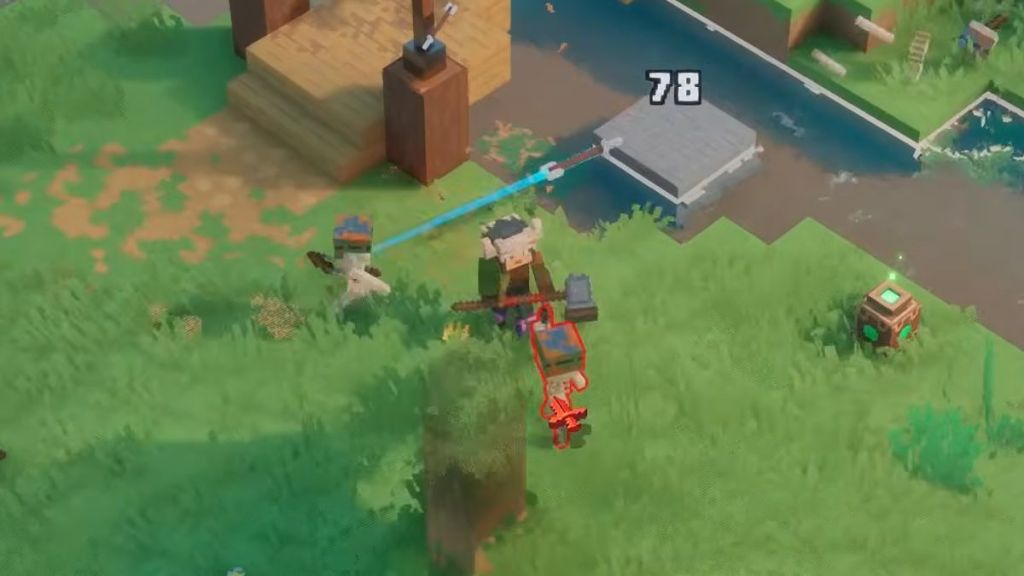
Treat melee and ranged as complements rather than rivals. Use ranged attacks to soften groups, then close for a heavy hit when a target’s health is low. Never stand still while firing—AoE attacks and boss stomps punish predictable movement. Practice the jump attack: it deals extra damage and controls crowds better than any single artifact.
Don’t Forget the Artifacts, Talismans and Enchantments
Your soul counter ticks upward after every kill; the temptation to blow it on a flashy artifact is real.
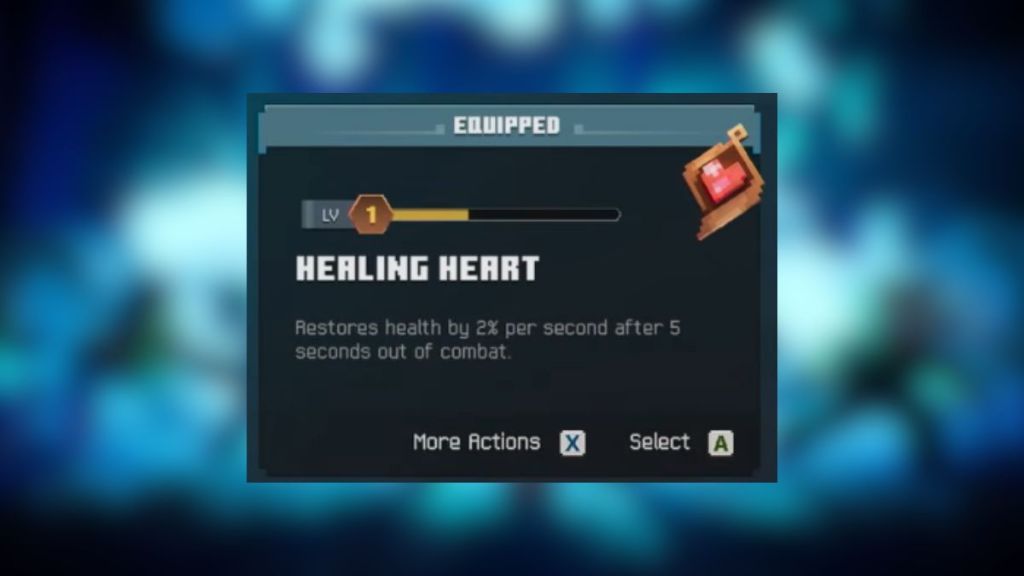
Artifacts cost souls but offer strong active effects. Souls refill as you kill, so plan activations around windows—save a big artifact for a choke point or boss stun rather than reflexively using it. Talismans give passive boosts; enchantments change how a weapon or armor behaves. Mix and match until your build feels cohesive rather than random.
Look for Hidden Areas with Chests and Emeralds
A faint sparkle behind a waterfall catches your eye when you slow down and peer around a cliff.
Not every chest sits on the main path. Search behind scenery—waterfalls, narrow ledges, and ruined walls hide chests and side quests. Those side runs pay off with emeralds and rare gear that can redefine a build faster than grinding the main road.
Watch Out for Soul Corrupted Enemies and Ambushes
You see a blue aura on one enemy and suddenly the room feels different: sharper, meaner.
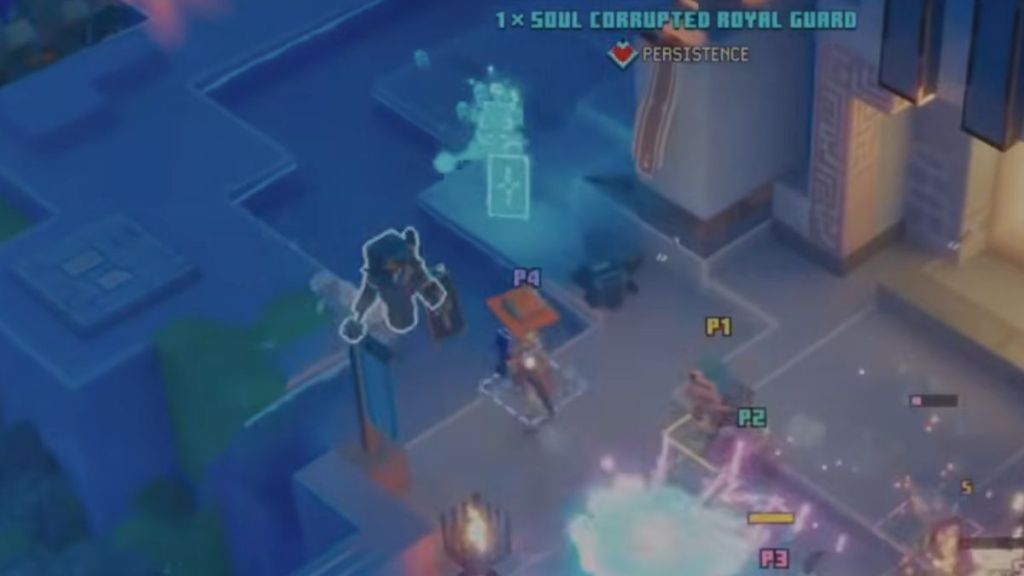
Soul Corrupted foes hit harder and often come with disruptive mechanics. Keep your distance, thin out adds with ranged attacks, and use crowd-control artifacts to isolate the blue enemies. Ambushes favor enclosed spaces—if the minimap shows a dead-end, check your health and gear first, or back out to regroup.
When Should You Enter the Sift?
A Rift unfurls and the air tastes different; even the grass seems angrier.
The Sift is a separate dimension with new mobs, vegetation, and unpredictable threats. Check your health, gear, artifacts, talismans, and enchantments before you step through. Time in the Sift runs in three phases—Flow, Thrive, and Endure—and each phase raises the pressure. Treat the Sift as a pressure cooker: brief windows of intense risk for concentrated reward.
What Happens When You Get Downed in Minecraft Dungeons 2?
You blink, and the checkpoint sends you back; the corridor you cleared is full again.
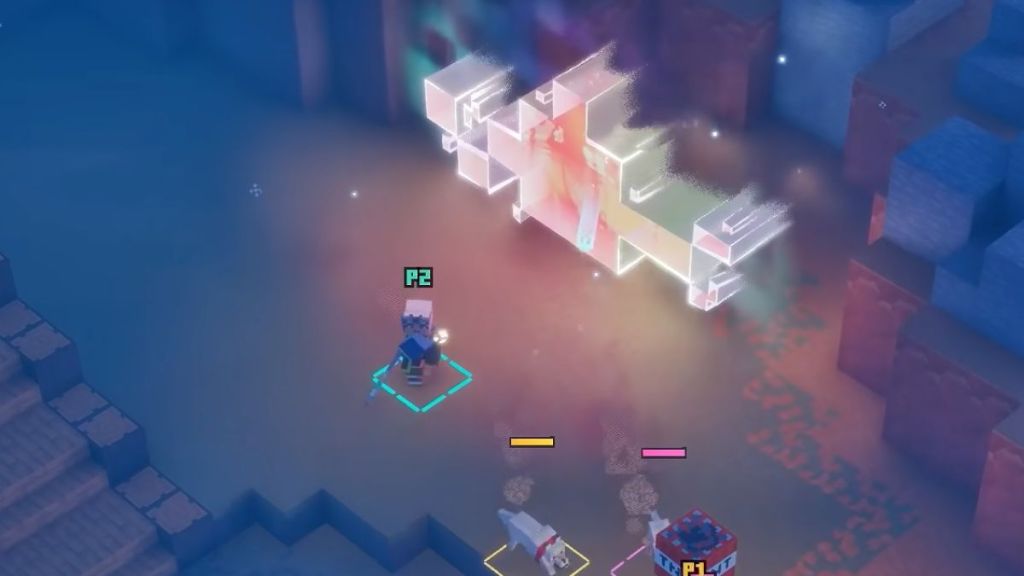
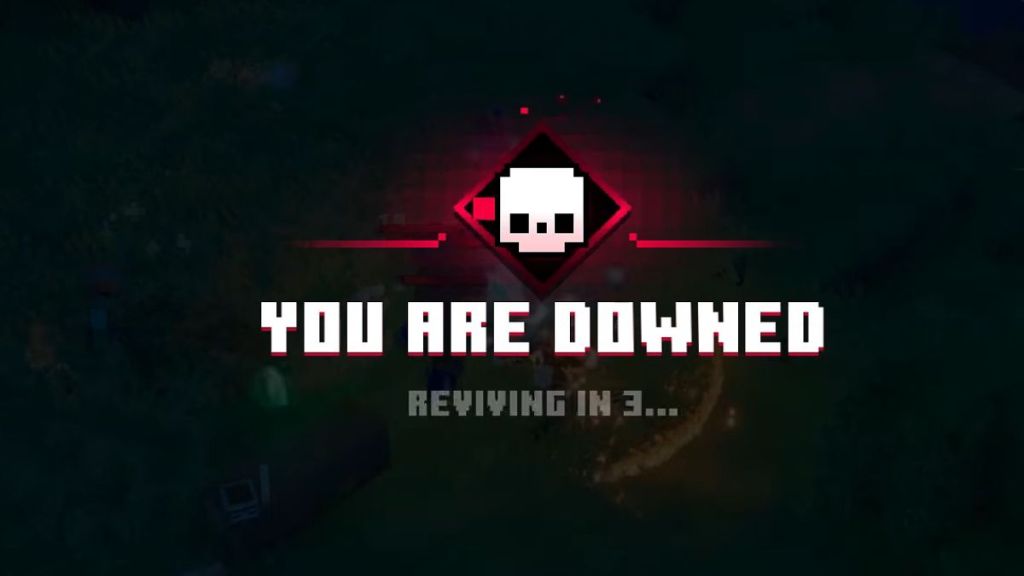
When you die you return to the previous checkpoint and the enemies respawn. It’s annoying, but you don’t lose gear, enchantments, or weapons—only time. If the game moves you far away, the teleport button is your friend to get back to the fight without additional wandering.
Those are the practical habits that keep runs short, efficient, and less rage-filled. Which strategy changed the way you play—and which one got you killed in spectacular fashion?