
She watches a girl spill tea and smiles as if she hadn’t just rearranged fate. I remember my first gasp—how a single, quiet shove can decide who gets a house and who gets nothing. You feel that cold click in your chest: this is Paula, and she’s very good at making power look polite.
I’ve covered characters who evolve and those who calcify, and Paula is a reminder that not every tyrant gets a redemption arc. You can trace Serena Joy’s slow, wrenching change across The Handmaid’s Tale—a public fall from ideological priestess to a quiet, guilt-sharp ally played with haunted precision by Yvonne Strahovski. Paula, played by Amy Seimetz in The Testaments, is the inverse: she’s a concentric, petty force who prefers the mechanics of cruelty to the theater of revelation.
On family dinner tables where small slights calcify into reputations: What Serena taught us about complexity
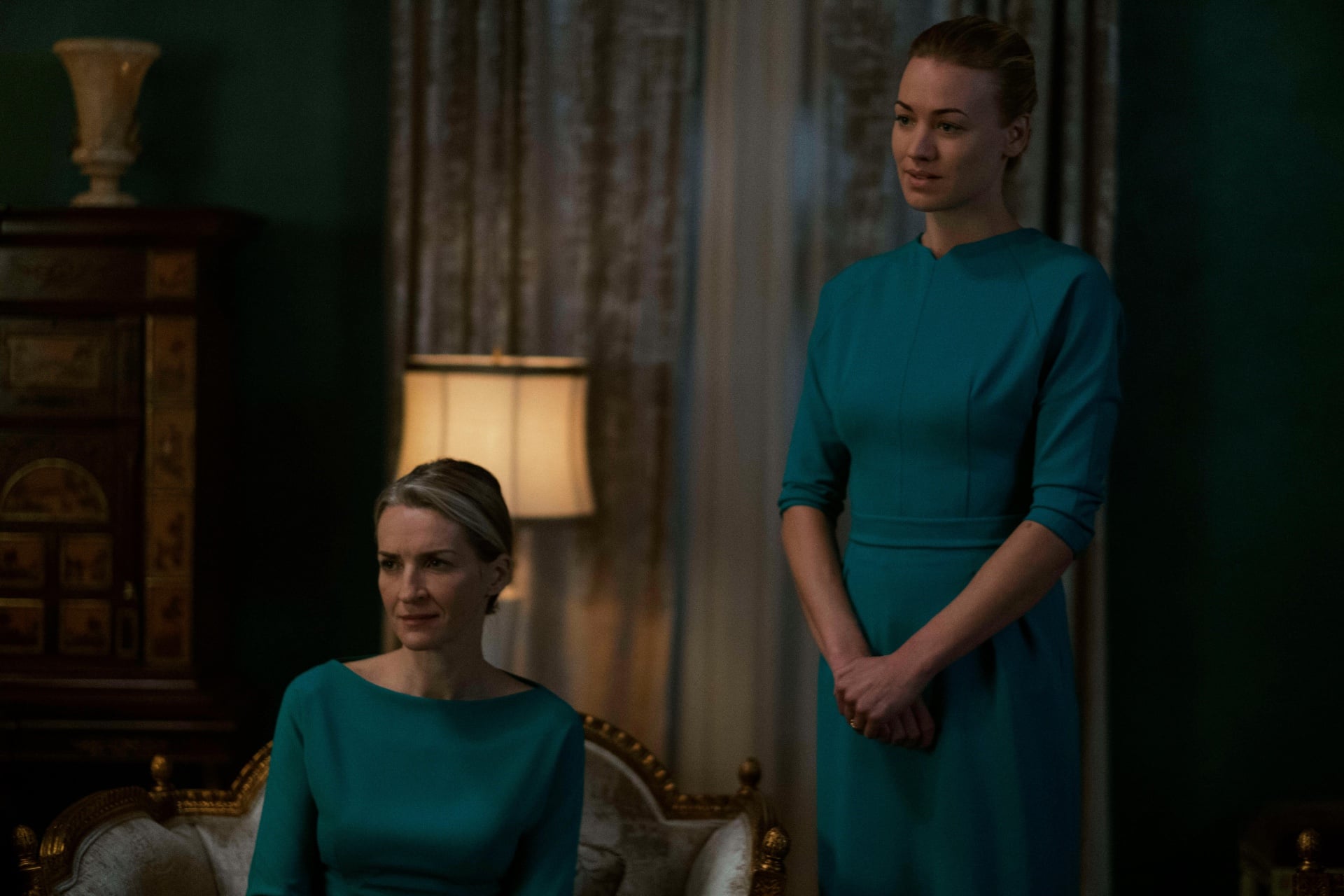
Serena Joy started as a portrait of privilege and hypocrisy—an author who traded a career for political altar service and then watched the altar consume her. I’ll tell you plainly: Strahovski’s Serena became sympathetic because the show let us watch what obsessed her—fertility, agency, status—and how those obsessions warped into remorse. You remember the finger she lost for reading the Bible in season two: a public, physical punctuation mark that stripped any easy moral cover from her. Serena’s growth felt like an archaeological reveal; layers of choice, denial, and grief came off one by one.
Who is Paula in The Testaments?
Paula is Commander MacKenzie’s second wife, the woman who moved into a mansion already furnished with an adolescent daughter, Agnes. Amy Seimetz shapes Paula as a hostess with the patience of a surgeon: measured, precise, and cruel in small, surgical ways. Where Serena’s power was once rhetorical and public, Paula’s is domestic and managerial—she polices tea services and teeth with equal appetite.

At PTA-style gatherings that mask political vetting: Why the tea party matters
The MacKenzies’ tea is not quaint; it is a litmus test. In one small exercise—girls carrying teapots with practiced poise—Aunt Lydia and her cohort decide marital futures. I watched that scene and felt how the show compresses systemic horror into domestic ritual. Paula runs the room the way a chess player arranges pawns; she’s not interested in spectacle, only in leverage. She ruffles a rug and watches Miriam tumble—an act that reads as petty until you realize it is a structural decision: marriage markets pivot on the slightest cues.
How is Paula different from Serena Joy?
Serena’s arc was shaped by a public history—author, activist, then contrite insider—so her friction with Gilead carried political weight and moral confusion. Paula is quieter but no less dangerous: she weaponizes intimacy and custom. Where Serena could be swayed by shame and loss, Paula appears to relish the small, precise humiliations that keep hierarchy intact. I’d call Paula a velvet-gloved trap; she makes cruelty look like etiquette.
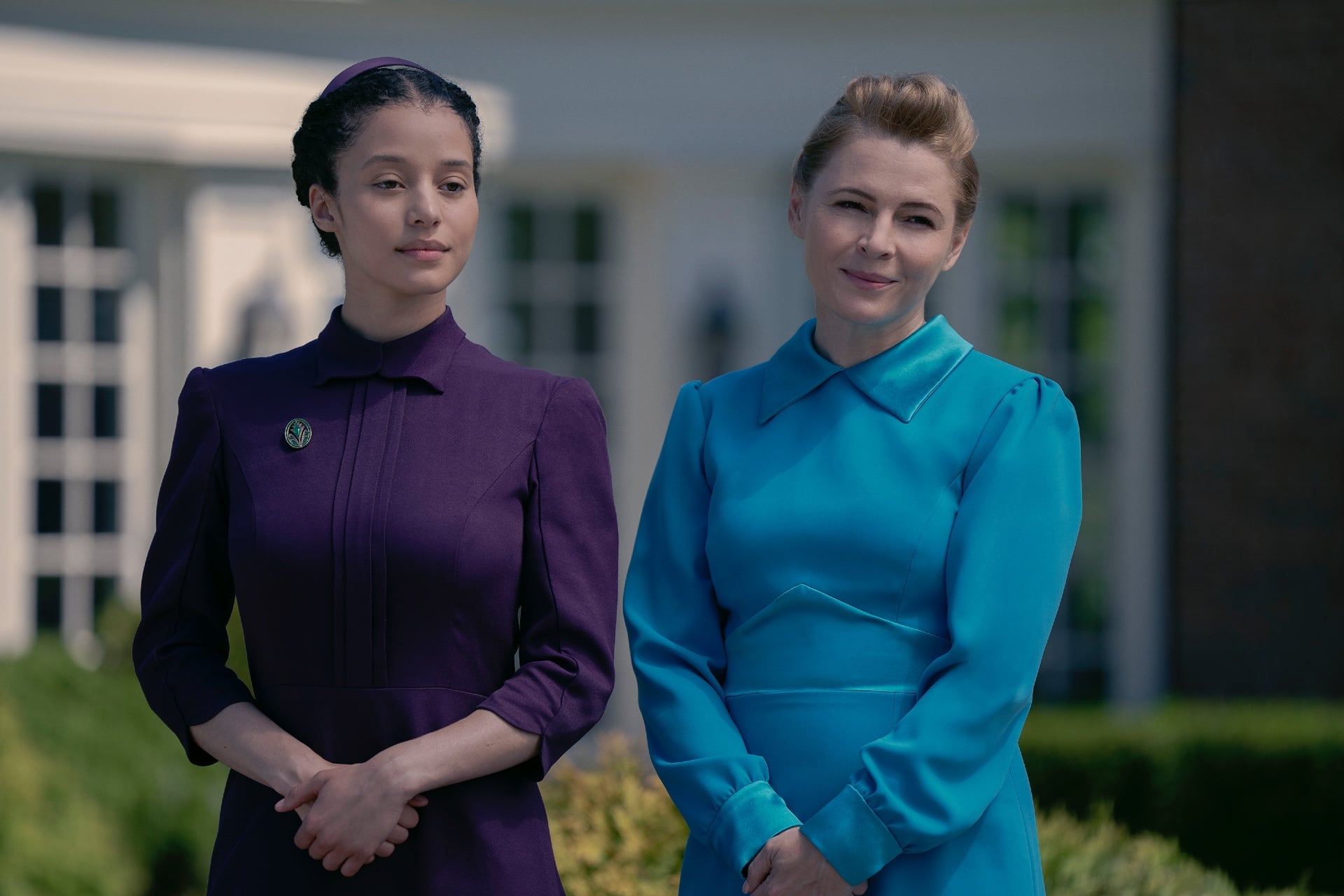
Seimetz sells small cruelty with cinematic subtlety: a flick of the eye, a jaw set like a locked gate. Paula’s guidance to Agnes—teaching sanitary care, arranging appointments, fitting her for male attention—feels like grooming masquerading as maternal duty. When the dentist’s wandering hands introduce Agnes to bodily violation, Paula’s response is not outrage but management; her instinct is to tidy the problem, not rescue the child.
Will Paula change like Serena Joy?
Short answer: not in the way Serena did. Paula shows no clear arc toward public contrition or moral rupture. She stores grudges—calling Agnes “weak” for inherited traits, suggesting a knowledge of Agnes’ true parentage—and uses them as social currency. If Serena was a rusted crown that finally slipped, Paula is the slow, persistent rust that eats support structures without drama.
For viewers interested in craft and industry context: both series live on Hulu and Disney+, and Margaret Atwood’s source material frames these character choices. Io9/Gizmodo coverage has tracked Serena’s public fall and Paula’s domestic ascendancy; critics and fans on platforms like Twitter and Reddit are already debating whether Seimetz’s Paula is a portrait of petty evil or a study in survival strategy.
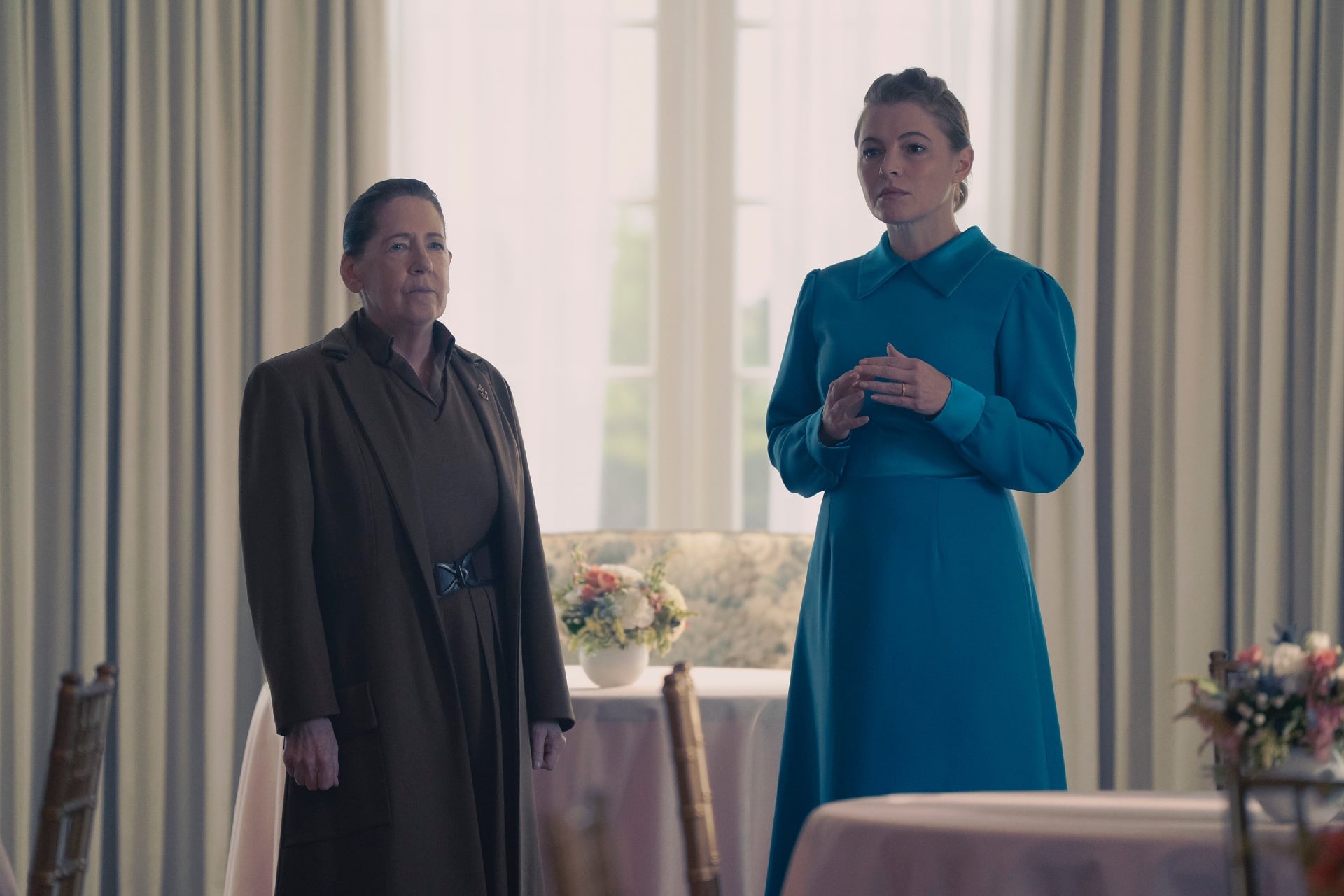
Here’s what I want you to watch for on Wednesdays when new episodes hit Hulu and Disney+: the small, private violences. The scene where Paula ruffles a rug is a barometer—the writers are telling you everything you need to know about who holds power and how she uses it. Those moments, not speeches, will decide whether Paula remains a petty monster or becomes something more dangerous.
I’m curious—do you find characters like Paula more terrifying because they’re mundane or because they feel knowingly personal?