On a gray Tokyo afternoon, a modest entertainment site saw its readership spike as spoilers poured in. I clicked and felt a slow, peculiar panic: the plot was being handed away in tidy paragraphs. You could almost watch whole films evaporate on the page.
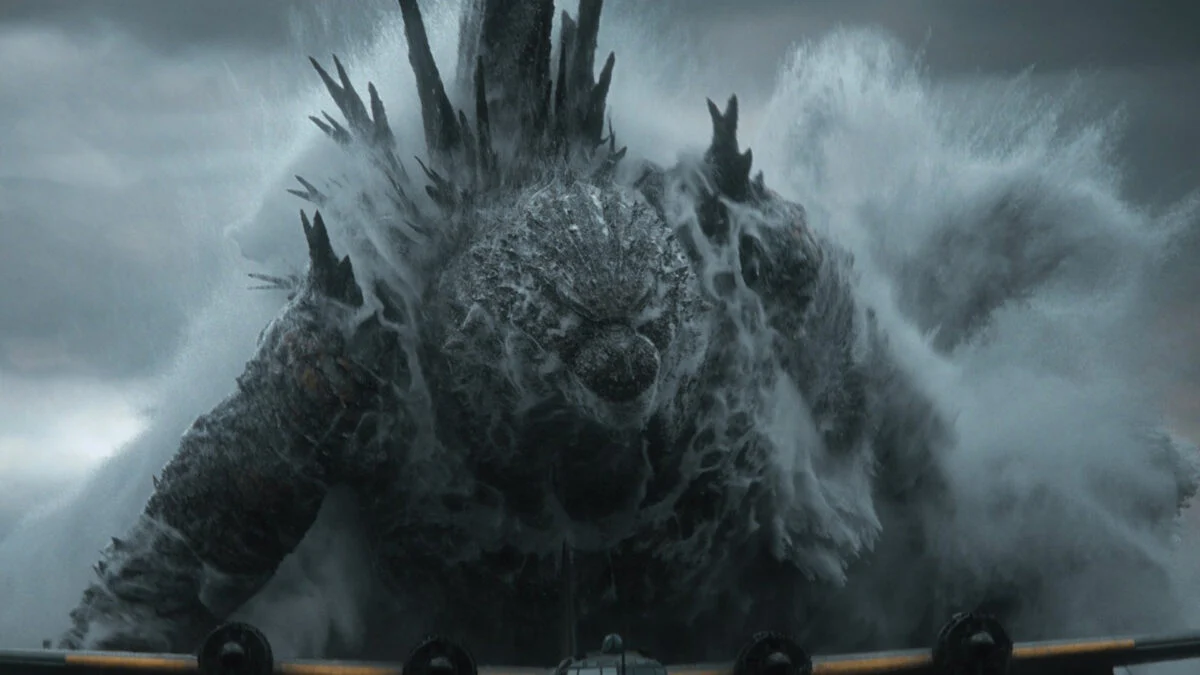
Japanese Man Sentenced For Posting ‘Godzilla’ Spoilers Online
39-year-old Wataru Takeuchi was charged for posting plot descriptions of movies and anime series so detailed that a Tokyo court declared them copyright infringement.
On many ad-driven sites, attention and money move hand in hand. I’ve watched that math convince people to publish more than commentary—full scene-by-scene summaries that read like transcripts. For 2023, the administrator of one such site reportedly earned almost $250,000 (€230,000) from monetized pages.
Was posting spoilers illegal in Japan?
On public calendars, legal cases usually begin with a complaint from a rights holder. You should know the Tokyo District Court found that Takeuchi crossed the line: judges said his articles preserved essential features of the original works and were therefore closer to unauthorized adaptations than commentary. The verdict carried a prison term of one and a half years and a fine of 1,000,000 yen (about $6,300 (€6,100)).
Why did Toho and Kadokawa sue?
On studio desks, scripts and storyboards are treated like guarded blueprints. I read the translated CODA statement and it’s blunt: Toho and Kadokawa Shoten objected because the posts transcribed dialogue and described scenes with so little original analysis that they functioned as substitutes for the works themselves. Those pages were not framed as criticism but as exhaustive summaries, and the studios argued that readers would skip the films or series after consuming the site’s content.
On many courts’ lists, creators and distributors are sensitive to how a work is presented online. I think of those posts like a film reel unspooling frame by frame—nothing left for a first-time audience to discover. CODA, which coordinated the suits, called these sites “problematic” and said they plan to act against similar operations going forward.
What penalties did Wataru Takeuchi face?
On sentencing days, judges balance harm to the market and precedent for future cases. You’ll find the charges centered on creating “a new work by making creative modifications to the original while preserving its essential characteristics,” language that criminalizes highly detailed reproductions without permission. The result was imprisonment and a monetary penalty intended to deter copy-and-paste transcriptions that amount to commercial replacements for the originals.
On the wider web, publishers and critics often publish spoilers with context, embargo notes, or studio-granted access under rules. I’ve covered advance screenings and seen outlets accept embargoes or “do not reveal” clauses as part of press agreements, and those etiquette rules are still a different thing from what the court described.
On social feeds, spoilers spread fast and people argue about etiquette until midnight. You and I can still debate where criticism ends and infringement begins, but studios now have a legal precedent that raises the stakes—are you willing to run a detailed synopsis if it could be treated as theft?