
You hit play expecting a pretty adaptation. Thirty seconds later a dragon fills the screen and your chest tightens. By the credits, a single stare rewrites everything you thought the show would be.
I’ve watched a lot of anime long enough to smell when one aims higher. You should be watching Witch Hat Atelier for the same reason I kept rewinding episode five: it teaches you what an adaptation can do when a studio actually reveres its source.
Episode five proves streaming libraries still reward boldness
New series arrive every week, but few make you delete other shows from your queue.
On paper, Bug Films’ take on Kamome Shirahama’s manga already had a reputation. In execution, the fifth episode—aptly titled “The Dragon’s Labyrinth”—is a Swiss Army knife of storytelling: it reveals the system, the stakes, the character work, and the tonal breadth in one neat cut. If you want a single episode that argues the anime belongs in year-end conversations, this is it.
What is Witch Hat Atelier about?
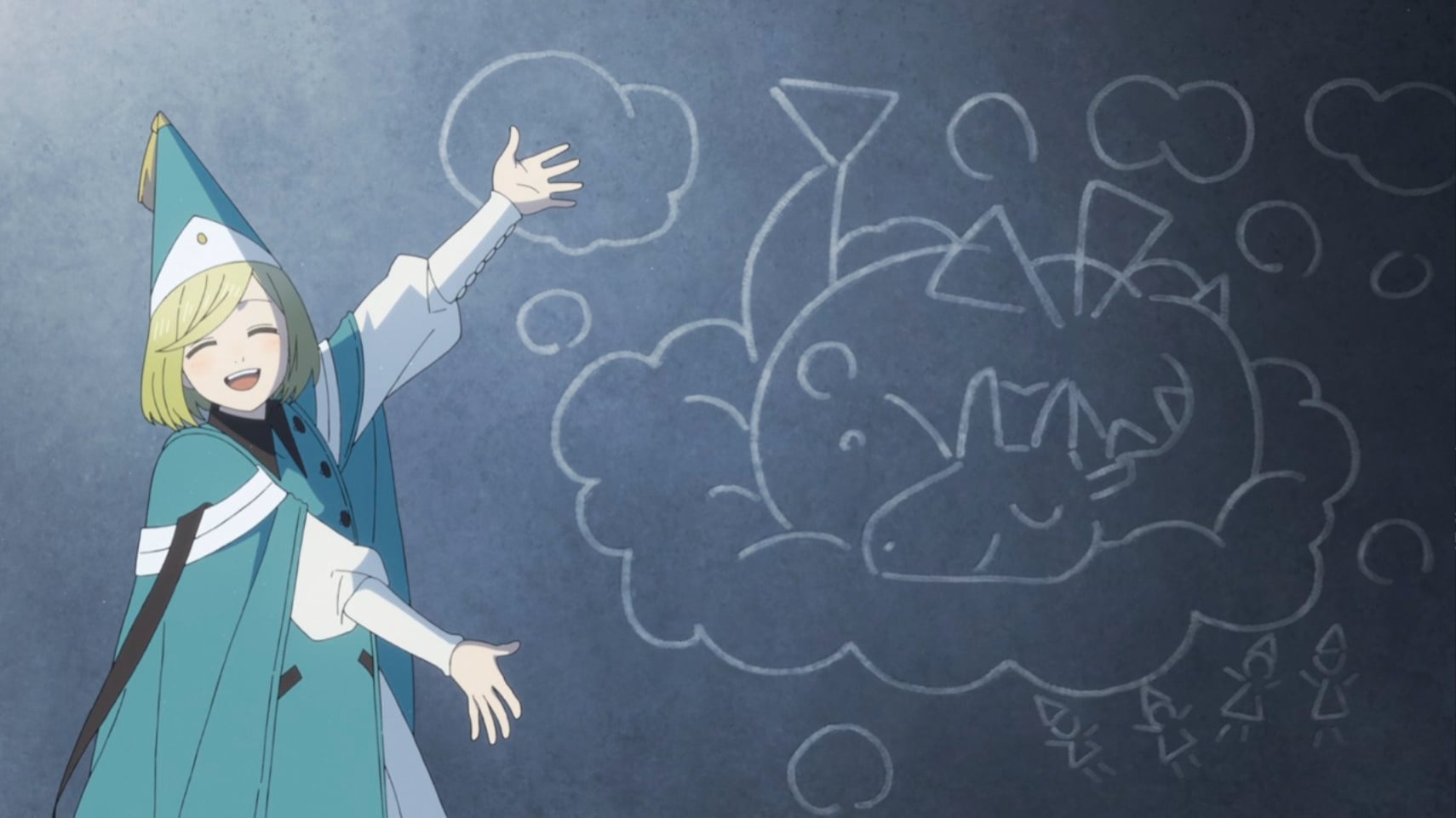
The show centers on Coco, a kid who learns that magic isn’t spoken or waved—it’s drawn. You watch her and a quartet of apprentices navigate a maze that feels both childish and lethal, and the plot unfurls through the act of learning: tracing a perfect circle, tossing away failed drafts, testing a spell until it sings. That craftsmanship is the point; the series treats drawing as a moral and practical language, and Bug Films renders it with obsessive tenderness.
By now you’ve probably heard the production chatter: Bug Films recovered from an early delay and delivered a premiere that justified the wait. The studio chose detail over shortcuts—the show is quietly arguing against the cheapening of craft in animation, whether that’s sloppy inbetweening or AI-generated substitution—and it paid off. IMDb users already rewarded episode five with its highest ratings, and manga readers who’ve been cheering this project finally have a visual to point to.
Small gestures become big emotional currency
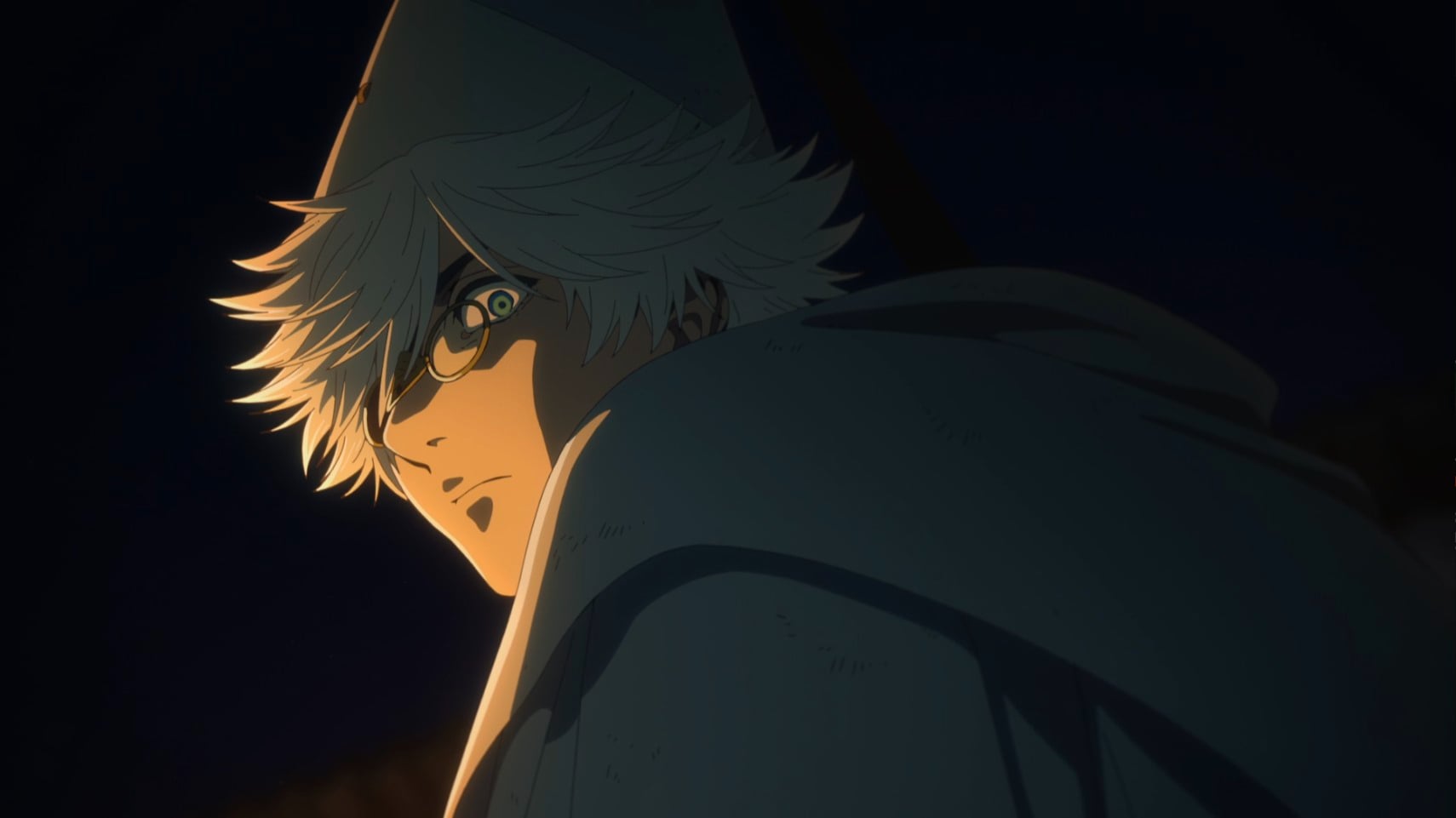
People on social feeds clip single looks and call them iconic.
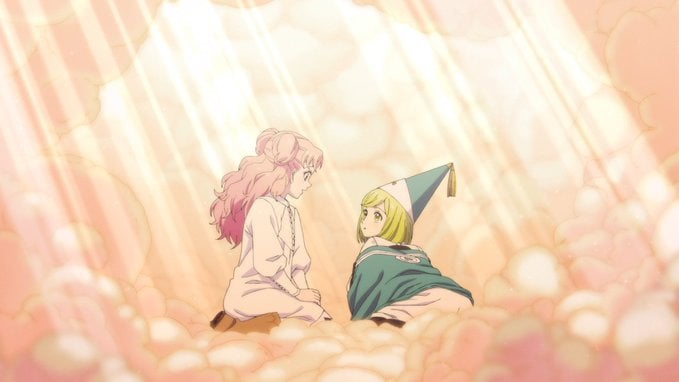
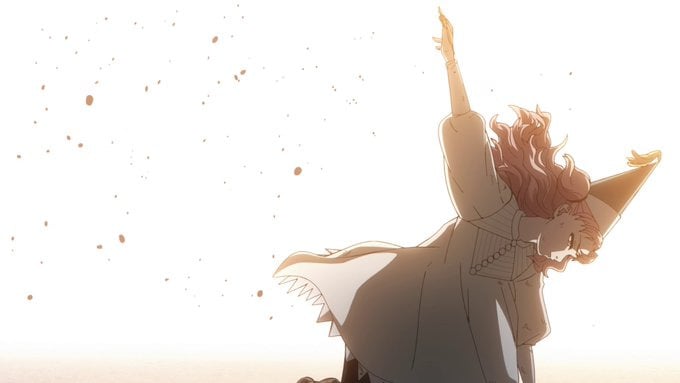
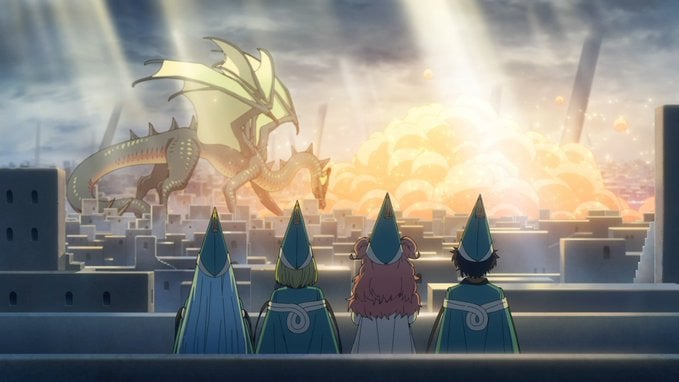
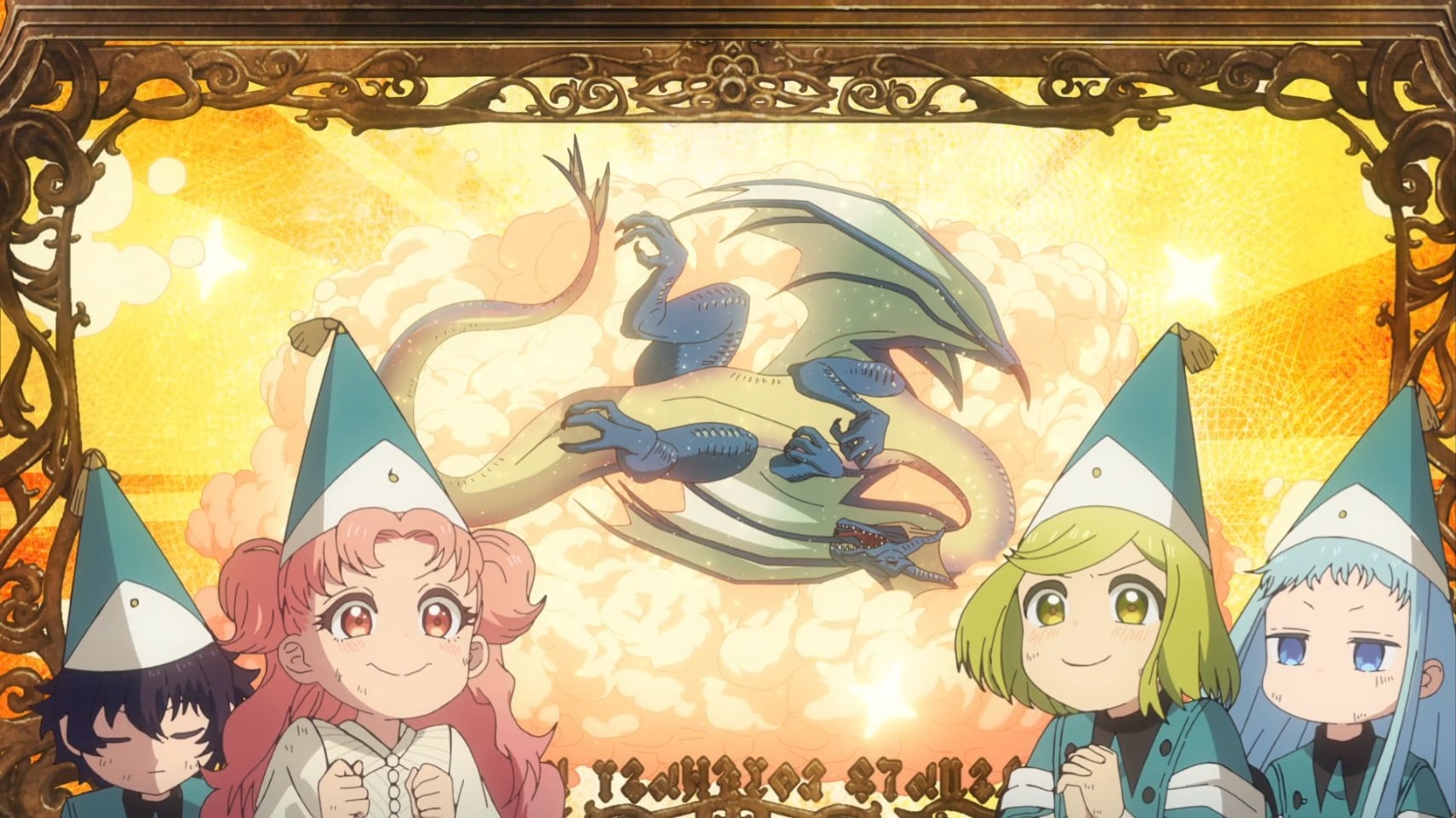
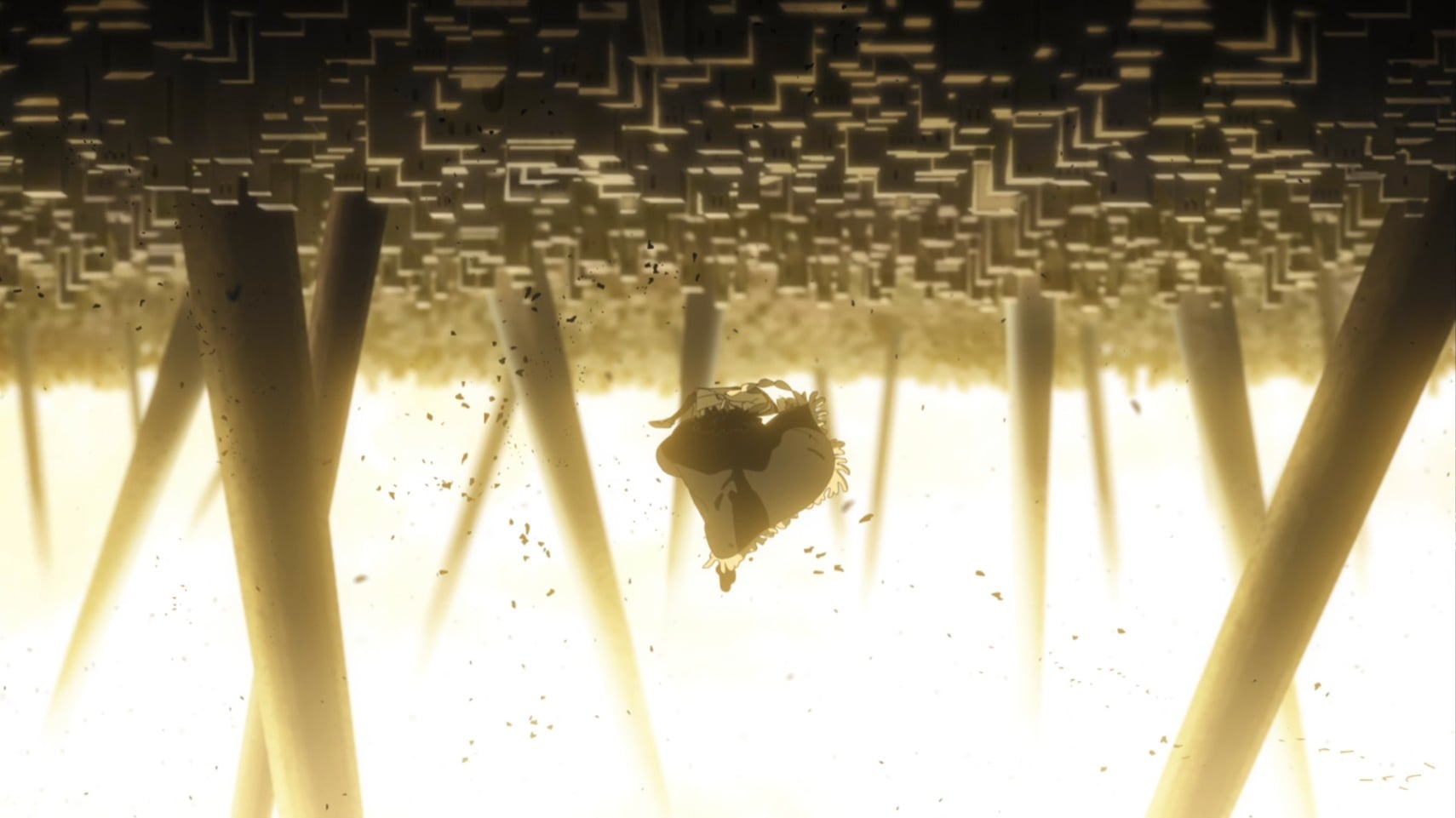
There’s a quiet engineering to the episode’s emotional beats: petty blame between friends; Coco’s shame about hurting someone’s family; the relief of a plan coming together. The fight isn’t fireworks and shouty power-ups. Instead, the girls sketch, erase, and recompose spells in a sequence that makes the act of drawing feel heroic. The payoff—convincing a dragon to sleep on a bed of clouds—lands not as a gag but as a small, euphoric victory that rewires your affection for the characters.
Is Witch Hat Atelier worth watching?
If you value craft, yes. I’d argue episode five alone redefines what the series can be: tender, inventive, and slyly threatening. Qifrey’s façade of care cracks in one quiet moment that rewrites the mentor trope; suddenly you feel both comfort and unease. Think of the show as a slow-revealing knife—efficient, precise, and dangerous in the right hands.
Technical bravado serves story, not spectacle
Most action sequences exist to make noise; the good ones do character work at the same time.
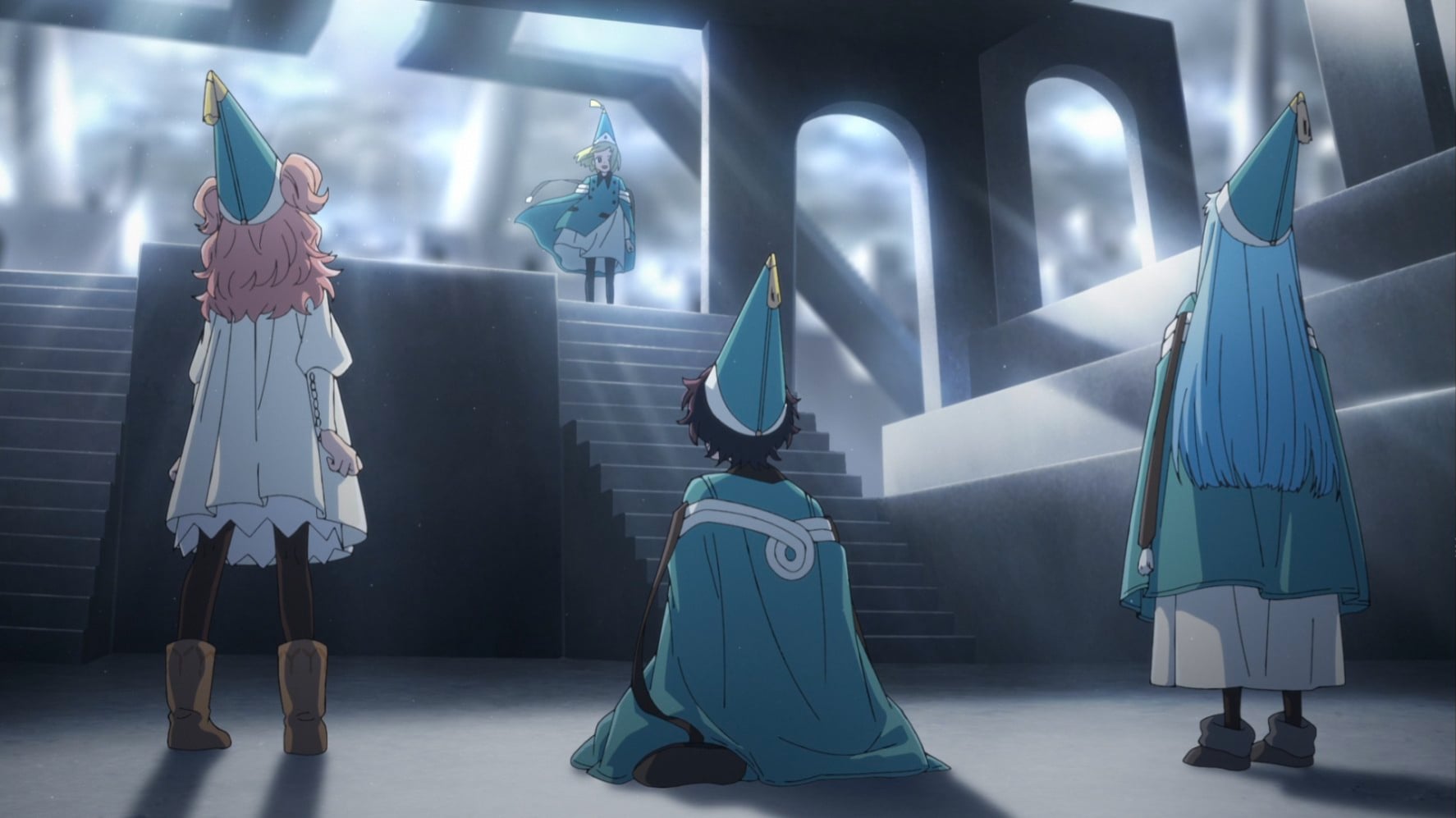
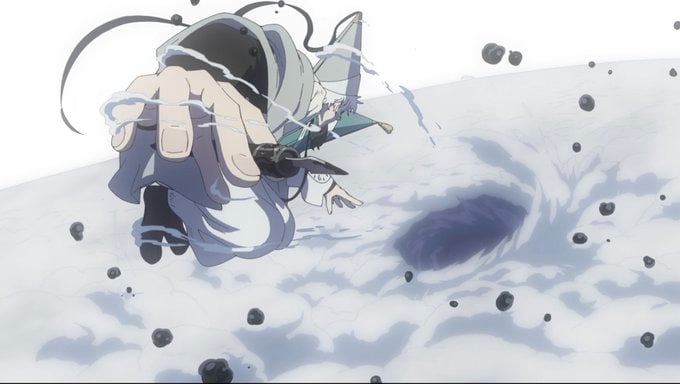
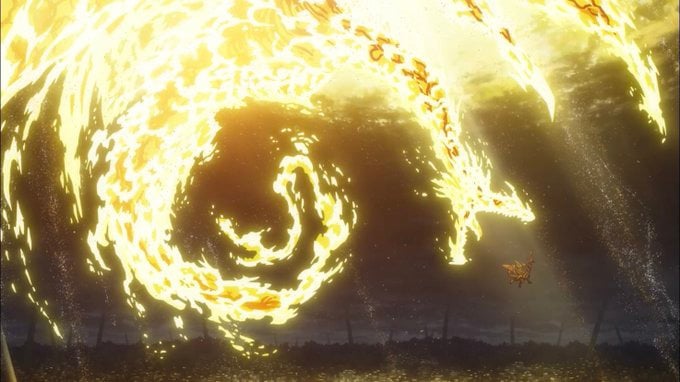
Bug Films stages the maze as an M.C. Escher painting come alive and then refuses to let spectacle steal the scene. The animation frames the drawing process—tracing, testing, and finally committing—so you see intention, not just effect. When Qifrey finally intervenes, his display reads as earned, authoritative, and terrifying; you feel why the students admire him and why the world should fear what he hides.
Where can I watch Witch Hat Atelier?
It streams on Crunchyroll. If you’re weighing a subscription, Crunchyroll Premium starts at $7.99/month (€8). For the price of a single cinema ticket you get weekly access to a show that often feels cinema-sized in composition and pacing.
You’ll notice echoes: a wizard who resembles anime figures like Satoru Gojo (Qifrey preceded the comparison), a wink at Potter-esque magic schools, and an implicit critique of studios that value speed over craft. The series even positions itself against AI-assisted shortcuts by celebrating the labor of drawing as magic—an argument that lands in the era of content produced by models and shortcuts.
So where does that leave you? If you like adaptation that respects tone, if you root for character growth more than spectacle, and if you want an episode that delivers both joy and a cold, final stare—this is the show to press play on. Are you going to watch it before everyone else claims they discovered it, or will you be explaining to the group chat why you missed the moment it changed the conversation?