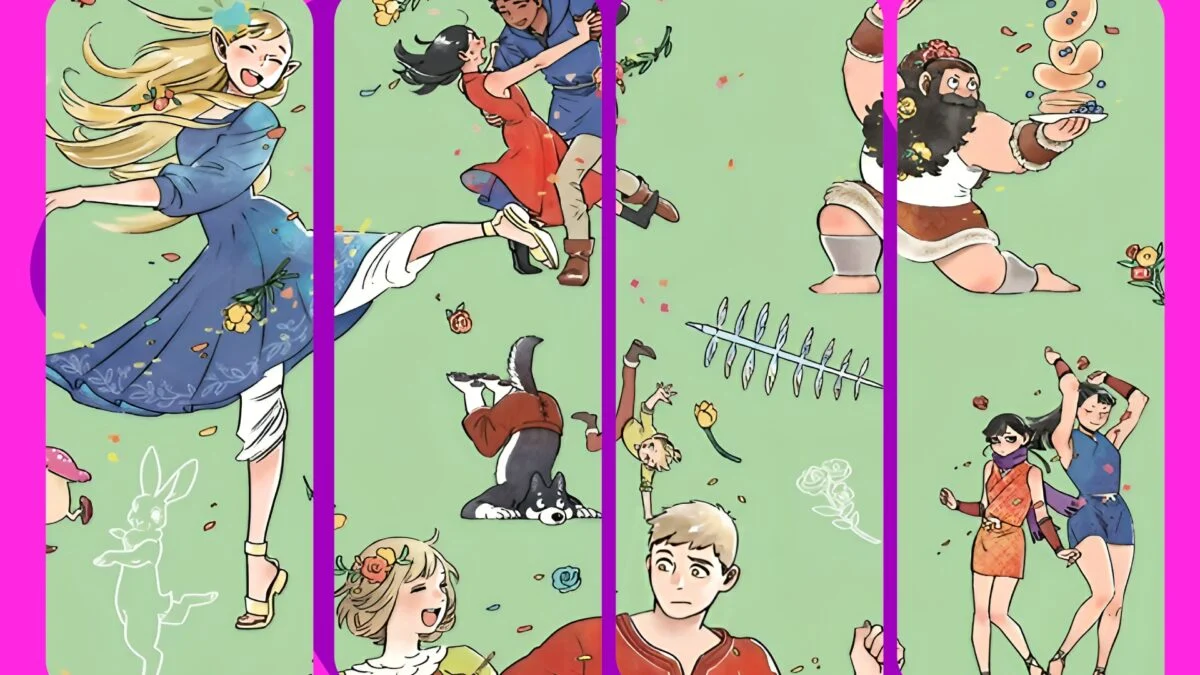
I almost missed the first page because my coffee cup slid across the table and knocked the book at a funny angle. For a second the sketches looked like clues left on a kitchen counter. Then I opened it and realized Kui had quietly been carrying a whole other story in her head.
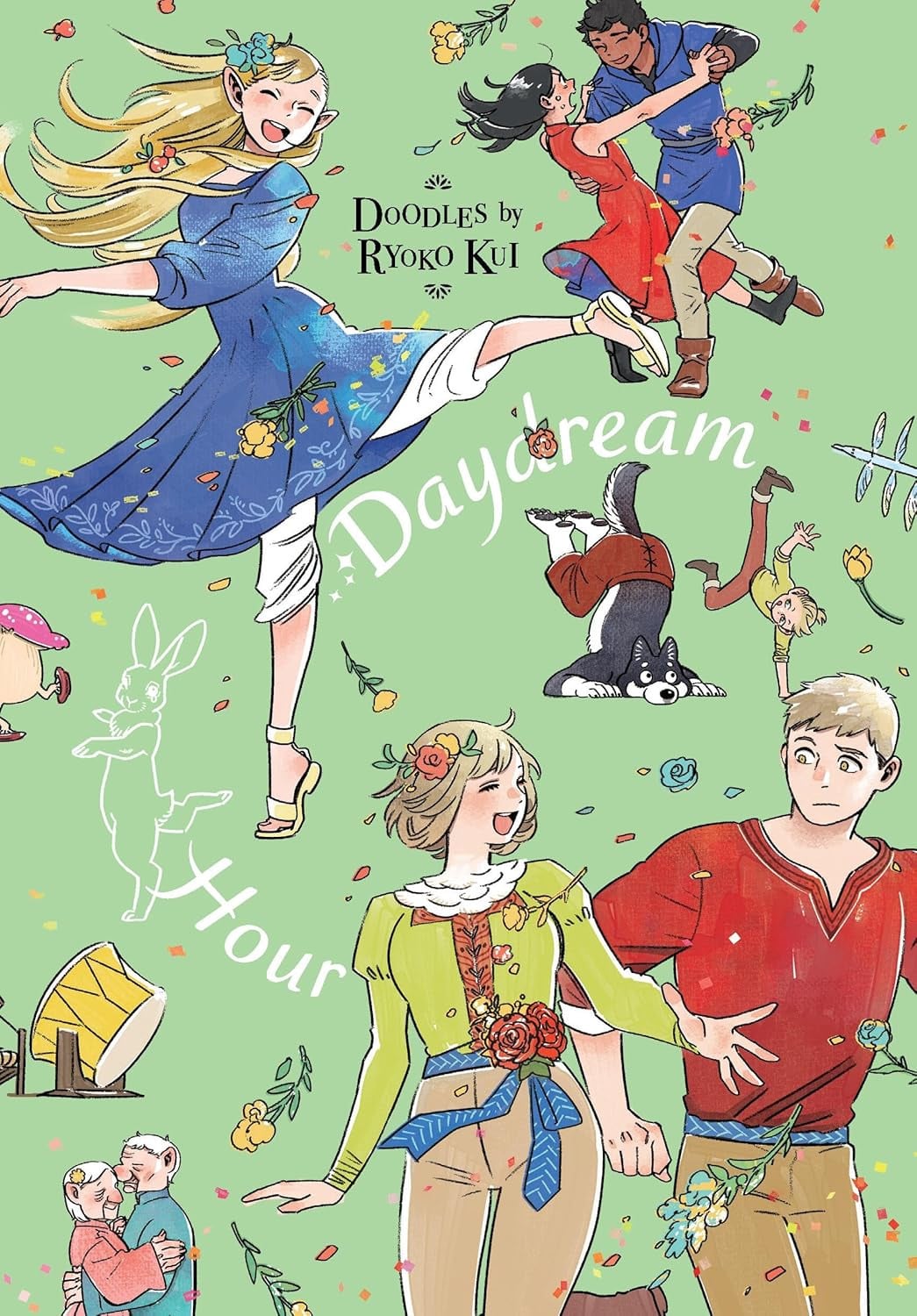
I keep Doodles by Ryoko Kui: Daydream Hour on my table. You will find it does a curious thing: it makes you pause, sketch out a note, and imagine a scene you hadn’t known you needed. I’ll tell you what to look for and how to steal the best bits for your next campaign.
At a convention table I once watched strangers trade sketches and theories — why the book feels like a secret kept in public
Kui’s manga, Delicious in Dungeon, already earned fame for turning dungeon-crawling into dinner conversation. Studio Trigger’s anime amplified that reach, but the art book performs a quieter work: it gathers stray ideas and makes them deliberate. This book is a treasure chest of ideas.
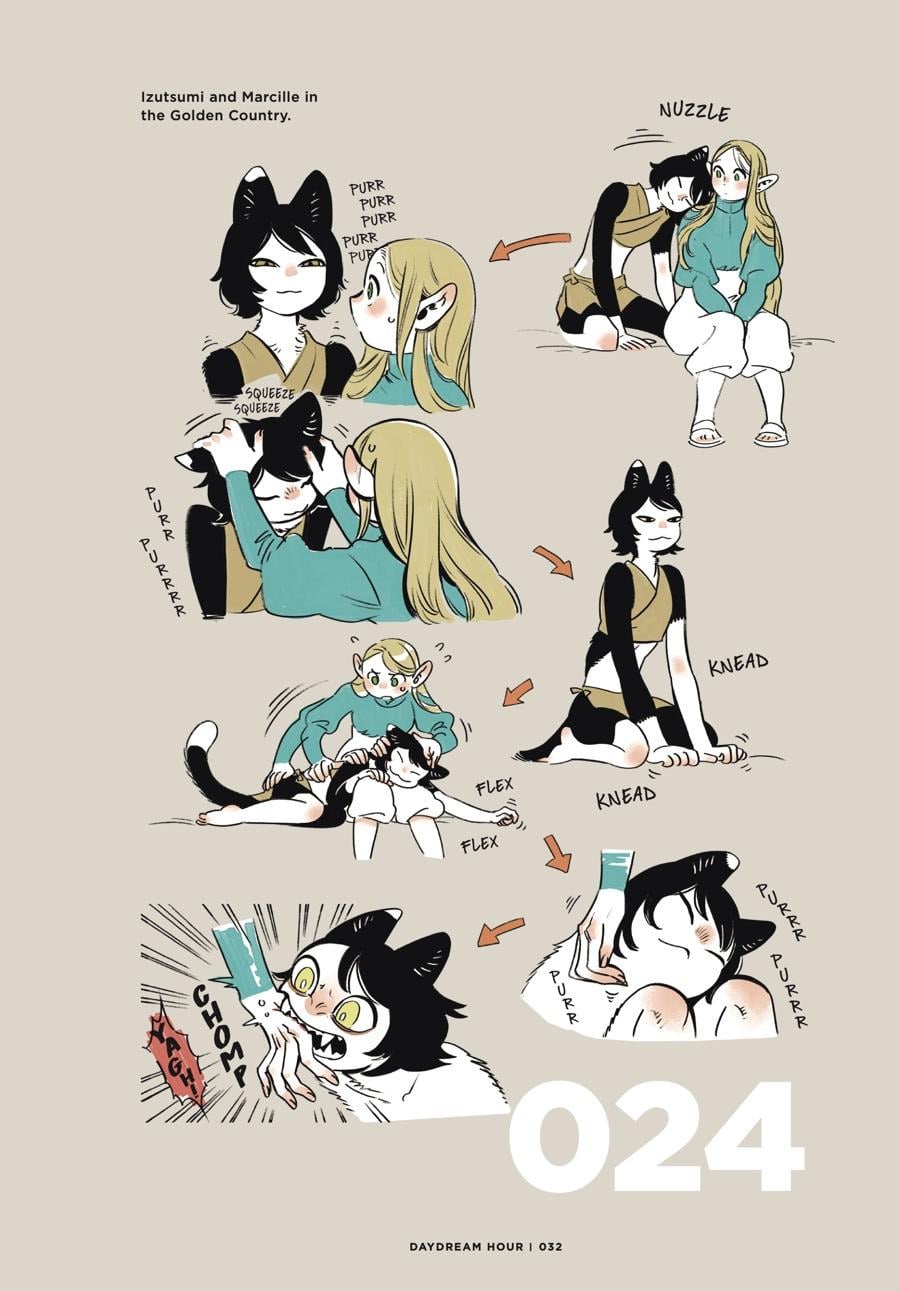
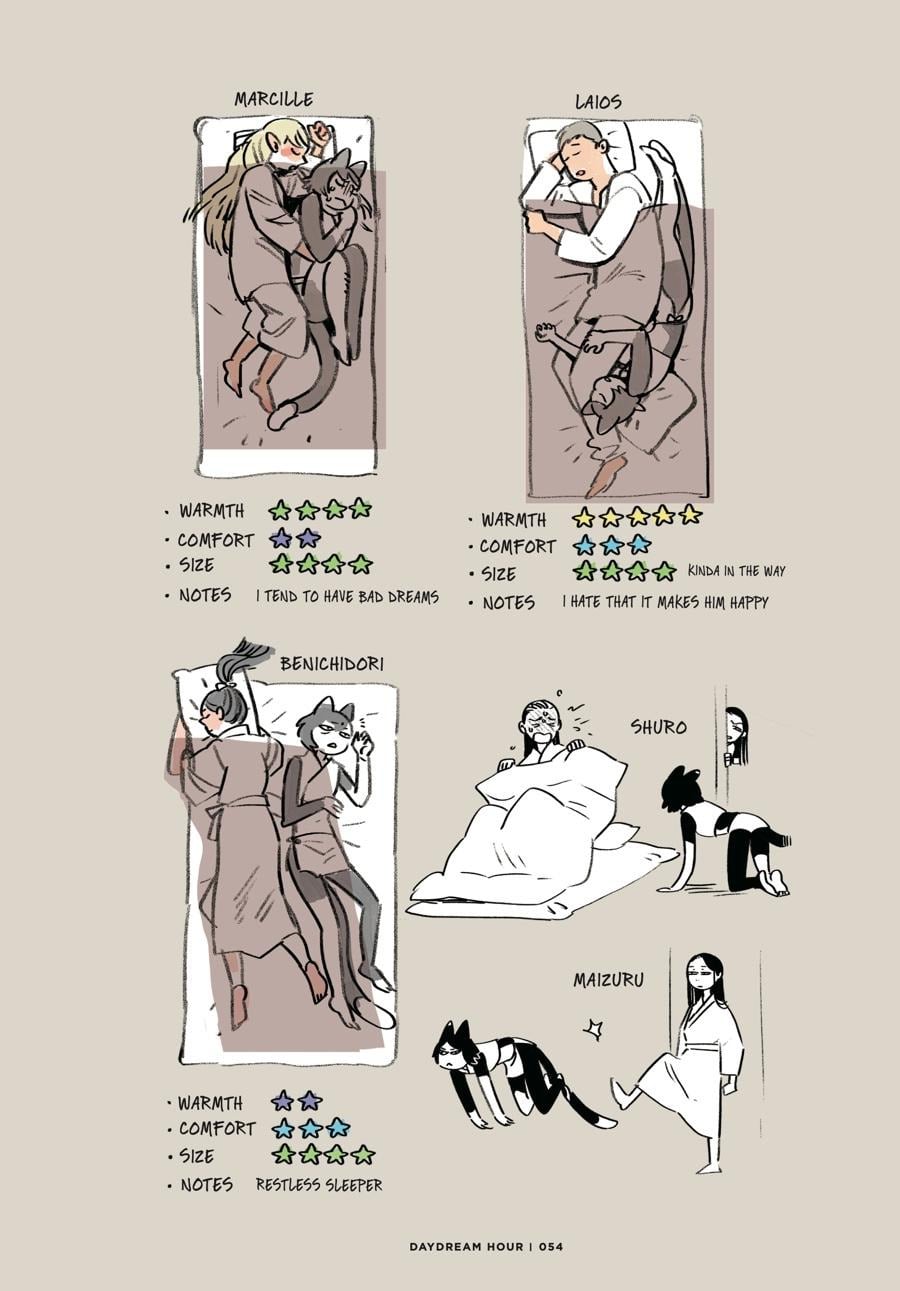
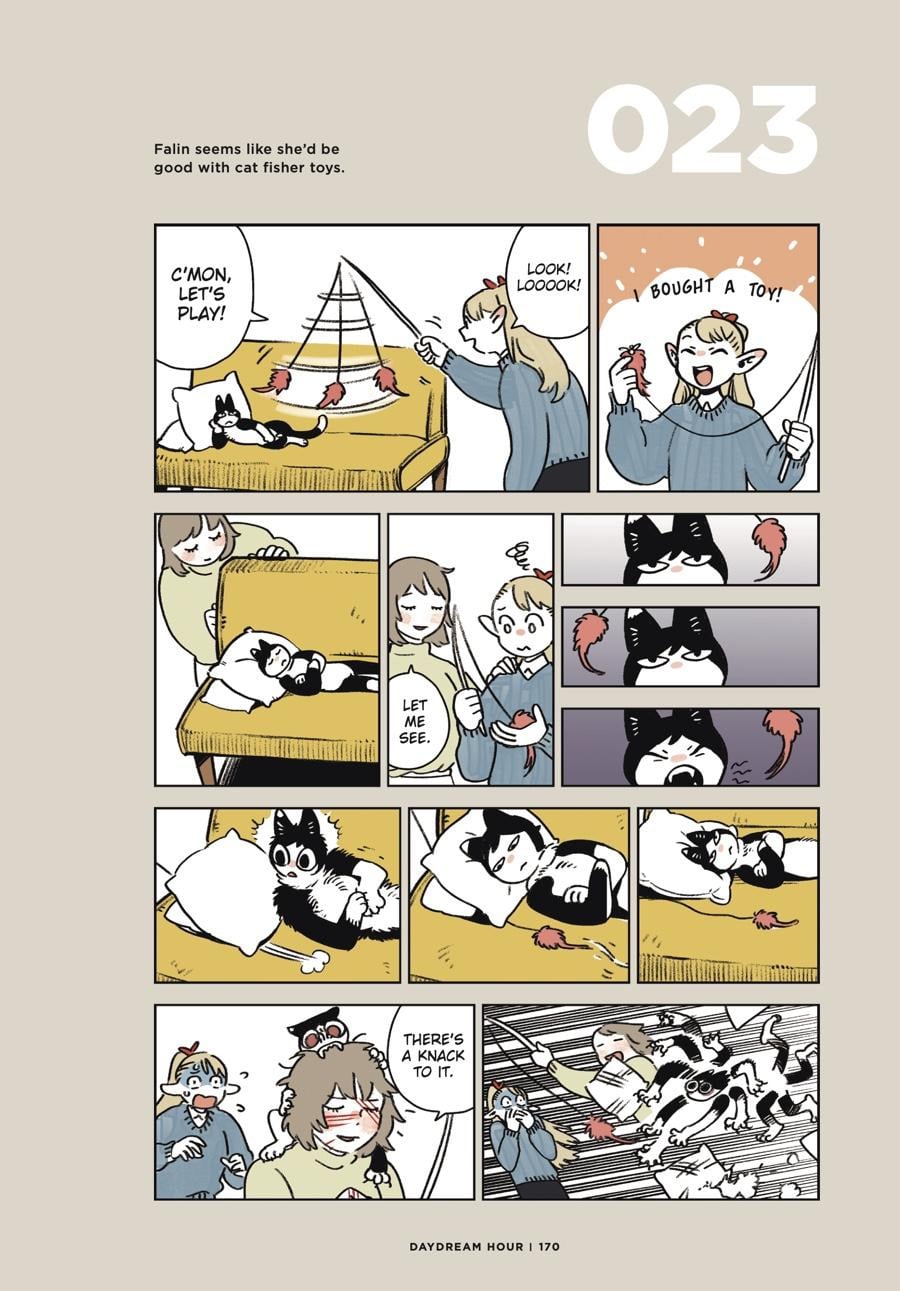
The pages are spare notes, full-color set pieces, and bite-sized vignettes that never made the main story. You see Izutsumi as the ultimate cat-person—ranking cuddlers, tolerances for pets, and her reaction to a fishing-rod toy—details that humanize the party outside combat rolls. Those little asides convert a high-fantasy party into people you’d want to share a tent with.
What is Doodles by Ryoko Kui: Daydream Hour?
It’s an art book of spare sketches and finished illustrations Kui drew while working on the manga. Yen Press collected them into a volume that reads less like a “how-to” and more like a collection of private postcards. If you follow Anime News Network or IGN coverage of the series, this is the companion that fills in the quiet moments between panels and episodes.
I often open the book when I need a quick creative reset — here’s what you’ll notice first
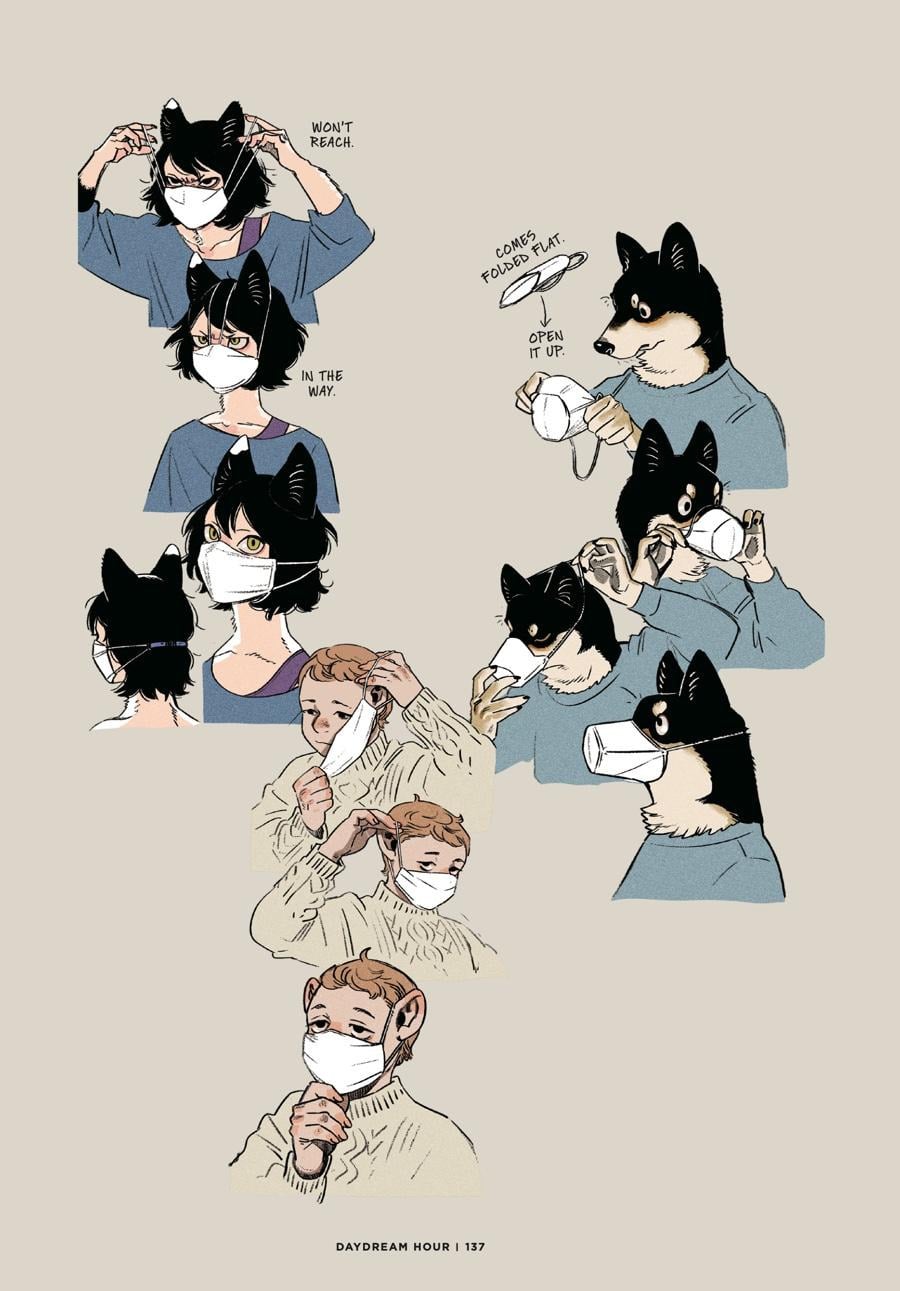
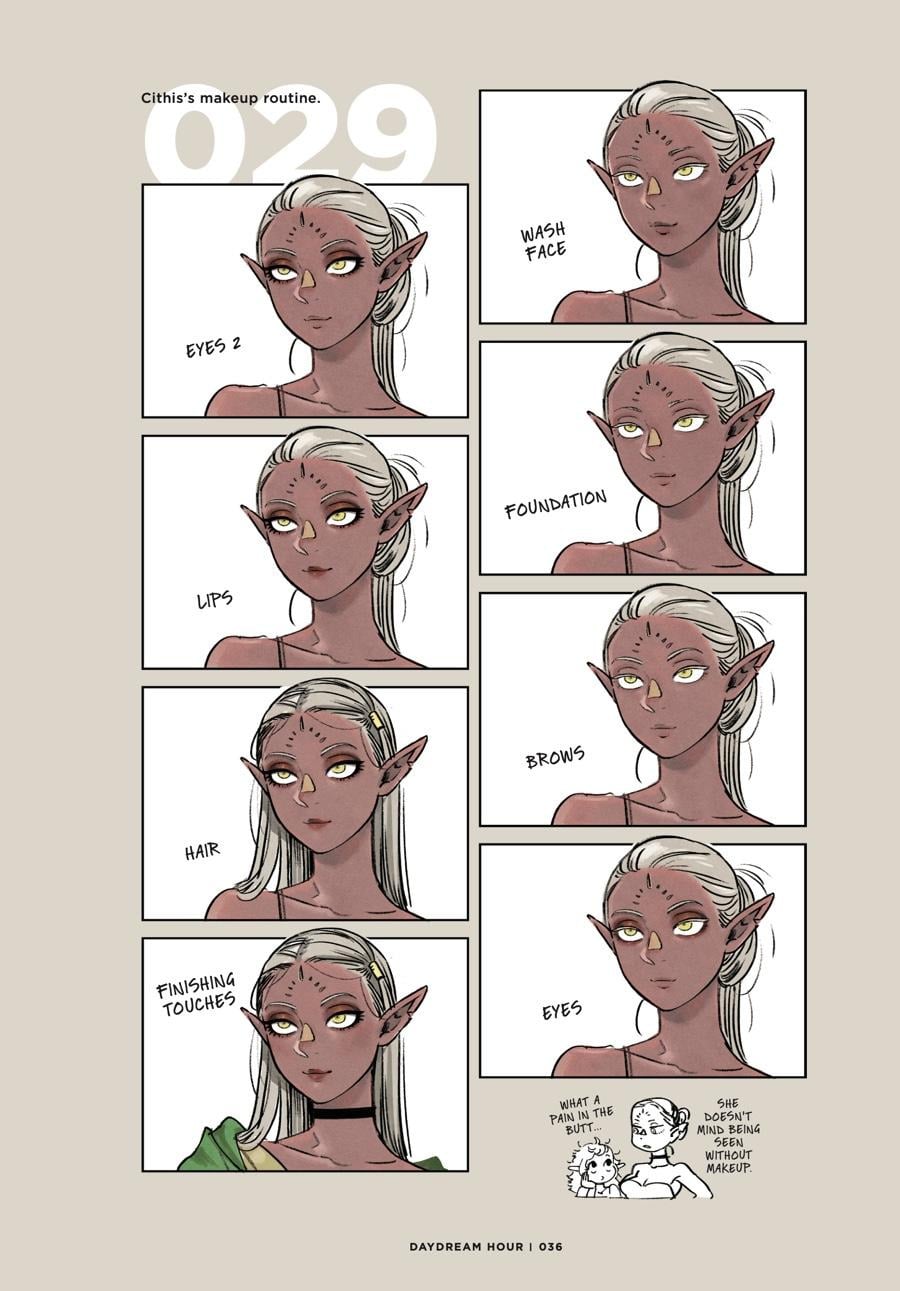
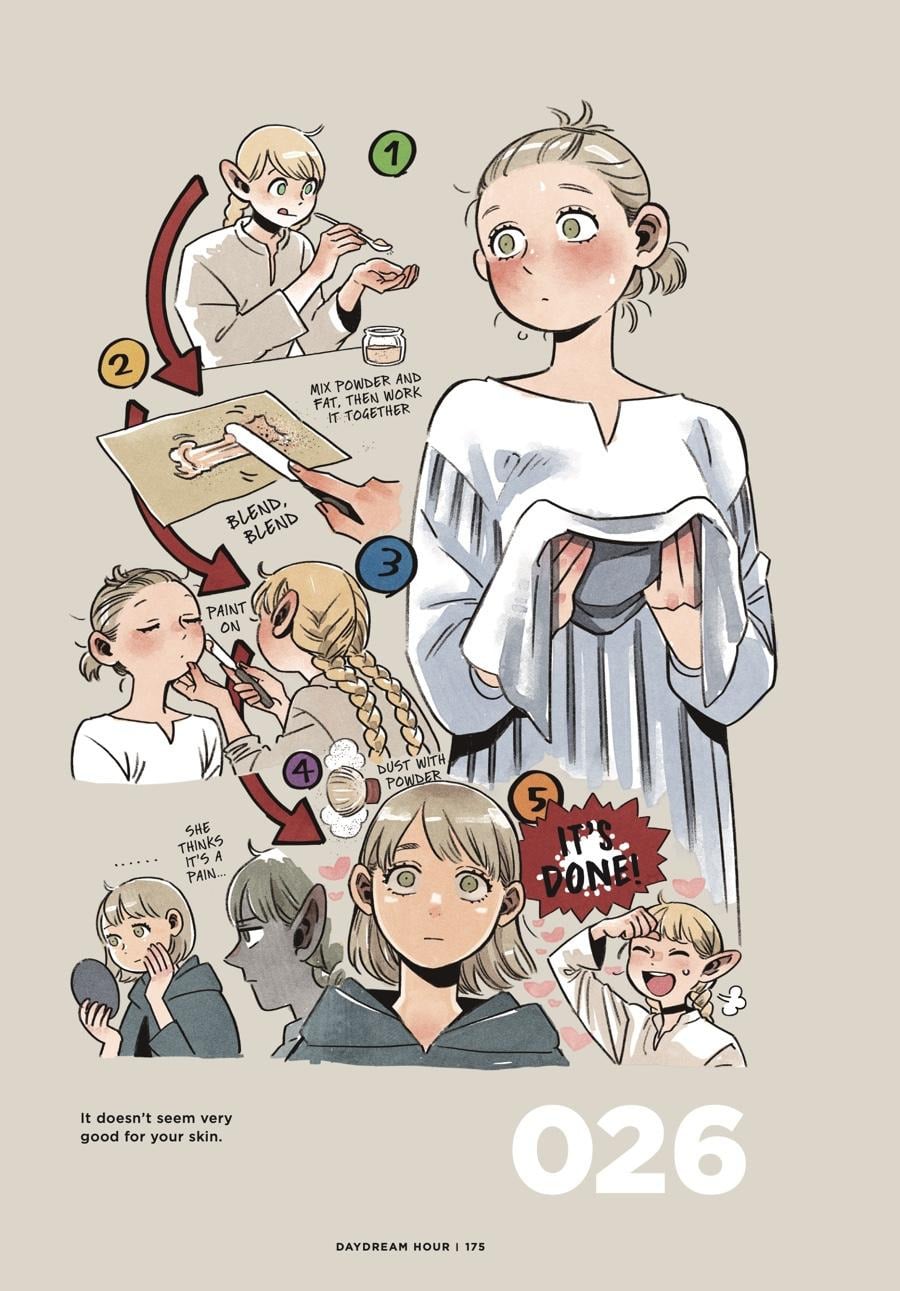
The most immediate thing is the personality work. Kui sketches habits: morning routines, makeup, shyness about certain topics. She created Izutsumi before committing to the manga, so the character’s cat impulses read as intentional rather than performative. Those micro-behaviors add weight to every in-scene choice.
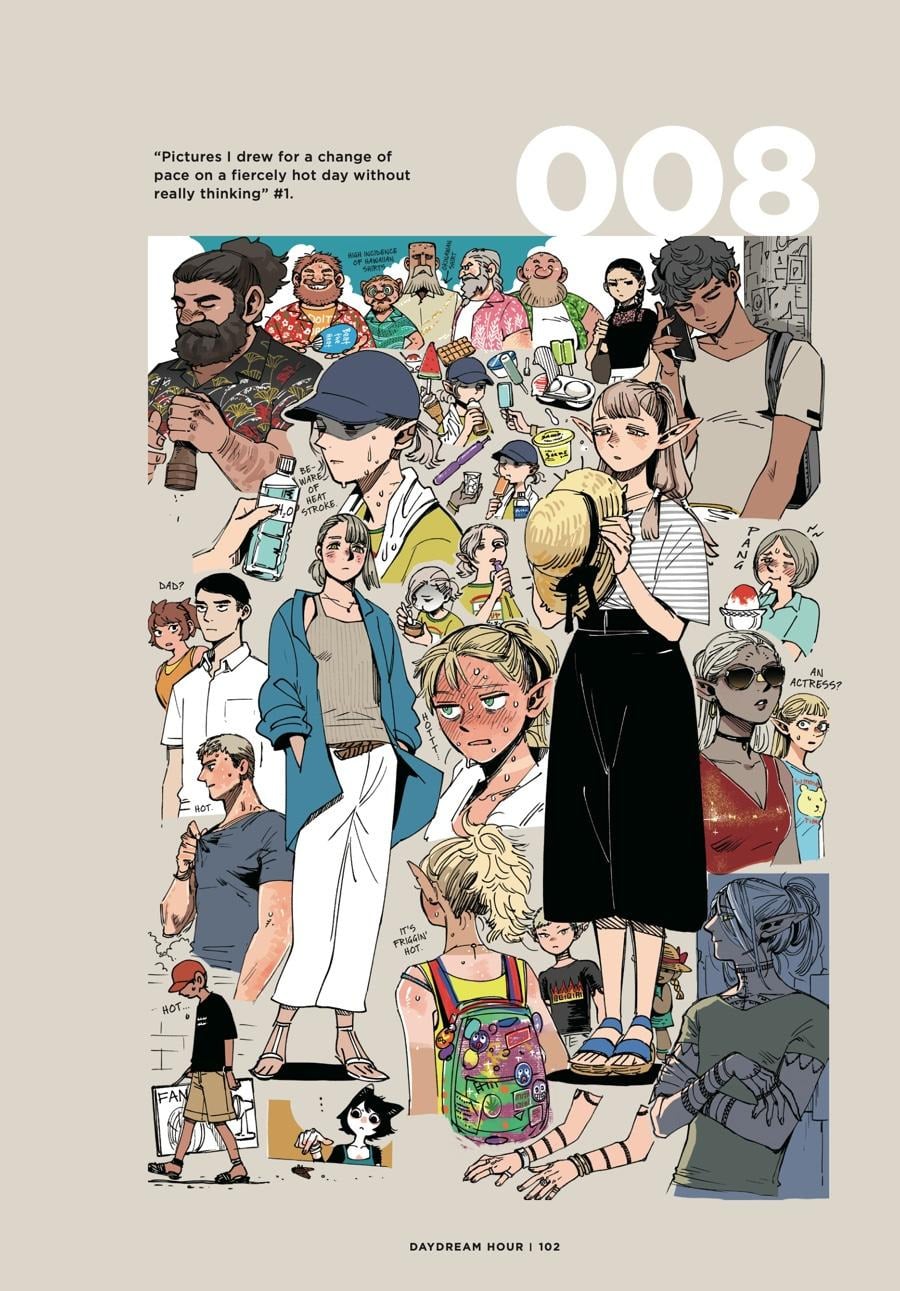
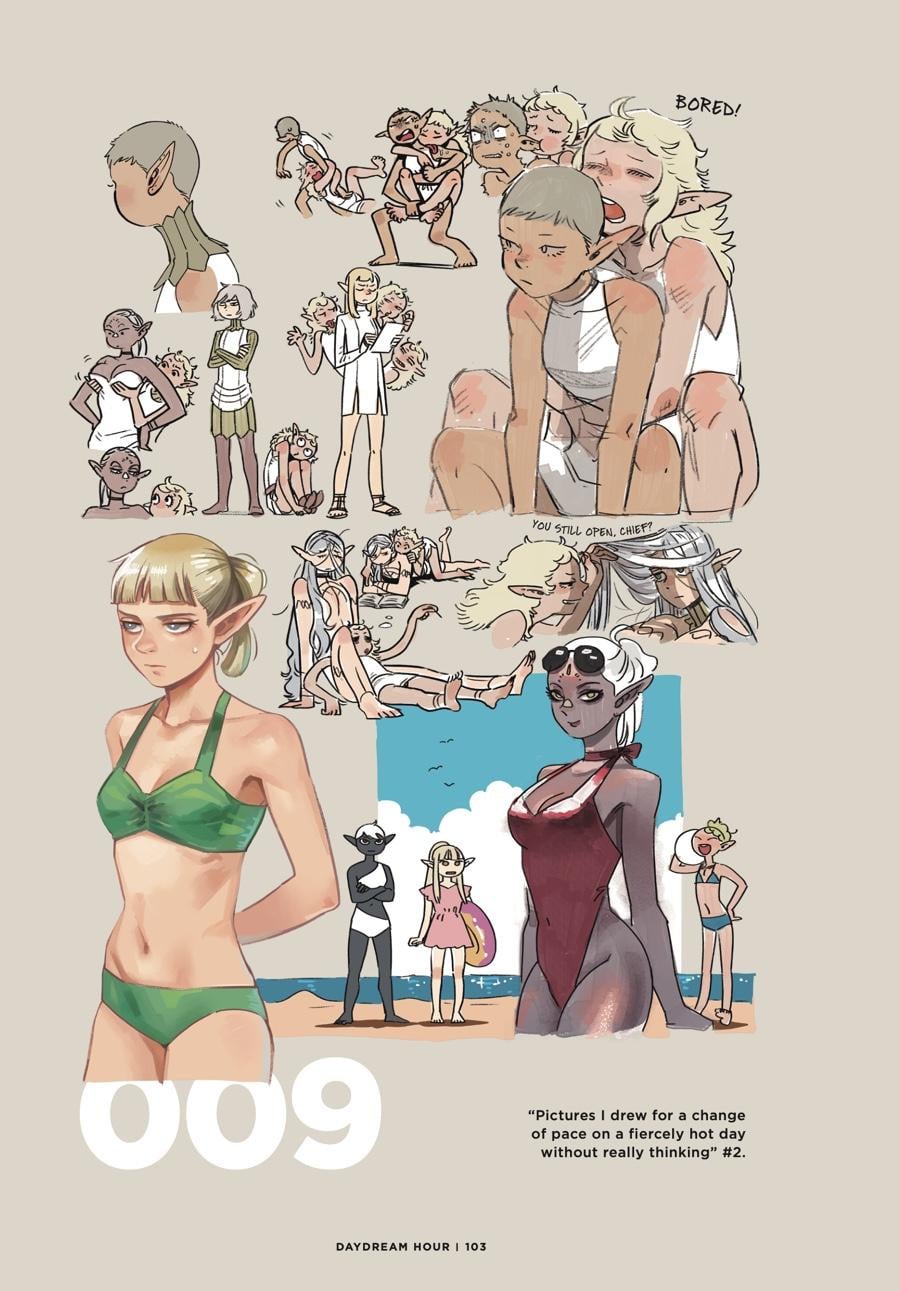
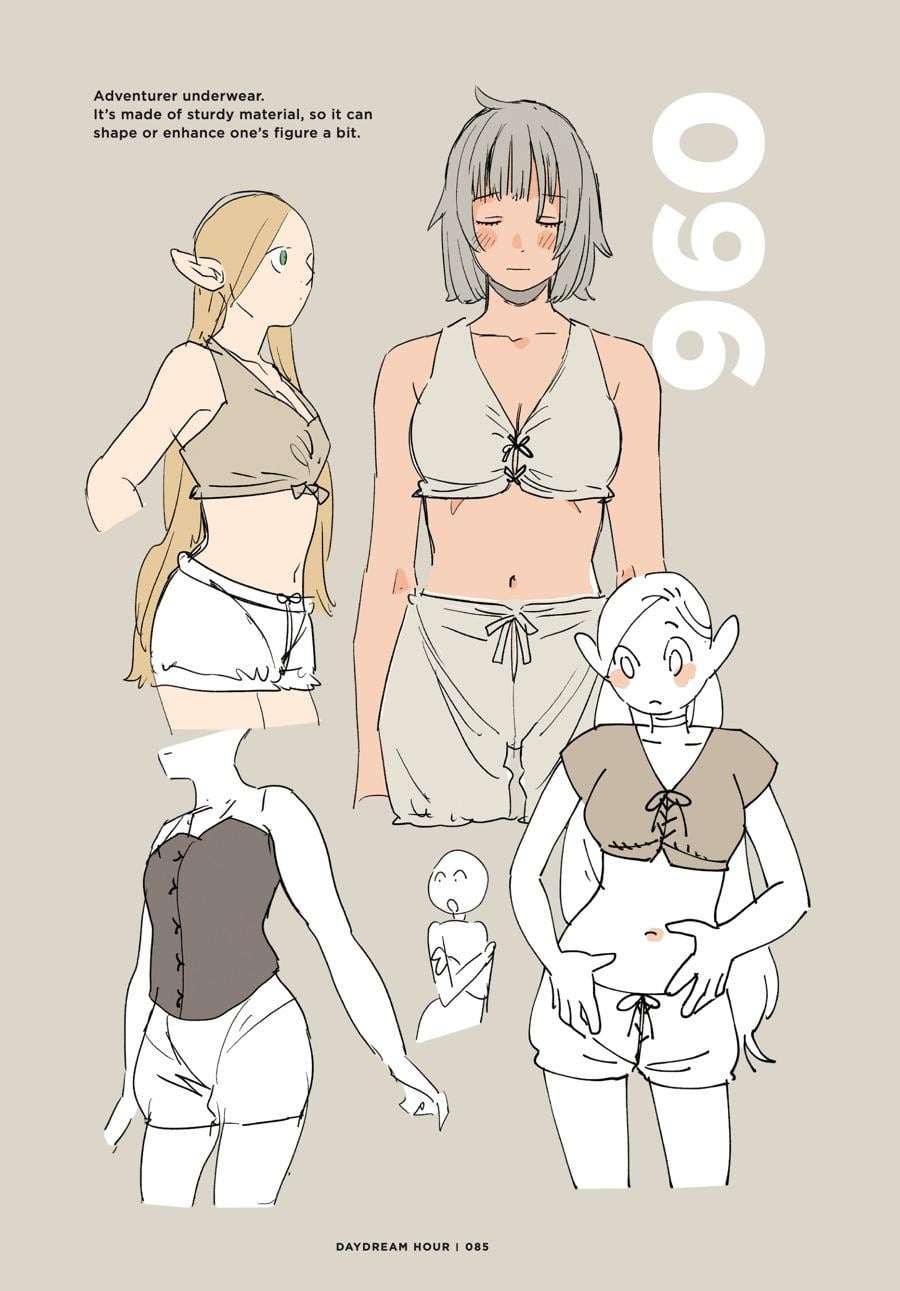
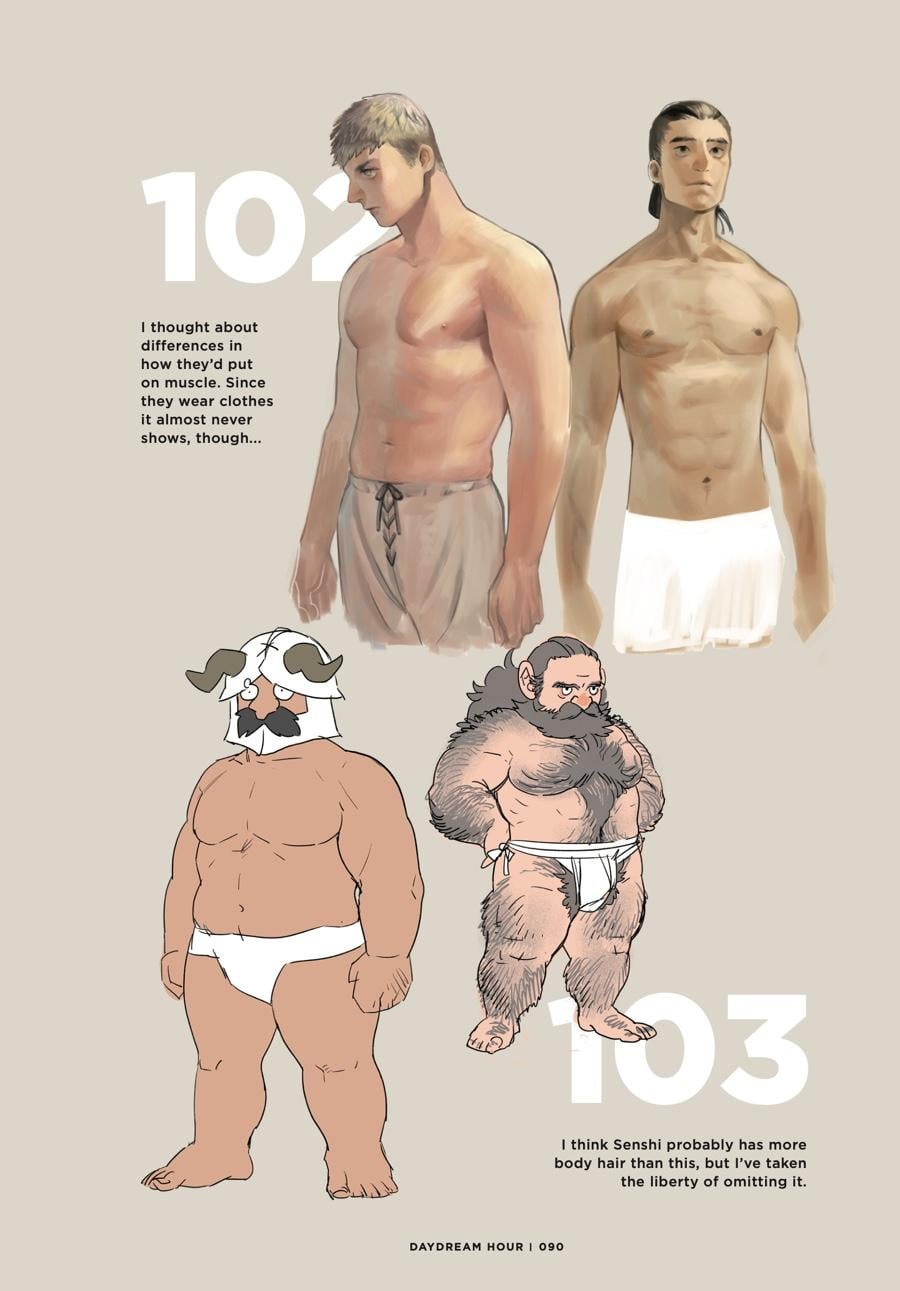
Kui is patient with race and body type. The art shows tall-men, half-foots, dwarfs, elves, gnomes, orcs, ogres, and kobolds with small but meaningful differences in posture, facial structure, and silhouette. She even redraws the cast across races in a tidy grid, which doubles as a practical sheet if you’re designing NPC variants.
Kui’s sketches are a backstage pass to her process.
The first time I used the book in a session, the players asked for copies of the character sheets — how to mine it for Dungeons & Dragons
If you run Dungeons & Dragons, Roll20, or Foundry VTT, this book is practical. Pull a two-page spread, and you have posture, fashion cues, and micro-behavior the party can react to. The sketches are shortcuts: a hair color, a morning ritual, an unusual pet preference—details that turn a bland merchant into someone your players remember.
Use the book with D&D Beyond when building NPCs: pick a drawing, assign stats, and write a one-line quirk based on Kui’s note. The book’s small moments translate to memorable one-shots or recurring contacts in a campaign.
Is Doodles by Ryoko Kui worth buying for D&D players?
If you want ready-made flavor and character texture, yes. For roughly $24.99 (€23) from Yen Press, you get a compact volume that rewards repeated skimming. The price is modest compared with most sourcebooks, and the art inspires mood and voice in ways a stat block cannot.
Where can I buy Doodles by Ryoko Kui: Daydream Hour?
Yen Press lists the volume on its site and booksellers like Amazon and your local comic shop will carry it. If you prefer to browse before you buy, check major retailers’ preview pages or anime-focused outlets that link back to Yen Press and IGN reviews.
For reference, Ryoko Kui has spoken about these sketches in interviews with Anime News Network and other outlets; Hirohiko Araki’s essays on craft at Viz offer a different stylistic approach, but the comparison is useful if you study creators who annotate their work for readers.
The art book’s strength is small-scale generosity: micro-stories you can borrow, tweak, or restage. If you run games, stream, or write fan scenes, these pages seed ideas faster than a long wiki read.
So will you keep skimming until you steal a line, or will you let the book sit pretty on your table and only admire it from across the room?