
I remember the theater going silent the moment he entered—no music cue, no quip, just air that wanted to flee the room. You could feel the show recalibrate: a flamboyant duel folded into a different kind of violence. I sat there thinking: this is either a stunt or a statement.
I watch Star Wars enough that I can tell when a cameo is crocodile tears or real weight. You expect spectacle; you don’t always expect a cameo to shift the story beneath your feet. Here’s how Maul: Shadow Lord pulled off a cameo that felt like a lesson rather than a cheap applause line.

A crowded screening fell into a hush. Vader didn’t show up to perform—he showed up to flatten the choreography.
You’ve seen the animated set pieces that sprang from the teams behind Rebels and Clone Wars: balletic saber work, acrobatic flourishes, and lethal flips. Shadow Lord leaned into that language for most of its first season, then slid a blade that spoke a new dialect. Vader arrives without poetry. His motion is pure mass and purpose.
Vader was a brick wall hitting momentum with every step; he did not dance, he corrected. The sound design adds miles to that impression—the steady hiss of his breathing and the saw of his saber drown chatter and swagger. When he acts, the scene reorients. You don’t watch the choreography anymore; you feel its endgame.
Was Darth Vader’s cameo necessary for Maul: Shadow Lord?
Yes—because the cameo wasn’t conceived as a headline grab. It functions as a structural tool inside the story. The Inquisitors had been teasing a universe where the old freedoms of duelists and rogues are over; Vader makes that thesis brutal and immediate. He prunes the cast, tightens stakes, and forces Maul’s choices into a smaller, meaner circle.
A friend texted that the cameo felt like a cheat. I told him to rewatch the silence between Vader’s swings.
There’s a temptation to let Vader banter, to give him lines that signal threat and personality. Shadow Lord refuses that temptation. He is presented as a tool of the Emperor and of fate—his presence reduces character beats to damage control. That absence of speech is not a lack; it’s compression. It compresses Anakin’s story into a single function: enforcement.
Think of Vader here as a steamroller of shadow, not a tragic hero on display. That image isn’t cruel: it’s precise. The show tracks a very early Vader whose rage has atrophied into acceptance; the man is gone and the machine performs. For you, that reading can feel bleak or necessary—the show gives you no sugared nostalgia to soften the blow.
How does Vader’s appearance affect Maul’s arc?
Vader reshapes Maul’s role from provocateur to student of survival. By removing the theatrical flourishes that used to hide consequences, the cameo forces Maul and Devon into a binary: teacher and learner, predator and prey. Maul’s posturing collapses under weight, and you watch a villain recalibrate when their old tools stop working.
There’s also craft to admire. Lucasfilm, Disney+, and the animation teams that cut their teeth on shows like Clone Wars and Rebels know how to stage this kind of tonal pivot. Director choices, choreography, and sound—those are the practical tools the show used to turn an expected cameo into a thematic pivot. Dave Filoni’s lineage is present in the DNA even if he didn’t direct this specific episode; the lesson in restraint reads like a class he might teach.
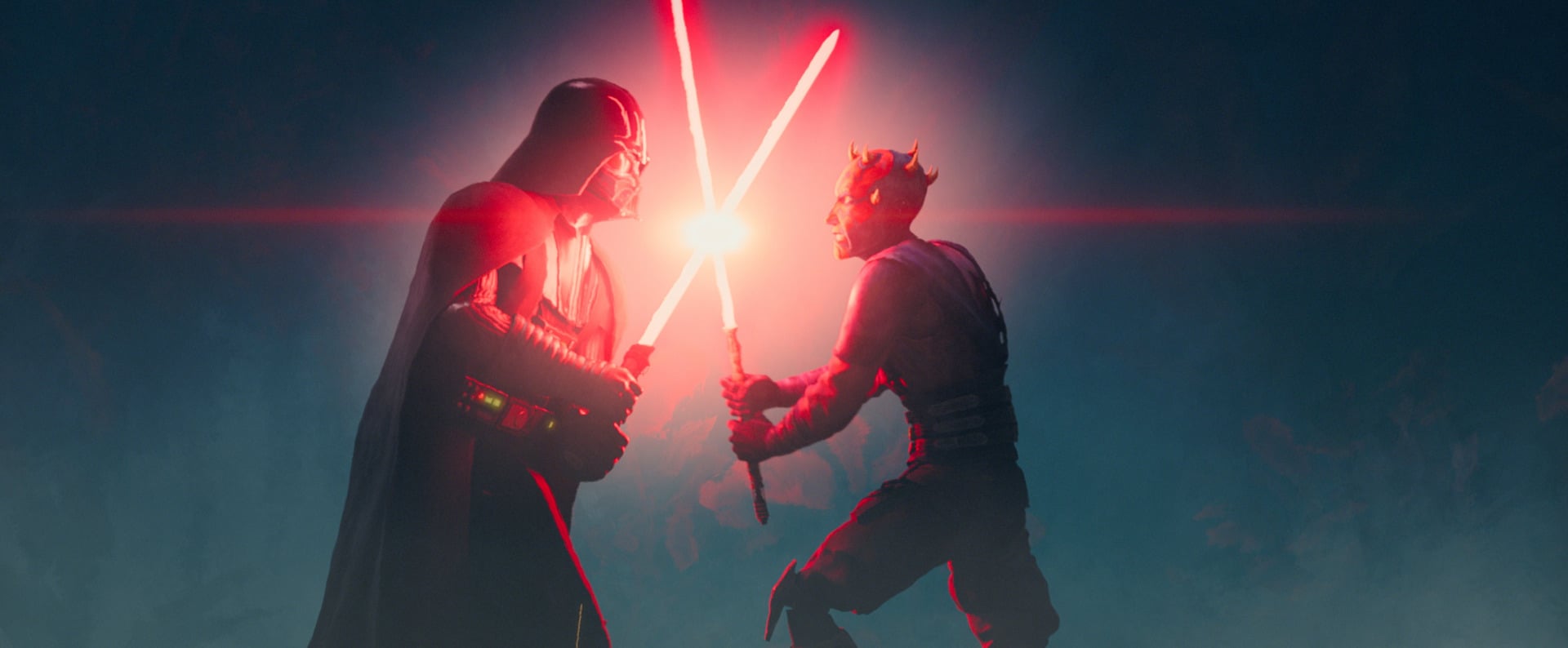
A child in the row ahead asked if Vader was evil. I answered: he’s more efficient than evil.
That moment of pedagogy is exactly what the show stages. Shadow Lord uses Vader to teach an anatomy lesson about power in the early Empire: charisma and flair belong to an older order; the new order favors absorption and annihilation. The cameo compresses history into a single operational example—no rhetoric, only force.
You can argue whether the cameo risks shrinking the galaxy by leaning on a famous face. I’ll give you this: it does shorten the distance between spectacle and consequence, and it makes the consequences matter. If you expect nostalgia high-fives, you’ll be frustrated. If you want a cameo that changes how the story behaves, this one does that work.
Gizmodo’s io9 coverage called it one of the most effective cameos in years; that’s shorthand for craft meeting purpose. The teams who have refined Star Wars animation—those who cut their teeth on Clone Wars, moved through Rebels, and now staff shows on Disney+—know how to deliver shocks that have narrative weight. Here, the shock isn’t the point; the lesson is.
Want more io9 news? Check out when to expect the latest Marvel, Star Wars, and Star Trek releases, what’s next for the DC Universe on film and TV, and everything you need to know about the future of Doctor Who.
So what do you think—was this cameo a masterstroke of storytelling or a ruthless shortcut that cheapens Maul’s story?