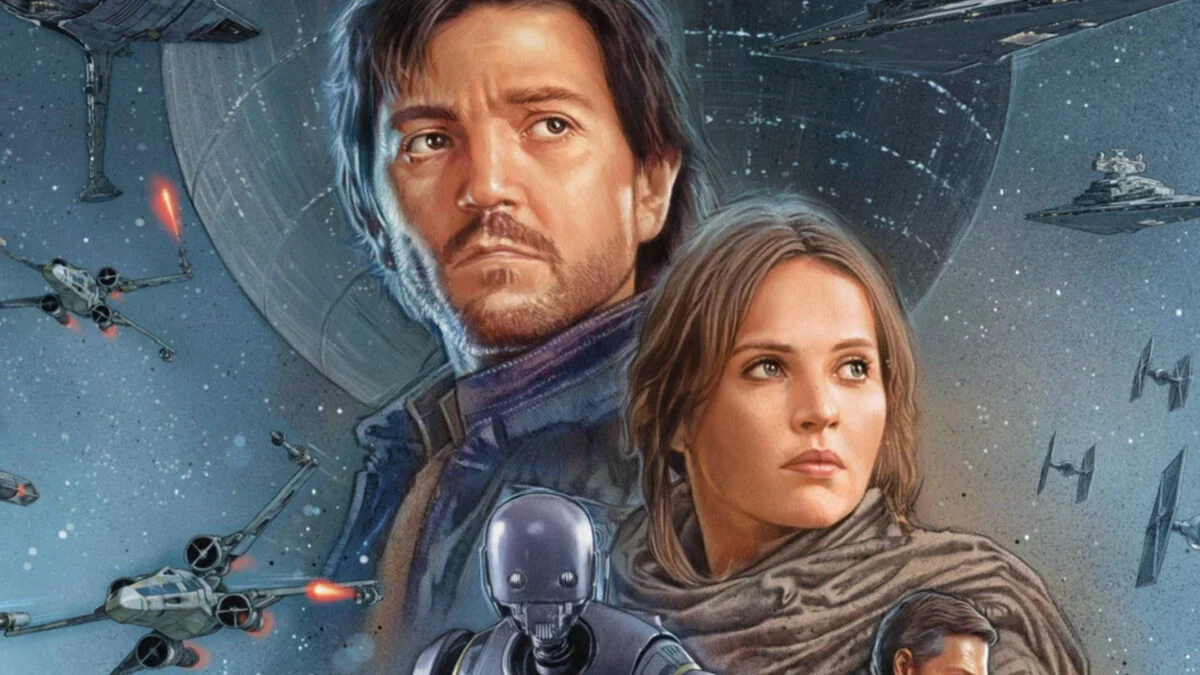
I sat in the dark after the last episode of Andor and hit play on Rogue One; the film felt unfamiliar in the best way. Seeing Cassian through the show’s lens was like reading a postcard written after a long war. When David Kaylor’s fan cut arrived, it didn’t just retell the story—it asked who the movie was really for.
I’ve watched editors reshape movies before, and you know the trick: small swaps in sound and sequence tilt your emotional weight. Kaylor isn’t patching frames. He’s grafting Andor’s voice—its leitmotifs, its flashback rhythm and its narrative cadence—onto Gareth Edwards’ film. The result is a version of Rogue One that feels like a finale and an epilogue to the show, not merely a prequel.
On YouTube, Kaylor spent months teasing the cut and building momentum
You can trace the project’s arc through trailers and rescored snippets on YouTube—his edits of the finale with the show’s music have already made rounds. That steady drip did two things: it primed fans who loved Andor to see Cassian’s arc expanded, and it gave the edit an identity separate from Lucasfilm’s original release. Kaylor’s previous fan edits—retooling the Original Trilogy, syncing Revenge of the Sith to the Siege of Mandalore—read like a resume for this kind of reinterpretation.
How does the Andor cut change Rogue One?
It shifts point of view. Where the theatrical cut centers Jyn Erso’s choices, this fan project reframes events around Cassian Andor. You’ll hear musical motifs from Andor, see flashbacks stitched in a similar rhythm, and feel a darker, more procedural pacing. The change isn’t cosmetic; it alters which moments are foregrounded and which get relegated to the background.
At conventions and forums, debates about authorship of the story keep flaring
Fans long argued that Rogue One was as much Cassian’s as it was Jyn’s, but the edit hardens that claim into a narrative preference. Kaylor also replaces controversial CG recreations—Grand Moff Tarkin and Princess Leia—with fan-made renders from deepfake artist Shamook, borrowing work that already circulates on platforms like YouTube and Twitter. That choice raises aesthetic and ethical questions: is a fan’s corrective edit an improvement, or a reimagining that leaves other compromises in its wake? Kaylor’s cut is a mirror held to the original film, refracting its light into Cassian’s story.
When can I watch Rogue One: The Andor Cut?
Kaylor has scheduled the release for May 25, and it will be available for free viewing online. Expect distribution to be on video platforms where fan edits traditionally thrive—YouTube and fan-hosted sites—though availability can shift if copyright issues arise.
On legal threads and comment sections, the conversation is as much about craft as it is law
You’ll see two camps. One praises the edit for honoring the show’s tone and for savvy audio work; the other flags deepfake use and argues for studio control. Lucasfilm and Disney+ didn’t commission this; the cut exists because fan communities know how to use tools—editing suites, score replacements, and deepfake renders—to tell alternative stories. Whether you call it restoration or reinterpretation depends on how you feel about authorship in franchise storytelling.
Is Rogue One: The Andor Cut canon?
No. Canon remains defined by Lucasfilm and Disney. This fan cut is a persuasive reading, not an official revision. That doesn’t make it irrelevant. Fan edits like Kaylor’s function as criticism through craft: they show what a film can become when its emotional center is reassigned.
If you loved Andor, this project rewards you with fresh framing and an intimate, Cassian-forward edit of a familiar story. It reminds you that perspective changes what you mourn and what you celebrate. Which side of the Cassian-versus-Jyn split will you choose?