I remember standing on a chilly set in 2009, watching a storyboarded dream that everyone at HBO had quietly advised against. I told myself the only way forward was to make the fantasy feel earned, not cheap. You don’t get many second chances when a network is nervous and a pilot budget is stretched thin.
I’m Bryan Cogman in this story, and I’ve been revisiting what it felt like to write episode 104, “Cripples, Bastards, and Broken Things,” as Game of Thrones turned 15. You’ll find memory and method braided through what follows: how a scrappy, awkward show became the schoolroom for every future choice I’d make in television, and why the early pressure around fantasy elements nearly snuffed the project before it could breathe.
I wasn’t going to participate in the whole #GoT15 thing, cuz… well, I don’t work for HBO anymore (haha) but I owe the show and its fans so much, I thought I’d post a bit about the first episode I wrote – 104: ‘Cripples, Bastards, and Broken Things’… which premiered 15 years ago today… (cont)
— Bryan Cogman (@bryancogman.bsky.social) May 8, 2026 at 11:20 AM
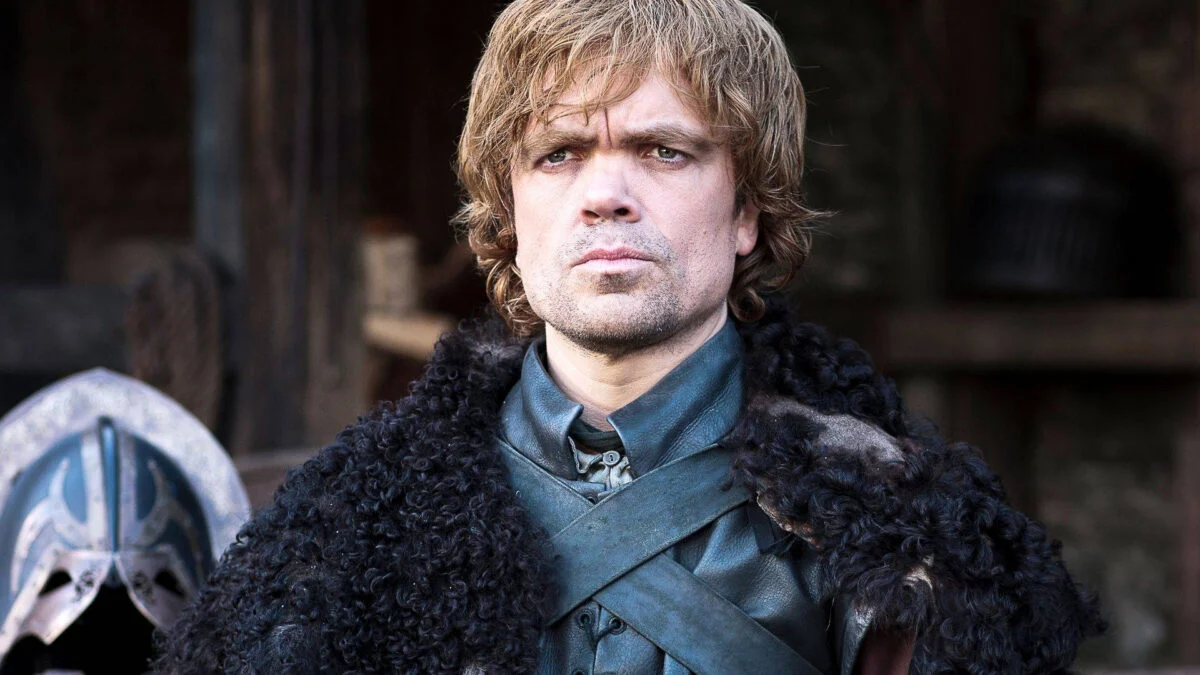
On a cramped 2009 soundstage, the team had to prove fantasy could carry an HBO audience.
I was the in-house “expert” who built family trees, character sheets, and maps until those pages felt like living tools for the writers’ room. You may know the names David Benioff and D.B. Weiss; they hired me to help break season one and then to write episode 104. My first formal credit felt more like a training exercise than destiny, and I hadn’t yet learned how much production would shape my writing voice.
Who is Bryan Cogman and what did he contribute to Game of Thrones?
I started without a long resume in TV writing. HBO asked Benioff and Weiss to bring on freelancers, so the early season one staff mixed experienced showrunners with new voices—George R.R. Martin and Jane Espenson among them. I wrote the fourth episode, helped shepherd scripts on set, and acted as an on-the-ground producer before the title was official. That hands-on schooling taught me camera language and cadence in a way a writers’ room alone cannot.
In early meetings, network executives repeatedly questioned how far the show could push its fantasy elements.
HBO at the time treated genre with caution: they had Boardwalk Empire and other prestige series for risk-averse viewers. I remember being told to tone down dream sequences and supernatural hints. My decision was blunt—I wrote a version of Bran’s dream that was “not too fantastical, but enough to see where we were going.” It landed because we threaded it into character stakes.
How did HBO respond to the show’s fantasy elements?
HBO was nervous. They wanted a show that read as prestige drama first—genre second. That conservatism kept budgets tight and creative choices conservative. Yet Benioff and Weiss pushed back: they trusted material and assembled a team that could make subtle fantasy feel grounded. The result was a compromise that let the world breathe without alienating mainstream viewers.
On set, small decisions revealed whether a scene worked or died under pressure.
My unofficial production work taught me more than any class. I learned which camera moves sell a close-up and what a single prop can do for performance. Working on Thrones was like a ship in fog—everyone had to steer by instinct and peer signals. That chaos forced practical creativity: when you don’t have a dragon budget, you find texture in actors’ faces and sound design.
What early challenges did Game of Thrones face?
There were many: a cautious network, skepticism about fantasy on HBO, a mixed crew of veterans and newcomers, and the simple logistics of translating dense books into digestible episodes. The show was scrappy; sometimes that meant genius, sometimes jury-rigging. It was also a pressure cooker that taught me production priorities fast and without mercy.
Years later I’m a consulting producer on Lord of the Rings: Rings of Power, and the lessons haven’t left me. Working with George R.R. Martin early on, and alongside writers like Jane Espenson, gave me a practical grammar of adaptation—how to honor source material while bending it so TV can breathe. You come away believing that the right mix of people, a willing network, and an audience ready for something different can make improbable things happen.
If you care about writers’ rooms, craft, or why a show like Game of Thrones both succeeded and angered fans, watch how the smallest production choices ripple into cultural moments. The show was a risk, shaped by names you know—Benioff, Weiss, Martin—and by platforms and communities like HBO, Bluesky, and early Reddit conversations that amplified every rumor and revelation.
So ask yourself: when a network hesitates and a writer says “fuck it, I’ll write it anyway,” do you bet on caution or on the messy genius of people willing to see what happens next?