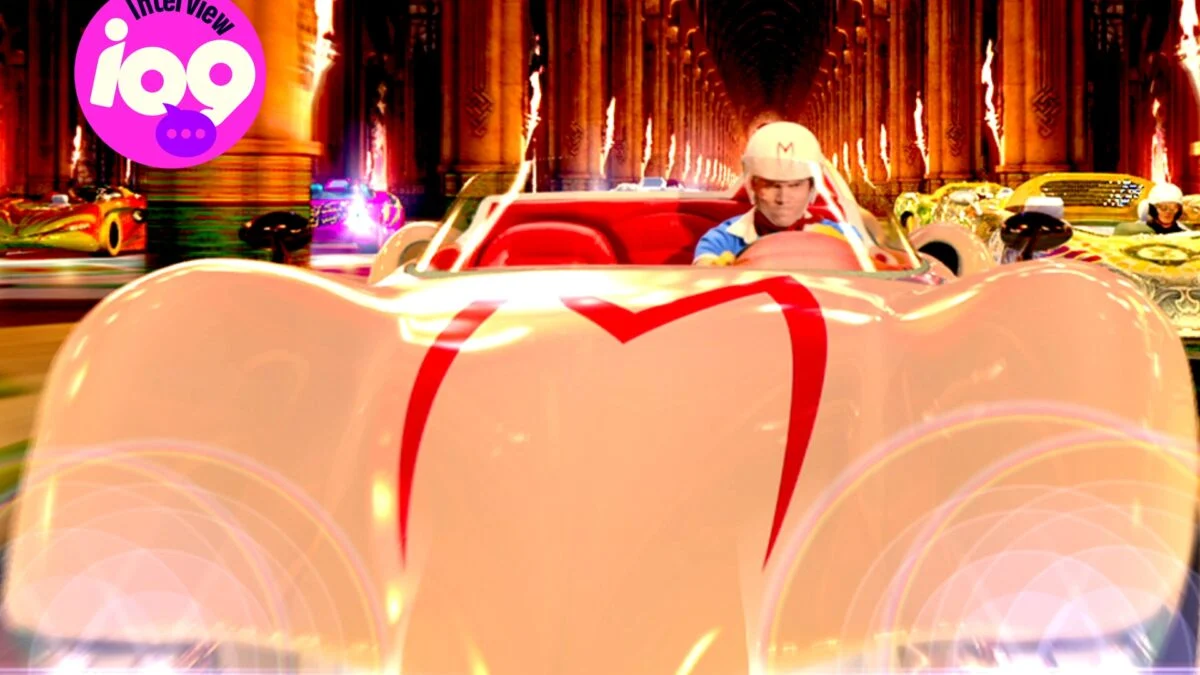
I sat in a half-empty theater the night Speed Racer opened and watched people shift in their seats—expectation and confusion trading glances. Reviews landed like cold rain and the studio quietly filed it away. Now, nearly 20 years later, seeing a 4K crowd cheer feels like a late bouquet arriving at the funeral.
At a sparsely attended premiere, the movie was written off — The Star of ‘Speed Racer’ Looks Back on the Cult Classic Finally Getting Its Due
I spoke with Emile Hirsch as Warner Bros. prepared a 4K rerelease that forced a second look. You remember the headlines: experimental, overstuffed, a commercial misfire. You also remember what came next—fan essays, YouTube dissections, and a steady fever of affection that turned critics’ scorn into curiosity.
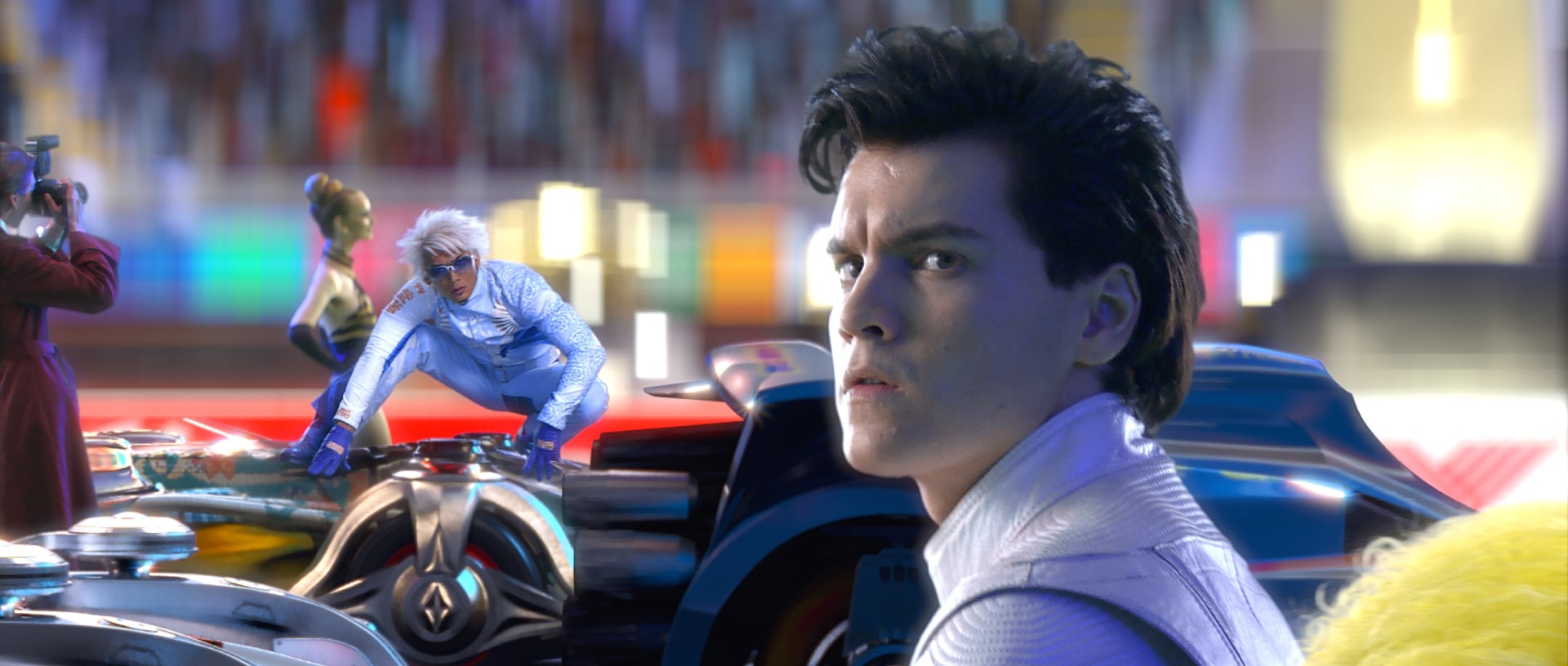
On a worldwide casting call, a young Hirsch read the role — Why he said yes
I asked him what pulled him in and he didn’t reach for industry speak. He told me he grew up on the Cartoon Network replays, loving the cartoon; he also loved what the Wachowskis did with The Matrix. When the Wachowskis announced they were making a live-action adaptation, Hirsch auditioned along with what felt like half the planet.
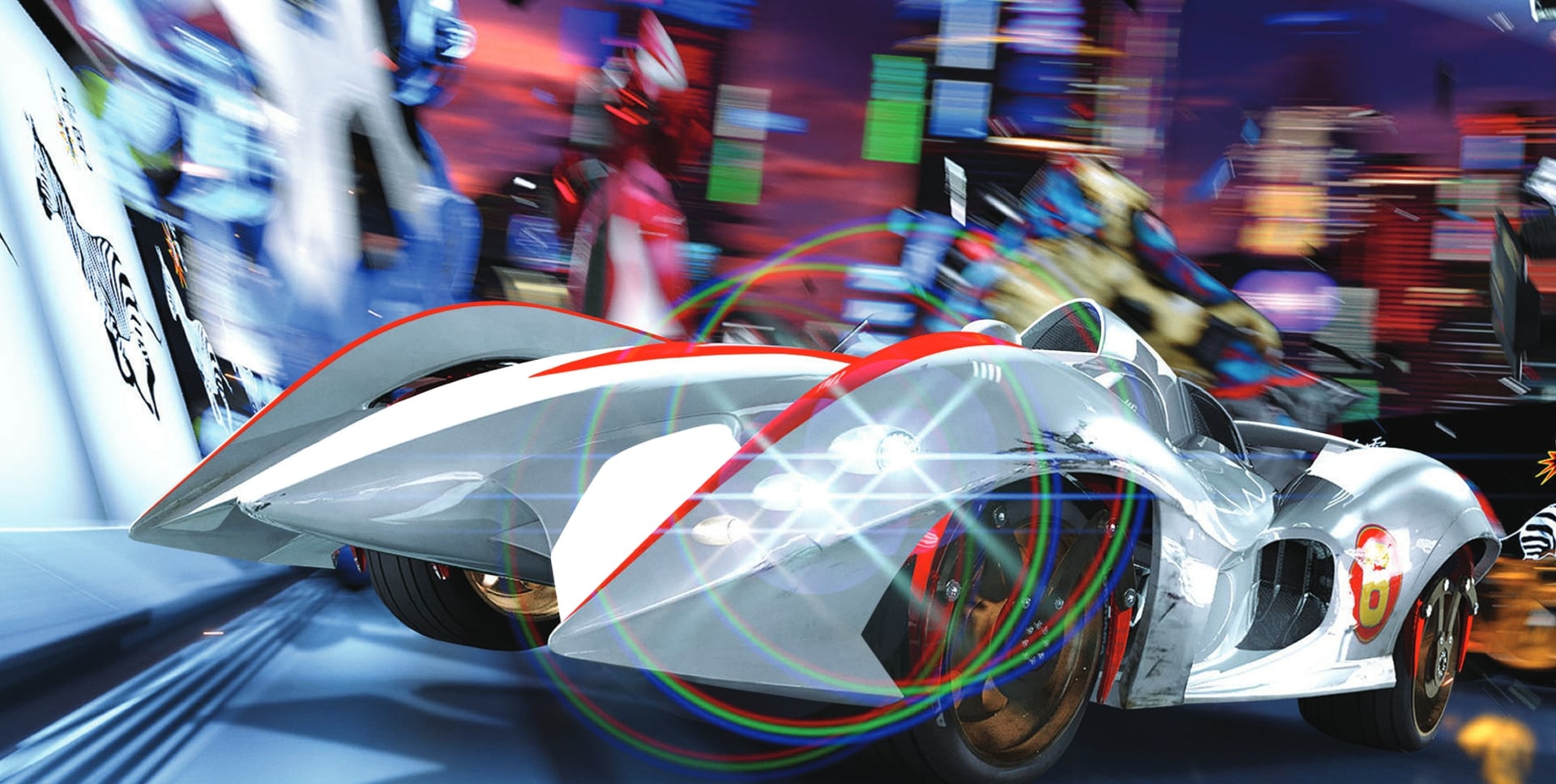
He remembers the artwork they showed him during casting—proof the Wachowskis were refusing to copy their own past. They weren’t searching for a slick, familiar sheen. They were building a new visual vocabulary: loud, hyperpop, and unabashedly anime in spirit. Hirsch says that’s when he realized the film would not be a rerun of their earlier work; it would be its own creature.
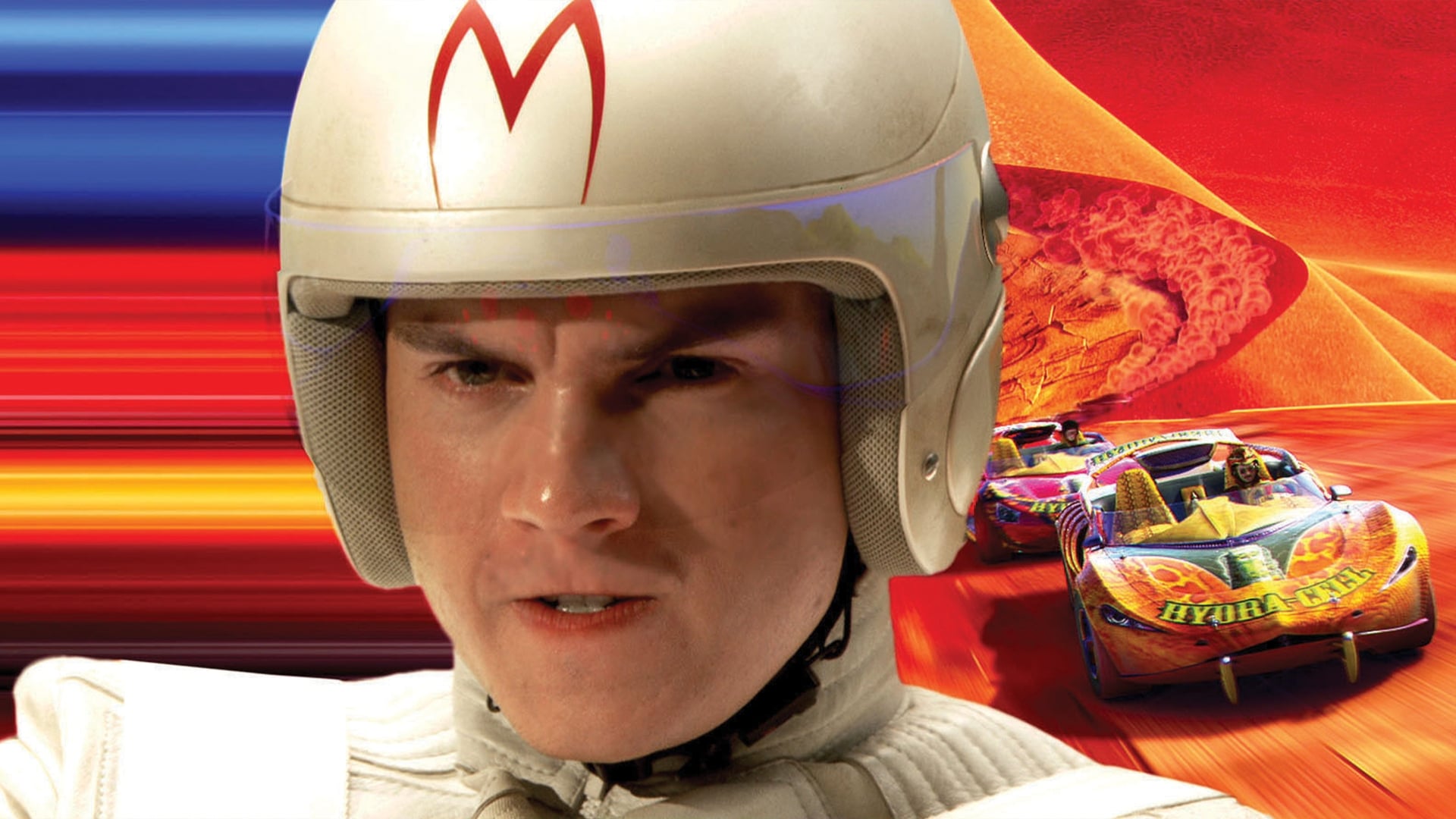
Why did Speed Racer fail at the box office?
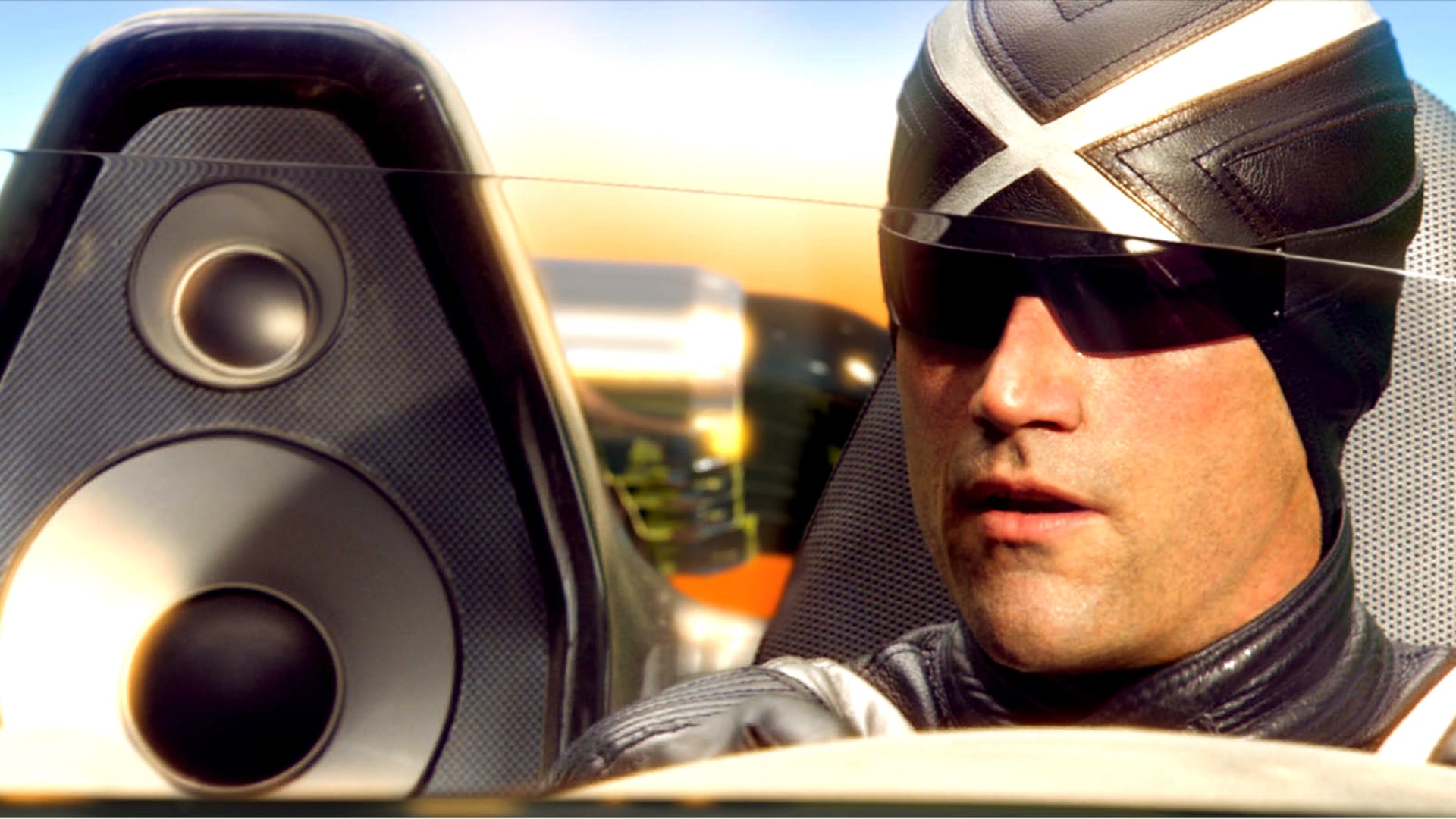
I won’t hide the obvious: timing and taste worked against it. The film arrived during a shift toward the Marvel-style blockbuster and critics framed the Wachowskis’ visual daring as excess rather than innovation. Studios were counting on a clearer, safer return. The result was a commercial verdict that became the dominant story for years.
At a family-table rehearsal, the cast proved the casting was right — How the production handled its oddball staging
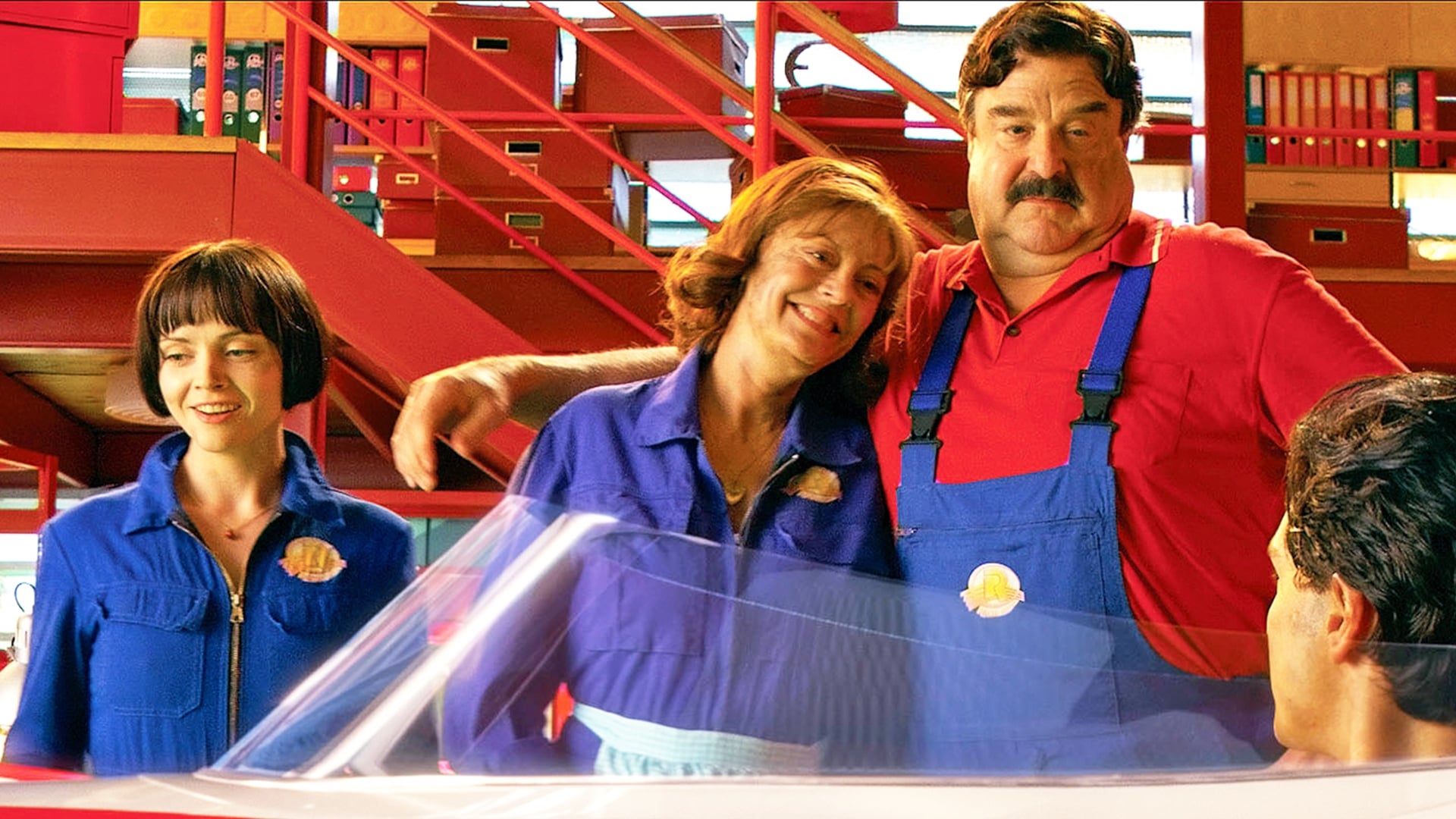
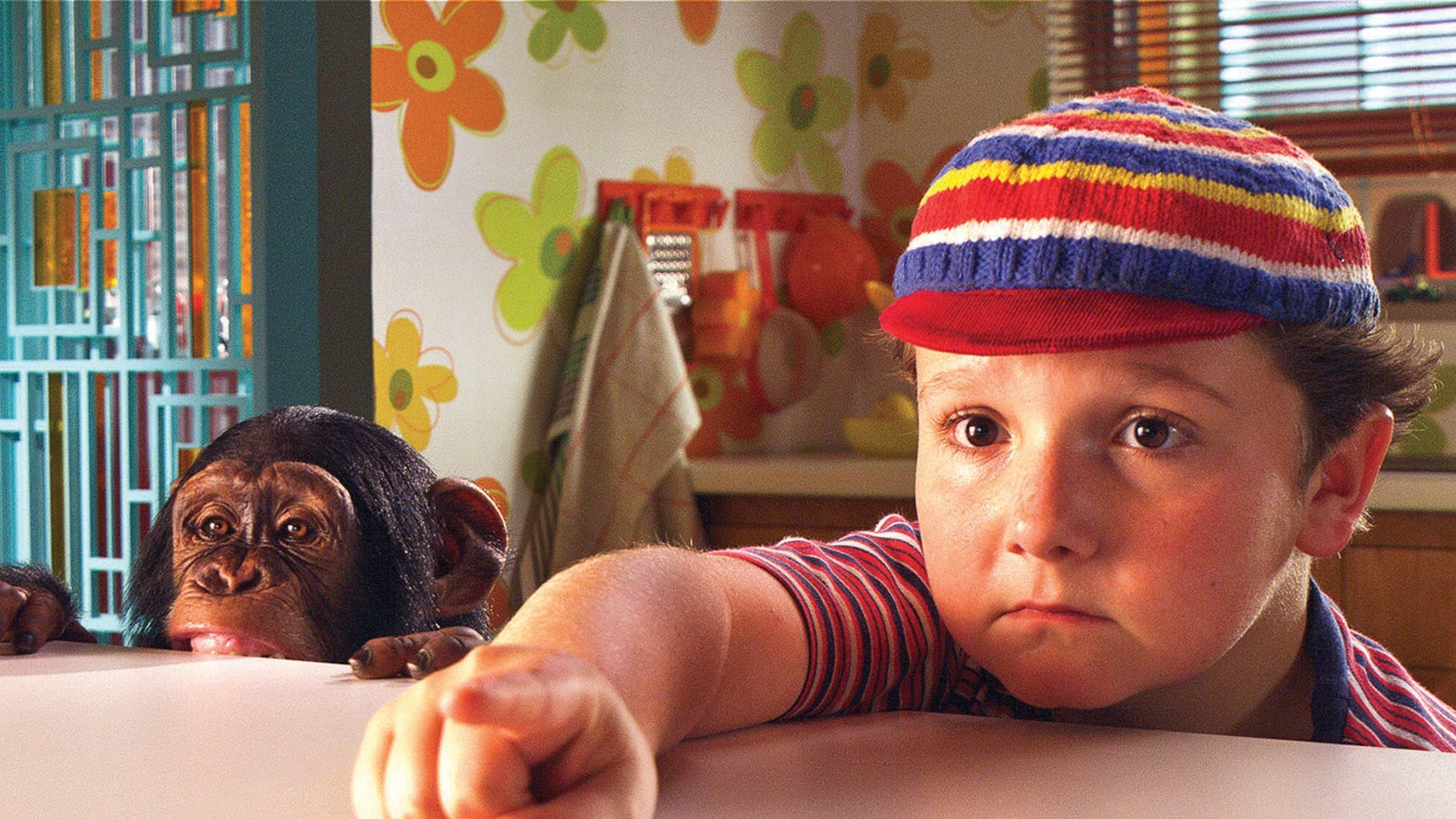
Hirsch told me the dinner table sequences after the Thunderhead race were moments when the chaotic design suddenly served the drama. Imagine a chimpanzee on set, John Goodman present, Susan Sarandon moving through a scene—green screen around them, but full human chemistry. That clarity made the movie feel like an ensemble piece, not just a visual stunt.
The team shot on green screen and trusted post-production to stitch the world together. Hirsch remembers being relieved: the actors were so well chosen that their interactions read, even in empty space. That cast cohesion is part of what fans point to now when they call the film underrated.
Is Speed Racer a cult classic now?
Yes, and there’s a lesson in how it happened. The film’s rise was organic—fan essays on YouTube, passionate posts on forums, screenings that filled through word of mouth. Warner Bros. listened: a 4K remaster hit theaters, then IMAX, and the conversation grew louder. Hirsch says watching that change unfold surprised him; the world moved from “disaster” to “masterpiece” over nearly two decades.
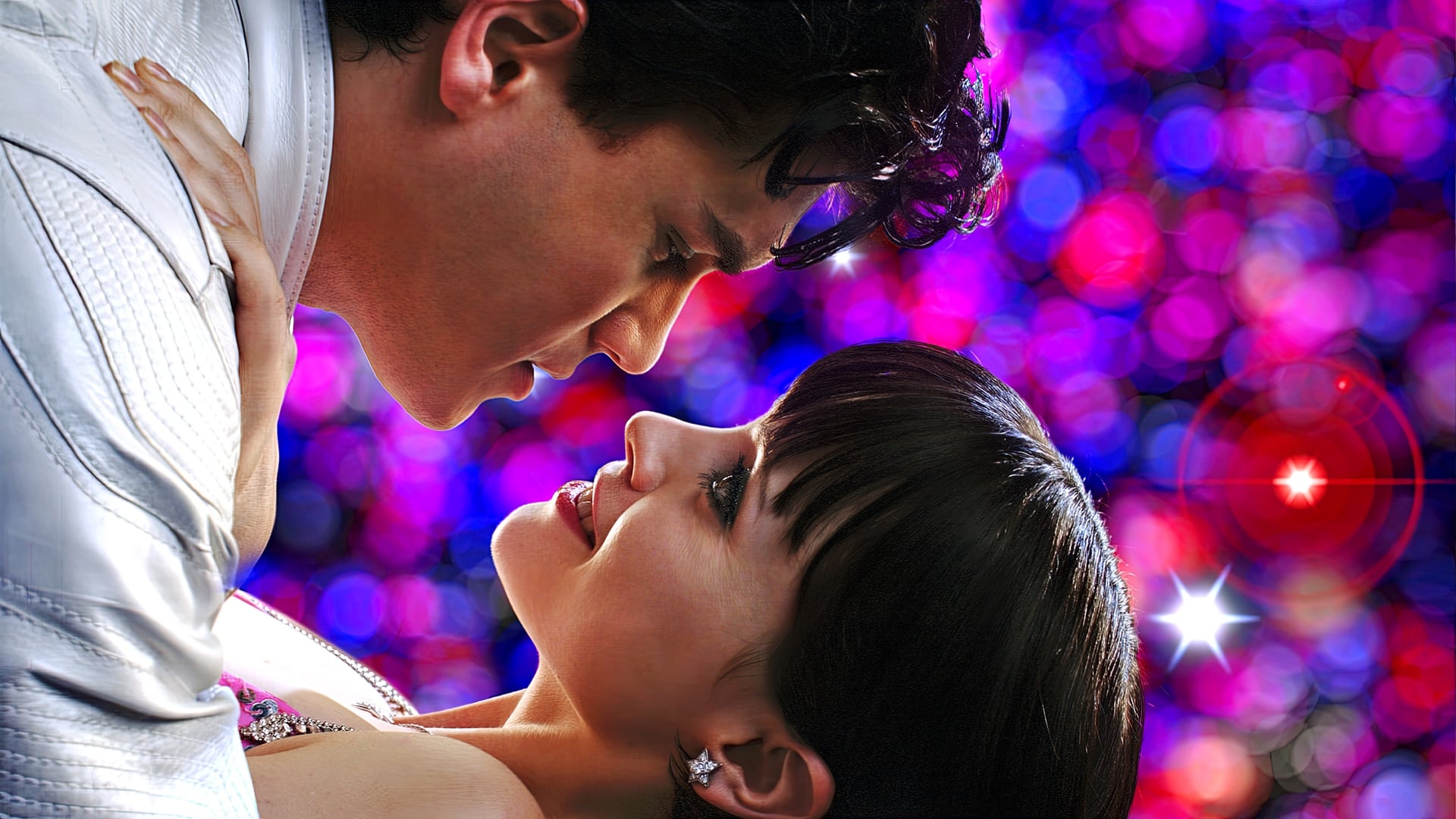
The film itself is a neon fever dream that audiences who once scoffed now defend with fervor.
On an improvised line, someone took a small risk — Where the movie’s memorable moments came from
Anecdotes from set reveal how small choices seeded the film’s personality. Hirsch laughed about the PG-13 moment—Lily Wachowski suggested the line “Get that weak shit off my track,” and Hirsch delivered it. It wasn’t in the draft; it was a risk that slipped past the censors because mainstream PG-13 films at the time were pushing harder elsewhere.
There were other tossed-off bits too—Spritle flipping off Royalton as the doors closed, for instance—that lived in the movie because the filmmakers trusted improvisation and tonal oddity. Those small moments became part of the film’s DNA and later, part of its charm.
Will there be a Speed Racer sequel?
Hirsch remembers plans for sequels if the first film had landed differently. Today the business conversation is altered by fan momentum and archival revenue streams—4K sales, streaming windows, and theatrical reissues carry different weight than they did in 2008. Still, sequels require a confluence of creator interest, studio appetite, and commercial logic. Fans should keep pushing, but don’t expect an announcement overnight.
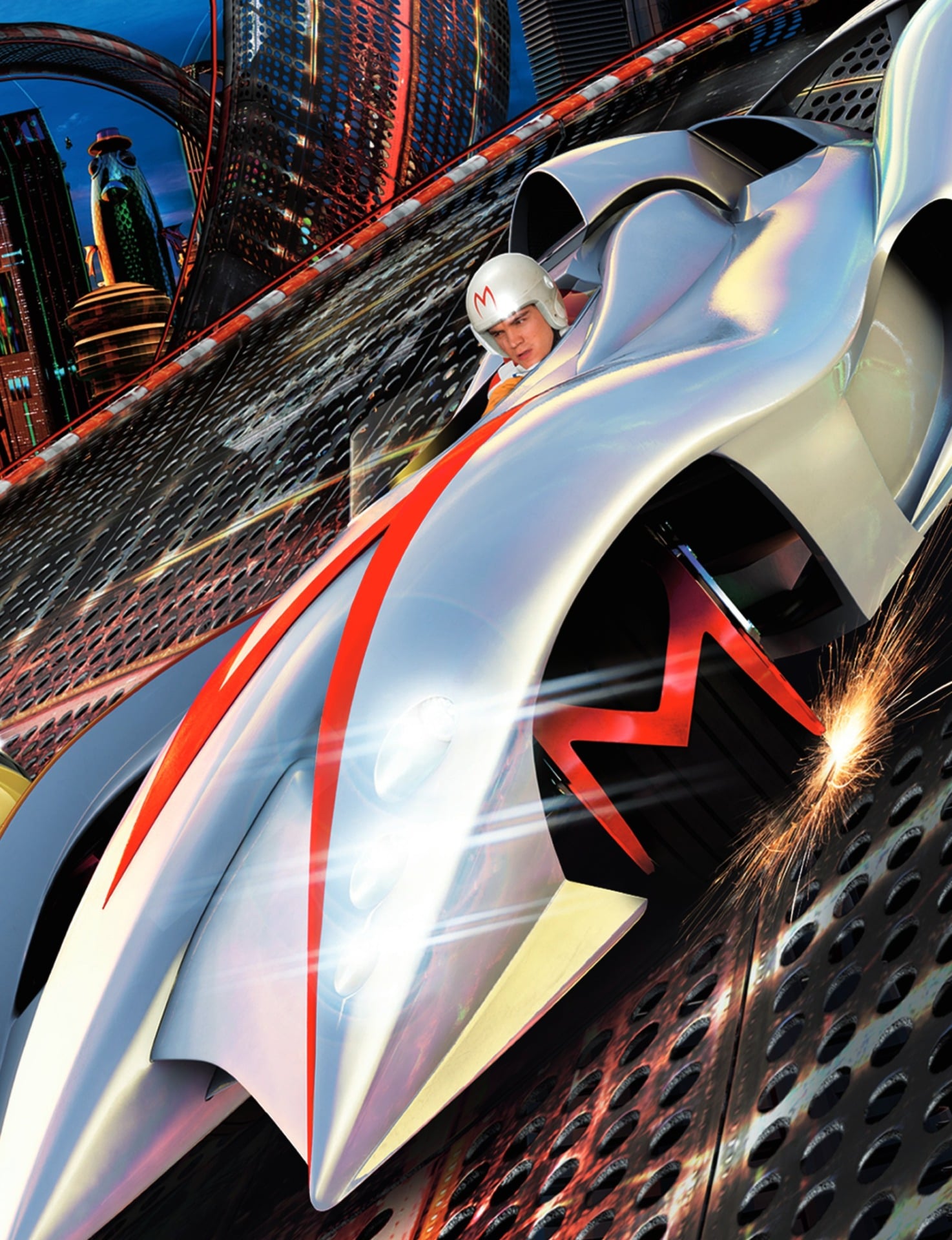
At a recent screening, applause replaced scorn — What Hirsch hopes the film’s comeback teaches Hollywood
Hirsch is candid: if you love your work, don’t panic when the first verdict is harsh. He watched the film receive a slow, genuine reevaluation and he describes that process as surprising and gratifying. He’s happy fans pushed Warner Bros. to issue a 4K remaster and even happier that screenings found new life in IMAX houses.
That resurgence came without a corporate playbook—the fans built it on essays, video essays, and word of mouth on platforms from YouTube to niche forums. It’s a reminder that cultural value can be reclaimed by community momentum rather than studio fiat.
If you were on the fence in 2008 and are tempted to revisit the Mach 5 in 4K on May 19, remember Hirsch’s simple counsel: if you still love it, don’t let early dismissal stop you—sometimes the audience catches up years later. What does it say about taste and time that a film once written off now fills theaters and divides opinion with renewed passion?