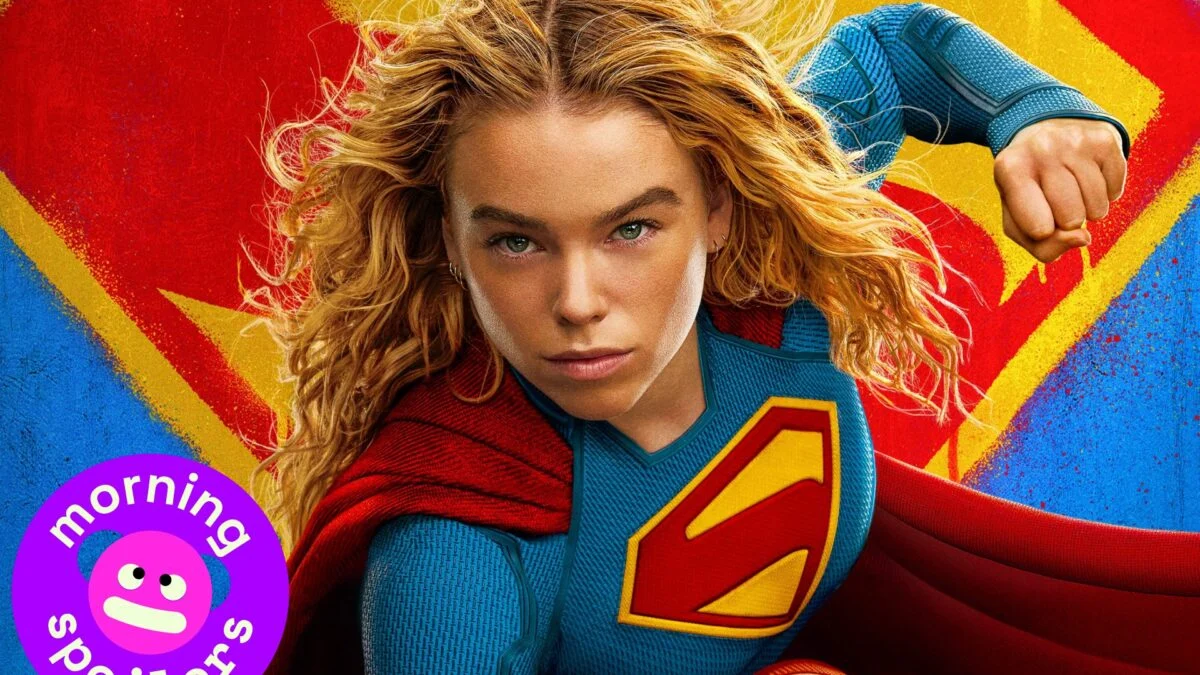
I got a text at 2 a.m.: “They’re bringing Supergirl back.” You read that sentence the way you read a weather alert—one small line that rearranges plans. The rest of the morning felt urgent in a way only franchise news can be.
I’ve been following these shifts long enough to know how a single casting or creative choice ripples through studios, fandoms, and investor decks. I want to give you what matters first: Milly Alcock’s Supergirl will return in Man of Tomorrow, and Peter Safran confirmed she plays “a major part” in the DCU’s next moves. You should care because a supporting casting turns into a narrative axis, and narratives sell tickets, subscriptions, and headlines.

Man of Tomorrow
On message boards this morning, Supergirl threads exploded faster than apology statements do after a leaked script.
Variety quoted producer Peter Safran confirming Milly Alcock will return as Supergirl and that she “plays a major part” in the DCU’s trajectory. That’s not studio fluff—Safran runs DC Studios for Warner Bros. Discovery and his words shift greenlights and marketing plans. If you follow industry trackers like Deadline and The Hollywood Reporter, you know that a credited “major part” from a named producer quickly becomes an investment priority for the studio and its partners, including HBO Max integrations and merchandising partners.
Will Supergirl appear in Man of Tomorrow?
Yes. Safran’s comment to Variety places Supergirl squarely in the film’s architecture, not as a cameo but as a consequential presence. That raises production questions—tone, visual effects budget, and whether the film will thread DCU continuity or act as a soft reboot.
I track casting announcements the way talent agents track trends: for leverage. Milly Alcock’s return signals the DCU intends to keep younger, television-trained actors at its core, a strategy that worked for other studios using streaming-first stars to anchor big-screen payoffs.
Vought Rising
At last week’s press cycle, people kept asking for the “dirtier” 1950s they rarely see on TV.
Eric Kripke told The Hollywood Reporter that the spinoff Vought Rising will be a “grittier” version of the 1950s—denser, seedier, and noir-inflected. This isn’t nostalgia dressed up as commentary. Kripke, who created The Boys, is promising detectives, twists, and a murder that opens into a conspiracy. Expect the show to trade sanitized sitcom gloss for a city of neon and grime, something closer to pulp reportage than glossy period romance.
What is Vought Rising about?
It’s a prequel-murder mystery centered on Soldier Boy and Stormfront that excavates the origin of Vought’s media power and propaganda tactics. Kripke’s pitch suggests the series will be both a genre piece and a satirical mirror—aimed at audiences who binge on The Boys and back-catalog superhero critique.
Think of Vought Rising as a loaded gun of 1950s noir aimed at corporate mythmaking; the show will aim to reveal how entertainment and propaganda fused into modern power structures. Expect HBO Max-level production values and the kind of publicity cycles that keep trades like Variety and Deadline feasting for months.
Lily May B
Scroll feeds are already trading stills and speculation about tone whenever Leos Carax is involved.
Variety reports Jenna Ortega is attached to Leos Carax’s Lily May B, a surreal, dystopian road movie. The official logline is dreamlike: three young people, a big motorcycle, and an end-of-the-world geography that feels both intimate and vast. Carax’s name alone signals arthouse ambition—expect festival positioning and measured release plans that play to Cannes and specialty distributors.
Controllers
A thread of indie horror filmmakers has been quietly building momentum on Canadian sets.
Variety says Adam Azimov will direct Controllers, a post-outbreak thriller about sisters raised to fear “Controllers,” infected people who manipulate others through touch. That premise feeds primal anxieties—touch as threat, family as fortress—and positions the film for genre festivals and midnight screenings that reward slow-burn dread.
Victorian Psycho
Ratings boards don’t hand out R’s casually; they hand them to projects that cross established thresholds.
Bloody-Disgusting reports Victorian Psycho received an R for “strong bloody violence and brief sexual material.” That rating clarifies marketing lanes and audience expectations: this is a film courting adults, genre purists, and late-night horror programmers.
Evil Dead Burn
Summer preview galleries always reveal the tone producers want you to feel before trailers drop.
Fandango released a new image from Evil Dead Burn as part of its Summer Movie Preview. Images like that are bait—designed to seed water-cooler chatter and social engagement long before ticketing windows open.
The Death of Robin Hood
Featurettes are the PR engine’s gentle nudge toward narrative consensus.
Hugh Jackman and director Michael Sarnoski released a featurette discussing The Death of Robin Hood, the kind of behind-the-scenes material that frames actor intent and telegraphs awards-season posture.
Masters of the Universe
Trailers that splice in source material footage aim to convert nostalgia into ticket sales.
Amazon MGM Studios released a “final trailer” for Masters of the Universe that incorporates original He-Man cartoon footage—an explicit attempt to link childhood memory with modern spectacle and drive pre-release streaming subscriptions on Amazon Prime Video.
American Horror Story
Casting announcements often tell you the tonal direction before plot details arrive.
Deadline reports Mena Suvari, John Carroll Lynch, Mat Fraser, and Berto Colón have joined the cast of American Horror Story season 13 in undisclosed roles. That mix of genre vets and character actors usually signals a season that is performance-driven and heavy on practical effects and makeup-driven horror.
The Vampire Lestat
Extended looks are designed to anchor week-long conversation cycles.
AMC+ released an extended look at The Vampire Lestat, another example of streamers using long-form promos to win attention in crowded release calendars.
If you follow trades—Variety, Deadline, The Hollywood Reporter—or keep an eye on studio executives like Peter Safran and showrunners like Eric Kripke, you’ll start to see how these stories thread together: casting begets tone, tone defines marketing, and marketing shapes release strategy. I’ll keep tracking how Supergirl’s return changes the DCU’s plan and whether Vought Rising really delivers a 1950s you haven’t seen before—are you betting on nostalgic sheen or rotten foundations?