I watched the finale in a quiet room and felt the air change. One moment the show was a spectacle; the next it was a reckoning. Everyone I follow on X was either grieving a cartoon tyrant or throwing tantrums at the writers.
I’m writing this because you deserve a clear read, not a pile-on of hot takes. I’ll point to the moves that mattered, name the platforms where the fight is playing out, and explain why the outrage mostly misses the point. Read with skepticism; the show did what it set out to do.
On social platforms, outrage arrives faster than release clocks
We live in a world where a 60-second clip can set a billionaire off and a fandom ablaze. Prime Video dropped the finale; X filled with one-word verdicts. Elon Musk’s “Pathetic” reply to a blue-check’s complaint was exactly the fuel the show’s cast needed to tweet back, and the internet did the rest.
Eric Kripke saw the noise and leaned into it on Instagram while Jack Quaid, Valorie Curry, and Antony Starr doled out gleeful replies. That public sparring is part of the story now—platforms amplified opinion into spectacle. If you pay for Prime Video at roughly $8.99 (€8) a month, you got a show that forced the conversation out of private rooms and into feeds.
How’d ya get this deleted footage, mate? https://t.co/vzecvdu5J0
— THE BOYS (@TheBoysTV) May 21, 2026
What did Elon Musk say about The Boys finale?
Musk replied “Pathetic” to a fan complaint on X, turning a nuanced creative choice into a viral one-word review. That single-syllable verdict gave critics and defenders a neat narrative: either the writers betrayed Homelander, or the audience couldn’t stomach the honest end of a monster.
At watch parties, viewers convert villains into idols
People clip lines and remix meltdowns into anthems; Homelander’s breakdowns became audio samples and TikTok edits that turned a rapist into a meme.
Antony Starr’s performance earned that adoration—Metro Boomin and Future sampled the supe; clips proliferated on TikTok and Instagram. But treating a character’s charisma as moral endorsement misses the point of satire. Homelander is written to be magnetizing and terrifying, and the show uses that magnetism to dismantle him.

Why did Homelander die?
The writers stripped his myth by forcing a human response: humiliation, bargaining, and a final, pathetic plea. That arc removes the pedestal. The show’s mechanics—serums, propaganda machines, psychic spin control—built him up only to expose the rotten core. Killing him in that posture completes the satire.
In writer rooms, choices are cold calculations
On a writer’s whiteboard, stakes are numbers and beats; the audience’s attachment is a variable, not an instruction manual.
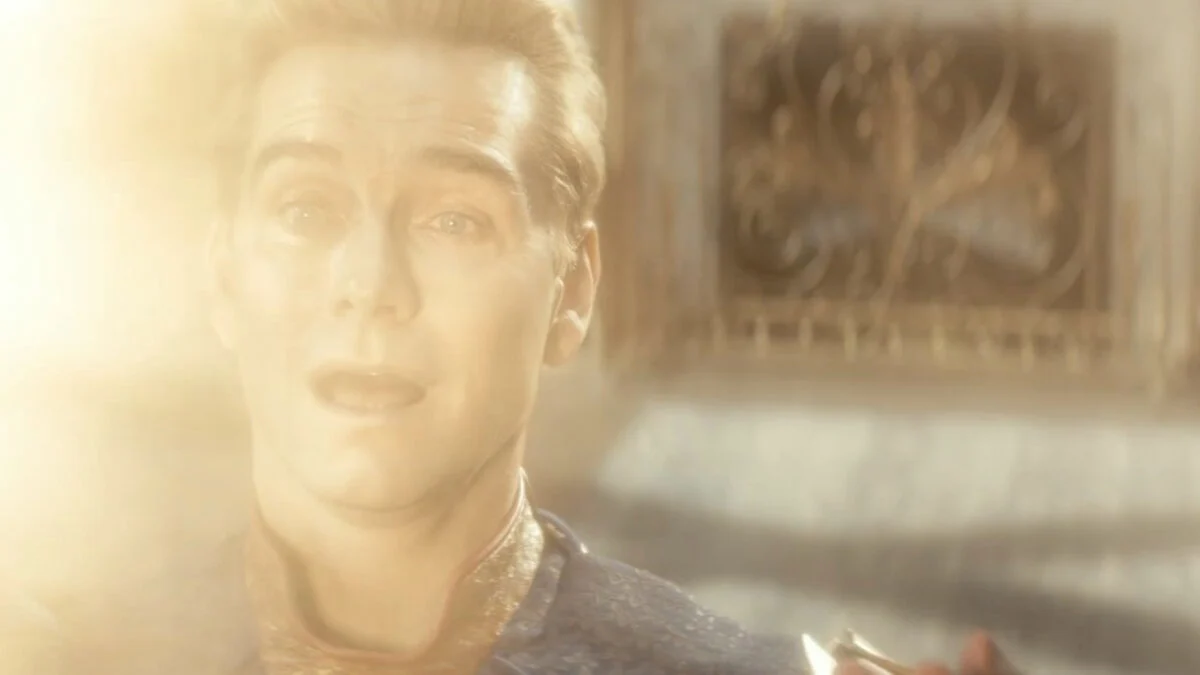
You saw the sequence: Kimiko’s chest beam; Homelander’s failed escape; Butcher’s refusal to be placated; the crowbar. Antony Starr’s character begged, offered debasement, and then was ended on live television. The point was never to honor him. It was to show how a cult of personality collapses when the personality is broken.
That decision landed differently depending on what you wanted from the show. If you wanted a poetic fall, you’re upset. If you wanted a purge of myth and a spotlight on justice’s ugliness, you left satisfied. Either way, the writers forced you to choose.
Did Homelander deserve to die?
Deservedness is an emotional currency spent on screens and forums. Objectively, he committed atrocities: sexual violence, manipulation, and complicity with extremist figures. The show framed his death as accountability delivered with the messy logic of a vigilante—terrible, loud, and public.
Musk’s discomfort is worth noting because it reveals the clash: a tech titan misreading satire as betrayal. Platforms—X, Instagram, TikTok, Deadline, EW, io9—turned that misreading into spectacle. The show’s creatives, including Kripke and the cast, leaned into the confrontation, and the internet obliged.
The finale was a guillotine in a tuxedo. Musk’s response was a firecracker in a birdcage.
When the credits rolled, some fans mourned a bad man’s charisma; others cheered the collapse of a dangerous myth. Which side are you on, and does defending a villain say more about you than about the story?