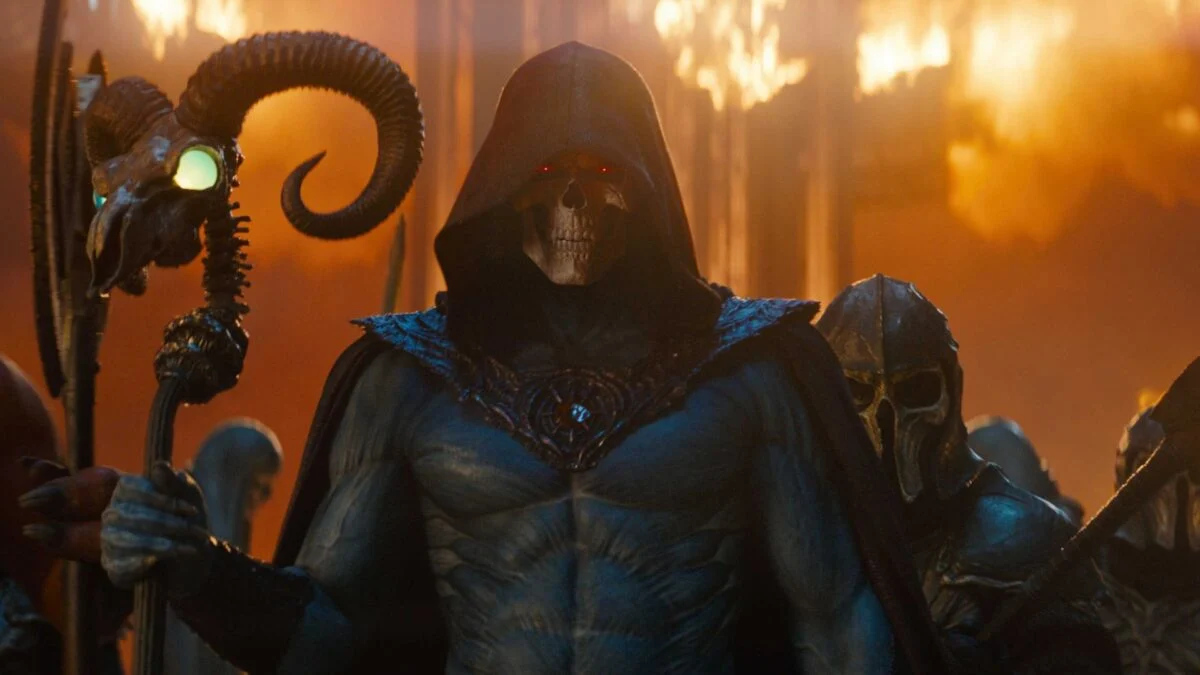
At the Hollywood premiere this week the red carpet glittered with stars and one conspicuous absence. I stood among reporters who kept glancing for Jared Leto while the trailer looped Skeletor shots. You could feel the room make a quiet decision: mention him at your peril.
I’m going to walk you through what’s happening, what it means, and why a studio would sign a $5 million (€4.6 million) check for a role it then pretends didn’t happen.
At the premiere the red carpet was full — and Jared Leto was not.
The absence was not subtle: posters and trailers parade Skeletor, but official promos dodge the actor’s name. Per reports in Puck News and notes from Airmail, Leto was paid $5 million (€4.6 million) and reportedly placed under a gag order after production wrapped.
I’ve covered dozens of studio rollouts, and this is rare: you hire a marquee name and then act like it’s an unlisted phone number. That erasure is itself a kind of staging — a PR decision that tells you more about risk calculus than the film’s creative choices.
The audience reaction in early screenings felt mixed but informative — some said Leto’s Skeletor works.
Critics and insiders who saw early cuts conceded that Leto’s vocal and physical choices fit the character, even if the public sentiment around him is hostile. Vulture and other outlets have tied Leto’s recent box-office and reputation problems to audience resistance; studios remember those numbers.
Why is Jared Leto being hidden from Masters of the Universe marketing?
Because studios weigh two variables: artistic fit and brand harm. You and I both know that an actor can help a film creatively and hurt it commercially. Amazon, distributing the film, appears to have decided the short-term PR risk outweighs the promotional upside. That’s why Nicholas Galitzine and Camila Mendes are onstage and on feeds while Leto’s channels remain quiet.
Did Jared Leto voice Skeletor in Masters of the Universe?
Yes. You will hear him as Skeletor in the finished film, and his name pops up in the credits. But beyond that credit, Amazon’s campaign treats him like a background asset — present where it helps the film but omitted where it might provoke headlines. The studio’s posture matches reports: paid, credited, silenced.
On social feeds the co-stars are front and center while Leto is a non-entity.
Look at Instagram, YouTube, and Twitter/X: Galitzine and Mendes are doing interviews and clips, and the official accounts amplify them. I watched the algorithm favor familiar faces over controversy. Marketing is playing pinball with attention, trying to direct hits away from volatile corners.
That strategy buys the studio flexibility. If opening weekend receipts and Rotten Tomatoes momentum land in their favor, Amazon can pivot: highlight Skeletor, release behind-the-scenes with Travis Knight, and lean on the performance. If the numbers flop, the studio can point to controversy as a limiting factor and quietly move on.
What does this mean for you as a viewer? It means you’ll likely hear a Skeletor that some early viewers praise, while the promotional machine avoids the actor who provided that voice. It means the film’s commercial fate will be read not just as a measure of quality but as a referendum on whether studios can separate art from performer in a noisy media era.
Studios have balanced risk before — remember when distributors treated a star as both a selling point and a liability — but this feels more surgical. Amazon and director Travis Knight are calibrating public exposure like a surgeon on a live patient: careful, minimal, and ready to change course based on what the crowd does. Will that calculation save the movie or doom it to suspicion?