I walked into a packed theater the night The Mandalorian and Grogu opened and felt the room hold its breath. You could taste the old arguments—nostalgia, betrayal, surprise—congealing into a single electric moment. I knew a ranking would stir them up again, and that’s exactly why I wrote this one.
I’ve read the forums, scraped the Rotten Tomatoes pages, and checked Box Office Mojo and IMDb to see what the numbers and the noise say. I’ve also talked to creators—Dave Filoni, Ron Howard, J.J. Abrams—and leaned on the archive at Lucasfilm and the distribution muscle of Disney+. What follows is my take: a clear, stubborn ordering of every theatrical Star Wars release, now that The Mandalorian and Grogu has joined the fight in cinemas.
What is the best Star Wars movie?
If you mean the one that rewired the franchise, most critics and fans still point to The Empire Strikes Back. That consensus matters, but I’ll tell you why I keep it at number one below.
How many theatrical Star Wars movies are there?
There are 13 theatrical titles in this list—originals, prequels, sequels, and standalone stories—each judged on craft, risk, and how much it changes the galaxy for good or ill.
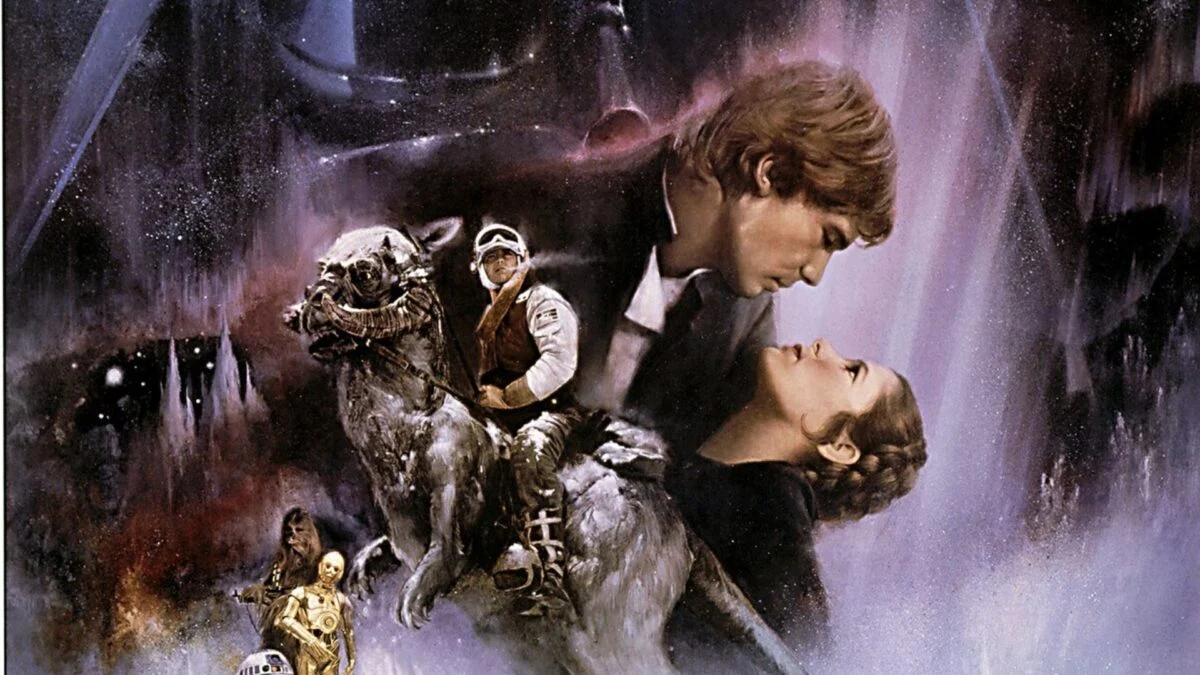
1. The Empire Strikes Back
I hear people quote it in line at the concession stand more than any other film in the series.
It’s not merely a sequel; it’s the point where Star Wars stopped being a summer spectacle and became a story with muscles and scars. The dialogue hits, the staging is confident, and the emotional payoffs still land. This film is the standard-bearer—sharp, exacting, and endlessly replayable.

2. A New Hope
I still see kids press their faces to Blu-ray cases staring at the poster art.
This is the film that made the rest possible. Its economy and wonder are the blueprint for why Star Wars matters. Less complicated than its sequel, it compensates with pure momentum and worldbuilding—a clear origin story with a heart you can point to.

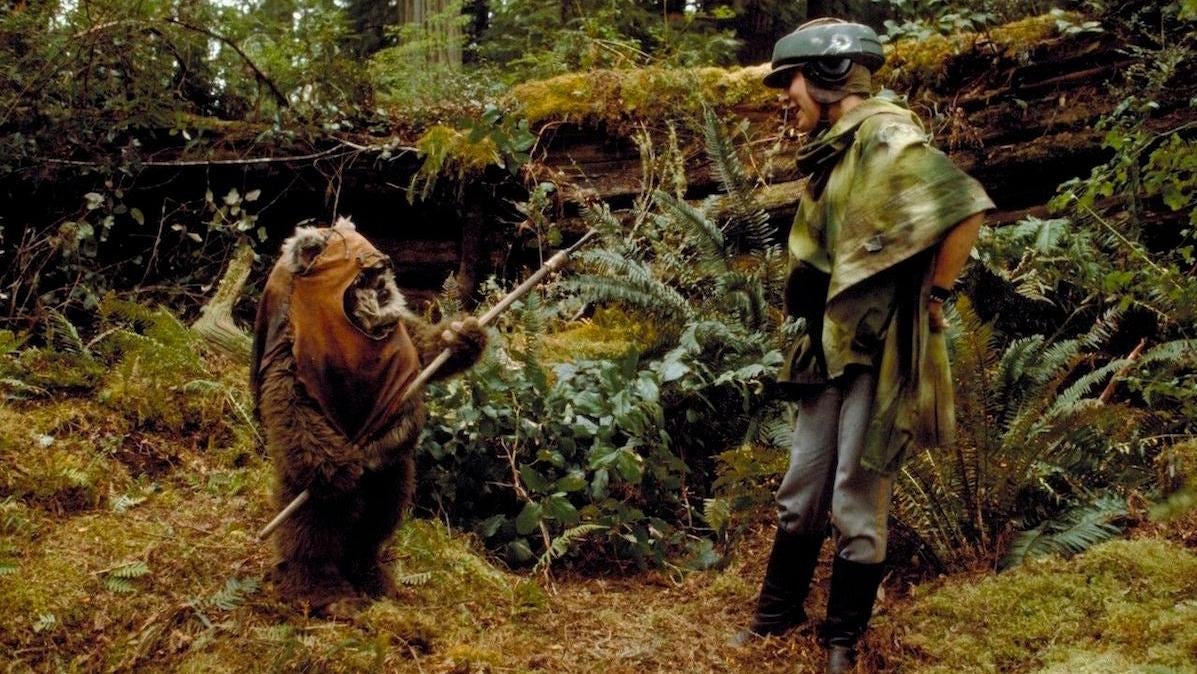
3. Return of the Jedi
I know adults who still argue the merits of the Ewoks over dinner parties.
This film finishes the trilogy with spectacle and emotional closure. It’s less shadowy than its predecessors, and yes—the finale leans into a lighter tone that made some fans bristle. Still, it ties arcs together and rewards patience. It’s the satisfying click at the end of a long story.
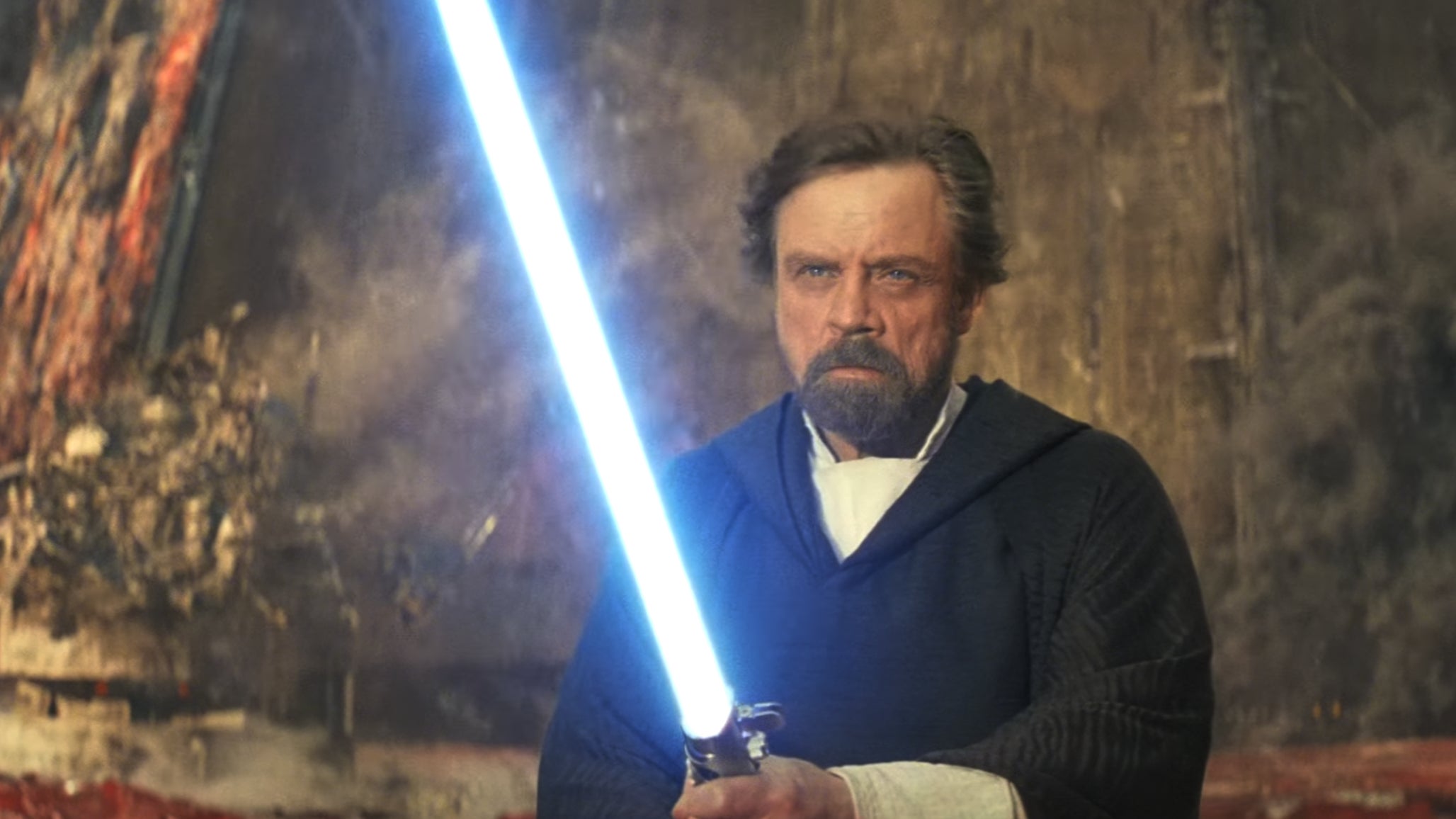
4. The Last Jedi
I’ve watched heated Twitter threads flare and cool after this one premiered.
This film split audiences like few others, and I’m on the side that applauds its ambition. It takes risks—tempering myth and expectation—and asks the characters to change in ways that sting. That kind of audacity either alienates or elevates you; for me it elevated.
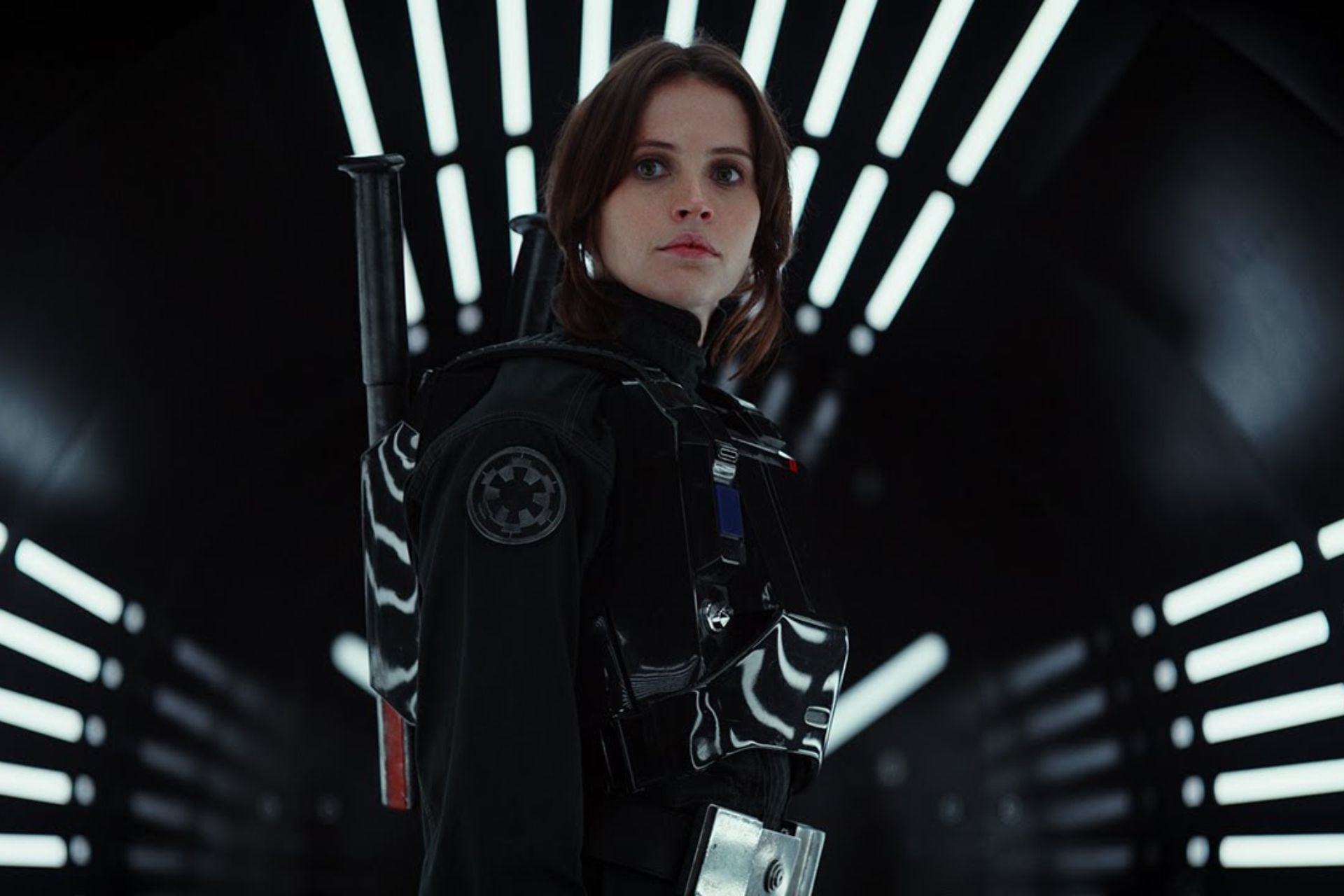
5. Rogue One
I still get texts from friends after screenings saying, “That gave me goosebumps.”
This one treats the franchise like a chassis to hang a darker, grittier war story on. It introduces new faces and makes you care about them fast, which is a rare skill—few spin-offs invest emotional capital as efficiently. Its final act pays off the original trilogy’s mystery and the whole film acts like a weathered map to the Death Star’s hidden seam.
6. The Force Awakens
I watched strangers clap at the theater when the old theme hit for the first time.
Disney’s relaunch played it safe in structure but sharp in execution. It reintroduced wonder and new leads who felt alive. It borrows from A New Hope, yes, but it also reset the conversation and delivered characters you wanted to follow.

7. Revenge of the Sith
I’ve seen full-age fans defend the prequels with a rare, stubborn devotion.
This is the prequels’ emotional apex: the fall of Anakin and the rise of Vader. It has scale and tragic weight, and it finally delivers the catastrophic turn the saga needed. It’s heavy, theatrical, and – at moments – devastating in a way the earlier prequels only hinted at.

8. The Phantom Menace
I still meet people who defend the podracing sequence like it’s scripture.
It’s flawed, with Jar Jar and politics that drag, but it introduced Darth Maul and moments of spectacle that still hold. The highs outshine more of the lows than you might expect, which is why it lives squarely in the middle of this list.

9. Solo
I’ve watched grown-ups grin through the film like kids at a magic trick.
It’s a safe, well-made caper about one of the most fun characters the saga has. Director Ron Howard keeps it tidy and entertaining, but it never reaches the emotional peaks of the main saga. That said, it fills in lore and offers some pure, old-school adventure energy.

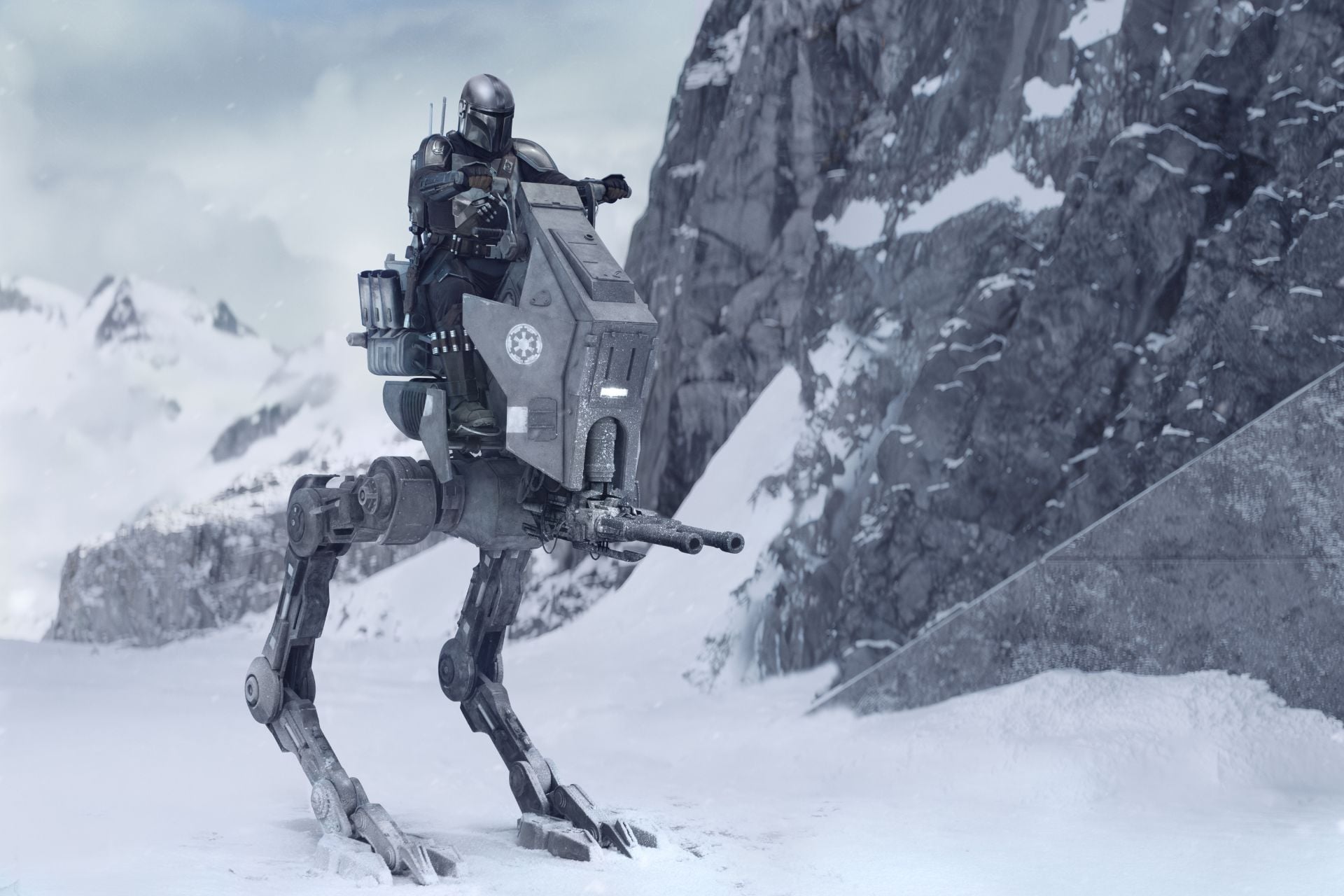
10. The Mandalorian and Grogu
I overheard someone ask, “Why is this in theaters?” during the opening weekend.
It’s a well-made, comforting story that imports the TV show’s charm to the big screen. It doesn’t reshape the saga or push major stakes forward; it’s a pleasant detour. If you want entertainment that feels familiar and cozy, this delivers. If you wanted a movie that alters the map, it doesn’t attempt that.
11. Attack of the Clones
I remember the heated debates about its dialogue at film school screenings.
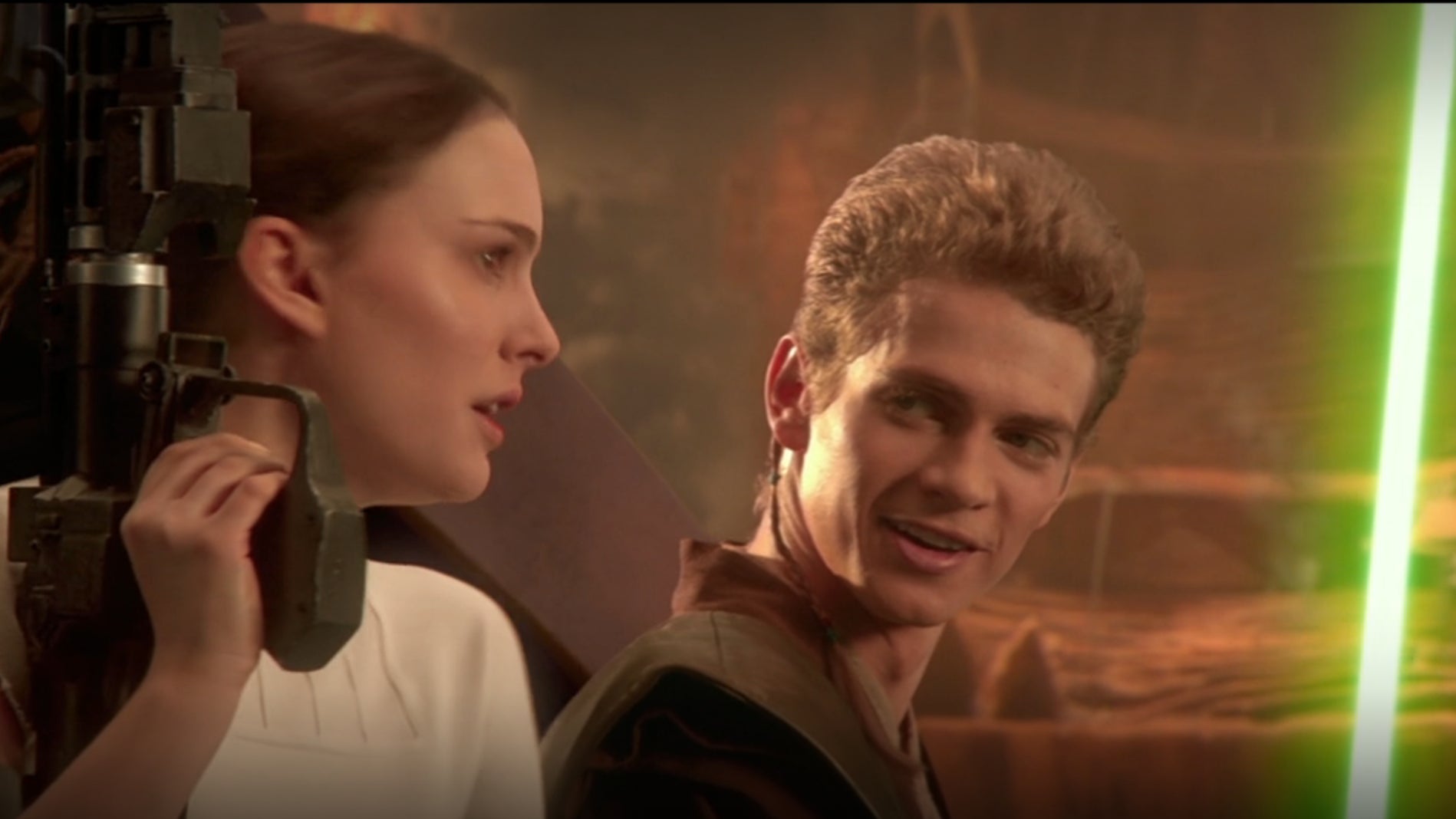
There are bright moments—Yoda’s duel, the reveal of the clone army—but it doesn’t cohere as well as the other entries. The political scaffolding undercuts emotional beats, and the performances wobble. It’s watchable, and important to the saga, but not as satisfying as its neighbors.
12. The Rise of Skywalker
I’ve spoken to viewers who left the theater confused, then angry, then indifferent.
There are flashes of good—character reunions, a few thrilling set pieces—but the film zigzags in tone and intent. It feels rushed and tries to reconcile too many previous choices at once. For me, it’s the weakest of the live-action entries because it neglects stakes and emotional clarity.

13. The Clone Wars
I’ve watched the TV series build Ahsoka into a figure far richer than her film debut.
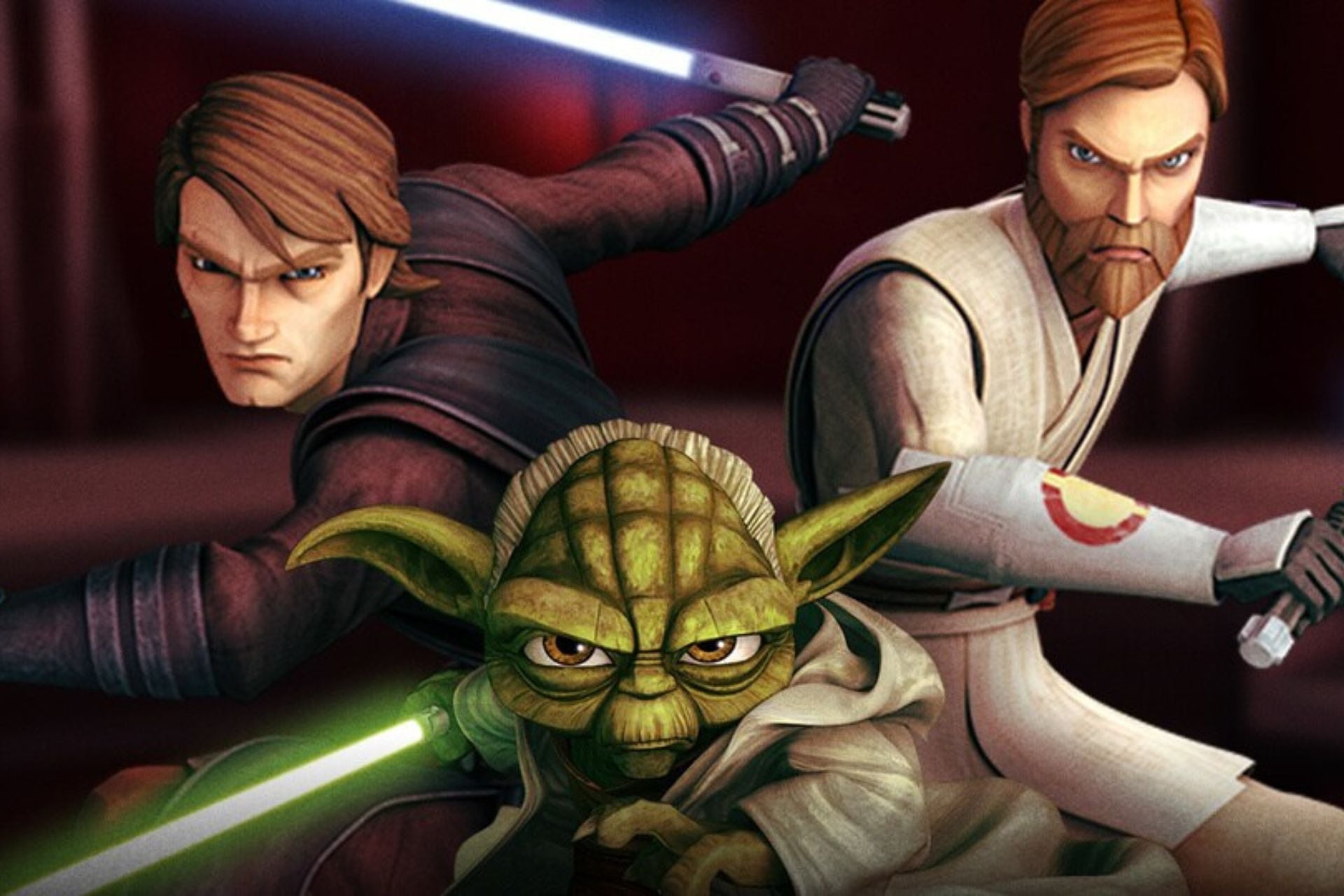
The theatrical Clone Wars movie feels like an early sketch compared with the TV show’s layered storytelling. It introduced Ahsoka, which matters, but the film itself is thin and easy to forget—important only for what came after, not for its own merits.
I’ve ordered these films by how they changed the story, how they treated characters you care about, and how they moved the franchise forward. You’ll disagree with some placements—that’s the point. Which movie changed the way you see the galaxy?