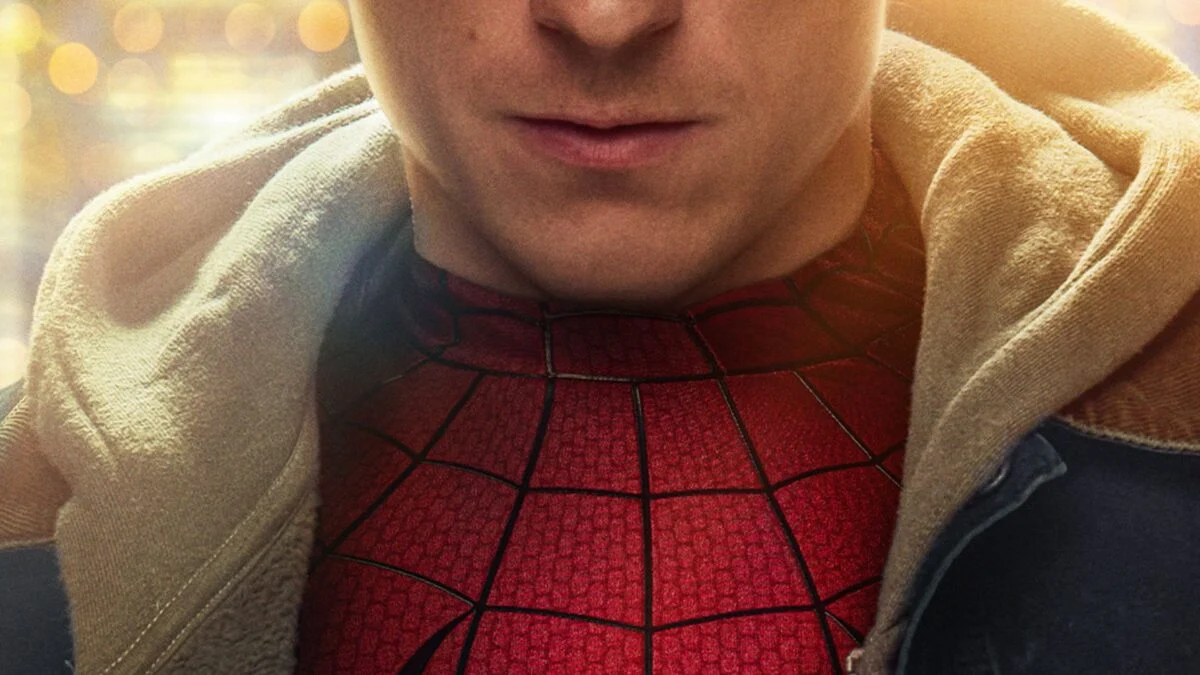
I remember reading Tom Holland’s pitch and laughing, then realizing the joke had teeth. On a studio call he tossed out “Spider-Puberty” and watched faces shift from amused to curious. That moment felt like a rogue web on a polished conference table.
I’m going to cut straight: you and I both know the power of a title. It sets an expectation and rigs an emotional meter before the first frame plays. Holland’s half-joke did exactly that—forced everyone in the room to ask what kind of Peter Parker they wanted to watch.
On set, Holland kept asking questions — how “Spider-Puberty” became a character exercise
Tom Holland didn’t just show up to rehearse stunts; he joined story meetings and pushed the team toward an honest idea about change.
You can hear him in the phrasing reported by Empire: his pitch was literally called “Spider-Puberty.” The studio laughed it off, but the seed—Peter losing control, powers hiccuping—stuck. That kernel shaped the film’s focus on Parker as a person rather than a spectacle.
What was Tom Holland’s original Spider-Man title idea?
It was “Spider-Puberty,” a blunt, comic-label pitch Holland used as a shorthand for the movie’s emotional beat. Empire published his quote; Marvel Studios and Kevin Feige liked the underlying concept enough to reshape it into Spider-Man: Brand New Day.
At a boardroom table, executives traded jokes for notes — how the studio refined the gag into a plot
Kevin Feige told Empire the film returns to “classic elements of Spider-Man”—sad apartment, police scanner, responsibility—and that influence is obvious on screen.
The joke title was shot down, but the emotional arc survived. You get a movie that’s smaller in scale and closer to the comics’ core: messy life, moral pressure, and the comedy of someone who’s trying to do good while fumbling. The film’s emotional arc is a slow fuse; when it meets the payoff, the character stakes feel earned.
Why did Marvel change the title to Spider-Man: Brand New Day?
Because “Spider-Puberty” conveyed an idea but not the tone the studio wanted to sell to a global audience. Brand New Day kept Holland’s concept—Peter evolving—while packaging it for broader marketing, merchandising, and alliances with Sony and the wider MCU plan.
Outside the meeting rooms, the audience already reacted — what this means for the film’s release and reach
Trailers have sparked chatter on Instagram, X, and YouTube, where teasers and breakdowns feed every theory and clip share.
If you’re tracking attention metrics—search volume on Google, trailer views on YouTube, and social spikes on X—you’ll see the curiosity loop Holland created: a playful title plus visible actor buy-in equals extended conversation. That’s gold for opening weekend when a standard U.S. ticket costs around $15 USD (€14) and every share nudges another seat purchase.
When is Spider-Man: Brand New Day released?
The film lands July 31. Zendaya, Sadie Sink, Jon Bernthal, and Mark Ruffalo join Holland, and the marketing clearly leans on those names to pull fan and casual viewers alike.
Here’s what I want you to notice: this was not a vanity play. Holland’s input pushed narrative choices that give Peter real fragility and comic relief in equal measure. The result is a film that feels like the actor owning the role beyond the stunt reels.
If you’re into industry signals, watch how Marvel and Sony tailor trailers and interviews—Kevin Feige’s quotes with Empire, clip drops on YouTube, and talent Q&As on Instagram Live are the primary conduits shaping perception long before critics file reviews on IMDb or Rotten Tomatoes.
So, was “Spider-Puberty” ever a serious title? No. But it was the temperature check that turned a cheeky phrase into a character-first approach—one that might change the way you think about Peter Parker in the MCU; do you think that risk will pay off at the box office and in fandom debate?