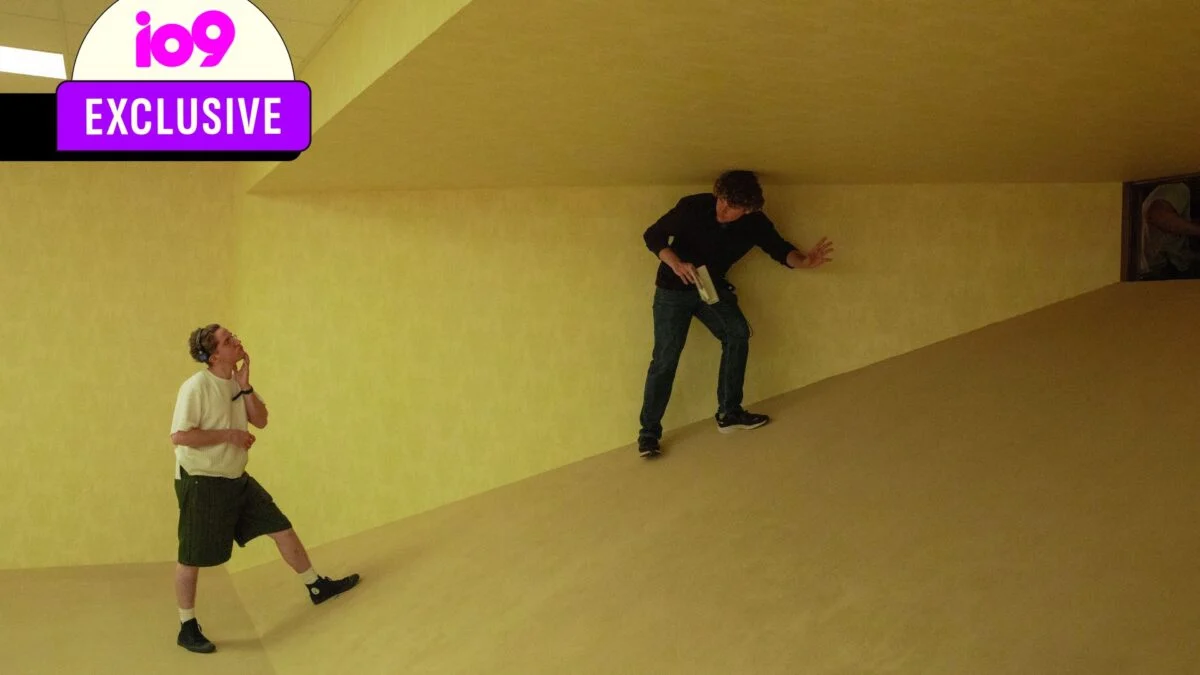
He walked into a conversation with one of his heroes and realized his own work had been the spark. The person sitting opposite him had watched every episode, frame by frame, until the show had rearranged the way he made films. That moment—equal parts flattering and unsettling—changed how a small YouTube short rolled into an $80 million (€74,000,000) theatrical gamble.
I’m telling you this because I was in that room on paper: reading the transcript of Sam Esmail’s wide-ranging talk with Kane Parsons. If you want the origin story of Backrooms that actually reads like a behind-the-scenes case study—about obsession, platform mechanics, and formats—I’ll walk you through what matters and why it caught fire.
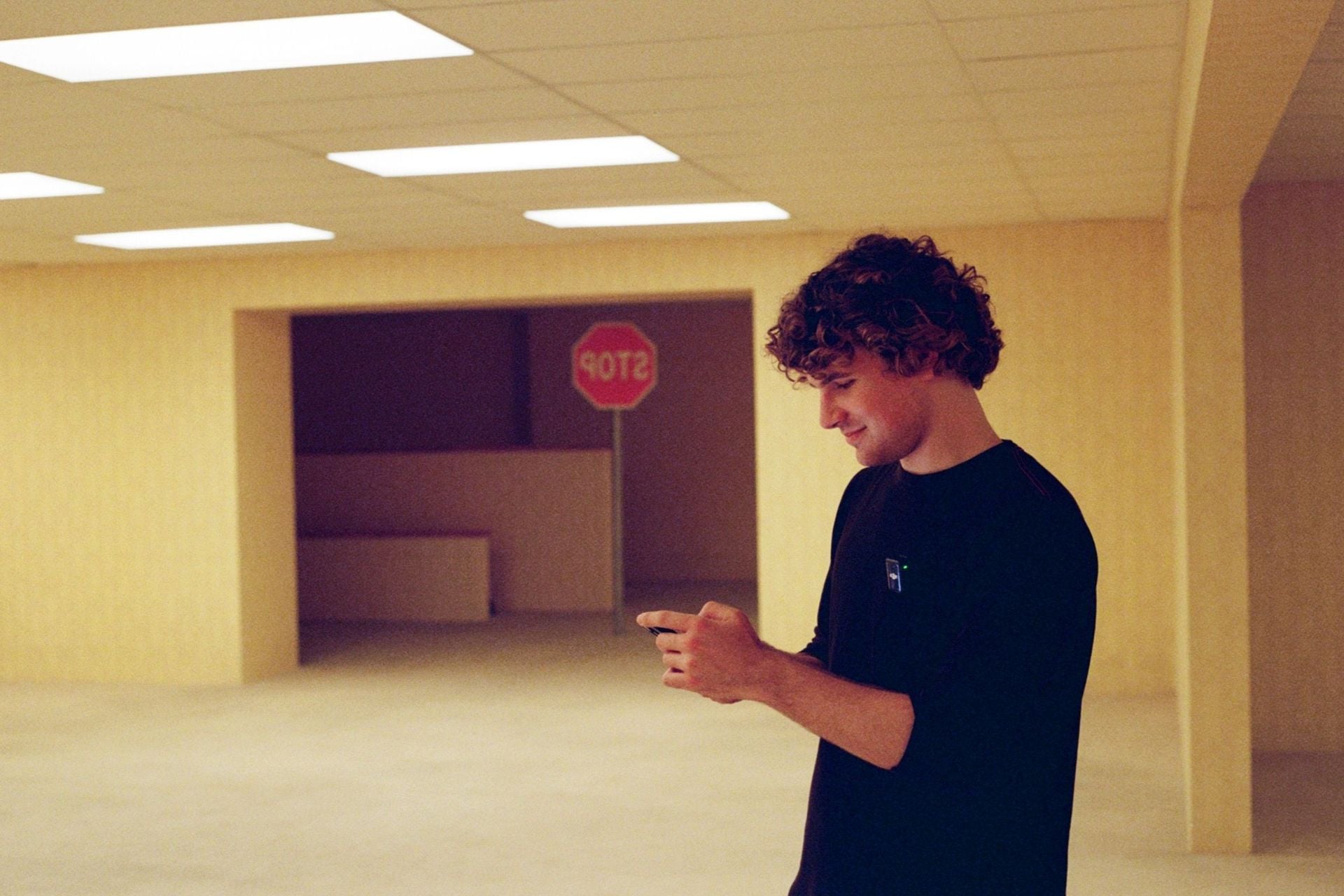
On a teenager’s bedroom floor, a cheap digicam sat next to an open laptop — how a hobby becomes a prototype
You’ll read a lot about budgets and studio notes. But the practical origin story is humbler: Kane Parsons taught himself Blender at 14–16, made a short on YouTube as a tech test, and the rest was viral gravity. That early clip—assembled without PR and pushed only to niche anime communities—ended up with tens of millions of views.
He didn’t grow up in the cinephile ritual of theaters. He grew up on YouTube, fan culture, and Valve games like Portal and Half-Life. The short functioned like a prototype: small, self-contained, optimized for a phone and for the discovery mechanics of that platform. When a video is designed for the device people actually use, it behaves differently.
How did Backrooms originate?
Parsons credits a three-way collision: Channel Four’s Utopia, Sam Esmail’s Mr. Robot, and Alex Garland’s Devs. He found a seeded concept—the internet’s shared horror of fluorescent-lit liminal spaces—and grafted cinematic tone onto it using CGI and found-footage aesthetics. The first short was a visual focus that turned scattered posts and text creepypasta into a scene people could inhabit.
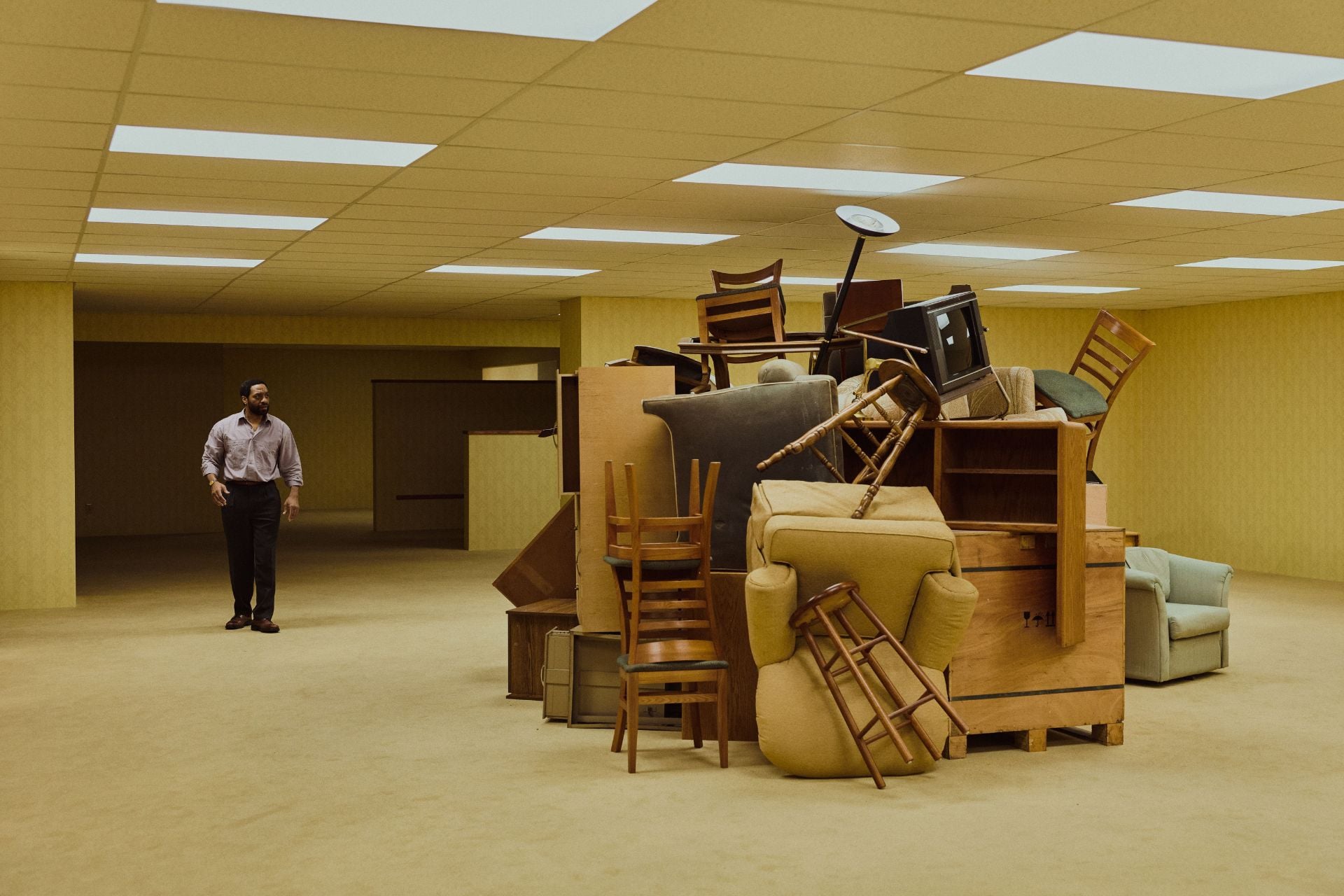
At the moment Sam Esmail said “I’ve seen every episode,” you felt the collision of influence
I’ll be frank: Esmail’s reaction is the best proof that influence travels in unexpected directions. Parsons had watched Mr. Robot eight to nine times after discovering it post-airing, soaking up its tone and visual grammar. That obsession nudged him toward cinema language and made him want to build Backrooms as more than a one-off.
When Esmail warned about the cost of directing entire TV seasons, he wasn’t theorizing—he was reporting from the field. Parsons admitted the film is “a foot in the door,” an entry that hints at a broader serialized story he’d prefer to tell on television.
Was Backrooms inspired by Mr. Robot?
Yes, in tone and method more than in plot. Parsons calls Mr. Robot complementary to his sensibility: sparse, obsessive, and willing to skew the viewer’s sense of reality. He and Esmail traded notes on consistency, authorship, and why some directors want a single visual identity across episodes—Esmail because he lived it, Parsons because he craves that control.
In production offices, 21-hour days show up on call sheets — what the crunch taught Parsons
Parsons admits to brutal schedules on the feature: long days, no spare minutes, and creative control tested by exhaustion. He told Esmail he might love to direct every episode of a series, but the reality of sustaining that workload is another matter. Esmail gave the blunt advice he’s heard from other directors: directing an entire season is fiercely taxing.
That tension—desire for a unified voice versus the practical toll—shaped Parsons’s thinking. He still sees Backrooms as more suited to serialized storytelling, even after a theatrical opening backed by A24 and a major distribution push.
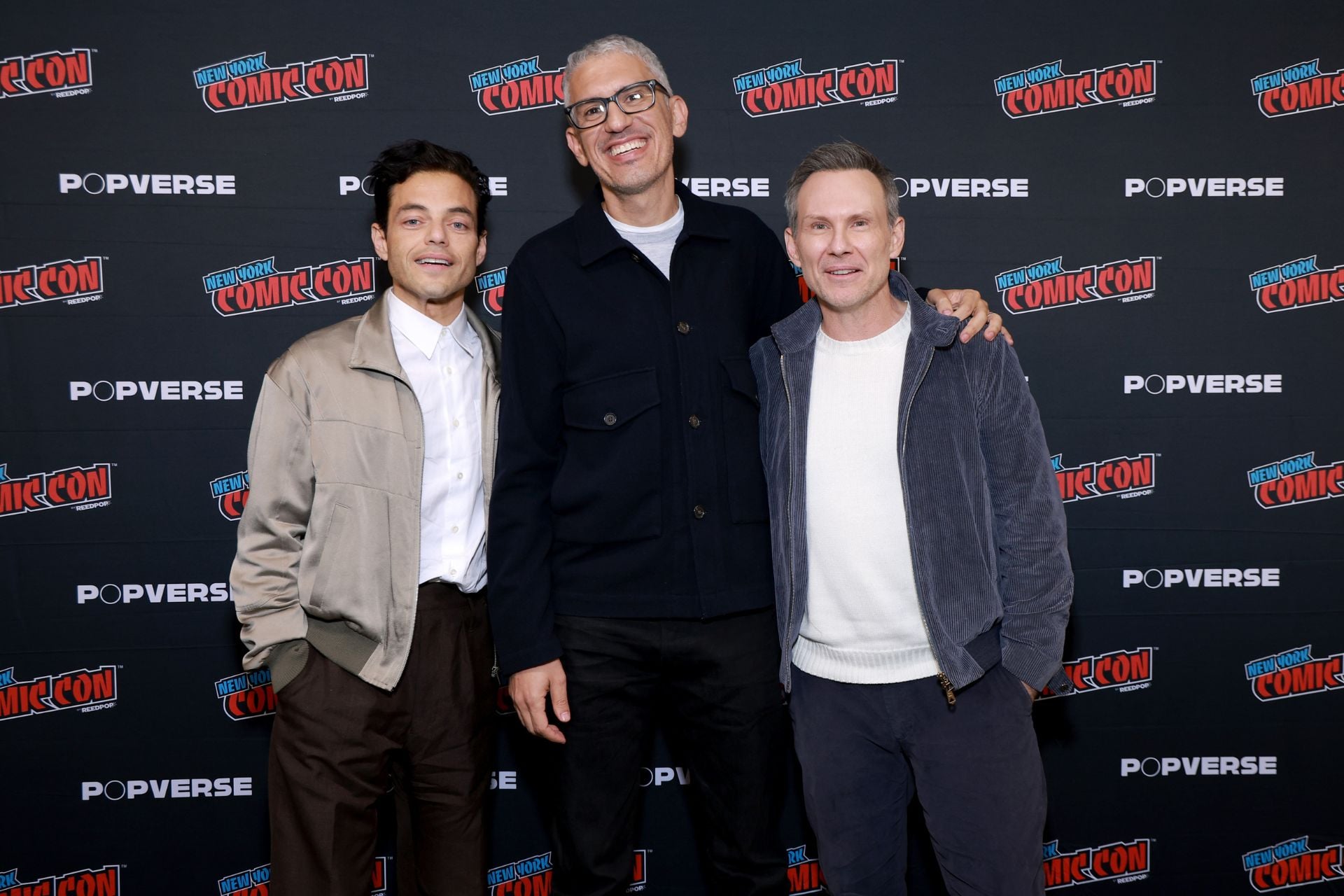
At your desk you check analytics; online audiences behave like weather — how platform signals matter
Parsons’s breakout did not come from a PR push or festival circuit. He released the short to a ready-made niche on YouTube—an audience formed around anime and fan interpretations—and the platform’s algorithm amplified the right signals. Within a week the clip had exploded.
I want you to notice two practical details: first, he matched format to device. Second, he understood the memetic seed that Backrooms already had online. When those align, content can combust—the internet was a tinderbox in 2021, and Parsons’s short struck a match. His next moves were scaled by studios and distributors like A24, converting viral proof into a theatrical bet.
Who is Kane Parsons?
He’s a self-taught filmmaker who began with consumer digicams, honed Blender skills as a teen, and built a portfolio of short-form videos tied to fandom culture. He’s also now the director of a major release, working with established industry partners and actors. But he still speaks like a creator who thinks in formats and distribution: phone-first shorts, ARG-style experience design, and serialized television as the medium for the story he wants to tell.
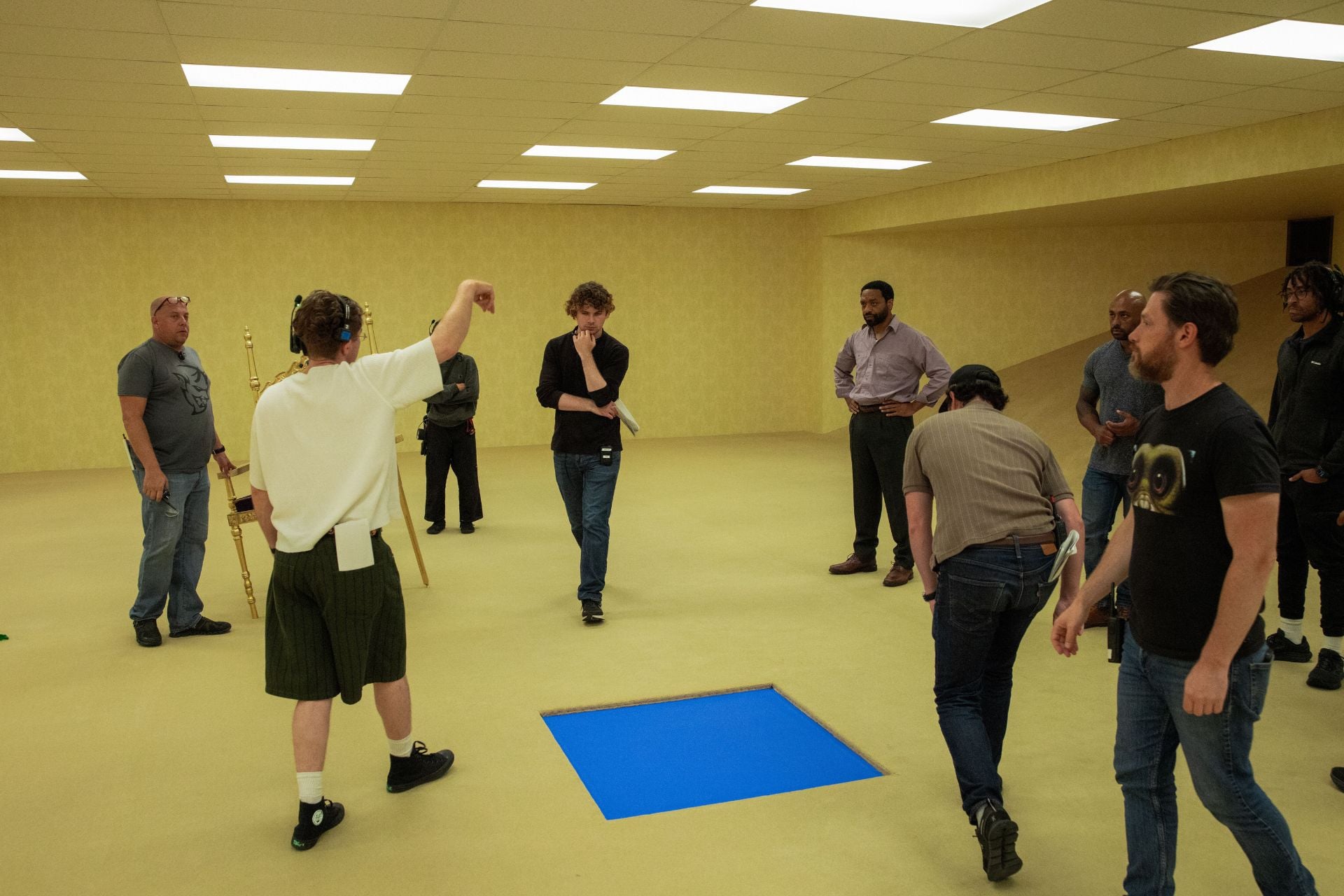
When you pick up a camera at ten, you’re practicing intuition — why his path wasn’t classical film school
Parsons’s creative path wasn’t forged by cinephile pilgrimages. He credits early play with stop-motion, YouTube shorts, and the creative freedom of fan communities. He wasn’t building a festival résumé; he was shaping a practice in service of curiosity and iterative learning.
That approach matters for professionals watching this: new voices may not come through traditional pipelines. They come through Blender tutorials, fandom channels, and platform fluency. Parsons admits to not watching many theatrical films growing up, but he was obsessively consuming other media and learning craft in public.
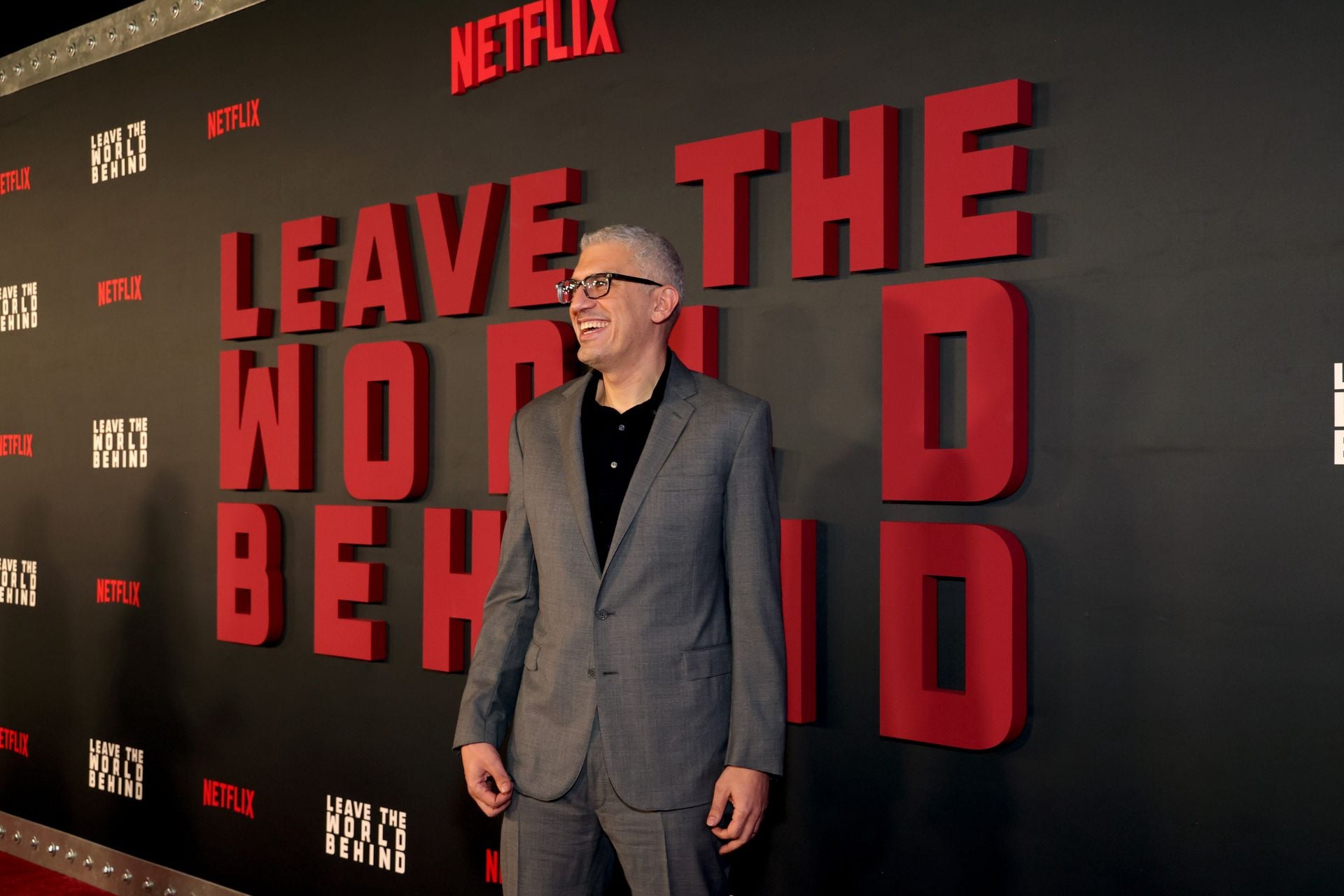
Two metaphors will help you remember the arc: his short became a lighthouse guiding viewers to a much larger structure, and the fan communities around anime acted like a current that carried the work outward. Those images explain how platform fluency and obsessive taste can translate into industry attention.
If you’re tracking how internet-born IP becomes studio-scale cinema—how YouTube, Blender, and niche fandoms feed A24-sized bets—watch what Parsons and Esmail said about consistency, control, and audience expectation. The more you study the conversation, the clearer one thing becomes: when a creator understands the device, the platform, and the cultural seed, they can direct where attention lands. So, did this shift the rules of discovery for cinema or simply show an old rule in a new dress?