The theater went quiet as the credits began. You had already reached for your phone when the screen delivered three small detonations. The credits are a key.

I watched Travis Knight hand fans exactly what they crave: three credit beats that stretch the story forward without stealing the movie’s final punch. You can field-test these moments on Twitter or Reddit and see how io9 and Gizmodo started the rumor mill within minutes. I want to walk you through each one and show what they mean for He‑Man, She‑Ra, and the franchise’s future.
In the lobby, half a dozen people laughed when Orko appeared on screen: Orko’s short lesson and why it matters
There’s a quick image of Orko a few seconds into the credits — brief, old-school, and oddly comforting. I’ll call it what it is: Orko is a postcard from Saturday morning cartoons. He gives a moral at the end, echoing the classic animated wrap-ups that explained the lesson of the episode. The beat is small but strategic: it ties Knight’s film to decades of source material, signals tonal respect to fans, and sets up a character who didn’t need to be in the main plot but can carry thematic weight in sequels.
Who appears in the end credits of Masters of the Universe?
Orko appears first, then a middle reveal of Adora/She‑Ra, and a final graveyard whisper from Evil‑Lyn with Skeletor’s skull. That sequence reads like a checklist for franchise expansion — fan nostalgia, a new hero hook, and a villainic return.
A couple in row F nudged each other when Queen Marlena mentioned Adora: the She‑Ra tease and its narrative implications
Queen Marlena’s quiet line — she’s given up hope of Adam returning — is where the credits turn from callbacks to forward motion. Duncan adds, “Perhaps one day she’ll come back to us too,” and the cut takes us to a cliff: a silhouetted figure in Etheria/Eternia holding the Sword of Protection. We never see her face, but the sword’s stone flares and the voice answers, “No, not anymore.”
Is She‑Ra teased in the Masters of the Universe end credits?
Yes. The sequence implies Adora has rejected her brainwashing as Force Captain Adora and embraced the Sword of Protection. That opens multiple sequel paths — a rescue arc, a teaming of He‑Man and She‑Ra, or a full spin on Etheria. If Mattel and the filmmakers want a multi‑platform push, this is the moment you attach to toy lines, streaming tie‑ins, and social campaigns.
A man behind you whispered “Skeletor” when Evil‑Lyn picked up the skull: the final beat and what it promises
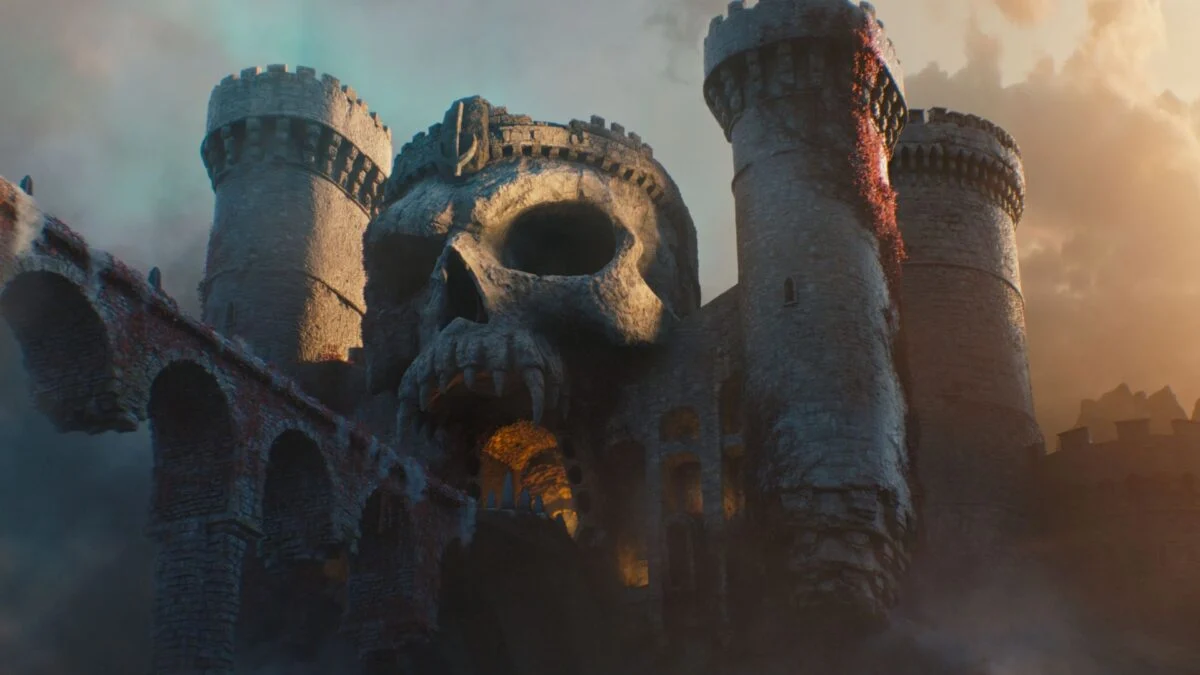
Evil‑Lyn returns to Castle Grayskull and lifts Skeletor’s skull from the ruins. She quips that he’s “looked better,” and then you hear that laugh — the classic villain coda. I read that as a single, loud promise: Skeletor isn’t gone. He’s sleeping. He’s salvageable. The last shot is a plot hinge; the franchise can swing into a full villain comeback that reunites the cast and scales the stakes.
Does Skeletor return in Masters of the Universe?
The credits stage him for a return by leaving his skull accessible and giving Evil‑Lyn the agency to resurrect or reassemble him. That’s a narrative invitation for sequels and an easy rallying point for marketing teams at Mattel and any streaming partner that wants episodic follow-ups.
You can treat these beats as fan service or as savvy franchise architecture — I advise the latter if you care about how studios and brands engineer long runs. Travis Knight’s three-credit strategy stitches nostalgia to possibility, hands fan communities something to amplify on platforms like Twitter and Reddit, and gives toymakers and licensors a roadmap for the next wave of products. Which of the three moments do you think will shape the next movie most strongly?