I was two rows back when someone shouted the Wayans’ name and the whole theater answered with a laugh that felt like a small victory. You could tell people came for comfort: old riffs, familiar faces, a chance to laugh at horror’s recent excesses. I left thinking the franchise hadn’t just returned — it had staged a successful comeback on its own terms.
I’ll walk you through what that comeback looks like on the ledger, why Amazon MGM is already talking post-theatrical life, and why the cultural momentum matters more than the critics’ reviews. You’ll get names, numbers, and what this weekend implies for sequels and streaming windows.
At the cineplex the buzz was obvious: audiences want to laugh at horror again
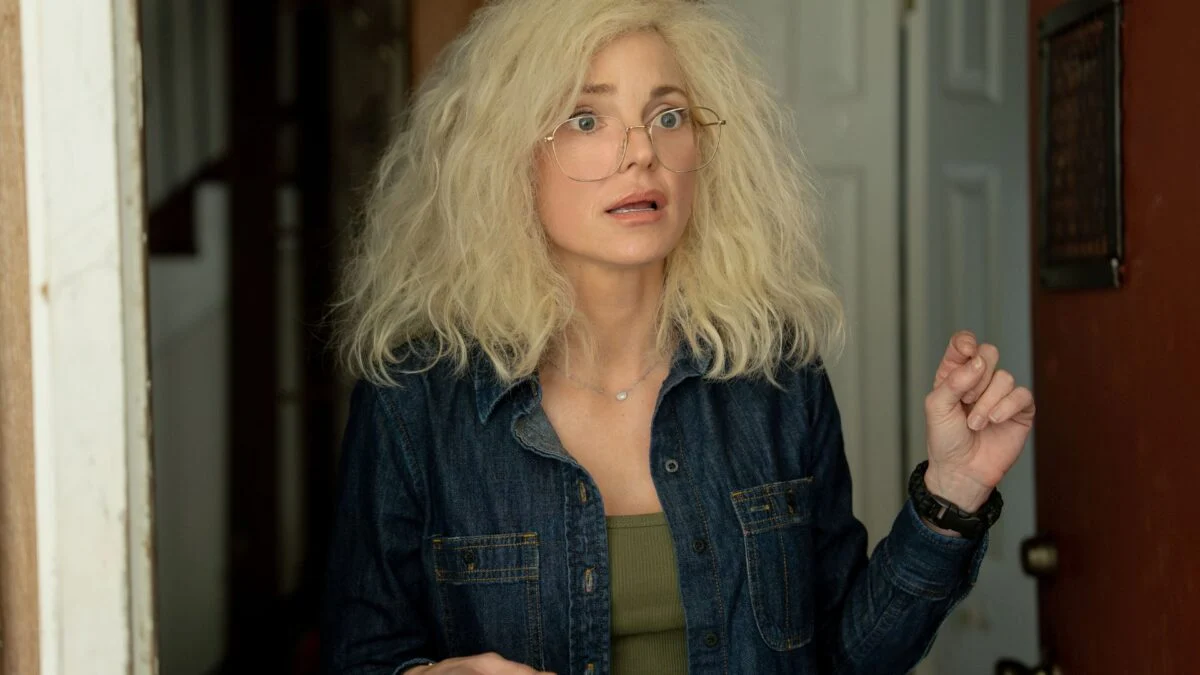
When a spoof opens with the original gang — the Wayans, Anna Faris, and Regina Hall — you don’t need critics to tell you stories are landing. The return operates on nostalgia and timing: horror has been giving writers fresh targets for satire.
Scary Movie grossed $55 million (€50.6 million) domestically in its opening weekend, plus $50.5 million (€46.5 million) internationally, for a $105.5 million (€97.1 million) global start. That’s the franchise’s best opening ever, topping Scary Movie 5 ($78.4 million / €72.1 million) and beating past entries into competitive territory near Scary Movie 4 ($178.7 million / €164.4 million).
The film landed like a well-timed punchline — immediate, loud, and the sort that spreads by word of mouth.
How much did Scary Movie make opening weekend?
Short answer: $55M domestically ($55 million / €50.6 million) and $105.5M worldwide ($105.5 million / €97.1 million). Box Office reports from The Hollywood Reporter and tracking on sites like Box Office Mojo confirmed the figures within hours of the close of business on Sunday. For a series that’s been dormant for 13 years, those numbers read like a wake-up call.
My phone lit up with alerts: public relations and marketing earned their stripes here
Trailers, reunion casting, and strategic teasers did the heavy lifting. The studio’s push didn’t try to sell art — it sold a return. That’s smart in a market where attention is the scarce currency.
Reviews aren’t great — that’s been true for the series since its earliest installments — so a positive turnout depended on audience curiosity and shared social momentum. The marketing teams leveraged nostalgia, social platforms, and festival buzz to build a fast-moving conversation.
Is Scary Movie back?
Yes, at least in commercial terms. The cast return and the box office haul argue the franchise can still function as a brand. Industry figures like the Wayans family and stars such as Anna Faris and Regina Hall offered authoritative cues that reassured legacy fans and invited new ones.
I watched Kevin Wilson’s quote and thought about the streamer playbook
Amazon MGM’s head of domestic theatrical distribution, Kevin Wilson, framed Masters of the Universe’s $29.3 million ($29.3 million / €27.0 million) North American debut as evidence that theatrical and streaming strategies can coexist. The film added $25 million (€23.0 million) overseas, finishing around $54.3 million ($54.3 million / €50.0 million) globally.
The pitch is clear: underperforming in theaters is less terminal if a title has a built-in streaming home on Prime Video. That argument is part salesmanship, part real calculus for studios balancing release windows and subscriber value.
In the lobby you still heard chatter about two other films that wouldn’t quit
Obsession sailed past $200 million worldwide ($200 million / €184.0 million) with steady holds — a mere 7% drop in its fourth weekend — while Backrooms sits at about $212 million ($212 million / €195.0 million) globally despite a steep domestic second-weekend fall of roughly 70%. A24 and Focus have two hits that keep dominating press cycles and social chatter.
Those performances matter because they shape audience expectations: horror can be both blockbuster and conversation piece, and distributors watch both paths closely.
I stood in line for the midnight screening of a webseries finale and saw fandom pay off
The Amazing Digital Circus: The Last Act earned $20.7 million ($20.7 million / €19.0 million) domestically after expanding from a planned four-day run to two weeks and adding international showings. The studio’s gamble on eventizing a web series paid off, showing that passionate communities will show up when treated like a theatrical moment.
For you — a fan, a studio watcher, or someone tracking where movies find audiences — this weekend offered a series of signals: franchise nostalgia works, streaming lifelines change the math, and horror still fuels both spectacle and conversation. The real question now: will studios chase sequels or treat this as a single win turned social media event?
Who benefits most from this reshaped theatrical map — legacy franchises, streamers, or the audiences who keep returning for the familiar laugh?