
I was on the set the day they realized the ending needed teeth. You could almost hear the edit room inhale — and then decide to take another swing. It landed like a mic drop in a cemetery.
After screening the cut, they rewrote the finish: The Ending of Scary Movie Changed So Much It’s Scary
I read the Hollywood Reporter interview and sat with the details so you don’t have to guess at the backstage drama. You and I both know endings carry a weight that can flip a comedy into a conversation piece. Director Michael Tiddes says the sequence that plays now was invented during shooting but only filmed in additional photography after principal photography wrapped.
The headline here is simple: Shawn and Marlon Wayans reclaimed the franchise and the movie wanted its final note to feel like a statement. The new idea nagged at the filmmakers until they chased it down with reshoots and a different tonal punch.

They screened it and rethought the message: How the Wayans shaped the motive and the meta
On a screening night after principal photography, the creative team paused and argued over what the film should be saying. I’ll keep this blunt: the Wayans wanted the franchise back, and the new ending makes that demand explicit. Michael Tiddes told THR they aimed to write a line that said, “This is our franchise. We’re not giving it back to anybody now.”
That choice turned the Ghostface reveal into social satire. Ray and Shorty, played by Shawn and Marlon Wayans, become the killers with a motive rooted in ownership — revenge for having their franchise taken. It’s meta in a way that riffs on Scream but tilts sharper: these Ghostfaces aren’t prowling for attention, they’re reclaiming equity.
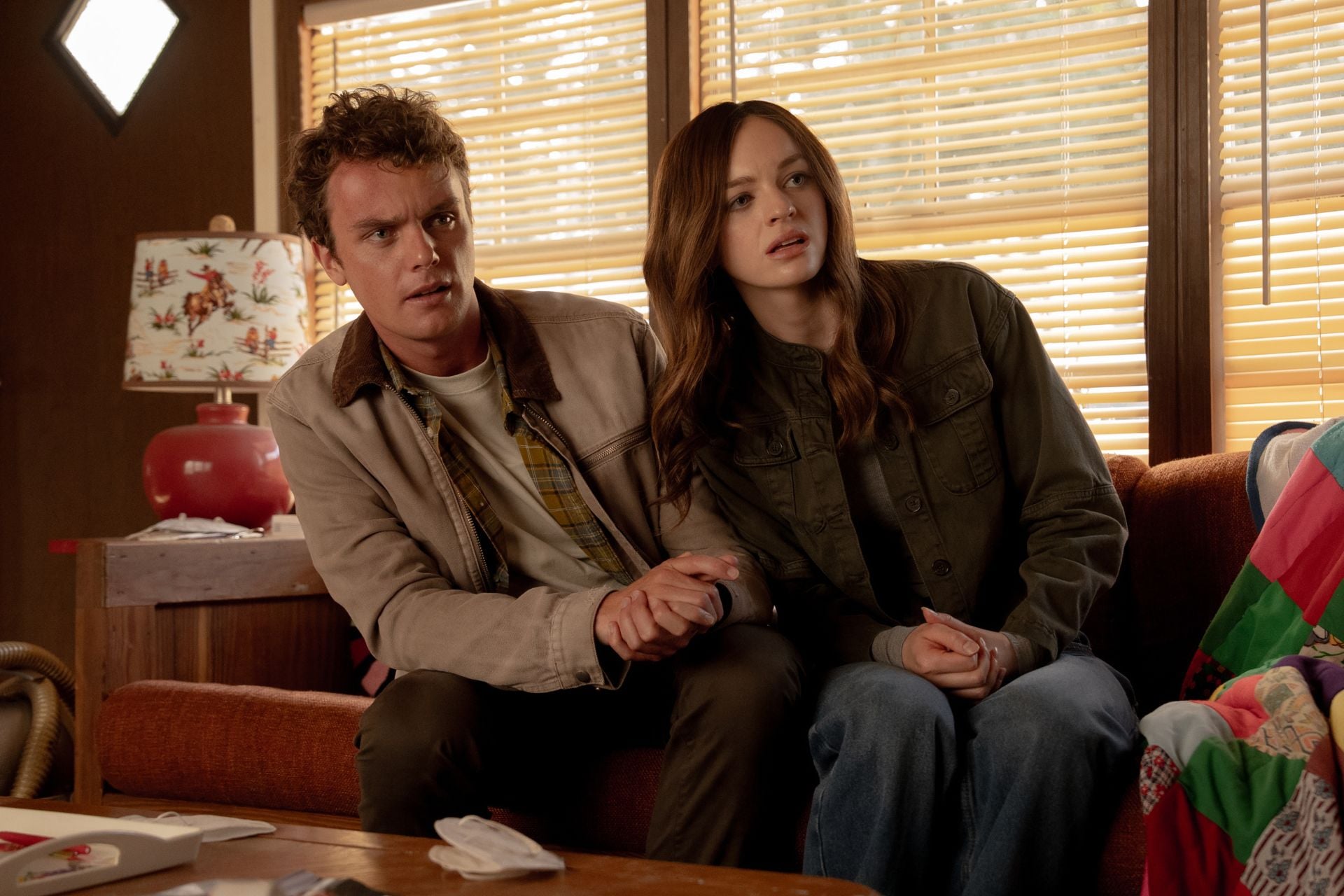
Why did Scary Movie change its ending?
You can blame good instincts and bad timing. After principal photography the team screened the original ending and felt it didn’t land with the laugh or sting they wanted. Test audiences liked the wrapped-up coda but balked at killing Shorty in the original cut, and the filmmakers wanted the audience leaving the theater laughing and arguing. Tiddes and the Wayans opted for a more provocative, satirical close — even partially inspired by the Macher house fire in Scream 7, which came out while they were shooting.
Who are the Ghostface killers in Scary Movie 6?
I read the credits and the screen: Ray and Shorty (Shawn and Marlon Wayans) are revealed as the killers, with cameos by Shaquille O’Neal and Anthony Anderson also tied into the conspiracy. Their motive is petty and proud — revenge for having the franchise taken — which flips the typical slasher logic into a comedic act of reclamation. The film even spares Cindy (Anna Faris) and Brenda (Regina Hall) because the originals get a grudging respect from the OGs.
They tested it and changed the gag: How audience reaction shaped the final cut
In test screenings a very specific gag killed the mood. I watched the reports: audiences were upset at Shorty’s death in the earlier ending. Tiddes says the idea of the runaway rollercoaster killing Shorty in the final moment felt funny to him, but testers reacted with disappointment more than delight.
The rewrite leaned into a darker, funnier social satire — and yes, it removed a Melissa Barrera joke that existed briefly in another version. Some of that footage might appear on the home release; THR notes deleted scenes are likely to surface. The decision to change was practical: you want people walking out laughing and talking, not fuming about a thrown-away character.

There’s a practical playbook here that you can learn from if you care about audience psychology: test audiences aren’t a jury, but they are a thermometer. The team used that heat to decide whether a joke landed emotionally or needed more bite. The rewrite landed like a bandage torn from a wound.
I’ve followed franchise recoveries before — this one reads like a reclamation project with a punchline. Paramount released the film; the Wayans’ presence and the Scream callbacks give the movie enough cultural hooks to keep people arguing weeks after release.
You’ll probably see deleted endings and alternate jokes when the home release arrives, and if you’re paying attention you’ll spot the fingerprints of THR’s reporting and the studio’s test screenings on every reel. So which choice do you think mattered more: protecting Shorty’s myth or making a sharper statement about ownership and authorship of comedy?