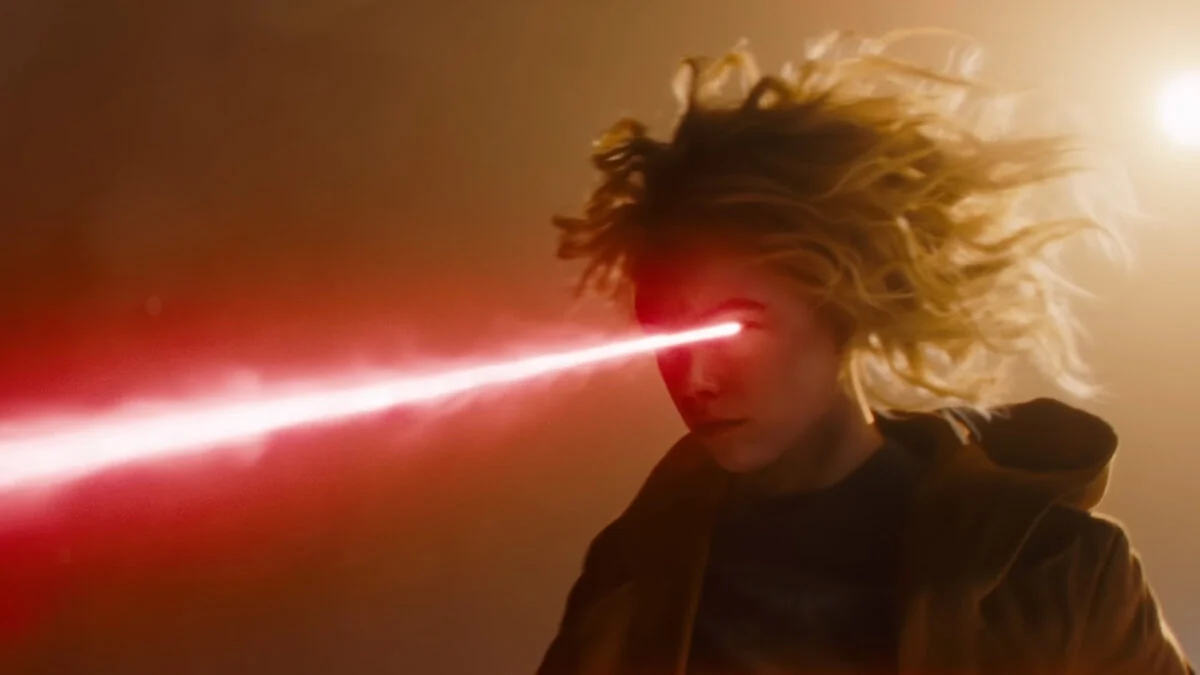
I sat through the fourth test screening and watched silence replace the beats that were supposed to land. You could see the plan written into the cuts, and then see the plan fail to connect. By the final credits I had a clear sense of choices made in editing rooms, not in audience rooms.
Four test screenings showed measurable shifts — what happened when those results met studio math
I read the Hollywood Reporter piece the way I read a post-mortem: hunting for the first obvious fracture. THR reports there were four tests, scores climbing as cuts changed, and then Warner Bros. asked for a contest between two versions. One was the studio cut; the other was Craig Gillespie’s longer cut, which reportedly scored better on villain clarity, song selection, and pacing.
The studio’s version edged out Gillespie’s by two points, and that two-point gap decided theatrical fate. You should know those numbers matter: test audiences are treated like focus groups with power. Once WB accepted its own cut, the film didn’t return to the testing table.
Why did Supergirl fail at the box office?
Because the film that hit theaters was the result of a compromise that favored an internally scored cut over the director’s more coherent version. Scores from test screenings suggested fixes, but the final pick blended competing visions. When you choose a compromise over cohesion, audience traction can evaporate fast.
Gillespie and Gunn had mismatched notes — the rewrites reveal where tone unraveled
I spoke with people who’d watched early material, and their single observation kept coming up: the film carried traces of two leadership voices.
James Gunn moved in to punch up the script in post: he brought Jeremy Slater onto a draft originally by Ana Nogueira. Slater’s credits on Mortal Kombat II explain the push toward a particular action sensibility. Meanwhile Gunn pushed bold needle drops—his fingerprints show up in the choice of a cover of Jimmy Eat World’s “The Middle” and in consideration of Cyndi Lauper’s “Girls Just Want to Have Fun.”
The edit bay became a Swiss Army knife missing blades. Two editors—Fred Raskin, who’s worked with Gunn on Peacemaker and the Guardians of the Galaxy films, and Tatiana S. Riegel, Gillespie’s longtime collaborator—tried to reconcile directions. The result is audible: one edit tightens and clarifies, the other chases a different rhythm.
Did Supergirl get reshot or recut?
Not a traditional reshoot avalanche, but an intensive recut phase. The film was reworked after principal photography and tested multiple times. WB’s decision to pick its own post-produced cut over Gillespie’s longer version was effectively a last-act recut that shaped what audiences saw.
The pacing choices left gaps you can feel — and the industry is already reacting
I watched the credits roll and plotted the studio playbook afterward: finish this, move on to the slate.
THR notes that despite the box office stumble, the DC machine keeps moving. Clayface heads into October, and Man of Tomorrow is slated for July 2027 with Milly Alcock attached. Gunn’s influence sticks: Jimmy Olsen’s comedy spinoff DC Crime lives on, and Allan Heinberg’s Mr. Terrific spinoff is described as in “active development.” And looming in the background is Paramount’s reported interest in acquiring Warner Bros.
The movie’s tone was a cracked compass. When tone points in multiple directions, marketing can’t map a single destination for audiences to follow.
Who made the final calls on Supergirl?
The short answer: the studio did. Sources say Warner Bros. compared cuts and chose the one with the slightly higher internal score. That choice outweighed Gillespie’s objections. You should note names tied to the process: James Gunn (producer), Craig Gillespie (director), Jeremy Slater (rewrite help), Fred Raskin and Tatiana S. Riegel (editing), and the outlets reporting these shifts, chiefly the Hollywood Reporter.
I’ll say this plainly: production politics and process choices leave a visible residue on the screen. You can trace specific decisions—song placements, who stayed in the edit, how long a cut runs—to the way an audience reacts in real time. If you watched Supergirl and felt something missing, now you know where to point the finger.
Who ends up answering for what audiences saw, and will the next DC entry learn from this costly lesson?