
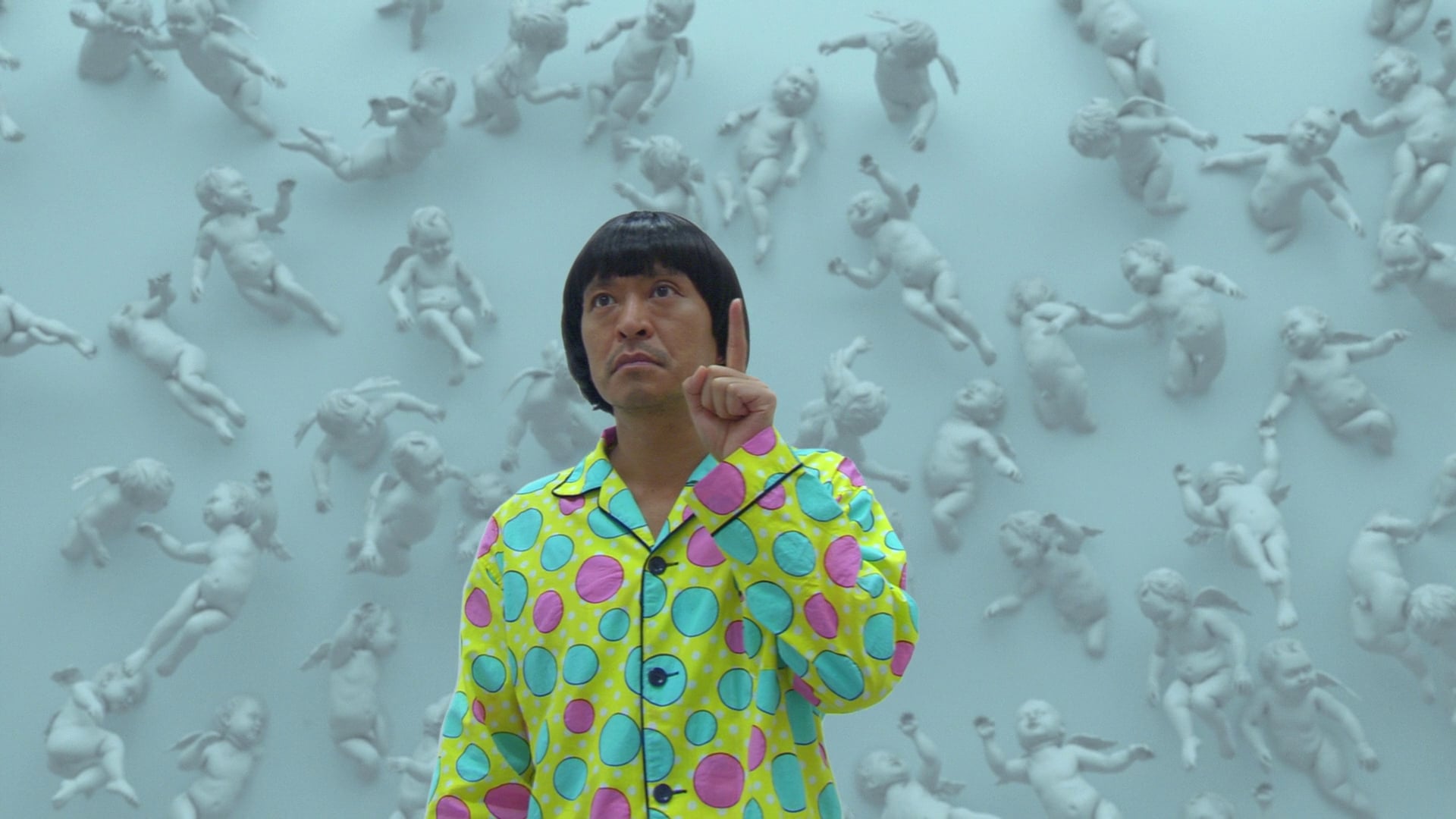
You wake up to a white room and a chorus of ceramic cherubs that dole out sushi and humiliation. I sat through it and felt my patience thin the way a rope frays under a steady hand. By the time The Man pantomimed victory, I knew this film had stolen my sense of ease.
I’m writing in first person because this movie asks that of you: bring attention, an open head, and an appetite for being bewildered. You won’t leave with tidy answers. You will, however, leave with an image lodged behind your teeth.
At the thrift store I found a polka-dot pajama set.
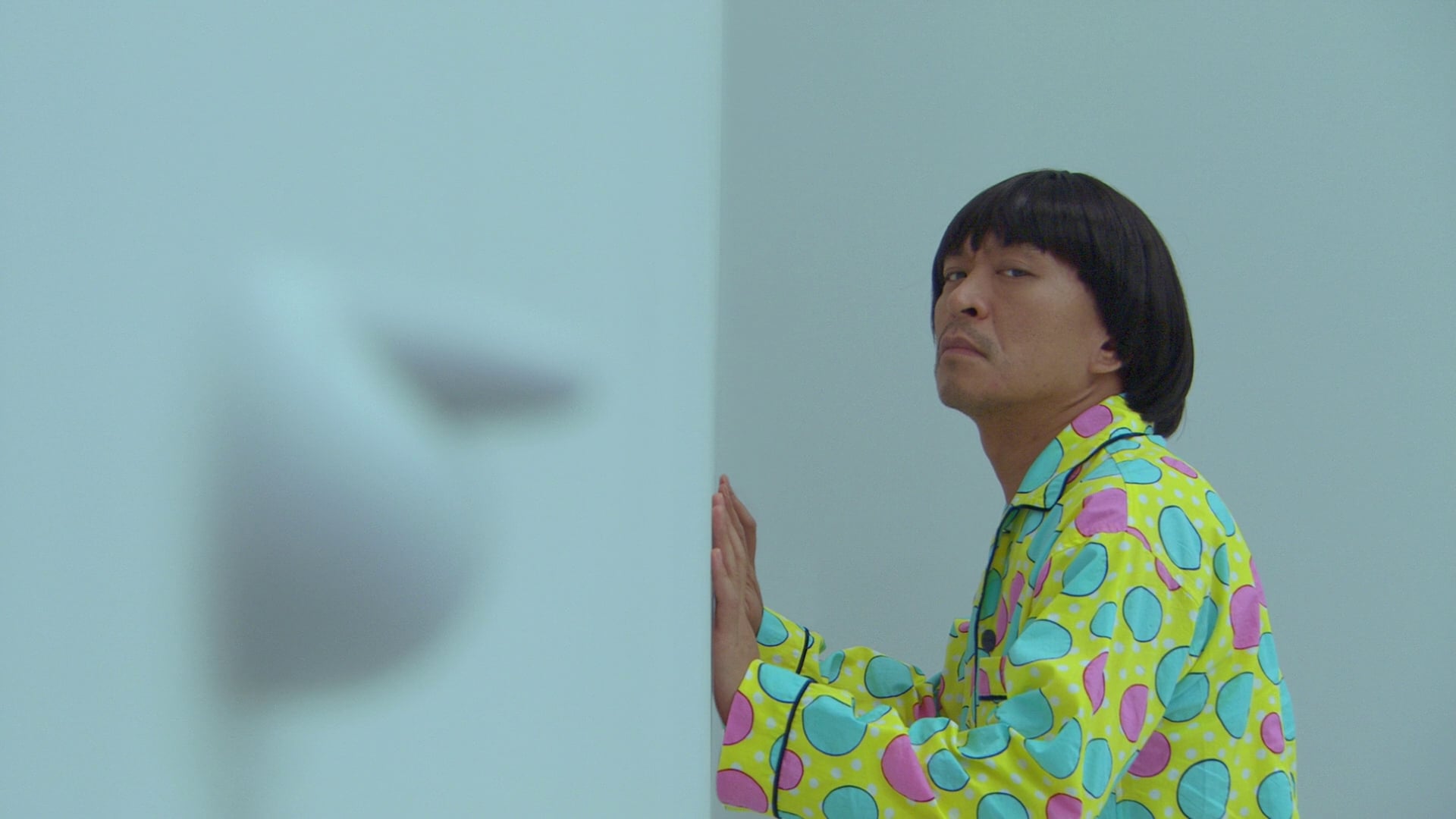
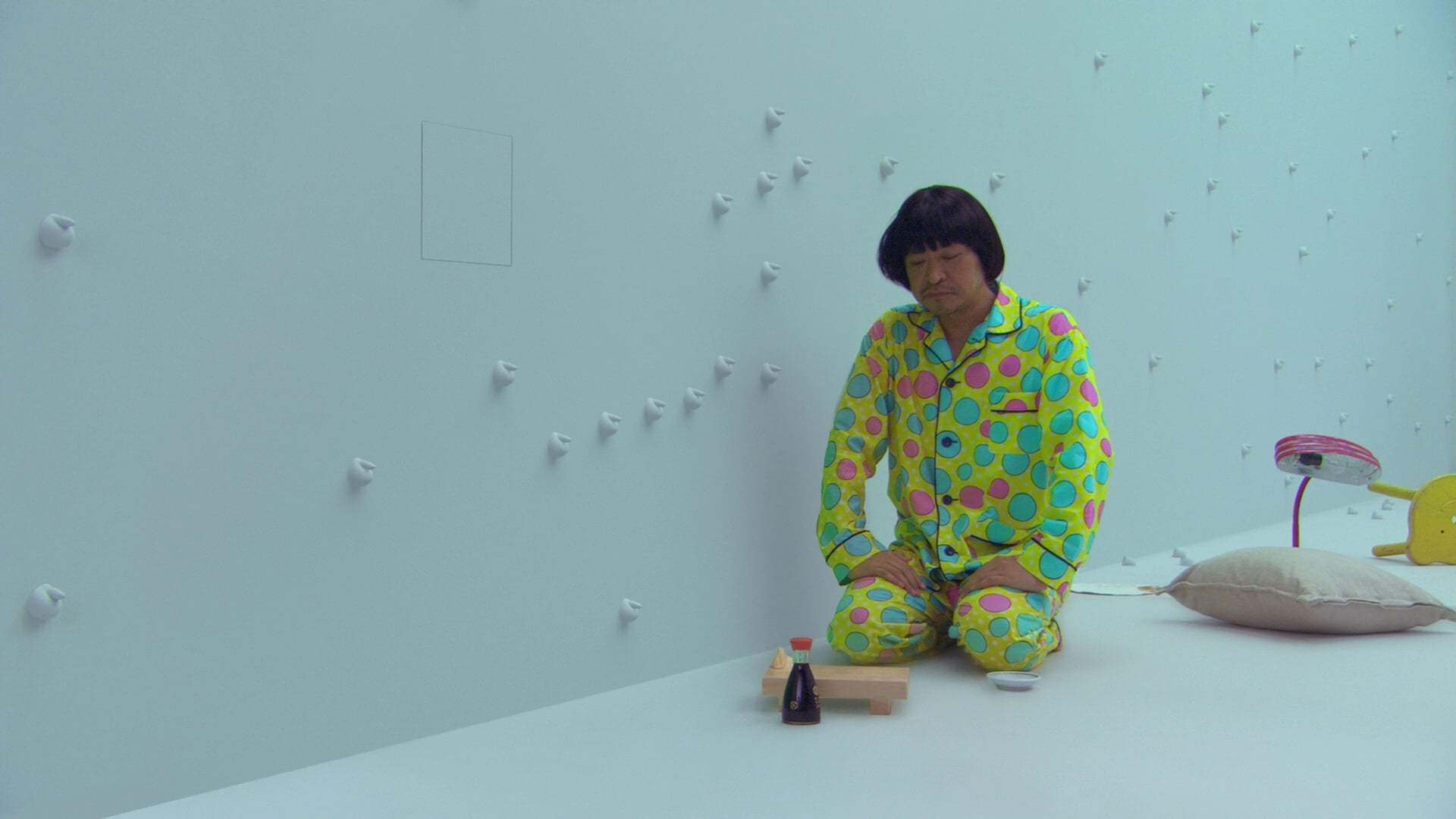
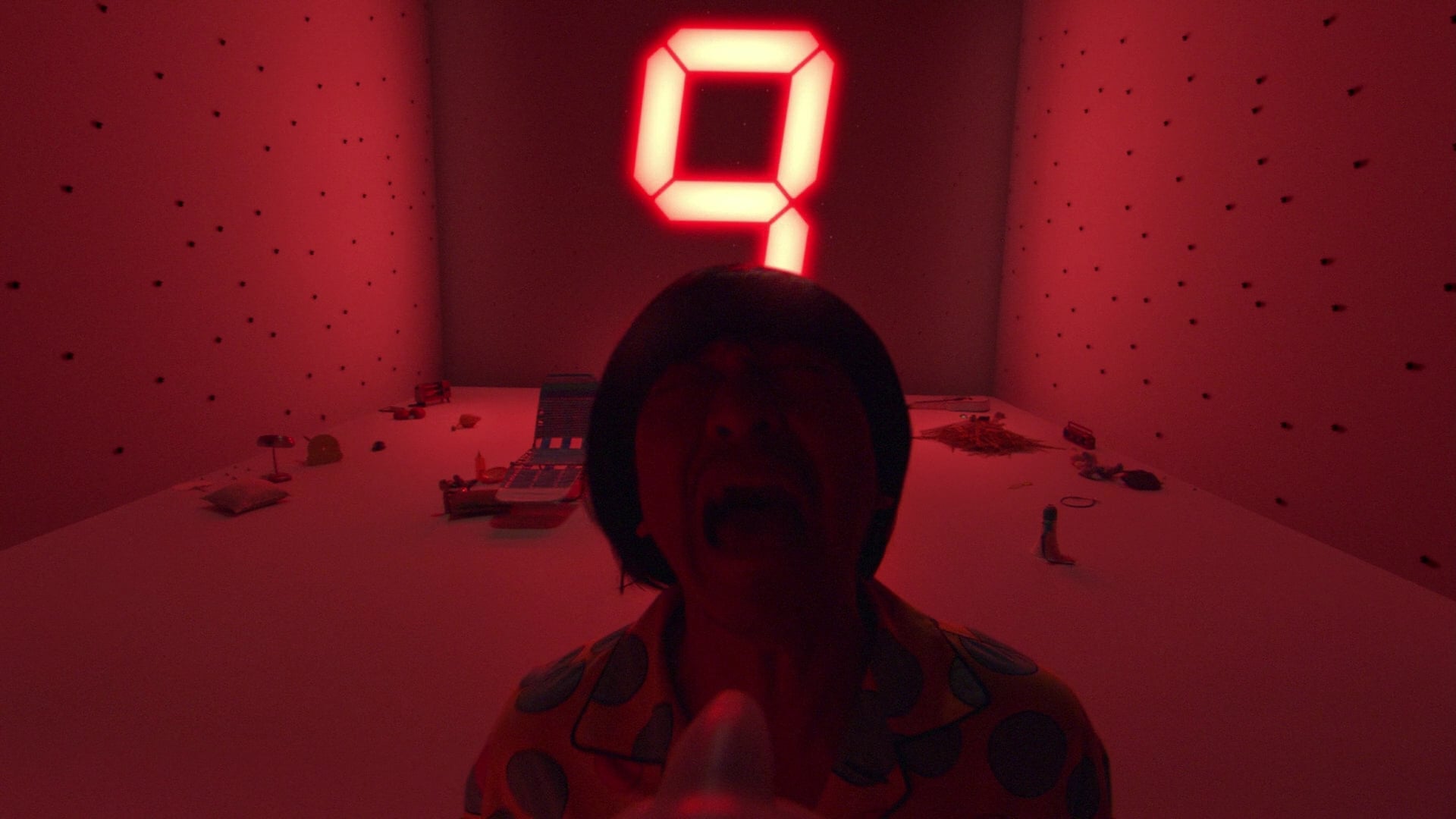
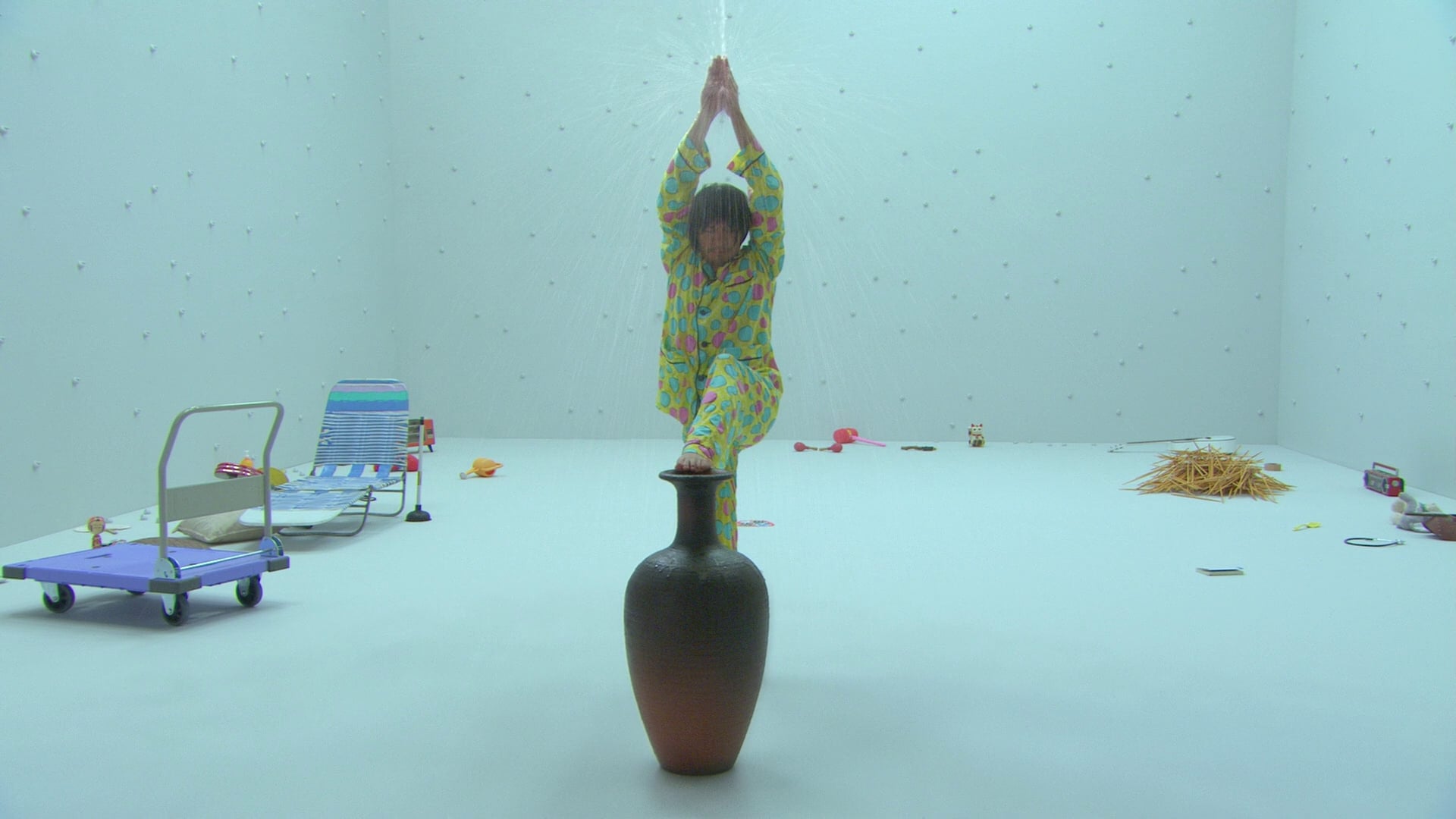
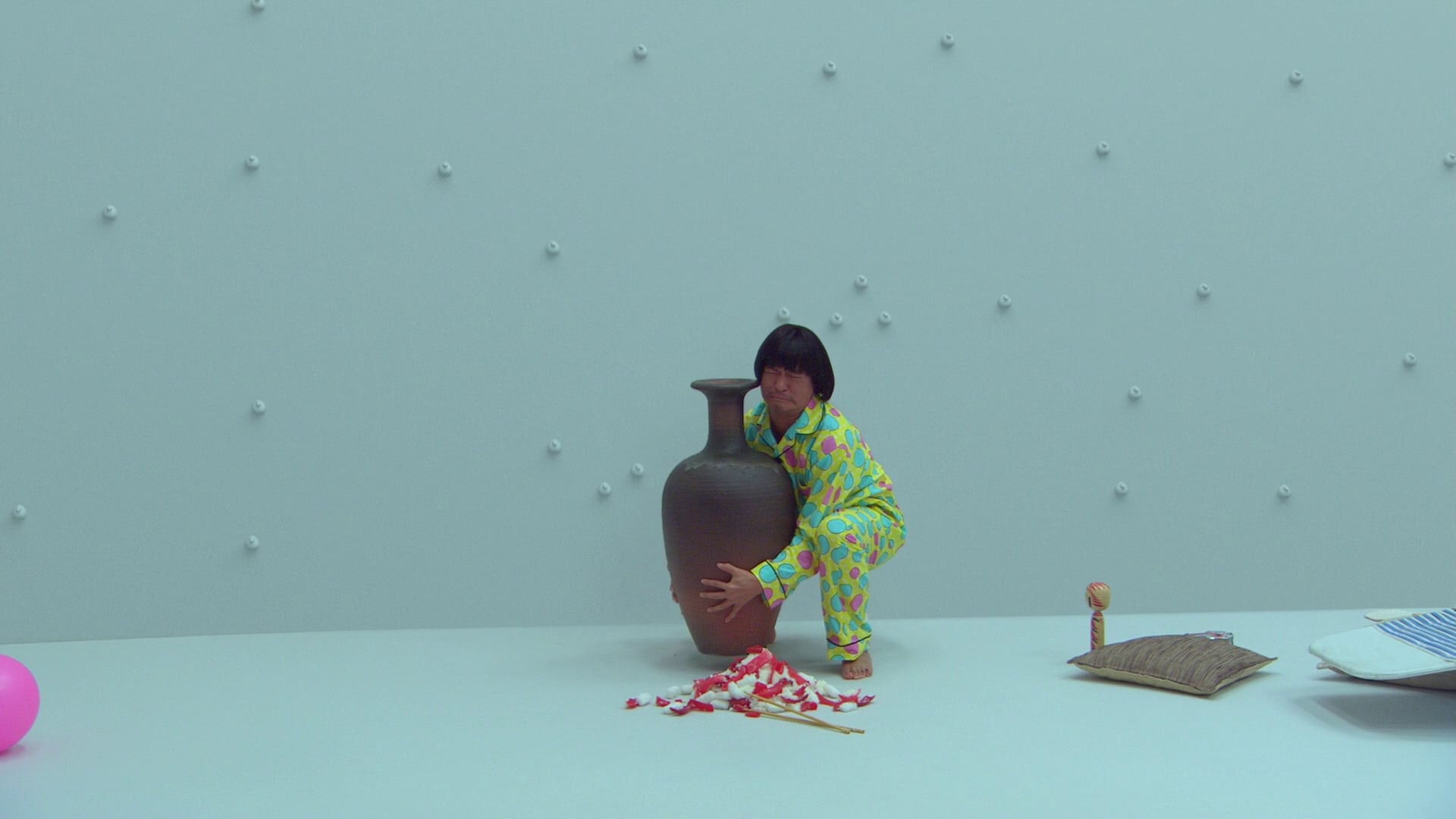
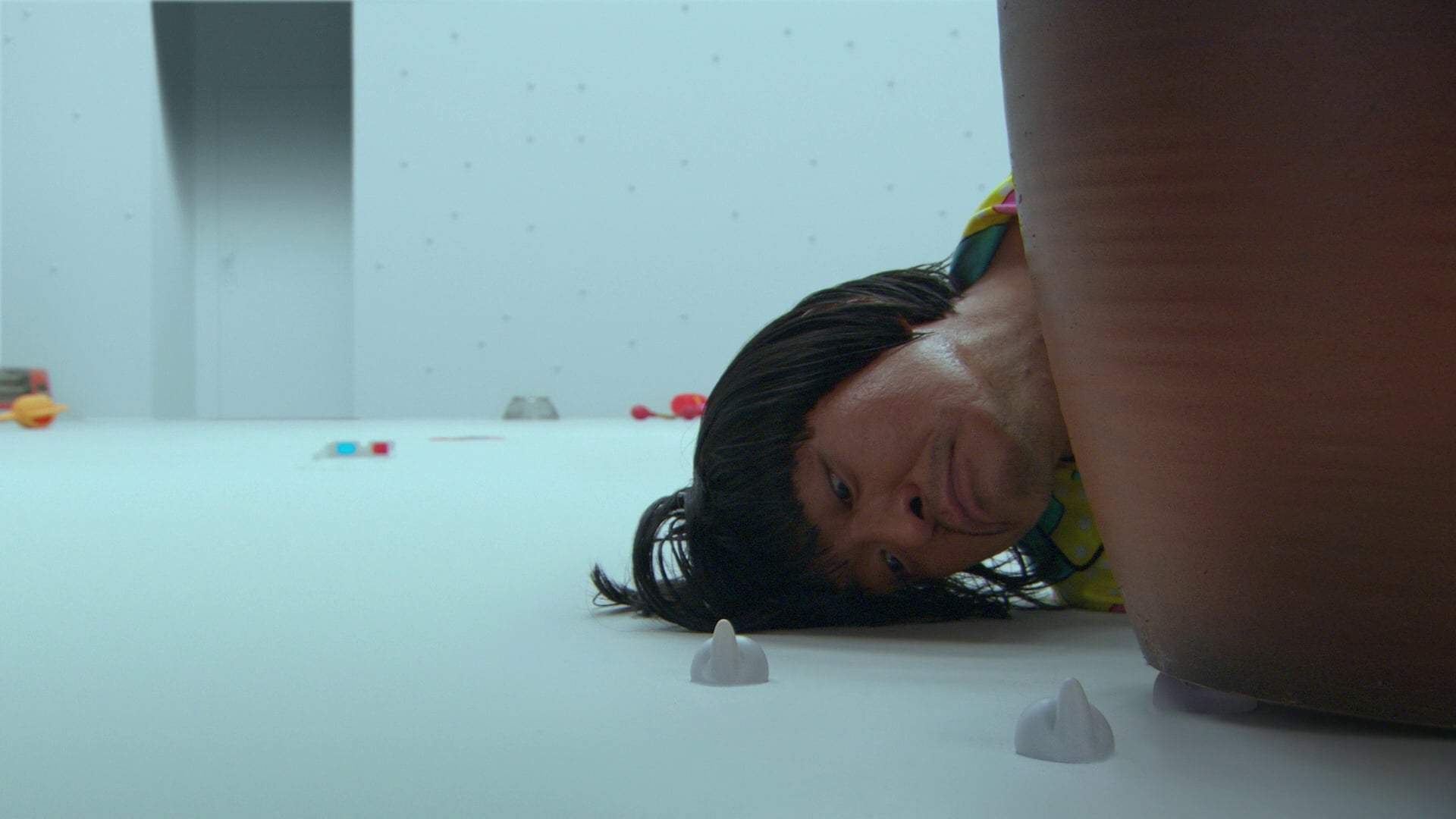
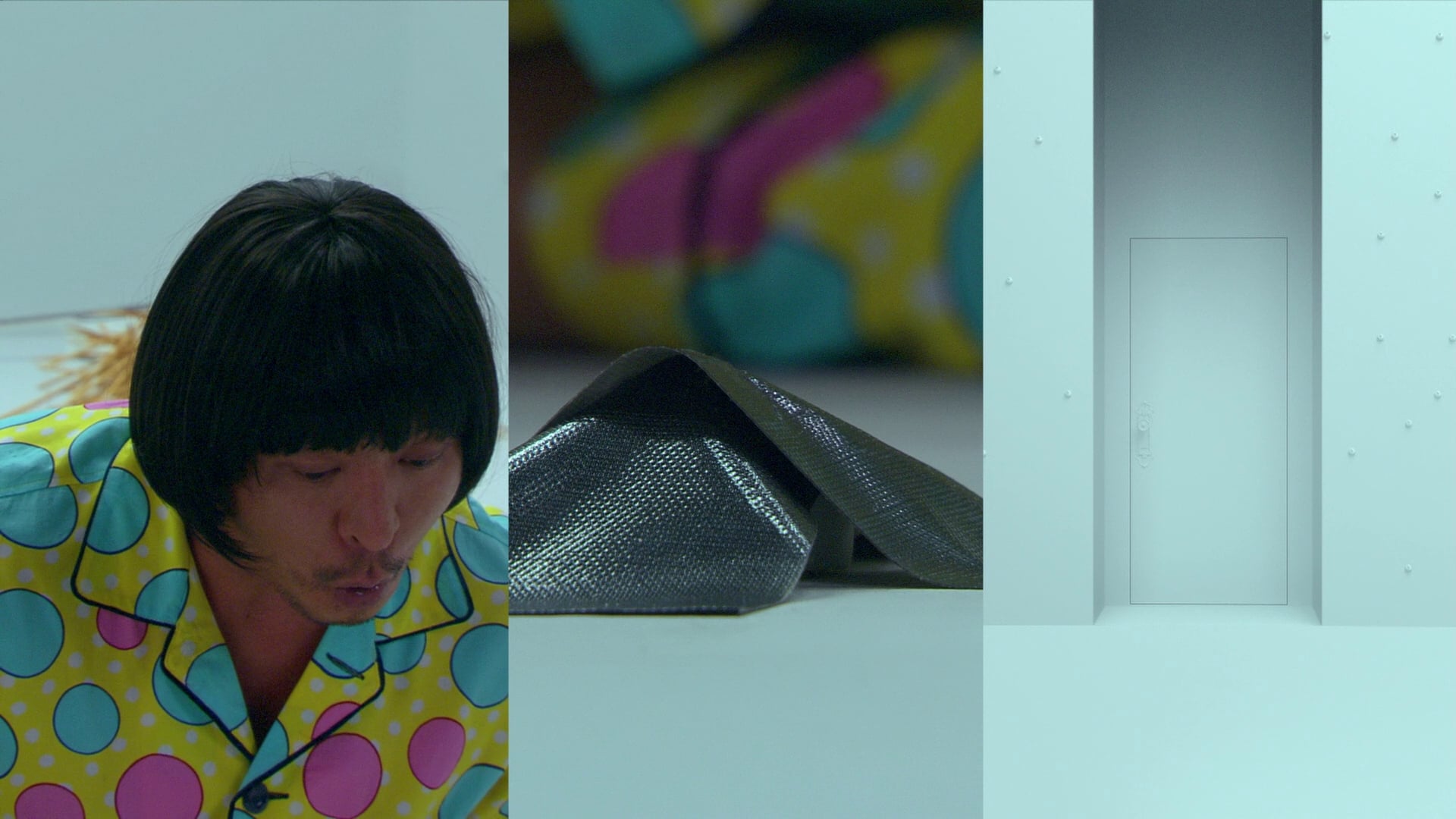
That small, oddly comforting detail is exactly the kind of thing Hitoshi Matsumoto uses to disarm you. In Symbol, The Man wakes in a white room with buttons that spit out objects: edible, absurd, deadly, or useless. Watching him press, test, and forget is the film’s engine. Matsumoto stretches ninety minutes into a lesson in escalation—each ding from the wall both a reward and a dare. The white room is a pressure cooker of misdirection: it boils small gestures into theatrical crisis.


At midnight I watched a Let’s Player struggle for fifteen minutes over a single puzzle.
That felt eerily like watching The Man. Matsumoto stages failure and small triumphs in full, excruciating time. You’ll see the fatigue set in, the loss of language, the pantomime that replaces argument. It’s uncomfortable cinema because it refuses montage shortcuts; the camera lets you sit with the unglamorous grind. If you follow cinephile Twitter threads or YouTube reviews—think of a Vincenzo Natali fan dissecting Cube—you’ll get talk about structure and influence, but here the structure is the sensation itself.
What is Symbol about?
On the surface, Symbol is a conceptual escape-room movie: a man in a white cell presses buttons, receives objects, and tries to leave. Beneath that, Matsumoto ties in a second storyline about a hapless luchador named Escargot Man (played by David Quintero), creating a strange, emotional echo. If you know Matsumoto from Japanese TV comedy or his other films, expect absurdity that quietly accumulates into meaning rather than spelling it out.
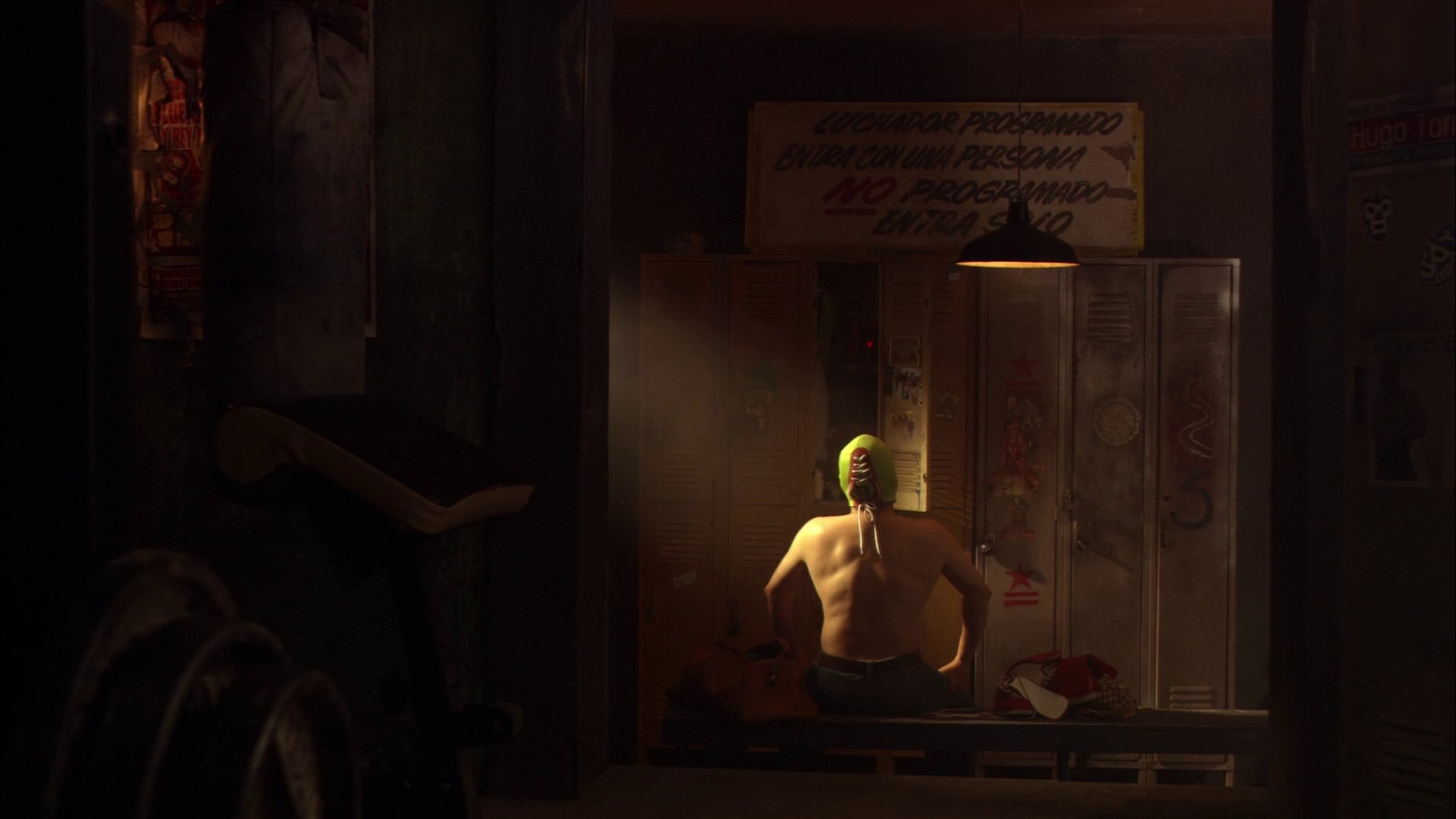
At a lucha libre match I saw a wimpy wrestler get cheered like a champion.
That real-world cheer is what the film borrows for its heart. The Escargot Man subplot feels absurd—call it a Nacho Libre-adjacent gag—but it gives the movie a human beat and stakes. Matsumoto refuses to make the escape-room section purely experimental; he threads pathos through comedy and pain. The two strands resolve in ways that will make fans of Old Boy‘s intensity and viewers who enjoy Galder Gaztelu-Urrutia’s appetite for cruelty nod in recognition. The film unfolds like a clown car of surrealism, a small, strange object that keeps revealing new passengers.
Is Symbol streaming anywhere?
Not widely. It’s off most major platforms like Netflix and Prime in many regions. Your best bets are specialty distributors, archive screenings, physical imports from labels tied to Shochiku or Phantom Film, and collectors on sites like eBay. You might also catch festival retros on Kanopy or private screenings announced on Criterion Collection forums, though availability fluctuates. If you search regional catalogs or check fan communities on Reddit and Twitter, you’ll find leads.
At a midnight forum thread someone swore the film changed how they think about comedy.
That’s the reaction split down the middle. You will either find spiritual companionship in The Man’s frustration or you will leave annoyed by deliberate ambiguity. I felt a tether to the film because it refuses to comfort you with exposition; instead it tests your patience and rewards small attentions. If you follow film criticism on platforms like YouTube, TikTok, or longform pieces on The Criterion Channel blog, you’ll see arguments both praising and mocking Matsumoto’s restraint. I’m on the side that believes restraint can sting in a good way.
Should I watch Symbol high?
Only you can answer that. Some scenes gain an extra layer of surreal comedy when you’re looser; others depend on your brain staying sharp enough to register small repetitions and callbacks. If you enjoy videos of Let’s Players solving puzzles, you’ll appreciate seeing someone else’s thought process stretched into awkward, beautiful time. If you hate being toyed with, go sober and prepared to be patient.
Watching Symbol is an exercise in surrender: you give up the expectation of clear meaning and accept the film’s strange choreography of reward and mockery. It’s a place where patience earns sympathy and confusion becomes a shared language between you and the screen. Will you let a movie take your sense of bearings and hand it back as something you can argue about later?