
I read the scene in a single breath: Amira standing in a silent workshop, fingers stained with wood dust, watching a staff refuse to bend to an old habit. The room felt too small for someone who once shaped storms. Then a friend offers a salaried teaching post, and everything tilts.
I’m telling you this because Daisuke Itabashi’s The Journey of a Dark Elf With Fading Powers is less about lost power and more about how you reassign meaning when a defining skill slips through your hands. Read it and you’ll find an intimate study of grief, pride, and the stubborn, messy joy of trying again.
At a weekend craft fair I saw a maker polish a single wooden flute — small rituals reveal character
What is The Journey of a Dark Elf With Fading Powers about?
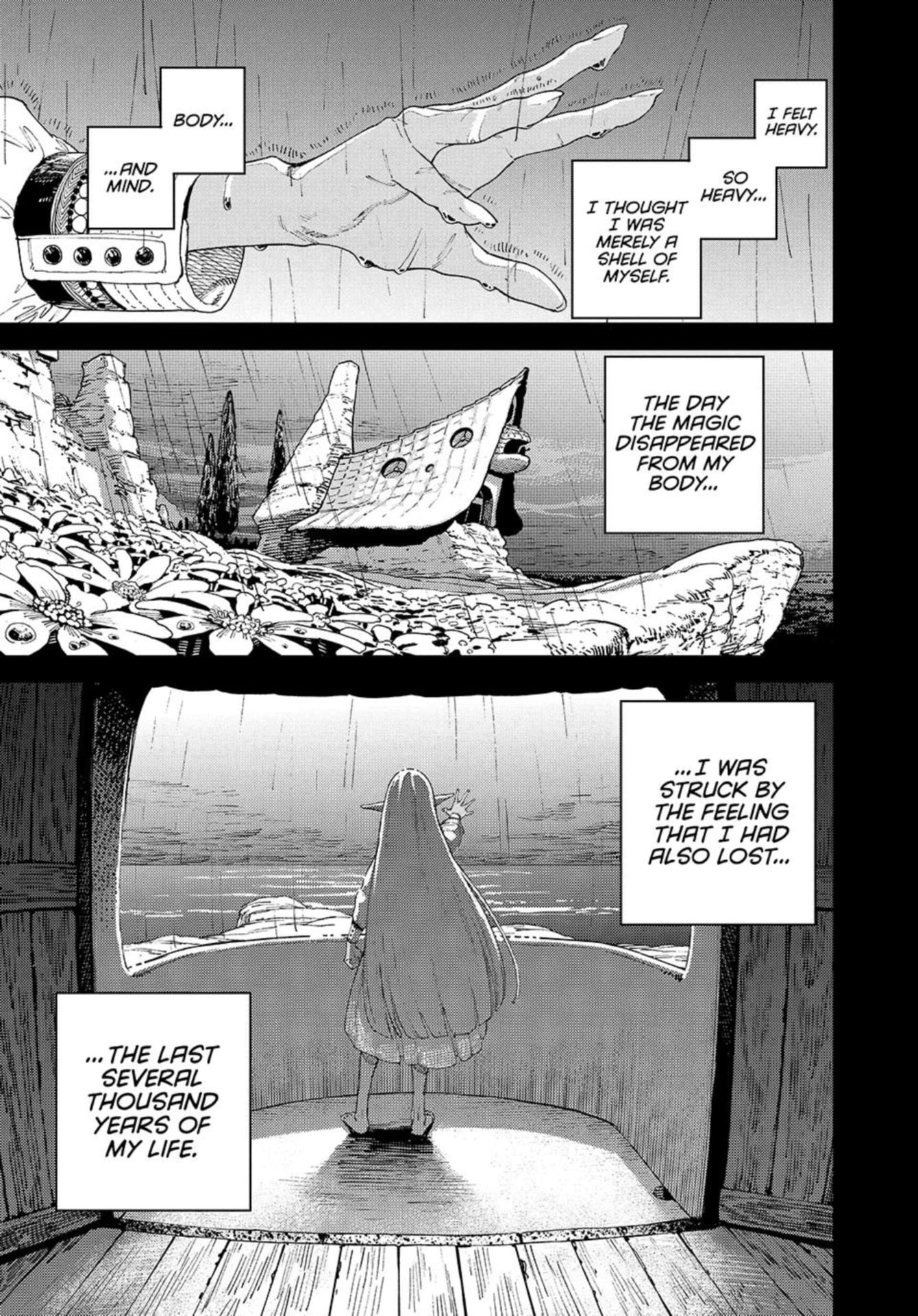
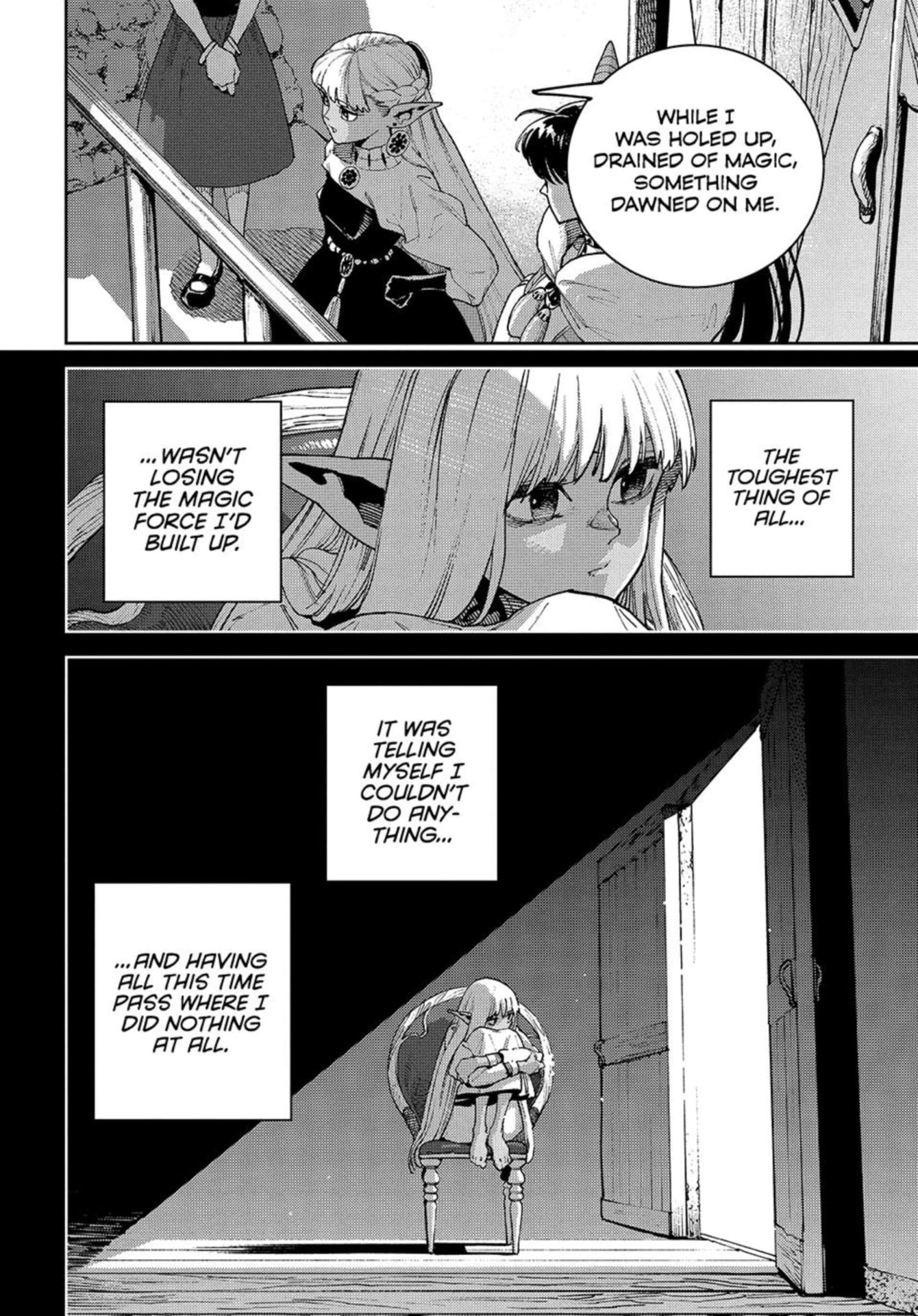
I’ll keep it plain: Amira was once legendary, an omega-level sorcerer whose magic read like an unbeatable stat line. Time and absence hollowed those powers until they faded. Lilicena, a peer who still controls space and time, offers Amira work teaching at a magic school—partly charity, partly to help Amira pay off debts—so she can start practicing life without a magic crutch.
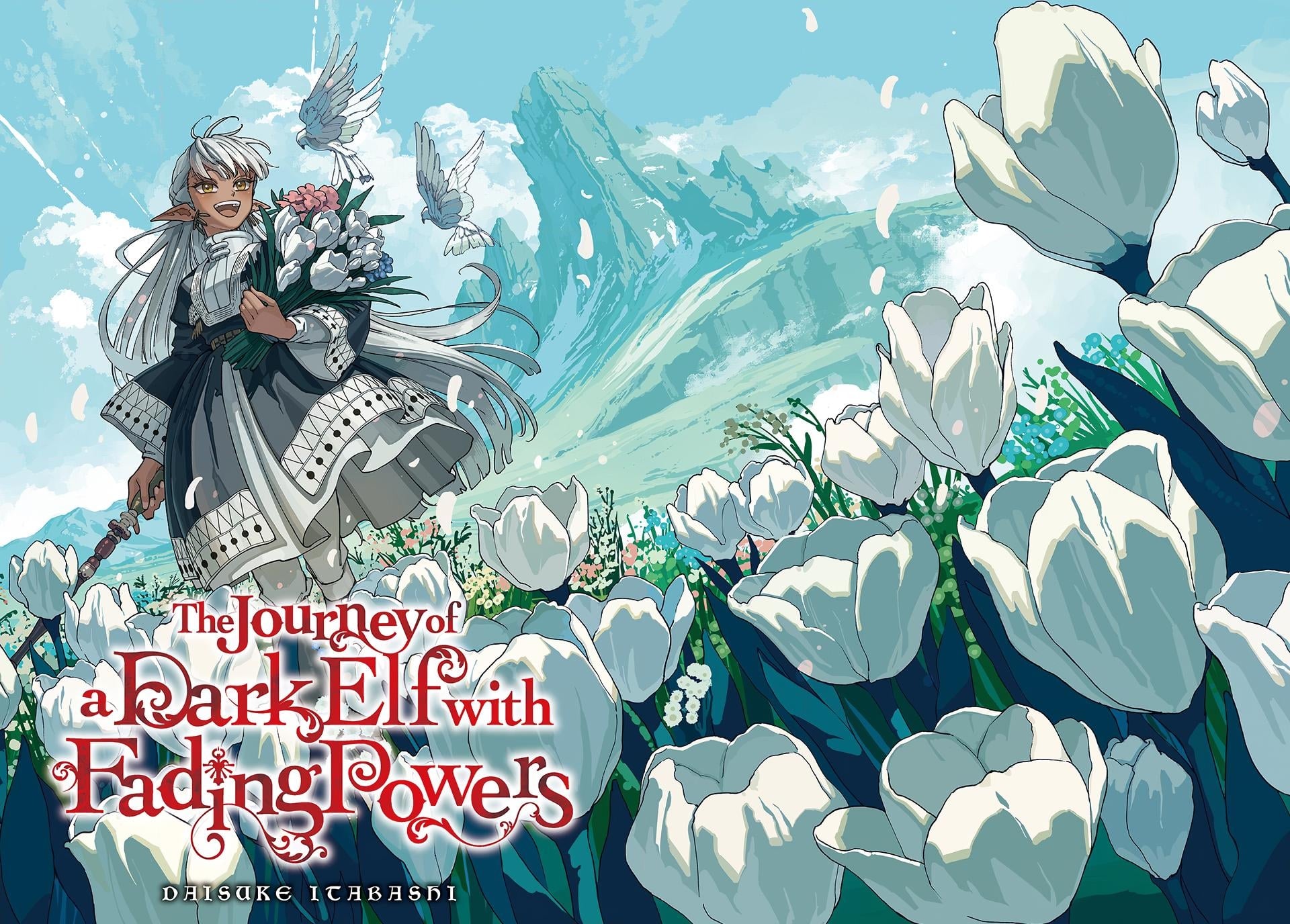
You feel the ache without melodrama. The manga refuses a tidy power-up cure; Amira doesn’t suddenly become more muscular or secretly master swordplay to cover the hole. Instead, she accepts awkwardness, becomes the oldest novice at hands-on crafts, and finds quiet wins that are weirdly triumphant.
On the subway I watched a cosplay duo argue over prop details — costume choices reveal fandom priorities
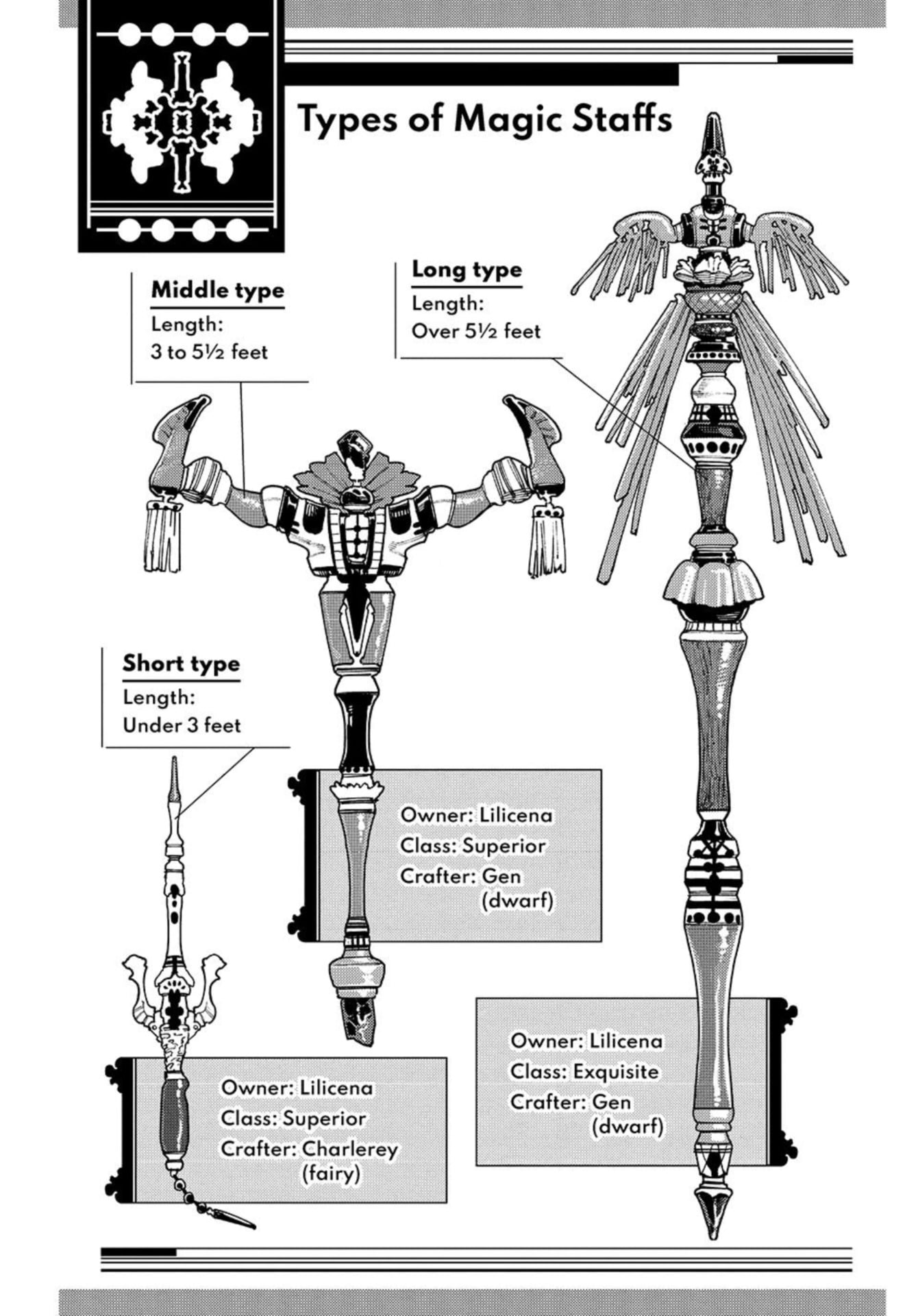
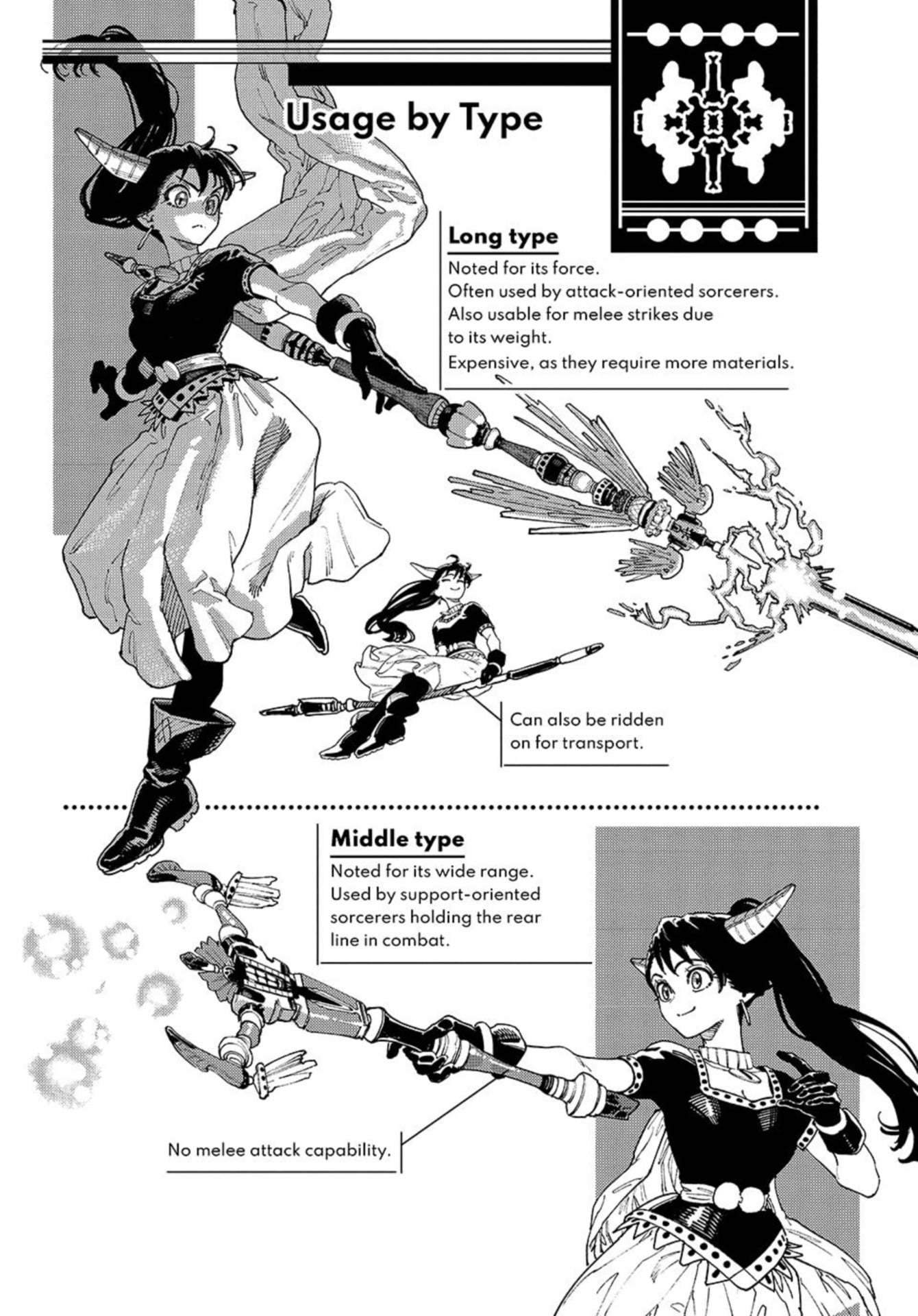
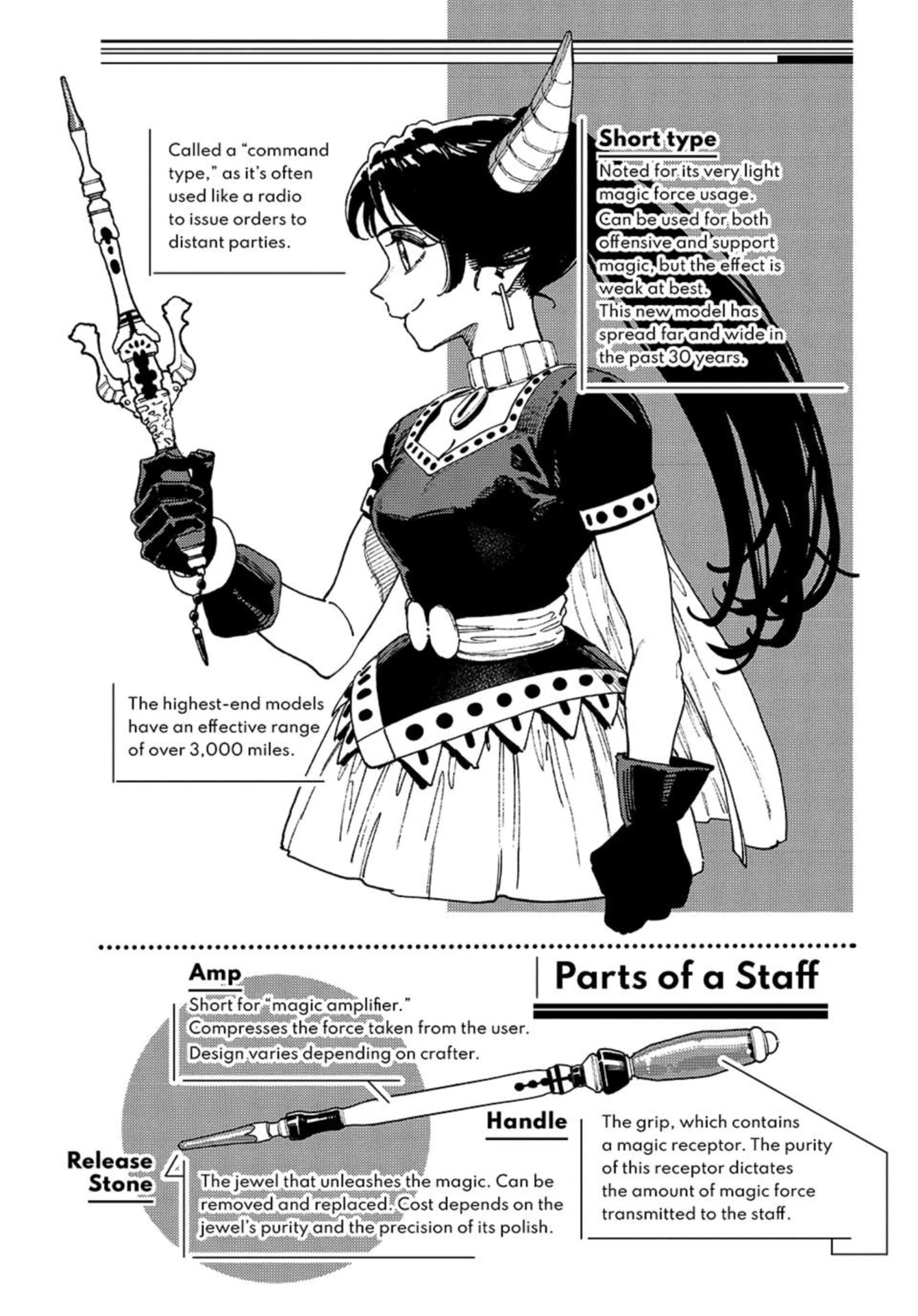
Itabashi gives the world texture. His panels are architectural and ridiculous at once: gargantuan beasts, sweeping double-page layouts, and pages that read like an artisan’s catalog for magical paraphernalia. The staffs in this story aren’t mere tools; they’re heirlooms, fashion statements, and a kind of social currency. The manga even annotates each staff with crafters, grade, and name—world-building that reads like a collector’s guide.
If you follow cosplay trends—Witch Hat Atelier set the template for fashion and stationery tie-ins—this series will likely spark a wave of staff replication. Itabashi’s designs are ornate enough that prop-makers and cosplayers will treat each staff like a small project: research, materials, and bragging rights when finished.
At a coffee shop I overheard someone confessing they’d lost their spark — grief performs itself in private
Is The Journey of a Dark Elf With Fading Powers similar to Frieren or Witch Hat Atelier?
Yes, but not as a clone. It shares a tonal kinship with Frieren: Beyond Journey’s End in its meditation on life after exceptionalism, and it borrows the craft-focused charm of Witch Hat Atelier. Ask Mashle for the occasional gag beats and brute spectacle. But Itabashi blends those influences into something warmer and quieter—more workshop than war camp.
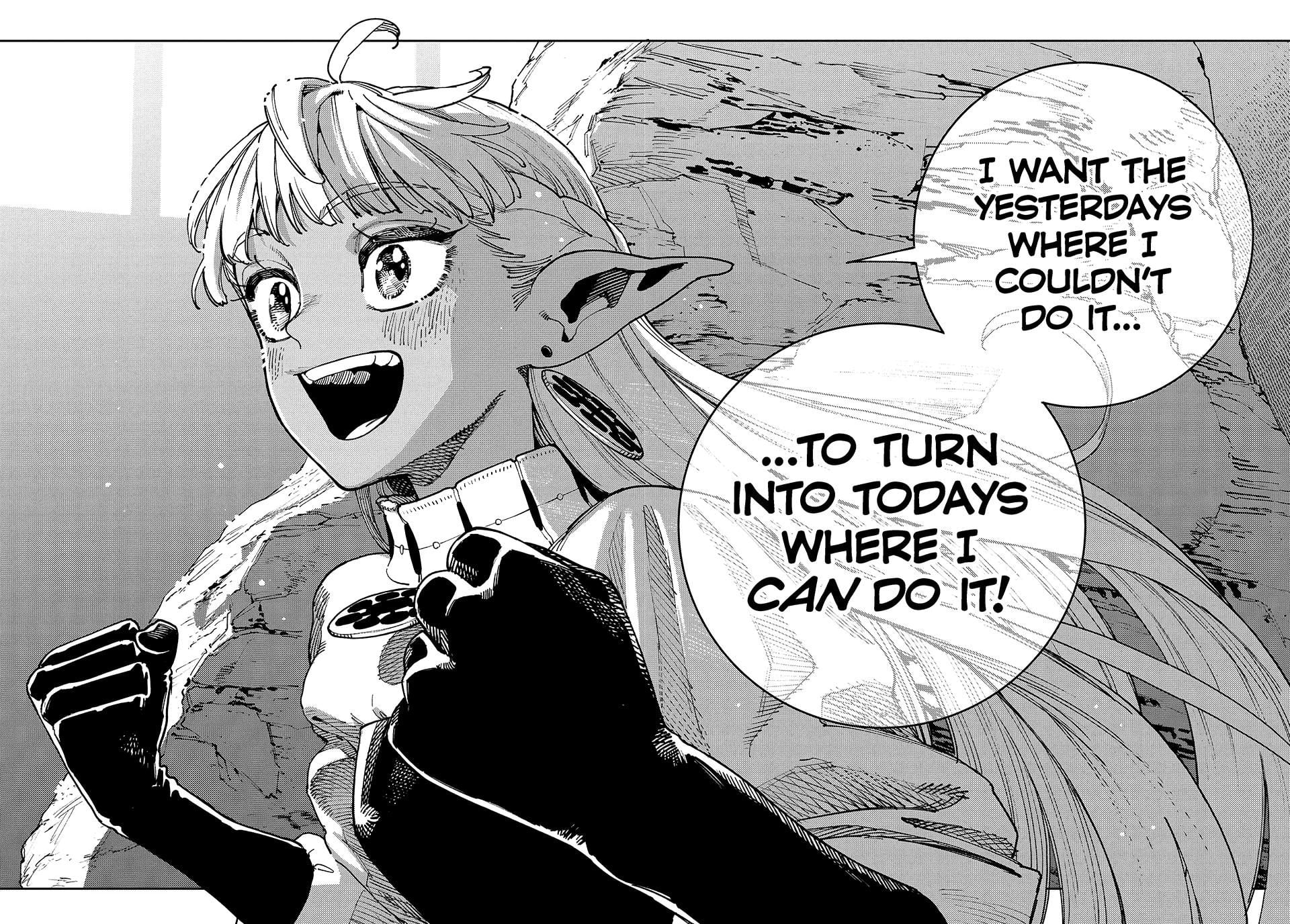
The emotional core is what sells it. Amira’s sadness is handled with candor: she sits with regret, flinches at pity, and eventually rediscovers delight in small, repeatable labor. That arc feels honest because it honors failure as a process instead of a plot device.
Where can I read The Journey of a Dark Elf With Fading Powers?
You can read it now on K Manga via Kodansha’s platform; Seven Seas Entertainment will publish an English-language volume on March 23, 2027. If you follow manga on Twitter/X or threads in the cosplay community, this title is already circulating as a sleeper favorite.
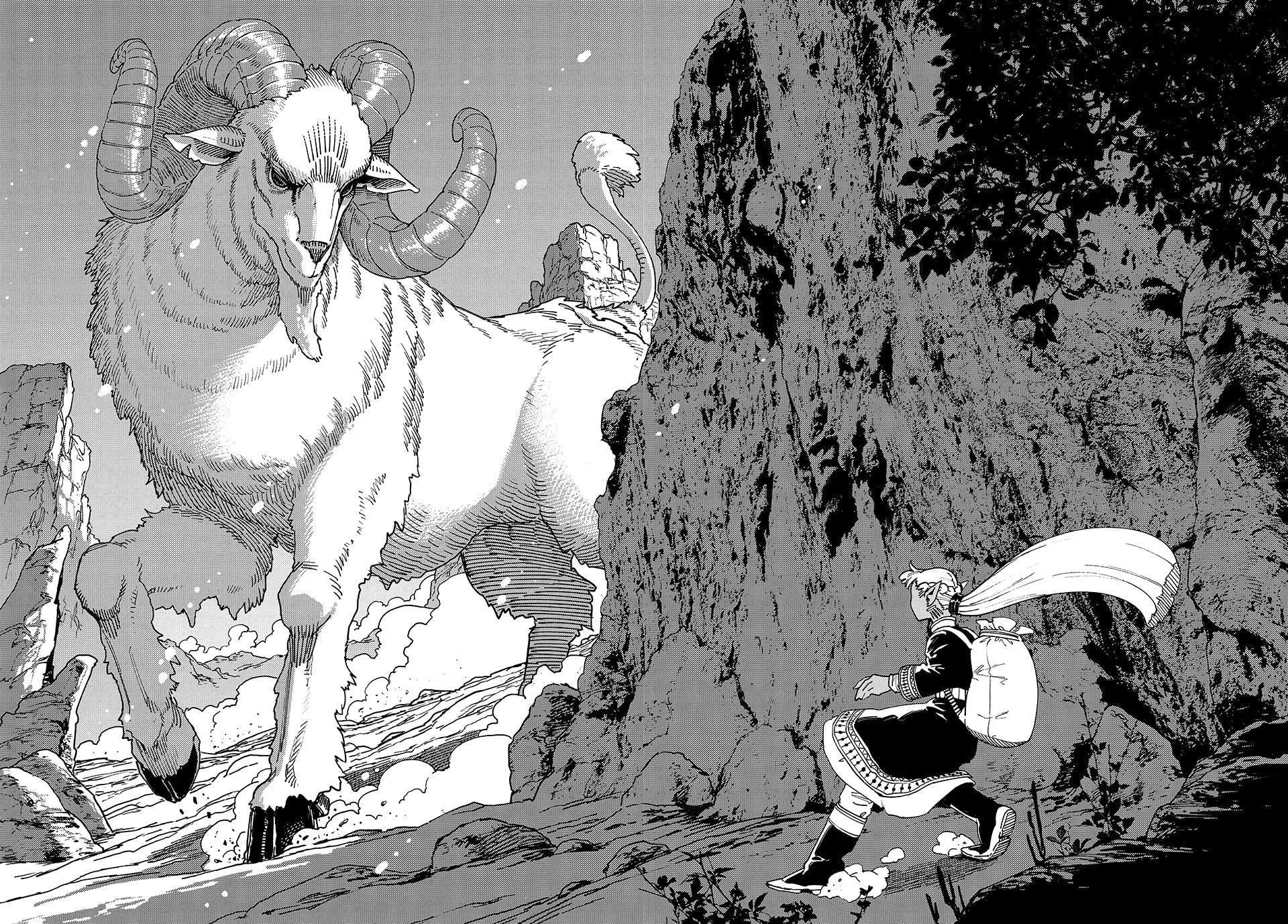
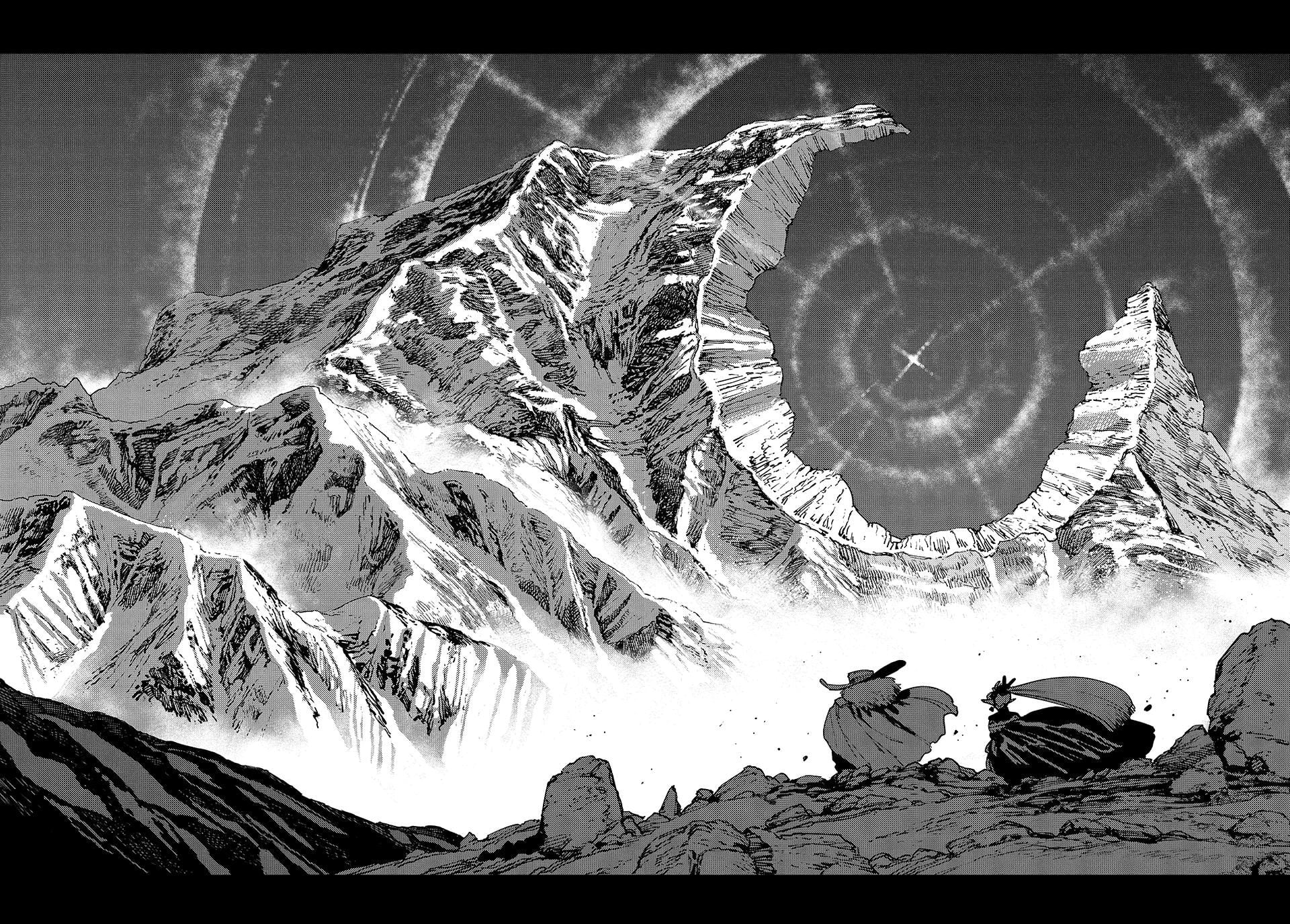
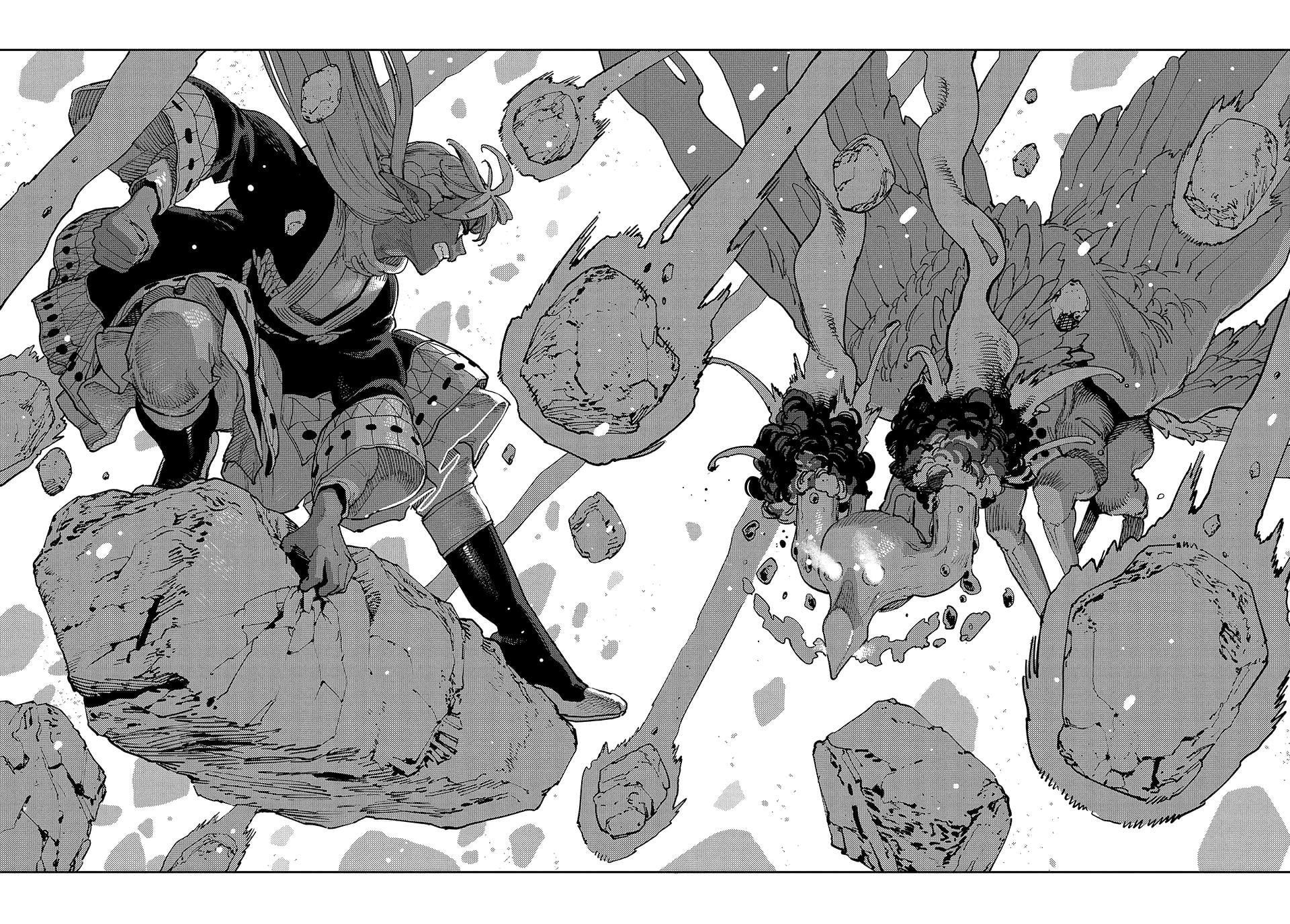
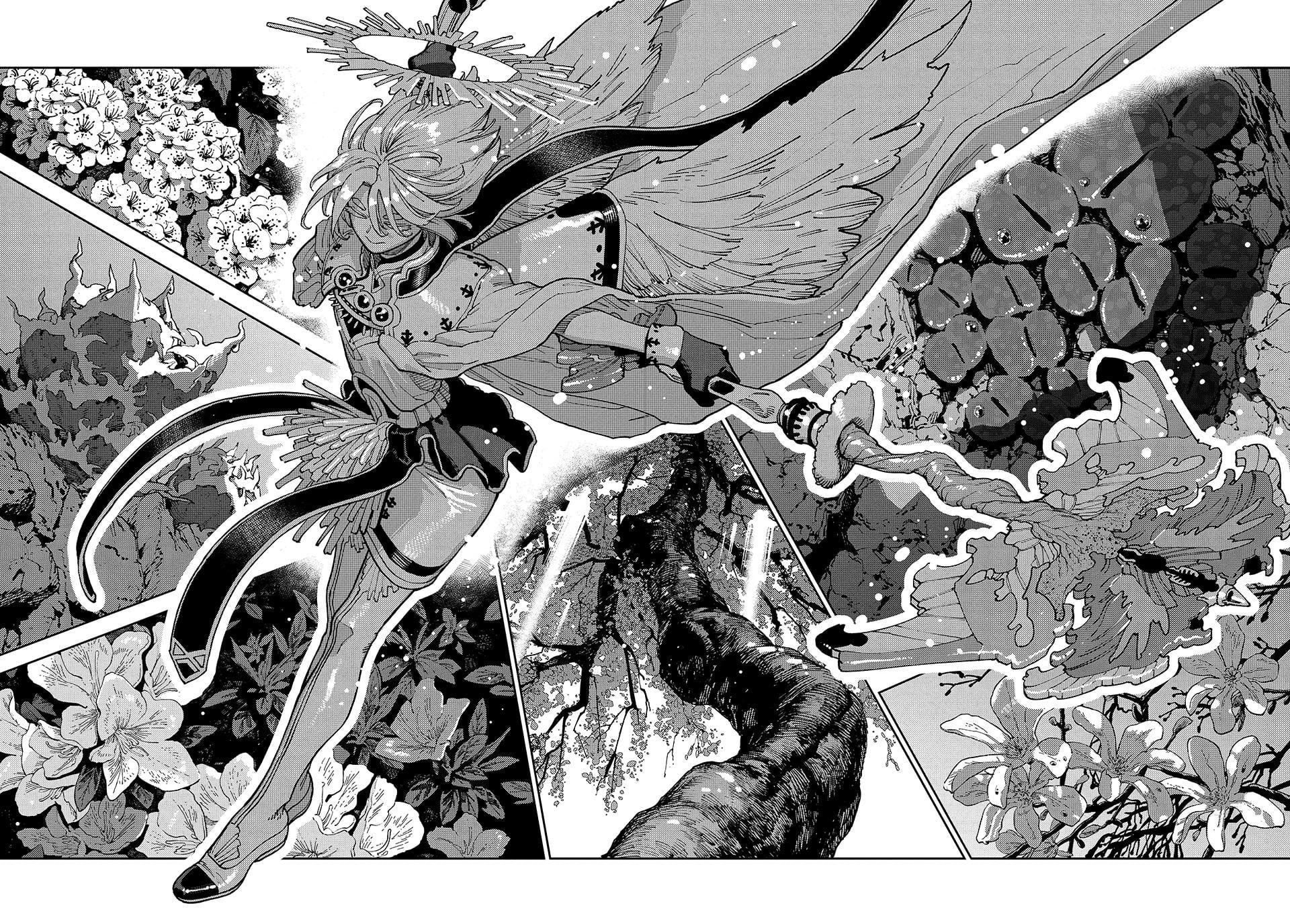
Artistry aside, the series rewards patience. You get spectacle when needed. You also get small, repeatable victories: a staff that finally fits a palm, a student’s shy smile, a night of sleep after months of rumination. Those beats add up.
Two metaphors will do the work: Amira’s magic fading is like a sun losing its noon—bright, abrupt, and then oddly intimate. Her retrying of life’s small tasks is like an old violin being restrung—each new string tightens something that was slack for too long.
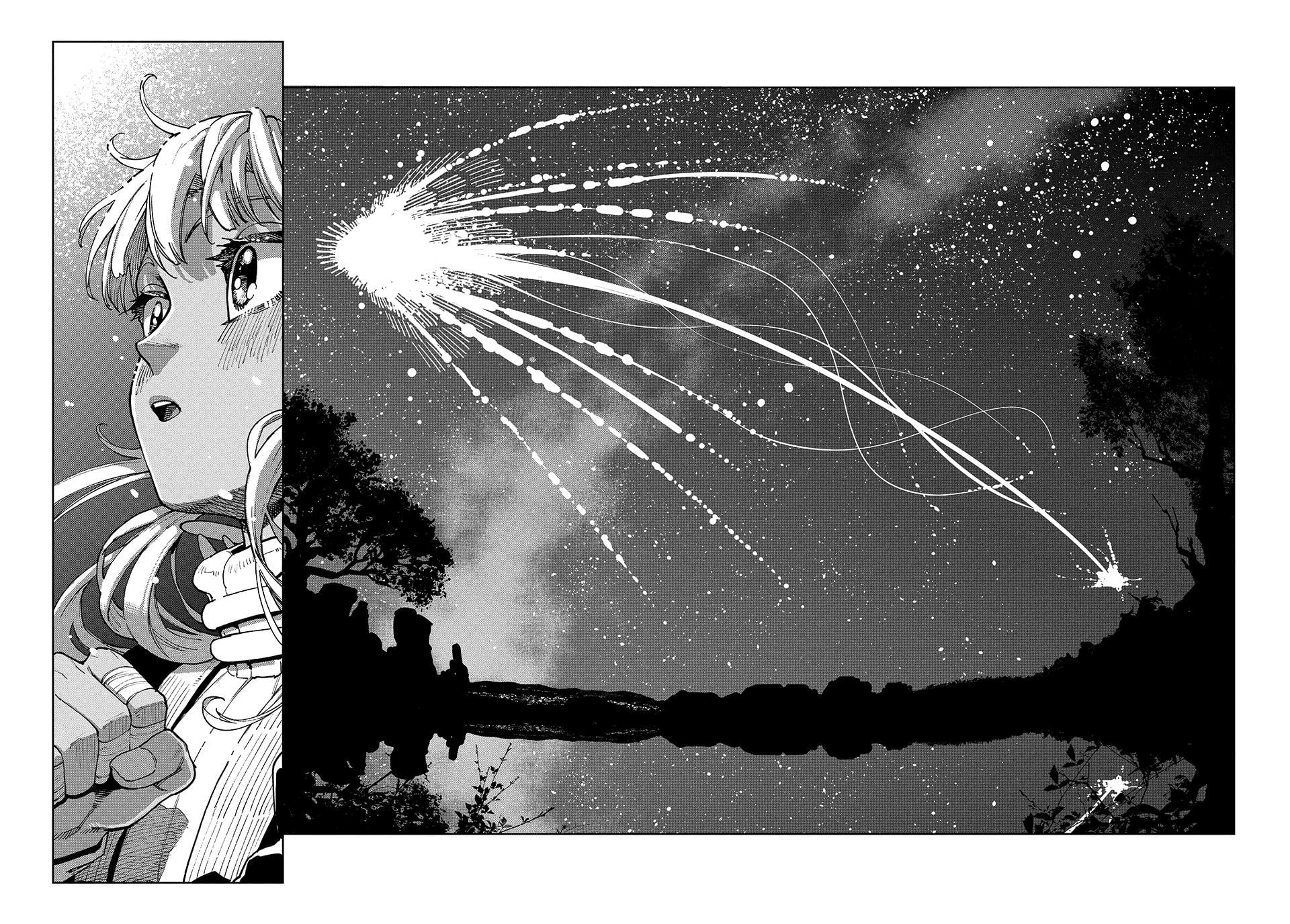
Read it for the art, but stay for the emotional choreography. If you’ve been laid off, sidelined by injury, or just tired of performing a single identity, Amira’s quiet insistence that meaning can be remade will land. The book doesn’t sugarcoat the sting; it reframes the work of living as a craft that can be learned at any age.
Itabashi is not a miracle worker; he’s a careful storyteller who trades fireworks for the slow satisfaction of someone learning how to use their hands again. That’s rarer than you think, and it’s good company to keep while you decide what you’ll do next—will you teach, will you make props, or will you finally finish that project that’s collected dust?
Will a story about losing what made you exceptional and learning to be enough in other ways change how audiences value starting over?