
He drifts on a tiny raft, the salt stinging the air, and you know the scene is a hinge. I sat there feeling the theater tilt — every quiet second stretching the promise of violence and reunion. When Nolan snaps the door open, the whole movie answers.
I’m not here to summarize. I want to show you why the last act of Christopher Nolan’s The Odyssey lands on every level: emotional, thematic, and cinematic. Trust me — if you’re the kind of person who tracks Nolan’s beats like breadcrumbs on IMDb or reads io9’s breakdowns, you’ll feel this methodical teardown in your ribs.

In a quiet multiplex, someone leans forward and a shoe squeaks on the floorboards.
That tiny sound is the same engine Nolan uses for his third act: micro-details that tell you someone is about to make the right, terrible move. You meet Eumaeus (John Leguizamo) and you feel his fidelity like a small, steady drum. He lets the stranger in because he senses a pattern — and that sense sets the plan spinning.
At a concession stand, two strangers whisper about spoilers while the house lights dim.
Odysseus’ rescue of Telemachus (Tom Holland) reads like deliberate procrastination. It’s not indecision; it’s a strategy. Nolan stretches the return so the audience lives in the delay with him. The result: every subsequent beat—dog, scar, gait—lands heavier because we’ve waited for it.
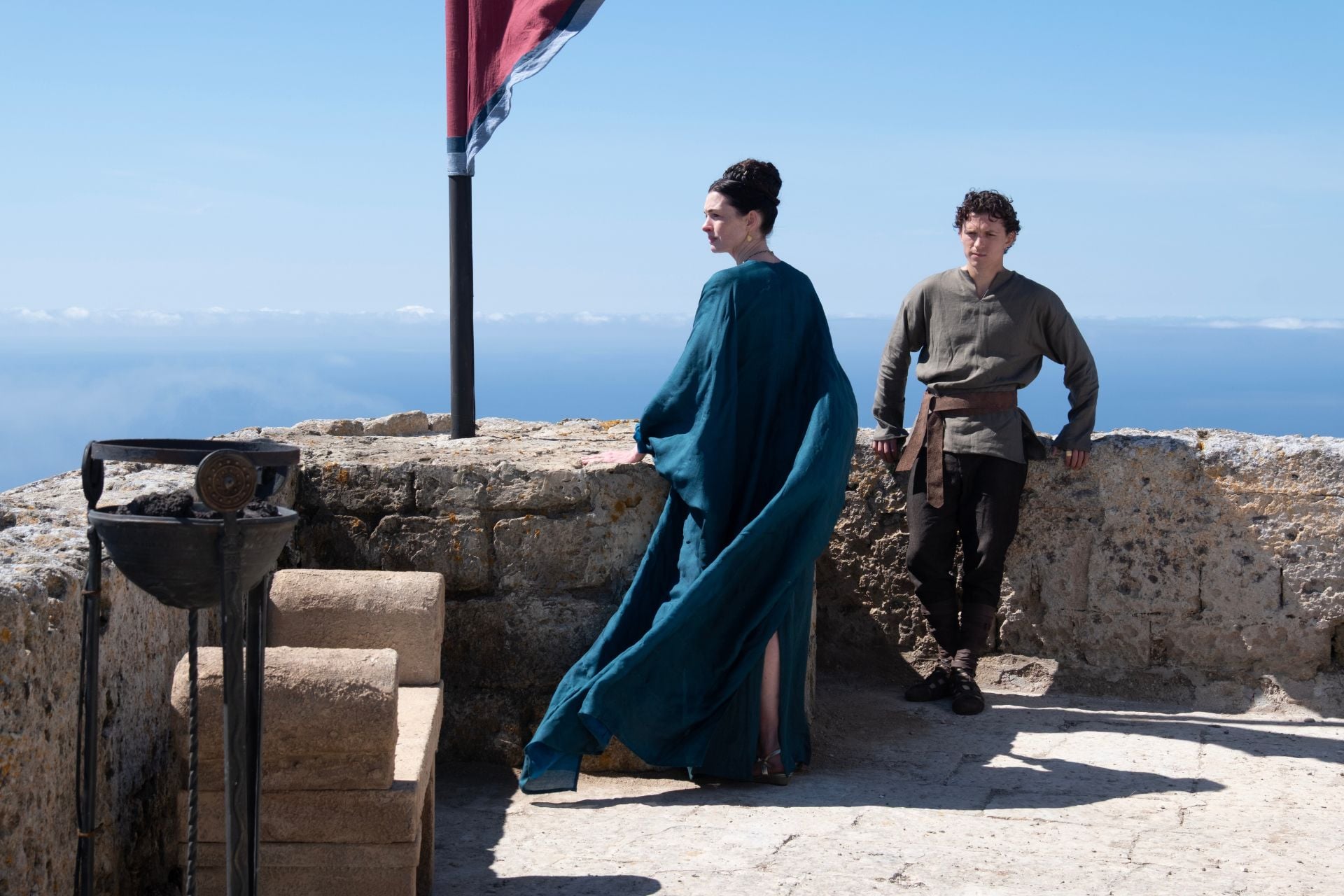
During a rehearsal, an actor keeps the tension small, private, alive between lines.
Penelope’s test and Telemachus’ lies are stagecraft. When the dog recognizes Odysseus, the film doesn’t rush the reveal — it expands the recognition into a chamber of consequences. That restraint is Nolan exercising control: withholding the obvious to amplify the inevitable.
What happens at the end of The Odyssey?
The final reveal explodes into a meticulously choreographed purge: Odysseus strips the charade, strings the bow, and the suitors are routed. It’s catharsis that’s been built like a clock, gear by gear. The violence is savage on purpose — it’s the only honest reaction left for a man who believes his actions at Troy corroded the moral order.
On a history podcast, someone asks whether myth can ever really be modernized.
Nolan answers with a flashback to Troy that recharges the film’s moral battery. After the Trojan Horse succeeds, witnessing the slaughter flips Odysseus from triumphant general to guilty architect. He sees a woman’s death and a broken statue of Athena in the same frame. The pivot there explains his hesitancy: he’s returning not to a home but to the scene of consequences.
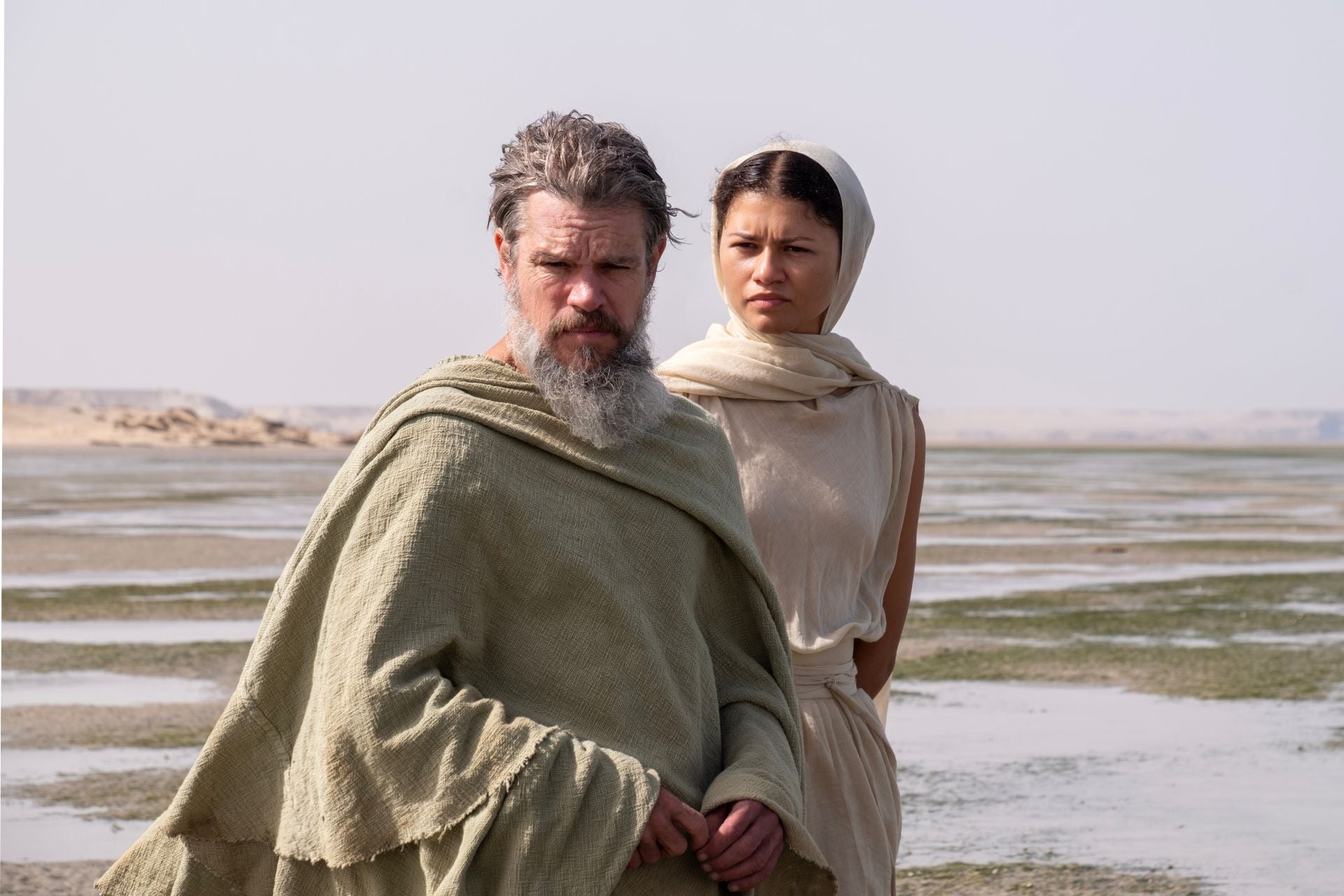
Why did Odysseus wait so long to return to Ithaca?
He’s not cowardly; he’s accountable. The Troy sequence reframes his homecoming as moral penance. Odysseus fears the mirror — he expects to see the ripple effects of his strategy. That dread feeds the film’s tension more effectively than any chase.
At an IMAX lobby, someone scrolls ticket prices and decides the premium is worth the screen.
If you buy an IMAX ticket for the climax, you’ll probably pay around $20 (€18) and feel every hit with seismic clarity. Nolan stages the bow sequence like a conductor leading an orchestra — every cut, every look, every muffled breath timed to maximize release.
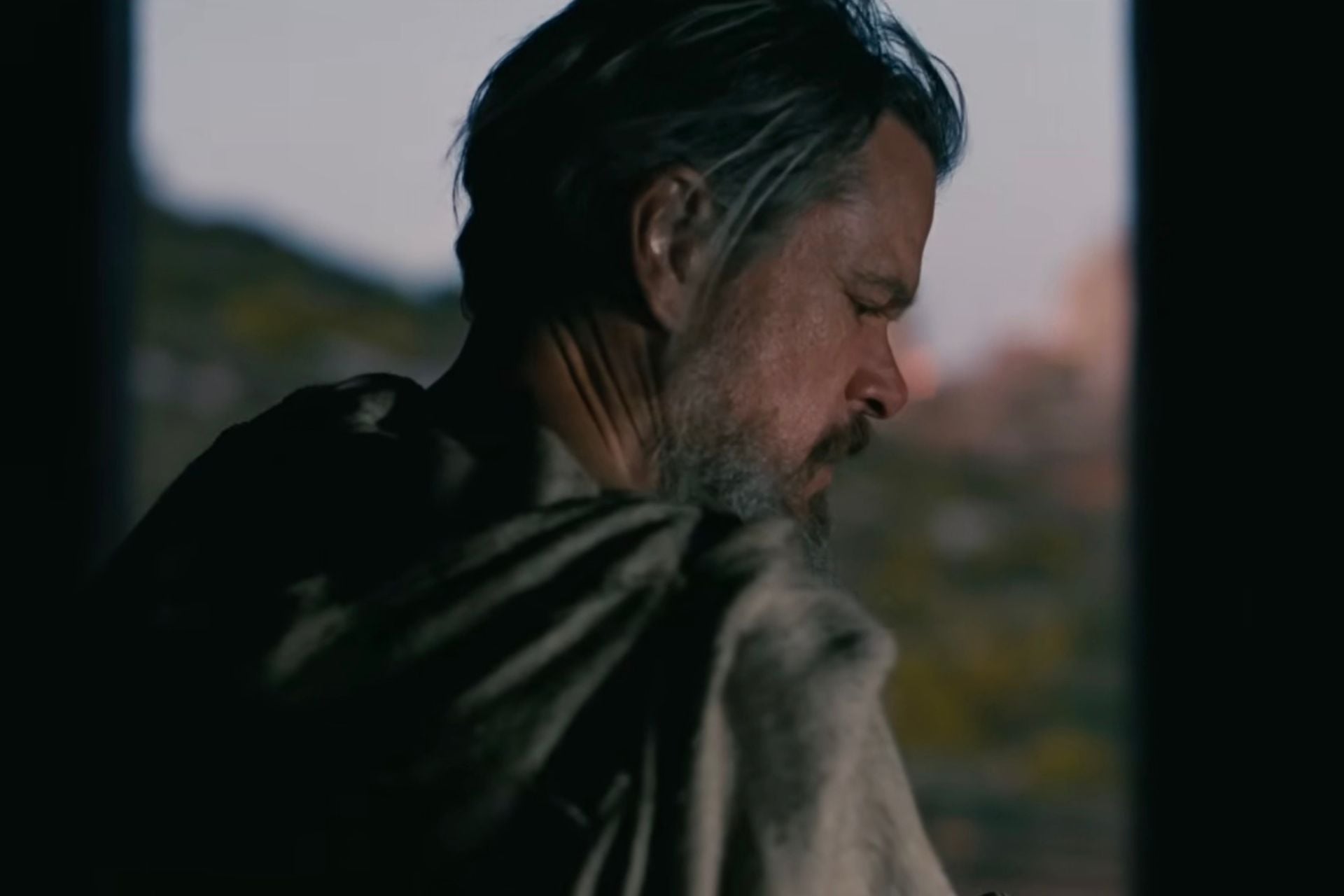
Is Zendaya playing Athena or something else?
Her presence is deliberately ambiguous. Nolan calls this a period of “apparent magic,” and you can interpret Zendaya as a literal deity, a memory, or Odysseus’ conscience given flesh. That ambiguity is smart: it keeps the story anchored in character rather than mythic certainty.
At a critic’s roundtable, someone praises the patience of a director who trusts the audience.
I admire how Nolan converts every planted detail into payoff without turning the ending into spectacle alone. The bow scene works because the buildup has been surgical. The reveal is a thunderclap. Antinous’ fall and Sinon’s odd trinket become emotional punctuation, not just gore for applause.
Seen together, the third act reads like a moral ledger being balanced on screen. Nolan, aided by Matt Damon, Anne Hathaway, Tom Holland, Robert Pattinson, Zendaya, and a production that begs to be watched in Dolby or IMAX, chooses restraint until he can’t — and when he releases, it’s devastating and precise.
If you want a film that repays patience and rewards people who track detail on Rotten Tomatoes and the comment threads, this ending lands on every level — thematically, narratively, and viscerally. So tell me: after watching Odysseus return, do you side with his penance or with the idea that some debts can never be paid?