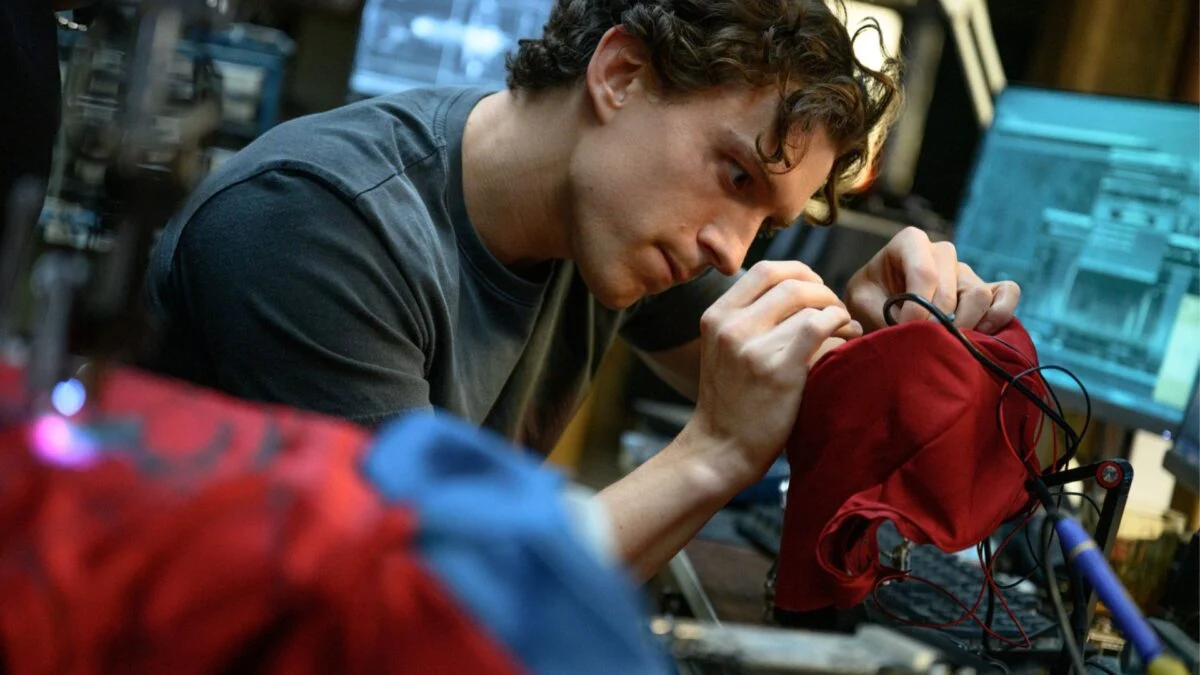
I watched the screen go black and felt the theater inhale. You could hear the gears of the Marvel machine click into a new arrangement. I want to walk you through what that ending and the post-credits beat actually mean—for Peter, for the MCU, and for the X-Men door that just cracked open.

San Diego Comic-Con kept its casting cards close — and that silence made Jean Grey land harder
The room went quiet when Sadie Sink stepped on screen in Brand New Day. You probably suspected Mary Jane from the red hair; I did too. Instead, the movie pulls a fast one: Sadie Sink is Jean Grey, and that single reveal reframes the whole film as part Spider-Man sequel, part X-Men prologue.
Jean isn’t treated as a cheap easter egg. She arrives with psychic fire, emotional weight, and a search for her sister Sara Grey that drives her actions. At first you wonder if she’s a villain—then you see her grief, and she becomes human. Her entrance is a flare, like a lighthouse cutting through fog.
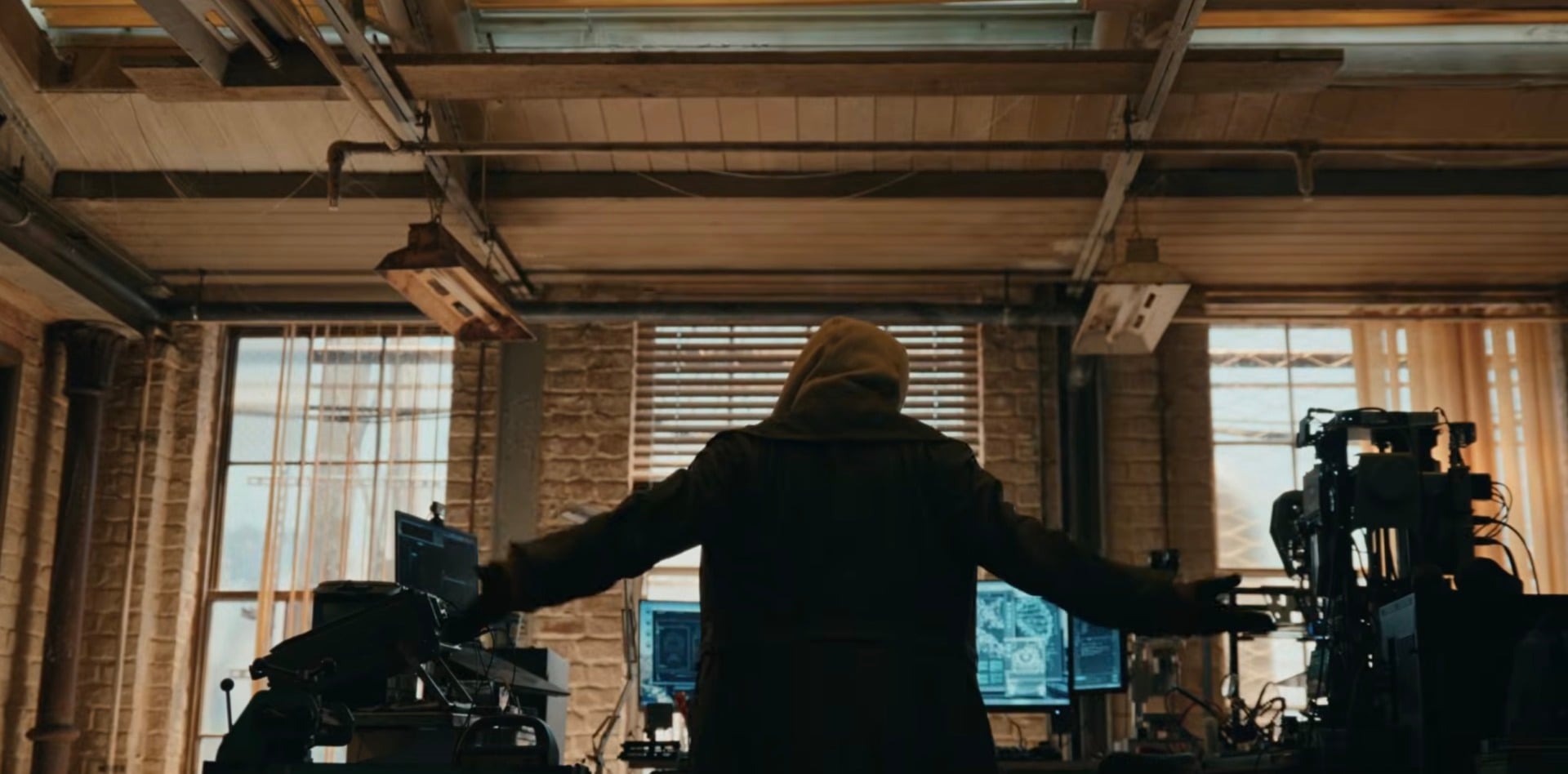
Who is Sadie Sink playing in Spider-Man: Brand New Day?
She’s Jean Grey. Marvel and Sony seed the mystery (red hair, strange powers), but the reveal in Peter’s database confirms it. That matters for the MCU roadmap: Jean’s presence places X-Men threads inside a Spider-Man chapter and signals that Marvel Studios and Sony are coordinating tone and casting secrecy—hence the quiet at Comic-Con.
New powers and a new Peter — the real-world quiet around Spider-Man’s place on the roster
Street-level heroes don’t always show up in big ensemble marketing. You saw it with Daredevil and Thunderbolts. In the film, Yelena (Florence Pugh) labels Peter’s work “small potatoes,” and that’s a usable framing for his status post-memory wipe.
I saw Peter’s arc as a recovery from isolation. After Aunt May’s death and years of being erased from others’ memories, he’s younger and quieter—until Brand New Day gives him physiologic upgrades and, more importantly, social reopenings. The scene at Aunt May’s grave is the pivot: he says he does not want to be alone, and the film answers that wish in the final sequence.
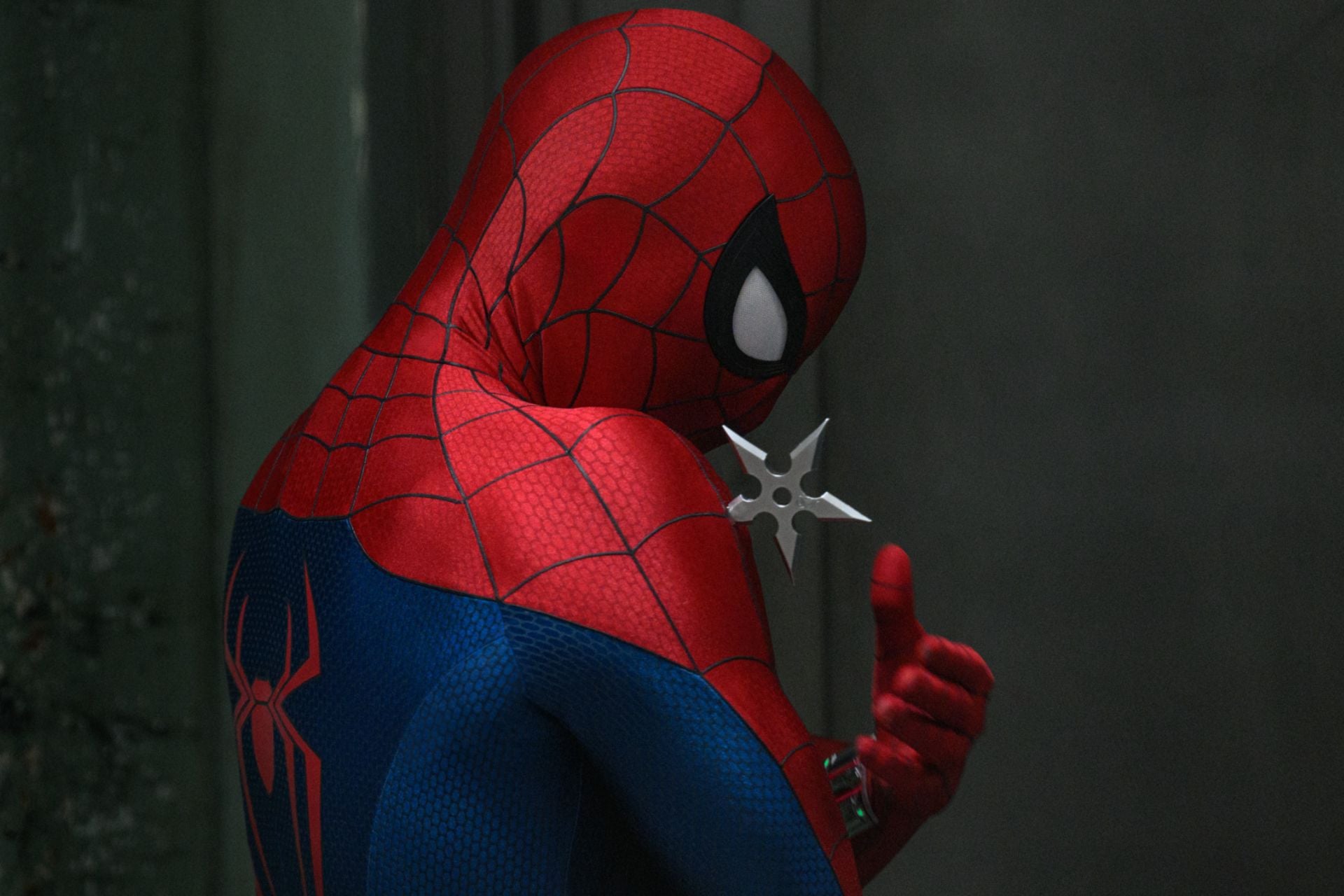
Why isn’t Spider-Man in other New York MCU stories?
Because in the post-memory-wipe landscape he’s a low-profile helper, not a status-brand Avenger. The film uses Yelena’s offhand comment to create a tiered ecosystem for heroes: New Avengers are “big potatoes”; Peter’s on the street doing the small work. That’s both a character choice and a practical storytelling tool for Marvel Studios and Sony to manage crossovers.
The final scene you felt in your chest — Ned, the handshake, and the future of friendship on film
Walking out, half the audience was smiling and the other half was already picking apart what comes next. The handshake moment with Ned repairs one of the film’s oldest wounds: the loss of Peter’s closest friend.
The exchange plays emotionally and narratively. It’s not a grand reveal rigged for an obvious sequel; it’s a small door opening that signals Peter will rebuild the life he gave up. The script earns the moment by threading earlier beats: MJ’s knowledge, Ned’s obliviousness, and Peter’s willingness to ask for help. That rebuild matters more than a stunt cameo.
What happens in the end credits scene of Spider-Man: Brand New Day?
After the main credits there’s a slow reveal: Ned’s homemade Spidey Tracker locks on Peter, and its blip rises out of New York, through the atmosphere, and past the moon. The beat is literal—Peter’s next set of challenges will leave Earth, and it’s a clean signal toward Avengers: Doomsday and Avengers: Secret Wars.
Ned’s tracker climbs like a paper rocket finding the sky—small, earnest, and impossible to ignore.
Loose threads in the city — MJ, Damage Control, and the MCU’s next chess moves
In theaters you could feel people checking their phones for release dates and crossovers. Several questions remain open when the credits finish.
MJ learns who Peter was and admits she doesn’t love him. That’s raw and honest; it leaves Peter with a decision: chase a rekindled romance or let it go and build fresh relationships. Damage Control’s Bill Metzger (Tramell Tillman) walks away unarrested. Doctor Doom towers on the MCU horizon, and Bill’s survival could be a small corroding influence that becomes meaningful once Doom arrives. In short: small details here could compound into major problems for Peter when worlds collide.
Does Spider-Man go to space in Brand New Day?
Yes. The post-credits tracker shot is explicit. Whether the flight is a one-off cameo in Avengers: Doomsday or a thread woven into Secret Wars remains to be seen. The signal is clear: Sony and Marvel are positioning Peter for conflicts beyond New York—and that affects how Tom Holland’s Spider-Man is marketed on platforms like Disney+ and in cross-studio announcements.
For tracking news and casting, keep an eye on Marvel.com, official Marvel social channels, and trade outlets like Variety and Deadline; they’ll parse which of these dangling threads matter to box office strategy and branding as we approach next December’s slate.
So the film doesn’t end with a shock that rewrites the MCU; it ends by fixing Peter’s loneliness, adding Jean Grey as a domestic X-Men seed, and firing a literal trajectory into space that points to Avengers-level stakes. I’ll be watching the box office numbers on Box Office Mojo and the rumor threads on Reddit, but more than the metrics, I’ll be watching how Marvel and Sony use this quieter, smarter ending to stitch Spider-Man into the larger tapestry.
Is this the Spider-Man you want at the center of Secret Wars?